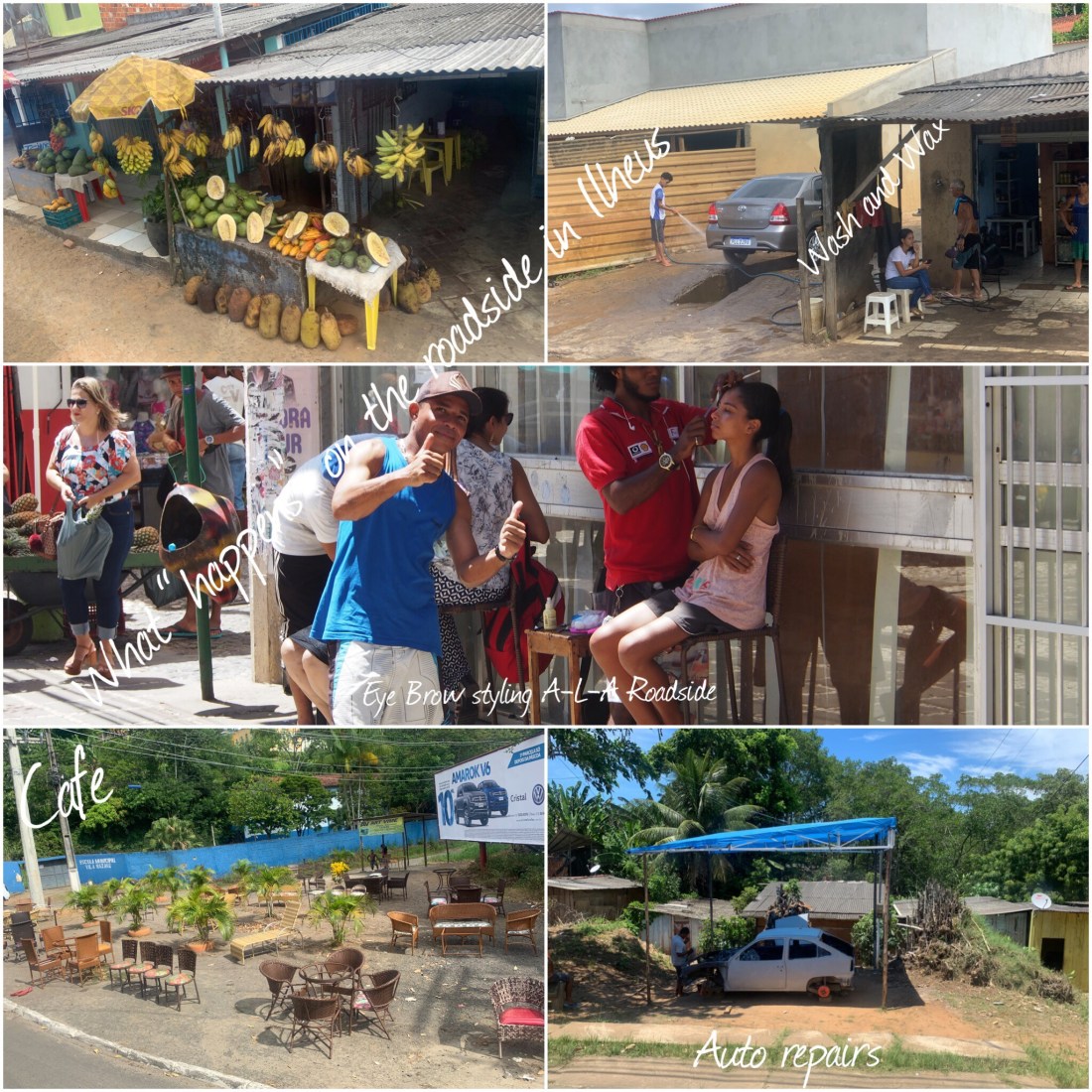
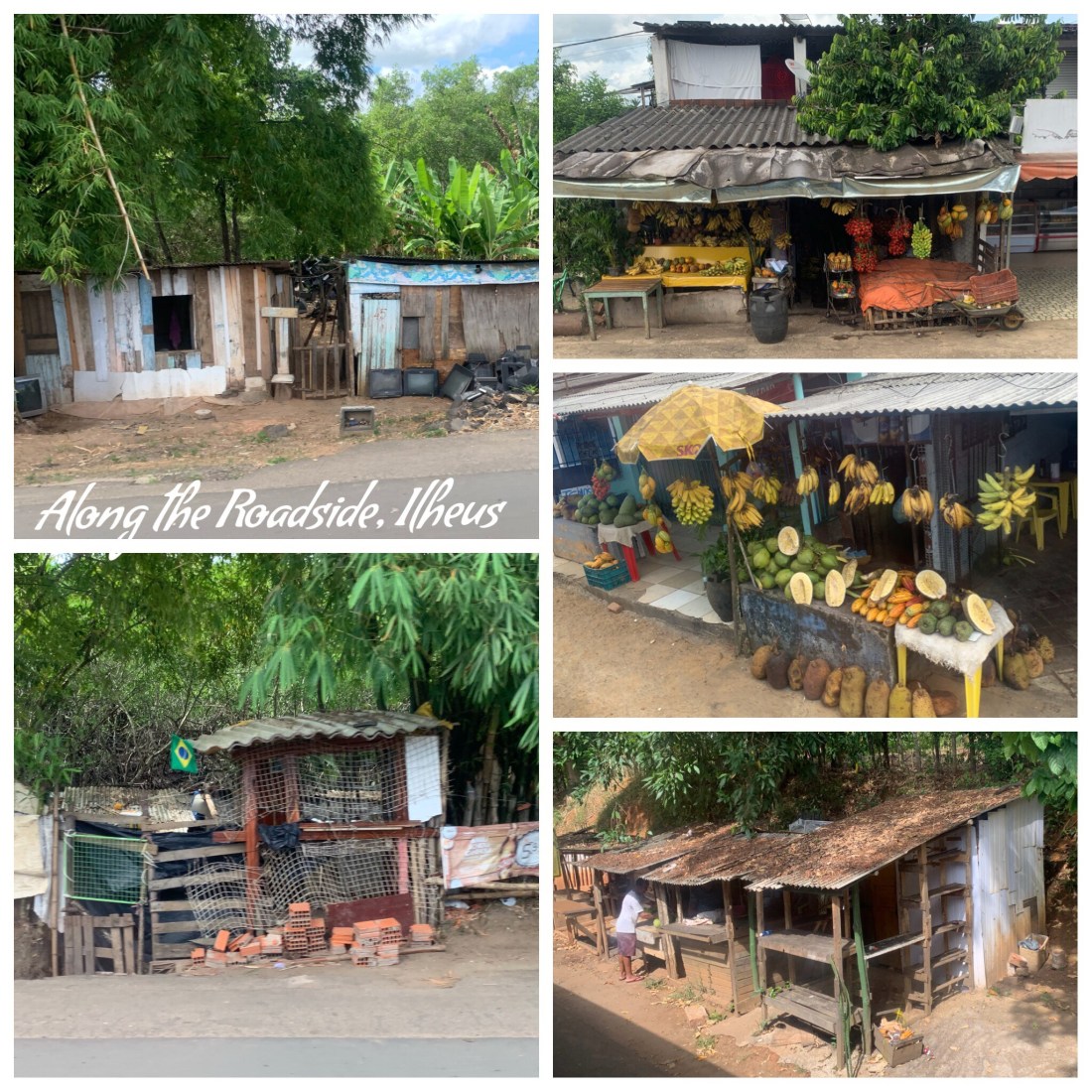
Philip has itchy feet today as we board a bus and head out to the country. Well out to the fringes of this small city of Ilhéus. (About 225,000 inhabitants). It seems almost rural as we pull alongside the dock this morning. We can actually see hills covered in trees and a lot fewer high rise buildings. There is no groomed, palm lined beaches that we can see. We head straight into the countryside, where small shanties nestle along the roadside. Road side stalls are plentiful selling all manner of fruit and veg. We are heading to one of the oldest Cocoa plantations on the coast to learn about the cacao growing process. Once we reach the plantation, the owner speaks to us through our guide/Interpreter about the history of the plantation and how it had its heyday but is now much smaller due to the downturn in the production of cacao and being divided amongst family members. He also explains the types of cacao grown here. The cacao trees are a lower growing tree and thrive under a higher tree that provides shade and holds the humidity. We walk through part of the plantation and are shown the cacao on the trees in various stages of ripeness. It’s off season so there is not a lot of fruit about. At the end of the walk our guide talks more about the processes used to harvest the cacao, all done by hand. Then splits some of the cacao pods so that we can taste it. It has a soft marshmallows substance that covers the cacao seed, which is quite sweet and has a slightly vanilla-ish flavour but the seed itself is quite bitter (P- Bitter is an opinion of Judith the sweet tooth! It tasted like dark rich coco! Unsweetened). Later we enter the plantation house for a cool drink made of the marshmallows covering of the seed and crushed ice. It’s very nice, sweet and very refreshing. Then we get to taste some of the chocolate made from the cacao. From the very bitter pure cacao to a slightly sweeter one, 75% cacao and sugar and then a sweet one with 50% cacao. Then purchases can be made from their very basic shop. 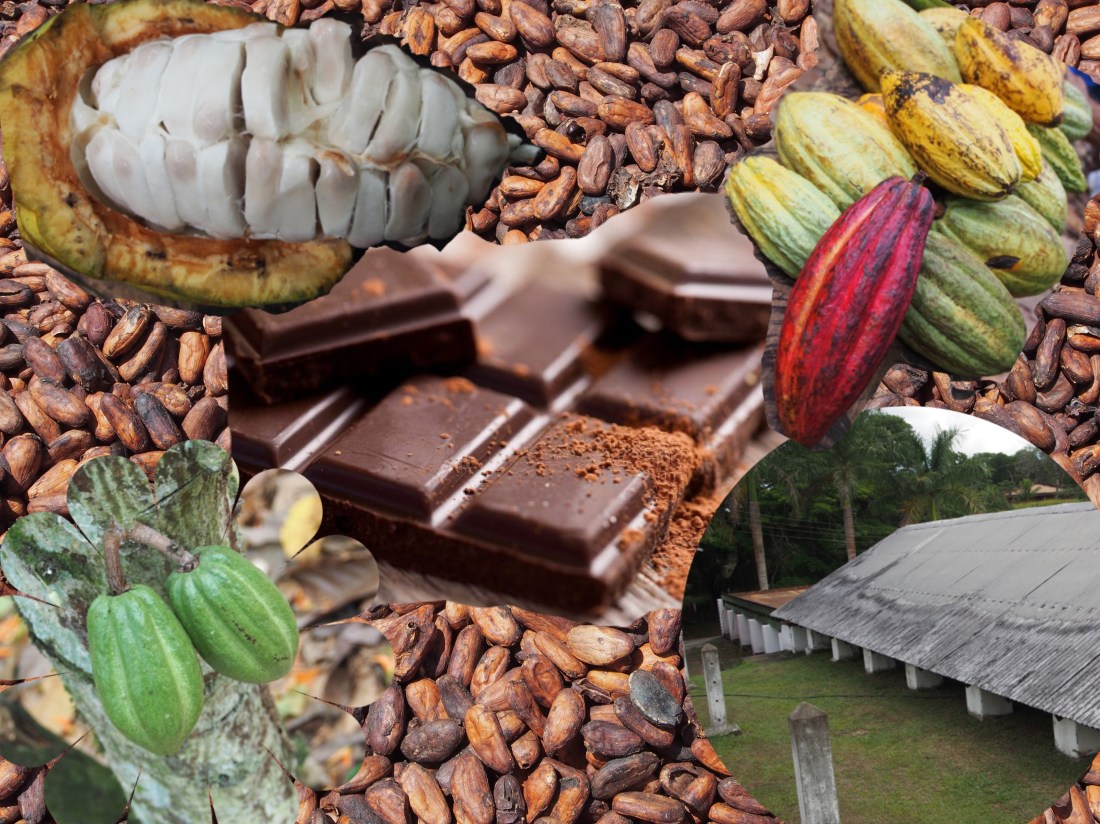
This area reached its heyday in the early 20th century when the cocoa business in the surrounding area earned the nickname the “Cocoa Coast”. During this time the city was one of the wealthiest in Brazil and there was a building boom of elaborate “Cocoa palaces” built by the upper class. The industry declined and so did the city, but in recent years much has been restored.
Ilhéus also has another claim to fame and that is that it was the home of Brazil’s most beloved author, Jorge Armado who’s novels have been translated into 48 languages. Armado lived here when writing his first novel and his house is now a museum.
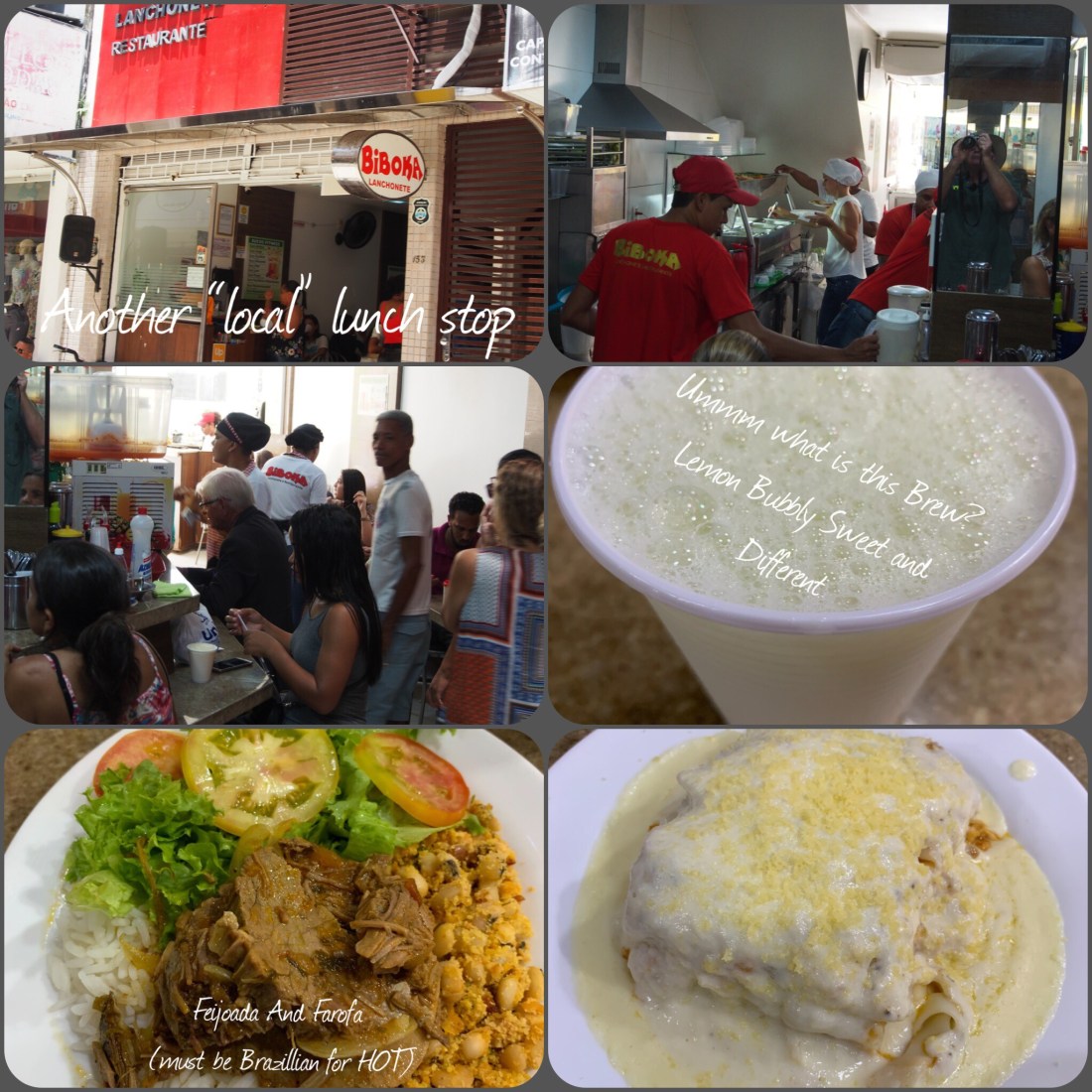
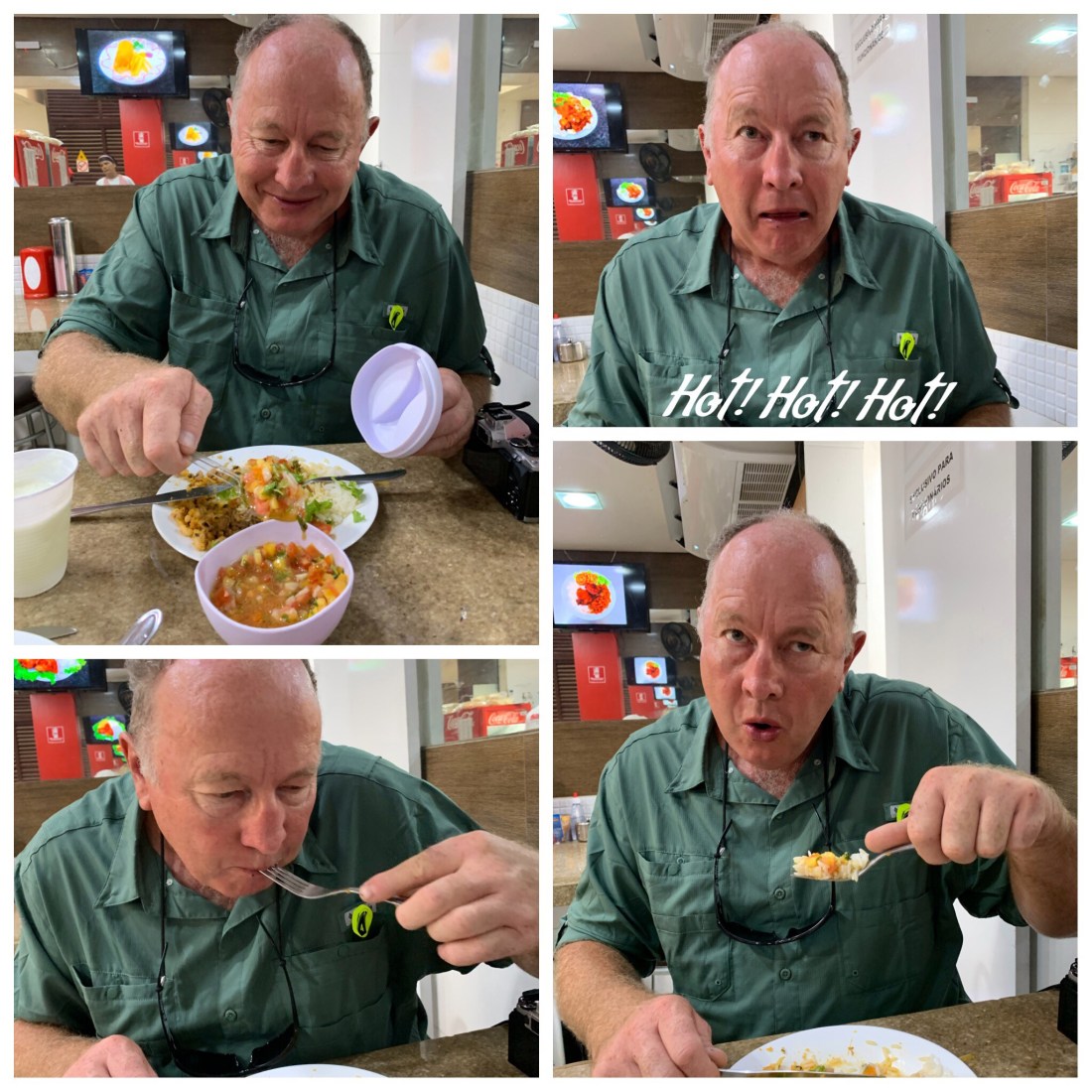
Once we are back in the city centre we head off on our own (P:- leaving the rest of the tour to immerse themselves in the local Cathedrals that seems to be a mandatory part of tours! ) to wander the local area. It’s much the same as other cities we have visited but less congested and much smaller. We stop and find a small luncheonette/restaurant and head inside for something to eat. Again no English is spoken and sign language works a treat. Philip opts for another traditional local meal by pointing to a meal on the table next to us and I choose a lasagne, Brazil style, with chicken and heaps of cheese sauce. Philip again has the hot salsa on the table and can’t help himself he has to try it again. Yep it’s still hot!!!!! Our meals were very nice and it’s a very busy little place with staff running round everywhere as it was local lunch time. After more of a wander round the town we head back to the bus for the short trip back to the ship. And another day is done. Another experience had.
Wednesday 27 Sea Day
Another sea day so it’s a lazy start to the day. Philip up on pool deck checking emails and news from home and having coffees until I arrive around 8 am. (P- I had been waiting for 2 hours!) A girls allowed to have a sleep in sometimes. Then for a swim before breakfast. Think this is the best time to swim as it’s only us and another couple of swimmers in the pool. Then down for showers and off to the dining room for breakfast. It’s the first time in the dining room this trip and I had forgotten about the Dungeness Crab Eggs Benedict. They were just as good as I remember from previous trips and I think we will be heading down here again before too long.
After breakfast we head to the showroom where there is an “Ask the Captain” gathering. First the captain gives a brief virtual tour through the Bridge and Engine Room before taking questions from the audience. Most questions were good but in a crowd this big there are always the dumb questions.
Some facts about this ship.
MS Veendam
*Captain Steve McBeath took him 19 years to become a Captain and has been with Holland America for 11 years.
*57,000 tonnes in weight
*Has 2 independent GPS systems
*It produces 5-6000 tonnes of water per day, for engines and for the hotel side. The water produced is the same throughout the ship from bathrooms to kitchens, to pools and drinking water.
*3 x 8 cylinder engines and 2 x 12 cylinder engines all turbo charged
*2 propellers both 5 metres high
*2 Bow thrusters and 1 stern 2 metres high
* Fuel average is 1 tonne of fuel for 5 miles
* 1100 guests and 600 crew
* 2 weather forecast providers
* Highest seas ever experienced for this ship is 20 metre waves off the Falkland Islands about 8 years ago. Power of waves buckled the Bow and cruise had to be cancelled. (Don’t think I would ever get on another ship if I had to endure that)
* Amazon pilotage fee is around USD $300,000 each way.
* When visiting Antarctica they have an Ice Pilot on board, these guys usually have approx 30+ years experience sailing in these waters.
As seems to be a regular occurrence Philip has had a couple of miserable health days which isn’t pleasant to witness. He just pounds his way through them, hardly complains and hopes for a better tomorrow!
Dinner was a taster plate meal prepared by the guest Brazilian chef that was onboard. This was in an optional small gourmet restaurant onboard. A very pleasant evening.


 Tassie Travellers
The pix of Phil trying the hot sauce is priceless!!
LikeLike
Great descriptions and photos. Really enjoying the blog.
LikeLike
Love your blogs! Great photos especially Philip and the hot sauce! 😂
LikeLike