19th August
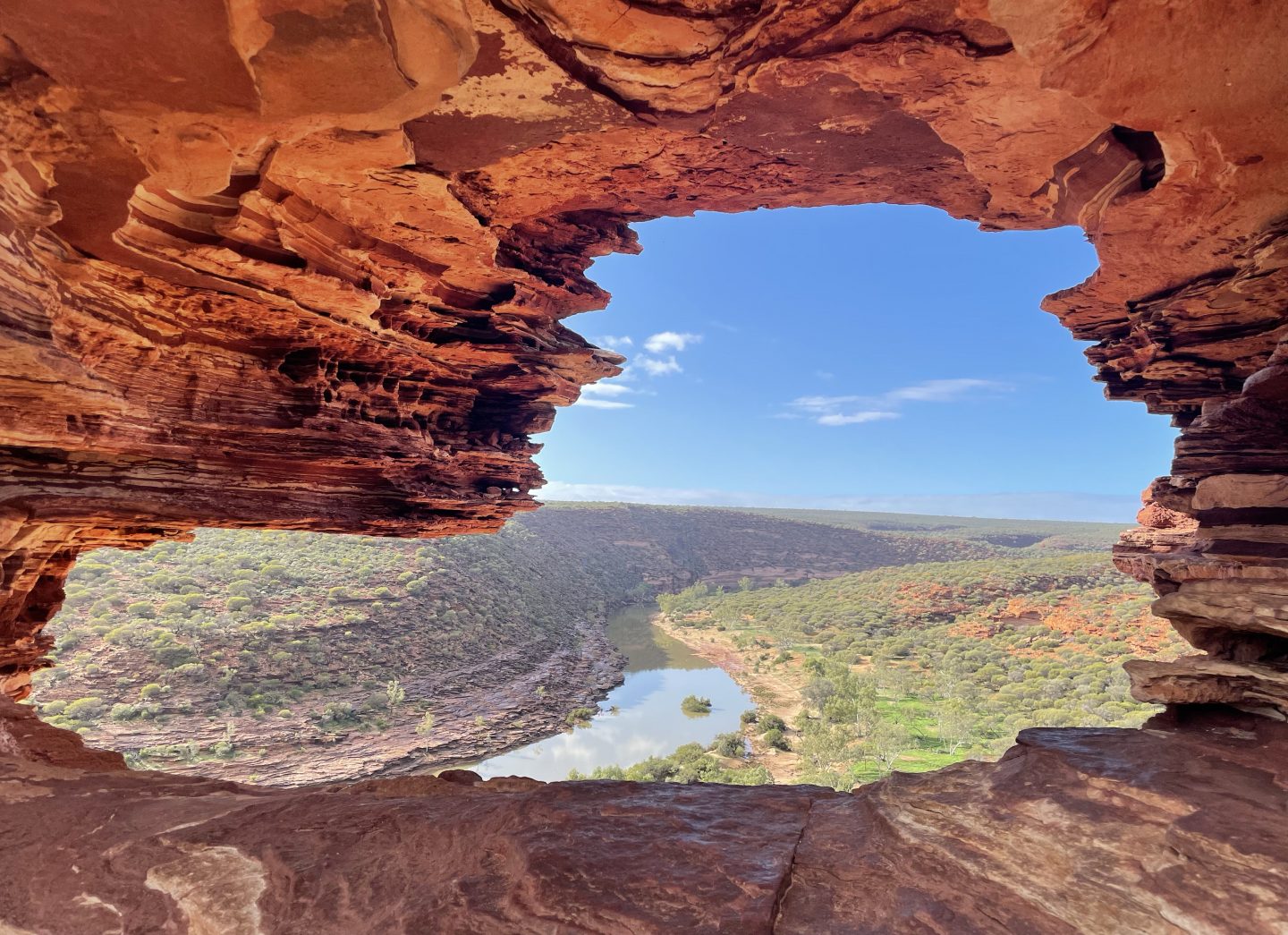
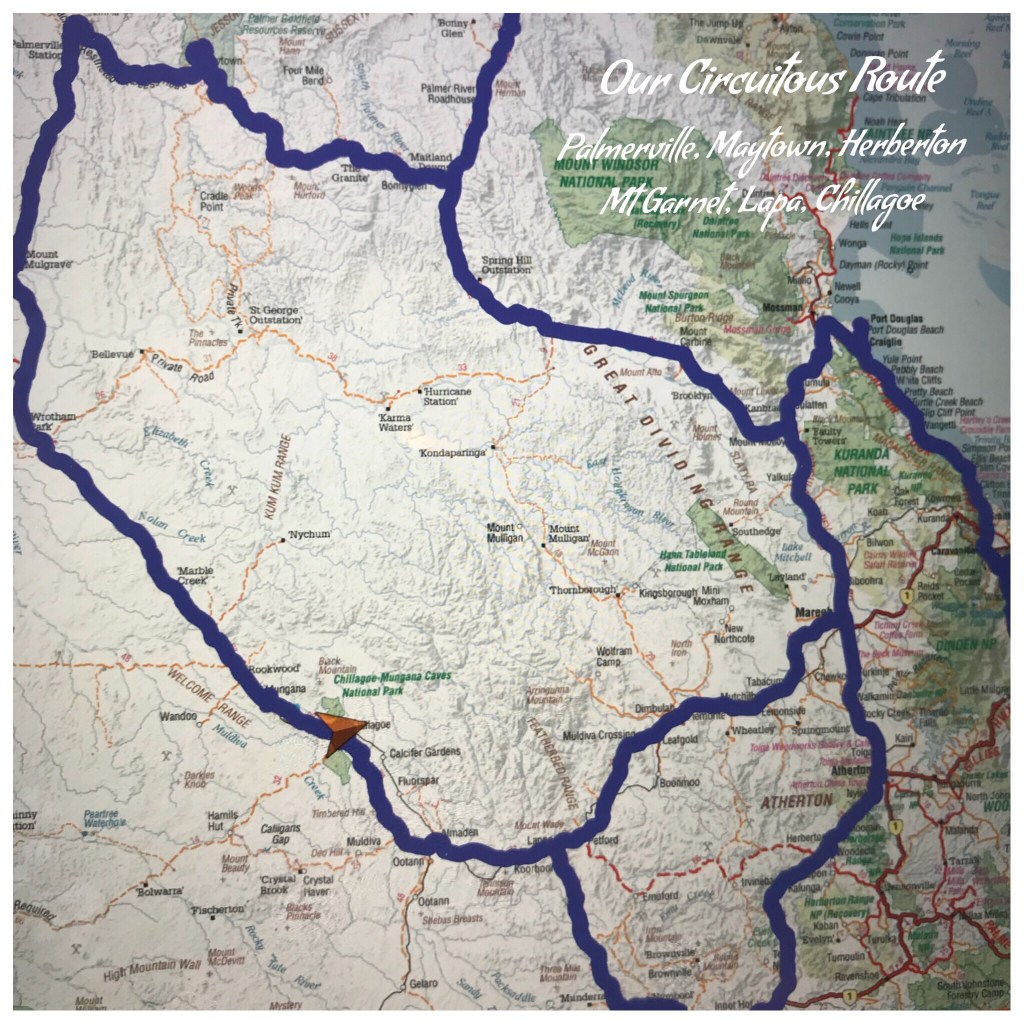
First stop this morning is The Archways. This is a walk through a semi open caves system. Discovering open top caves where the sunlight streams through and small dark tunnels and crevasses. We walk through, under (on our hands and knees ) and around spectacular formations and gaze skyward to see openings shaded by trees, bright blue sky and patches of calcite and cave coral decorating the walls. Very impressive cave system.  Back down the road we stop at the aboriginal art site before turning west and then north heading for Palmerville station and on to Maytown. For the first part we travel through limestone bluffs like those that surround Chillagoe then it changes to more open land, creek crossings, river crossings, cattle grids, gates, and Station homesteads. The further north we get the more rugged the terrain.
We stopped for lunch by the side of the Mitchell River. A beautiful spot with large paper bark trees, sand banks and quite a well flowing small river. We enjoyed a tailgate lunch watching the river and enjoying the quiet and solitude.
Just after the Palmerville homestead we turned east onto the Maytown Road. This road has only recently been graded and so is easy going. It follows the top of the ridges as we wind our way into the old town. Up and down, left and right, the road rises steeply in front of us and we have to almost stop at the crest to see which way the down side goes. We reach a T Junction with no signs. Which way to go? We know we have to cross the Palmer River, one Crossing is pretty rough and one is easier, but no signs means we are not sure. We turn left and almost immediately drop down to the riverbed. Mmmm guess we are taking the rougher crossing. Philip slips the truck into 4WD and we take it pretty carefully. No water over the road but big rocks, dips, sand, trees and then a hill climb to get out the other side. Once over the river we are at the Maytown township site and spend some time reading the signage, signing the visitors book and checking out the kerb and guttering that was put in place 150 years ago. Amazing how well it has lasted.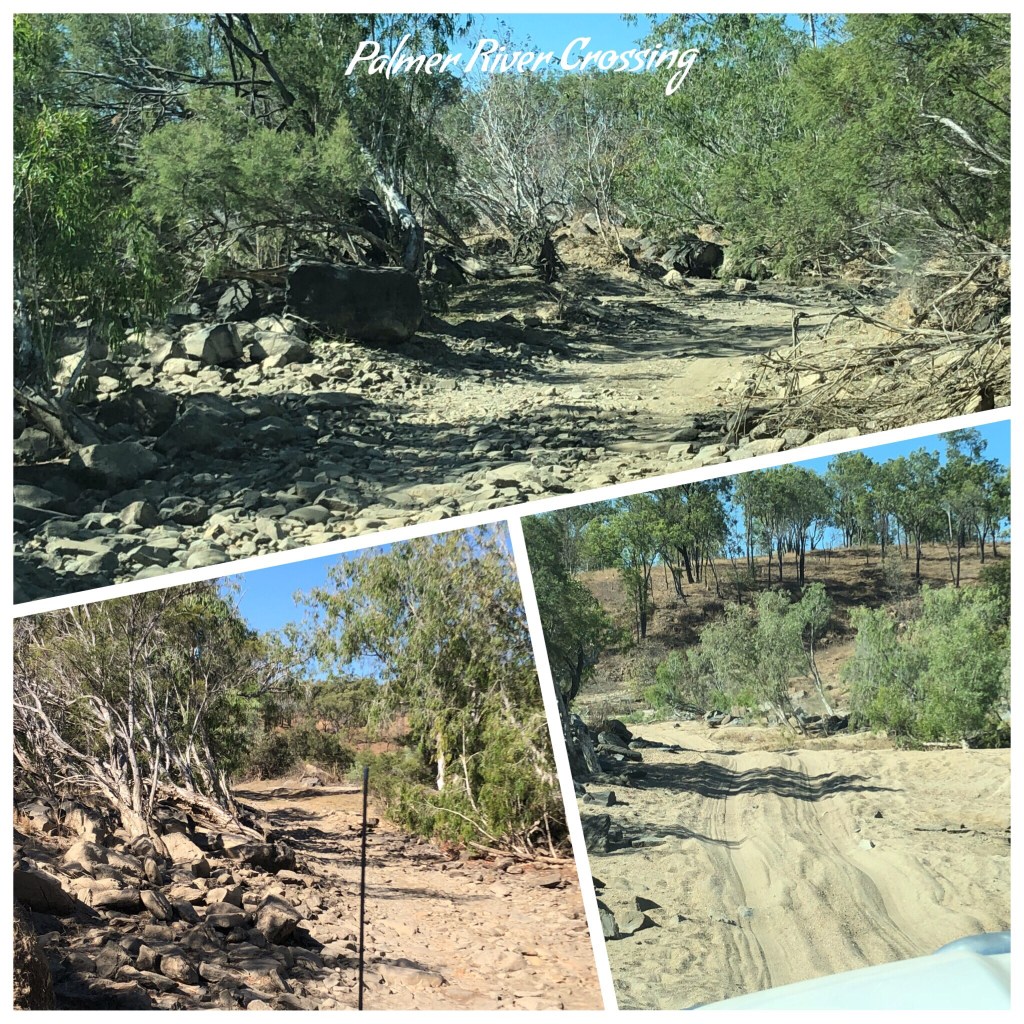
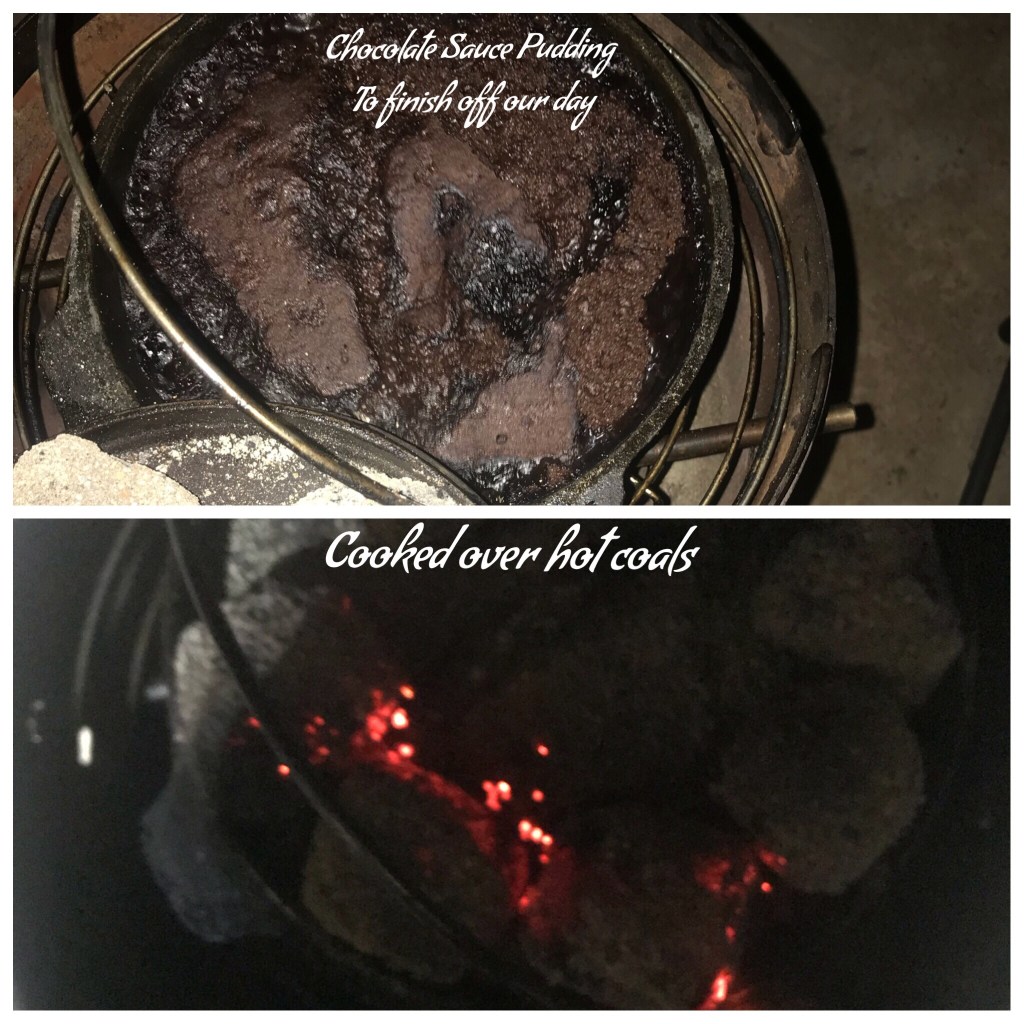
Again there is minimal signs to point us to the campground, but we wind our way round past old ruins, over more creeks and washouts, over some pretty rough tracks and finally down to the Upper North Palmer River Campground. Only one other camper here so plenty of spots available. We find a spot up on a bank under some paperbarks with a view of the river, and set up camp. Philips first job was to light the Cobb and get the lamb shanks on for dinner, then we organised everything else. Once set up we walked down to the river for a swim to wash off the days dust. It’s not very deep but enough to get us wet and refreshed. After dinner we lay our chairs back and watch the evening sky, picking out constellations and satellites and listen to the night critters and the quiet around us. What an awesome end to the day.
20th Monday
We woke to a chorus of birds and the sun glowing off the cliffs on the opposite side of the river. After enjoying this for a while we breakfasted and packed up ready for a day discovering the old ruins around Maytown. This town was in existence between 1874 and 1920. During Queensland’s largest gold rush, sparked by the discovery of alluvial gold, 30,000 people descended on the Palmer River area of which Maytown was the major settlement. The area is covered with ironwood, and blood wood trees and paperbarks fringing the creek beds. It is rough and rugged country. The mind boggles as to how the early settlers here survived and lived in such harsh conditions. Today there are still remnants of the old mining works scattered about.
We spent the morning looking at the ruins and the Chinese Cemetery (18,000 Chinese population during the mining period). Then at the Comet Mill and Battery and the Queen Mill, all very interesting and each area a bit different.
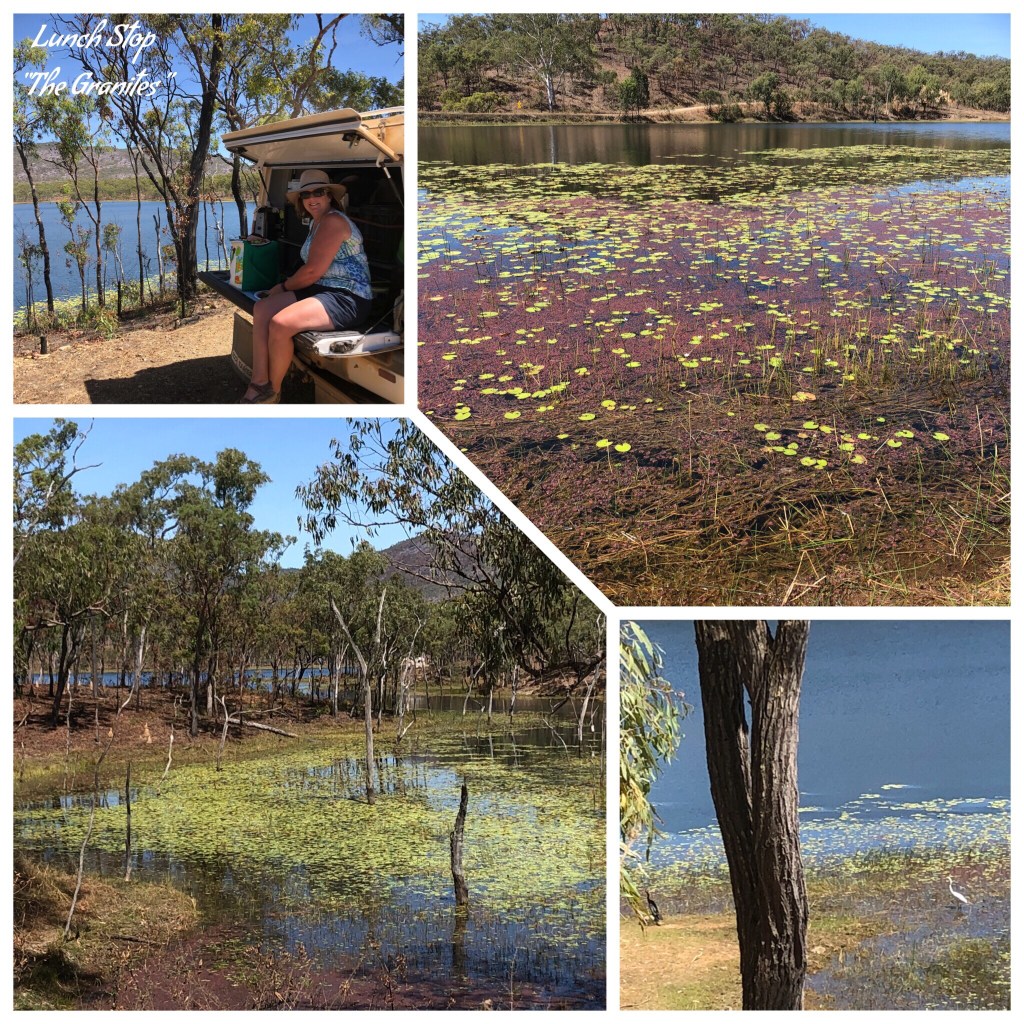
Once we had done our exploring we took the road back out over the Palmer river (this time the easy crossing) and drove east, again along the ridge tops stopping at The Granites for lunch. This is a lovely Lilly fringed lake In the middle of harsh dry country. Cows wading into the water and eating the reeds, birds perched on dead branches over the water and a gentle breeze blowing. What more could you want for a picnic spot. 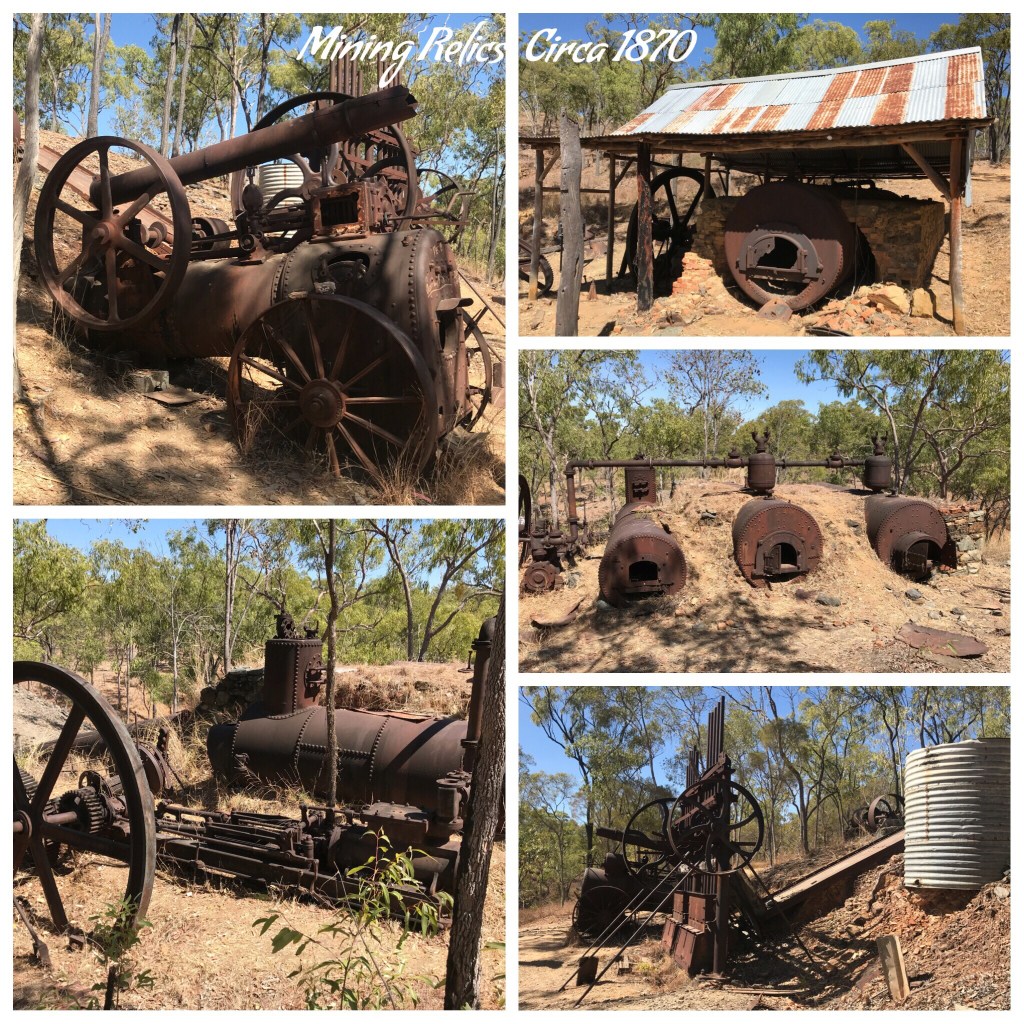
This road we are on connected to the Peninsula Development Road and heads us back into Mareeba.
(P- or Cooktown and Cape York if we turned left and Headed North— I was tempted but thought it wise not to put it to the “vote”!)
21st August
We were going to have an early start this morning but by the time we got away it was after 8.30. Our plan is to head down to Herberton and then link up with the Irvinebank, Petford Road. Well we started out good, got to Herberton and turned onto the above road and drove for about 5 k. Then there is a sign that says Heritage mining Trail Mt Garnet. Split second decision and we change our direction. I’m never really sure where we will end up. This is a nice drive following a well maintained gravel road, crossing creeks, driving alongside creeks (all mostly dry), over hills and down hills and round hills. There are signs of mining along the route and lots of small mining areas still operating. The road links up with the Kennedy Highway just out of Innot Hot Springs where we stop for a wander down to the creek. The water here is warm in places and you have to dig yourself a hole In the sand and the warm water bubbles up through the sand. Looks pretty dirty and gritty and we decide to give it a miss this time. Just up the road is Mt Garnet and we stop here at the visitors centre and have a chat with the lady there. She gave us a few tips on the road that we want to take and had a pleasant chat with us. Just west of Mt Garnet we turn off onto the Lappa Junction Road. This road is about 55 kilometres long and follows the old railway line for the majority of the road, winding through the old cuttings ( originally cut out by pick and shovel), over old culverts and past old bridge sites. The line was privately built in 1902, and was taken over by the Queensland government in 1914 and was finally closed in 1960. It’s is a great drive and again reminds us of how people lived and travelled years ago. 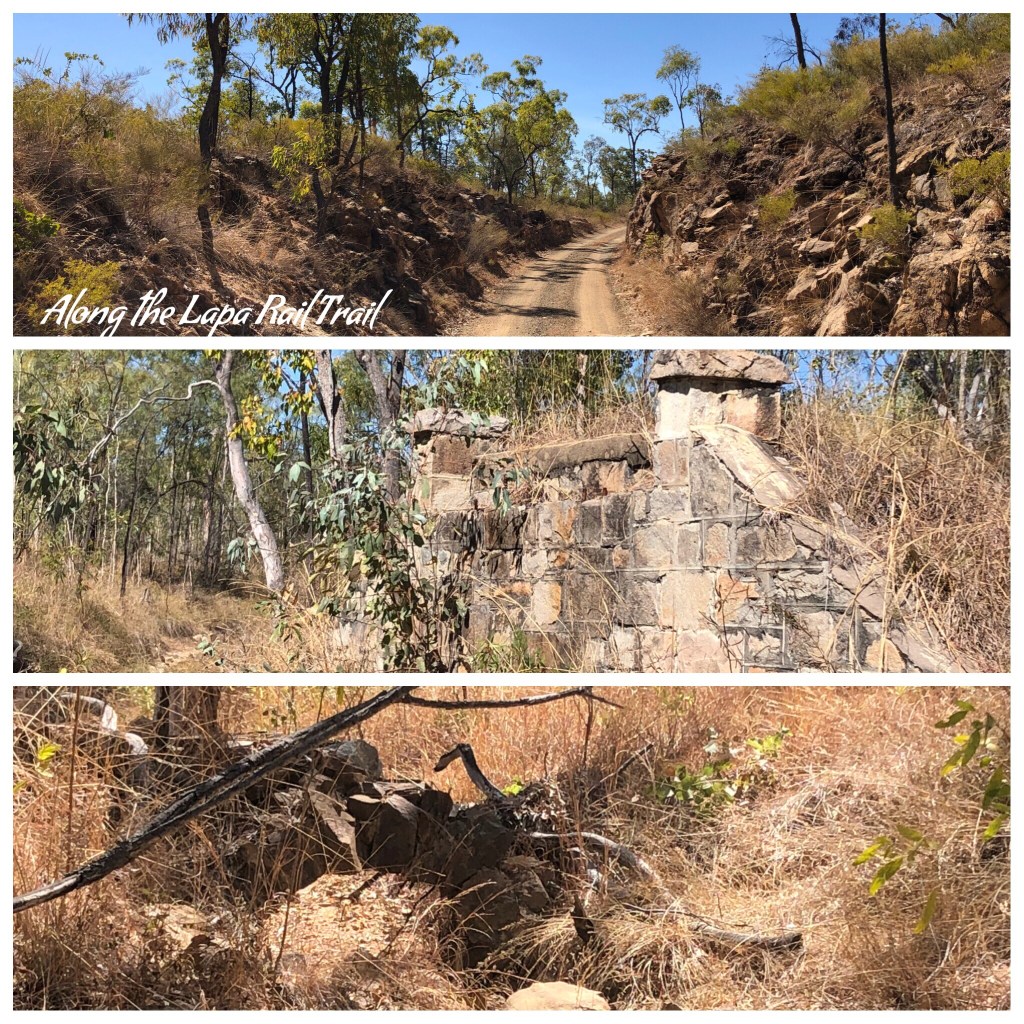
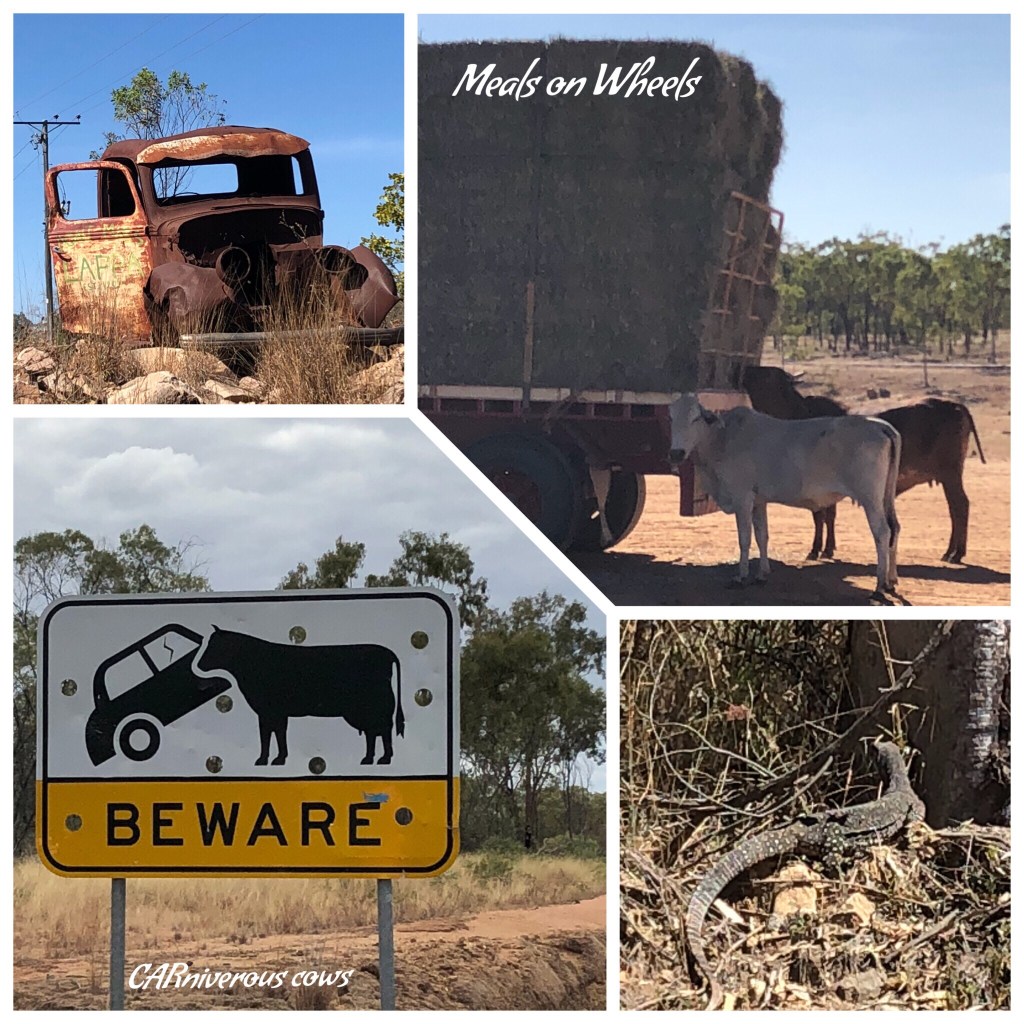
(P- I stop and chat to a station owner and his father from Almaden who had stopped for lunch on the track. They give us a few bits of info about the area and the type of season they are having “not too bad up here” he says. They had 6 x 1000 litre Totes of Molasses on board- he was saying they do the 8 hr round trip every 10 – 12 days, the Molasses adding vitamins to the native vegetation the cattle graze on. An 8hr round trip every 10-12 days in a very Smokey old Mitsubishi truck without Air Conditioning would be hard work in itself!).
From Lappa Junction we are back on the main road to Chillagoe and return to the caravan park to pick up our van.
We have had a wonderful couple of days exploring some remote areas and enjoying some interesting history of this area.
(P- I am amazed at the condition of the Mining relics. Some of the boilers were installed in the late 1800’s – they are still in original situation, the lack of good roads into the area may help with their preservation! Tomorrow’s another day I guess as we leave the camp area a snap decision will be made as to if it is a Left or Right turn down the track we take ! IF we turn right it’s over 650 klm to the next fuel stop and settlement of any type ( apart from the odd Station Homestead). Hmmm this is the first I’ve heard of this detour.


You two are hard to keep track of / what surprising adventures!
LikeLike
You have certainly visited some remote areas and explored many mining towns. How exciting deciding as you go which road to take and not knowing what is ahead.happy exploring!
LikeLike
You have sure covered some different roads (tracks !!!!!!) photos are great love Mumxx
LikeLike
Off the beaten track …. way to go. Plenty of exploring to do in ‘our big country’
LikeLike