Sokcho, South Korea

19-04-24

After crossing the Sea of Japan overnight we dock in Sokcho, South Korea mid morning. As we near the port we head to the bow to watch as the captain manoeuvres the ship through a narrow breakwater and onto the dock. This facility was new in 2017. We are right on the waterfront in a lovely setting with bridges, Ferris wheels, fishing boats and facilities close by.

Entering Sokcho Port

The city of Sokcho today has 83,000 inhabitants, and it was under North Korean control after World War II until the armistice agreement was signed in 1953 between the two Korean states. North Korea is approximately 350 km away as the crow flies.

Our tour today heads us up into the mountains, which are spectacular towering above the layer of smog, to the Seoraksan National Park. The bus ride is only about 30 minutes which brings us to the Sorak Cable Car which will take us to a mountain top 700 metres above sea level. It travels 1132 metres in 5 minutes. It’s a steep ride as we climb up over a river valley to reach the terminus and then we negotiate many steps, stone, timber and tree roots, to reach the lookout point. Spectacular views from the top down to the river valley and across to the higher mountains. There is still small pockets of snow on the ground and spots of cherry blossom and wild azaleas on the slopes.
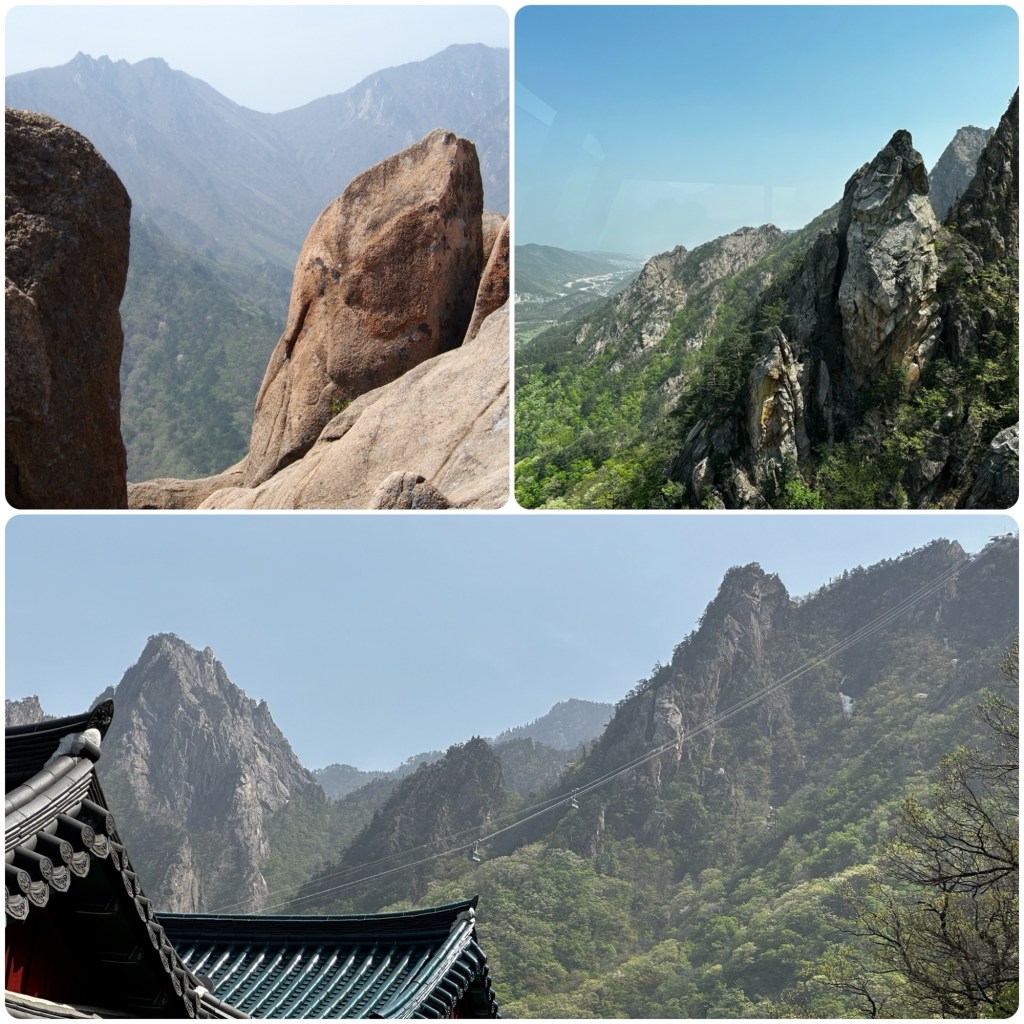
Sorak Cable Car and Mountains

(P:- Maybe a slight correction required! Spectacular views somewhat hidden by quite a layer of smog! However they were great and we have been very fortunate with fine weather so far.)

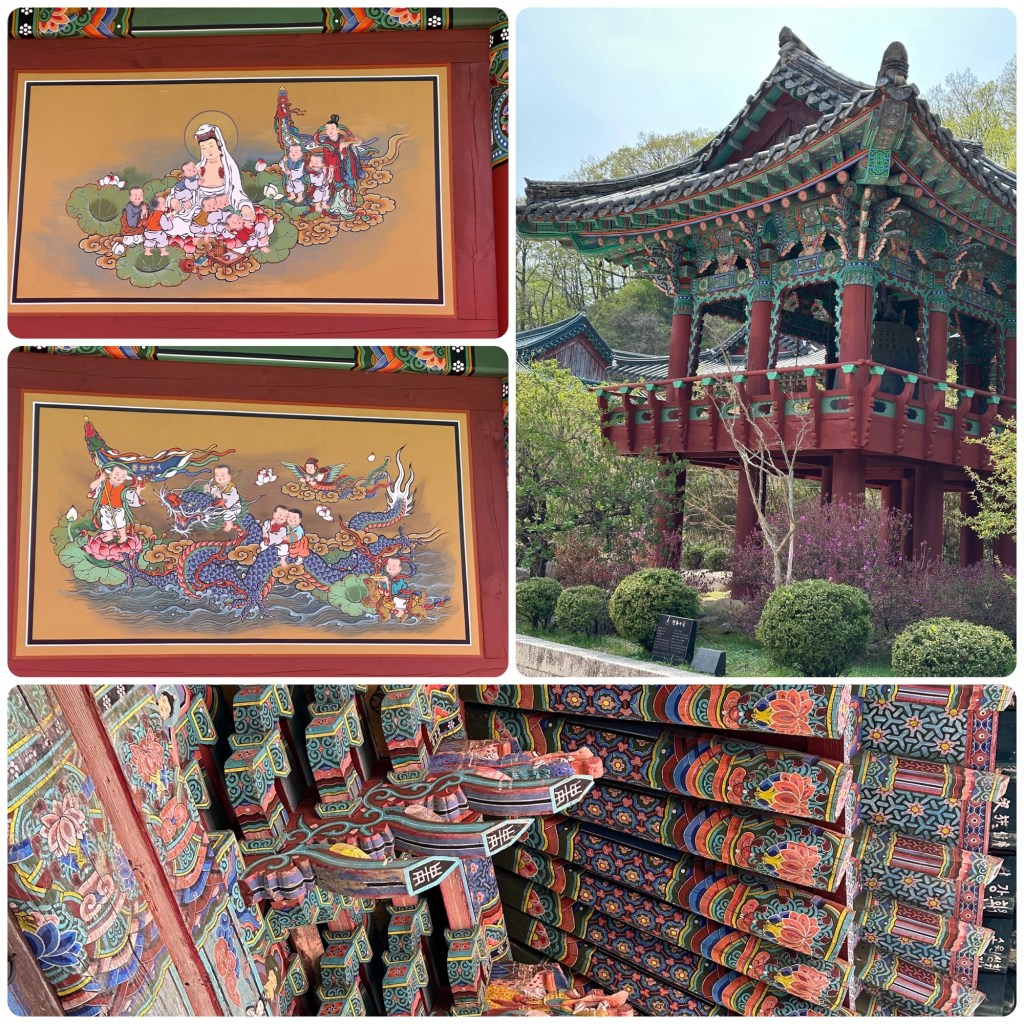
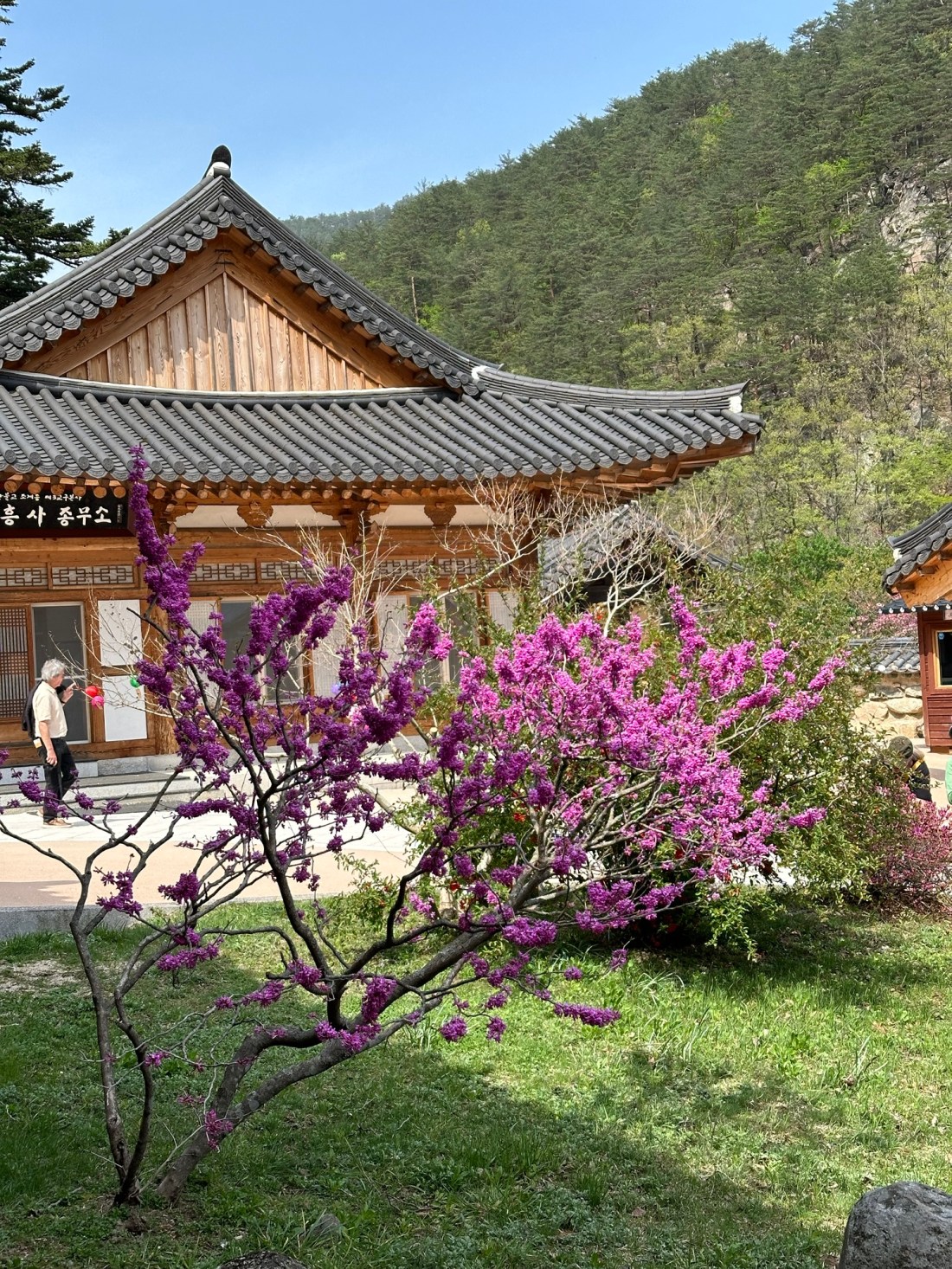
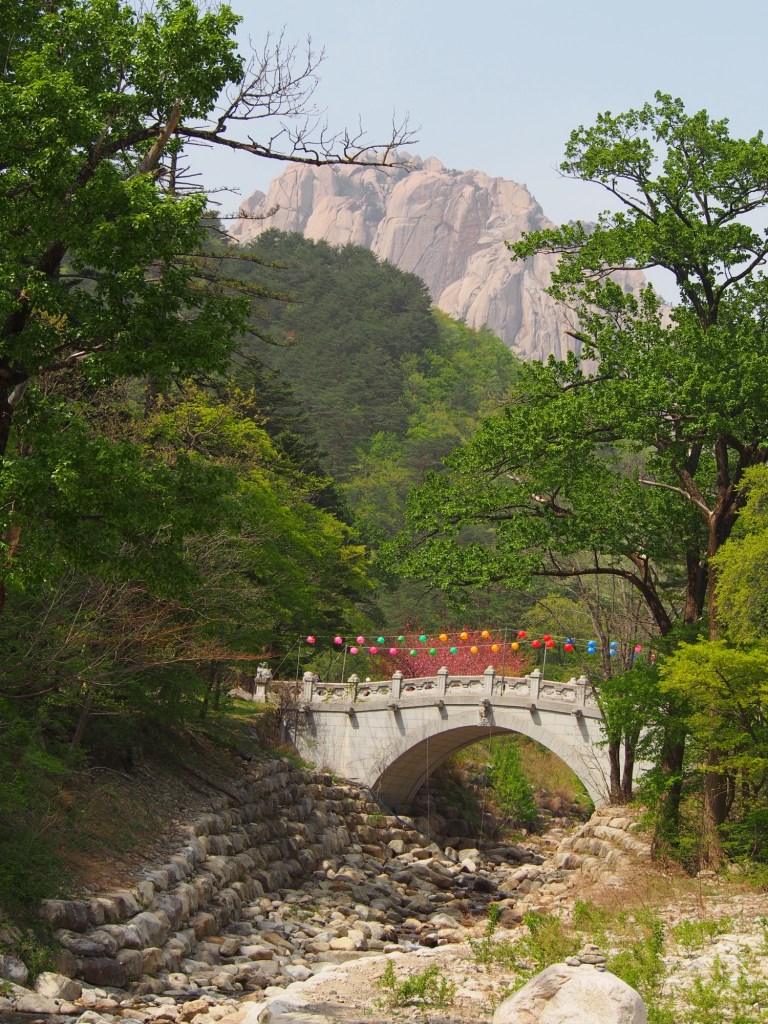
On the return trip we get some good views of the Buddhist Temple which we visit next. These buildings are so ornate compared to the Japanese Shrines we have seen. Colourfully painted, intricate carvings, colourful lanterns and prayer flags and a 50 metre high bronze Buddha dominate the area. This is the Unification Buddha and stands almost 15 metres high and weighs 108 ton.
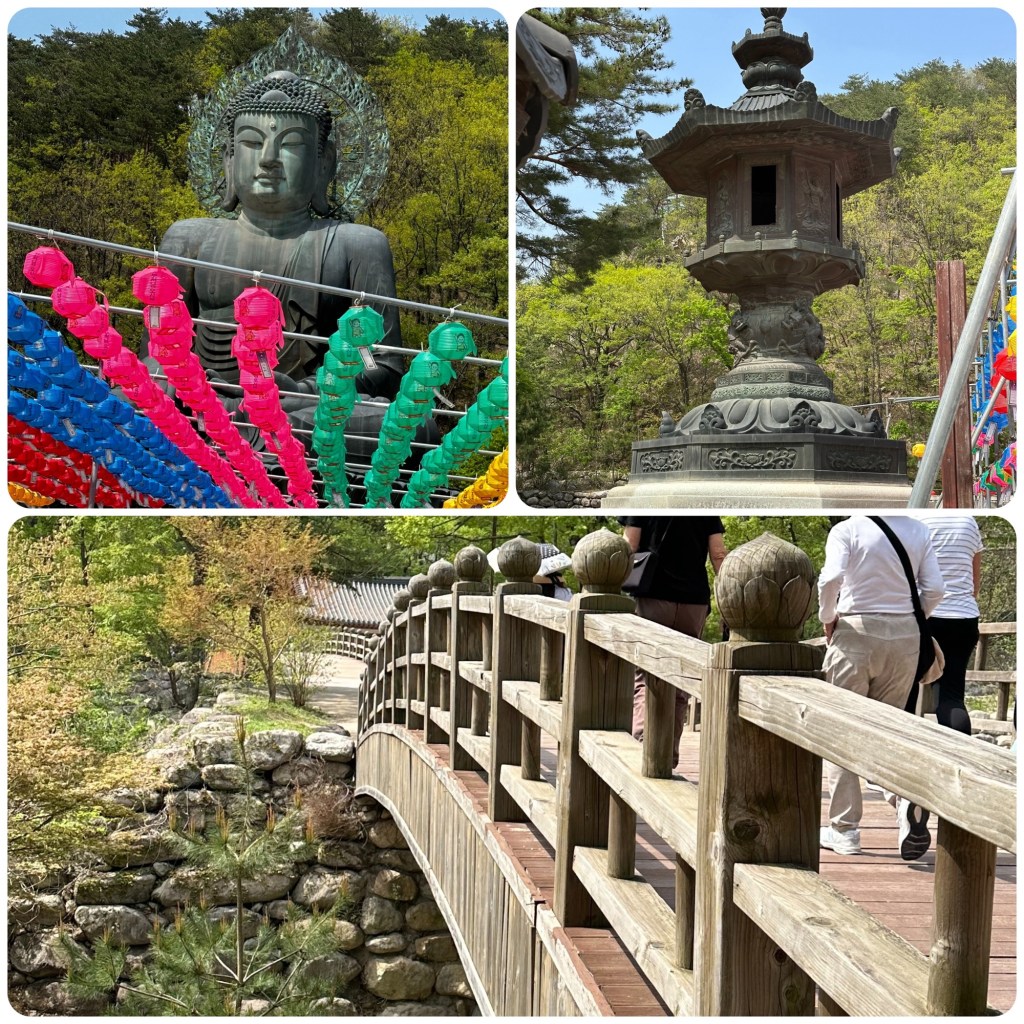
Buddha and surrounds
Decoration on the Temples

The Sinheungsa Temple was first established in 652. Its name and location were changed several times afterward. In 1644 the temple was moved to its current location and got its present name. During the relocation Stupas ( a structure containing the relics or remains of Buddhist monks) were gathered here in one place. There are 19 Stupas in total. (P:- It seemed I have been tricked into another ABS day! However it was very colourfully decorated (I am sure there is more meaning than just decorated) with hundreds of lanterns to celebrate Buddha’s birthday).

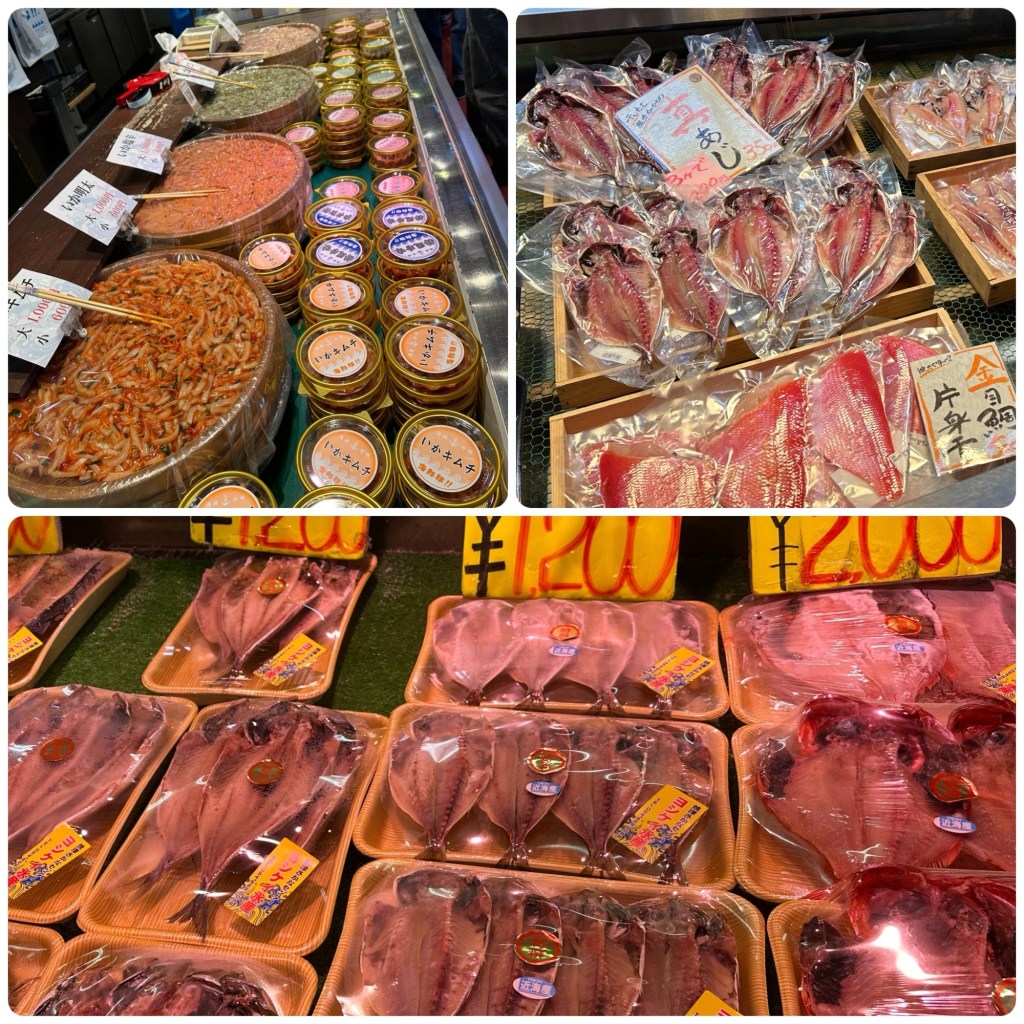
Back on the bus and we head to our lunch stop. We were in South Korea about 20 years ago and I hated the food then and my opinion hasn’t changed. I did not enjoy lunch. Rice, vegetables, kimchi, and other unrecognisable stuff. Not my favourite meal at all. ( (P:- When Judith visited South Korea with me on a business trip she didn’t mentioned it was in the midst of the Avian Flu Epidemic, there was no Chicken, Duck, related meat available which in turn made red meats to be in very short supply. With Judith’s dislike of pickled and spicy vegetables her 10 day vegetarian experience has left a lasting negative image of South Korean food!). After lunch we head to the local tourist and fish market. Certainly not as clean as the ones we have visited in Japan but still interesting. (P:- We walked thru a “faster food” area which appeared clean I found a stall cooking Squid and Potato Pancakes, I handed over a bit of cash in exchange for a few to sample. The new to us food was tasty, mildly spicy and enjoyable, another culinary first). From the market area we walk down to a local ferry to cross the river. Not your ordinary ferry, this one is man powered. A cable runs across the floor and a man hooks a rod onto the cable and walks the length of the ferry pulling the cable, propelling us across the canal. Once across the canal we wander down to the waterfront past fishing boats, backyards where they have fish drying outside and small gardens. We can see the Westerdam, about 500 metres away, but still have to board the bus to be returned to the ship. As we are leaving South Korea here we have to clear customs as we reboard.
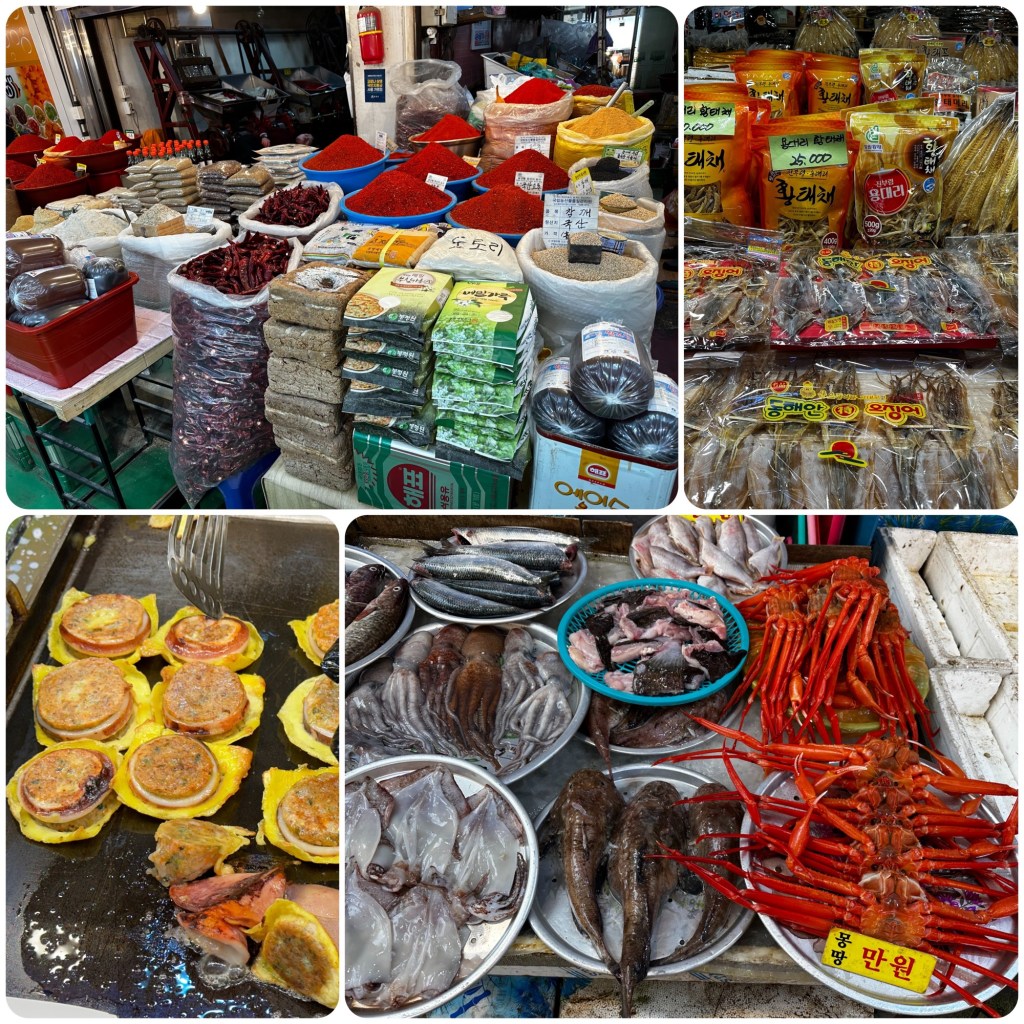
Fish Market
Backyard Fish Drying

Tonight we are dined at the Canneletto Restaurant. A very tasty meal, shrimp, veal and sage meatballs, and spaghetti with lobster tails and crab sauce. Finishing with a ricotta cheesecake and an Affogato for Philip. A lovely way to end the day.
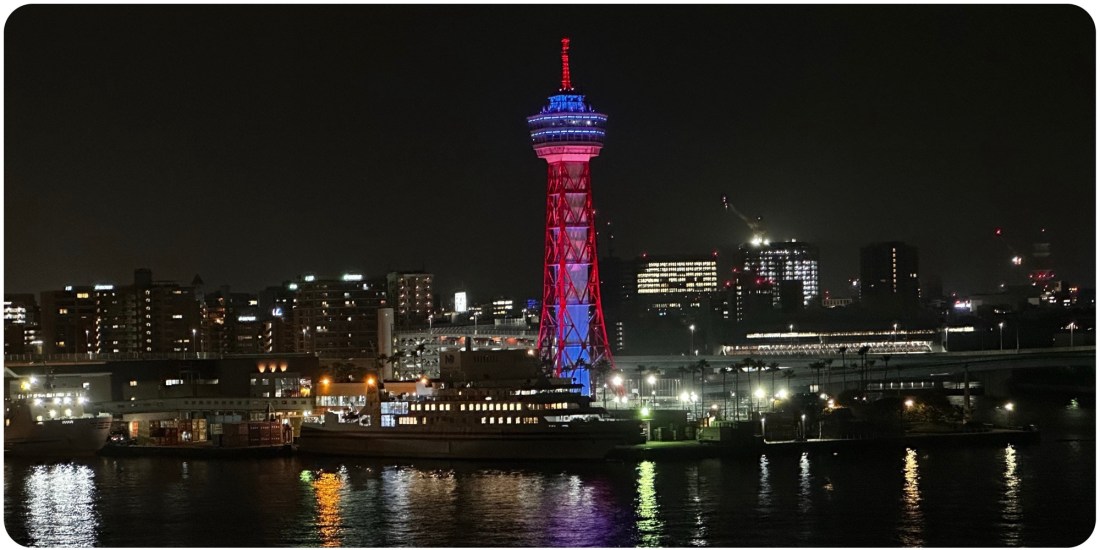
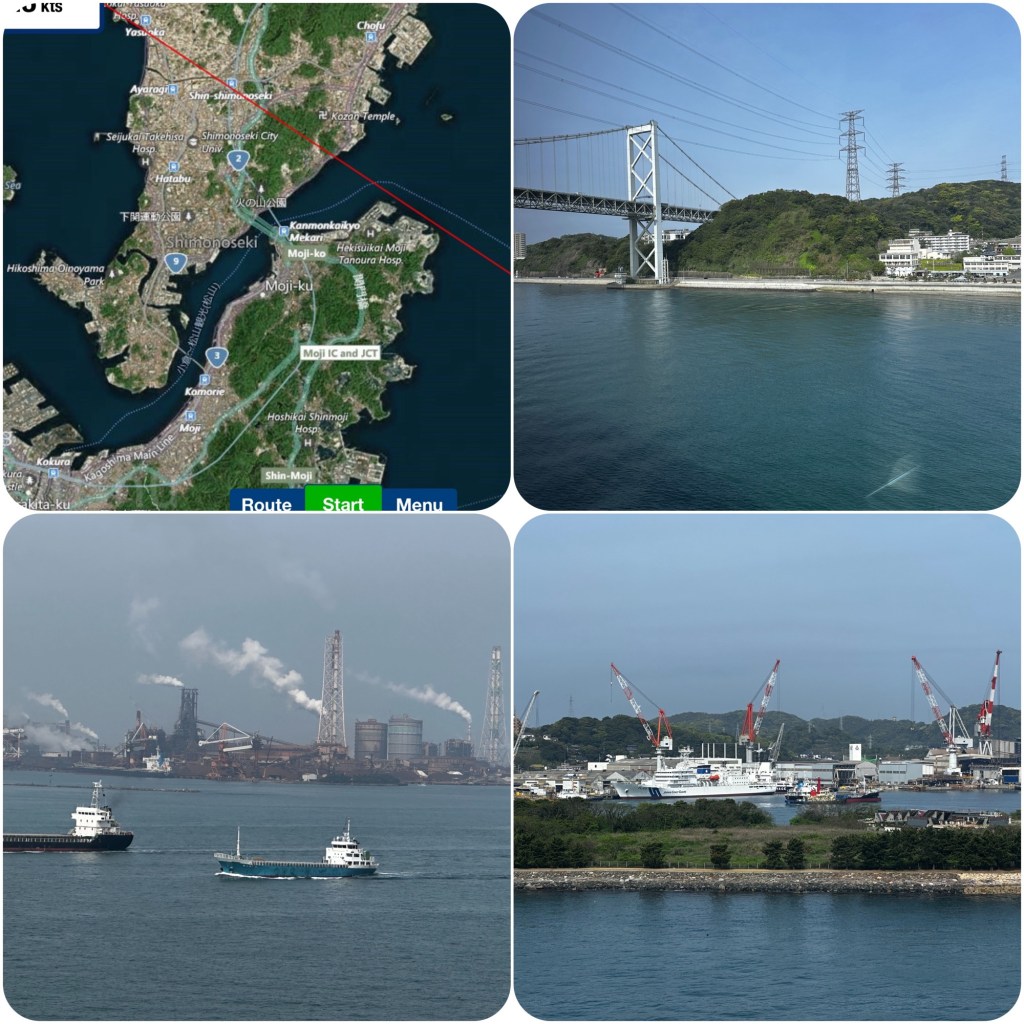
Kanmon Strait and Fukuoka

17-04-24

This morning is a cruising morning as we pass through the Kanmon Strait and into the Sea of Japan. Around 700 boats pass through here every day. This stretch of water separates the islands of Honshu and Kyushu, two of Japans four main islands. At the narrowest point the strait is about 620 metres wide and it takes almost 2 hours to pass through the area. The captain opens the Bow to allow for good viewing.

Kanmon Strait

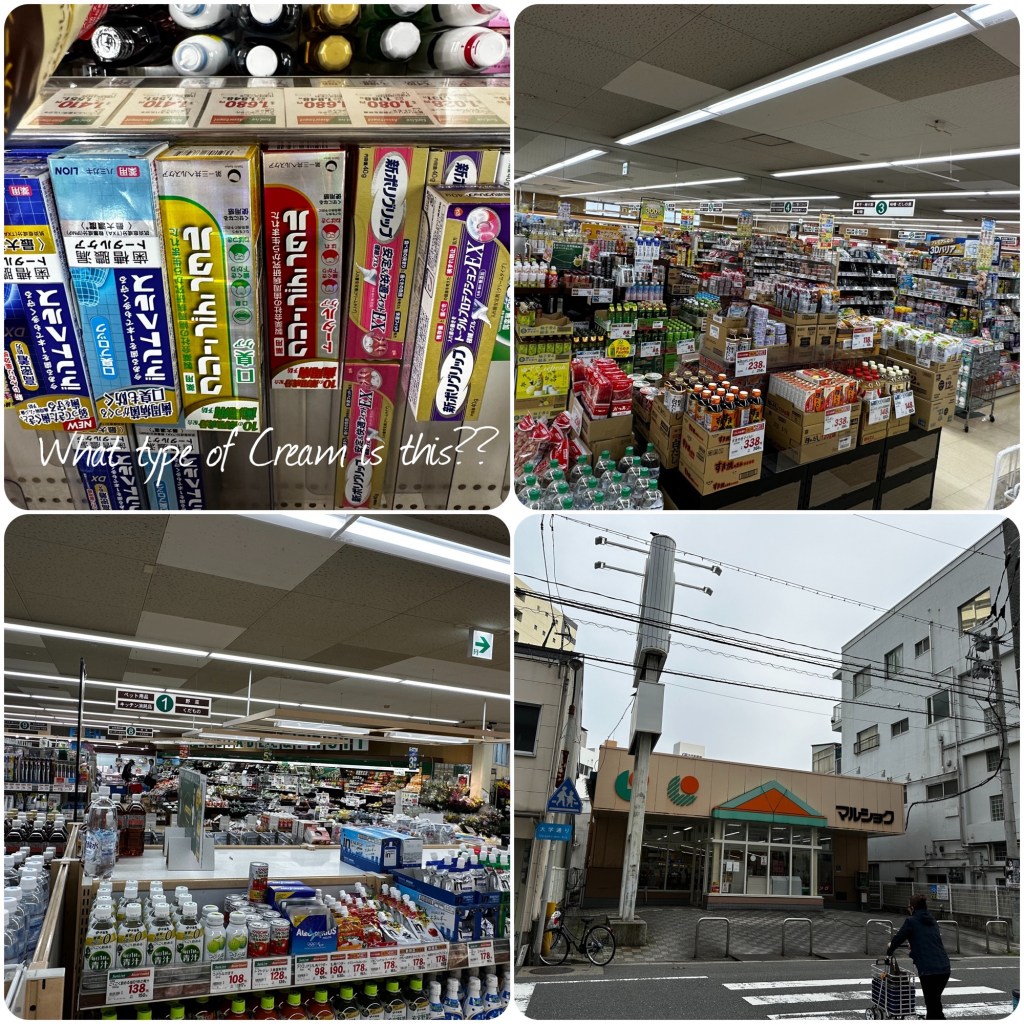
The area on both sides is very industrial and the pollution is very visible making every view very hazy. Smoke stacks billowing smoke almost continually along the way. (P:- Given we are in Japan I was very surprised at the pollution I haven’t seen smoke stacks like this in Australia to speak of for 25 + years. They also tell us some of the pollution blows down from China). Once through the strait we continue through the Sea of Japan to Fukuoka arriving around 3pm. Once docked we disembark for a walk around the local area. Veggie stalls, a local supermarket, (P:- Tooth paste was on the shopping list, we thought we found it but was really unidentifiable because of our lack of understanding of Japanese writing. After a discussion as to if the boxes were Toothpaste, Deep Heat or some type of Hemarodial butt cream it was decided to pass on the purchase!) a small marina and a recycling centre all within a few blocks of the port.

Local Supermarket

We return to the ship to prepare for a specialty dinner at “Morimoto By The Sea”, a pop up restaurant for tonight. We booked this before leaving home as it only happens twice on our 30 day trip. Masaharu Morimoto is a Japanese chef who was on the Iron Chef TV program. He is best known for his unique style of preparing food. The meal was delicious and the Chocolate Sphere Dessert was amazing to see but extremely rich and sweet. It was placed on the table in front of you and had hot caramel sauce poured over the top which melted the chocolate sphere to find a marshmallow ball inside. Quite impressive. The entree and main were very tasty as well. Prawns three ways, tempura, panko and grilled, chicken teriyaki and satay and sushi and tempura calamari and salad.

18-04-24

Fukuoka

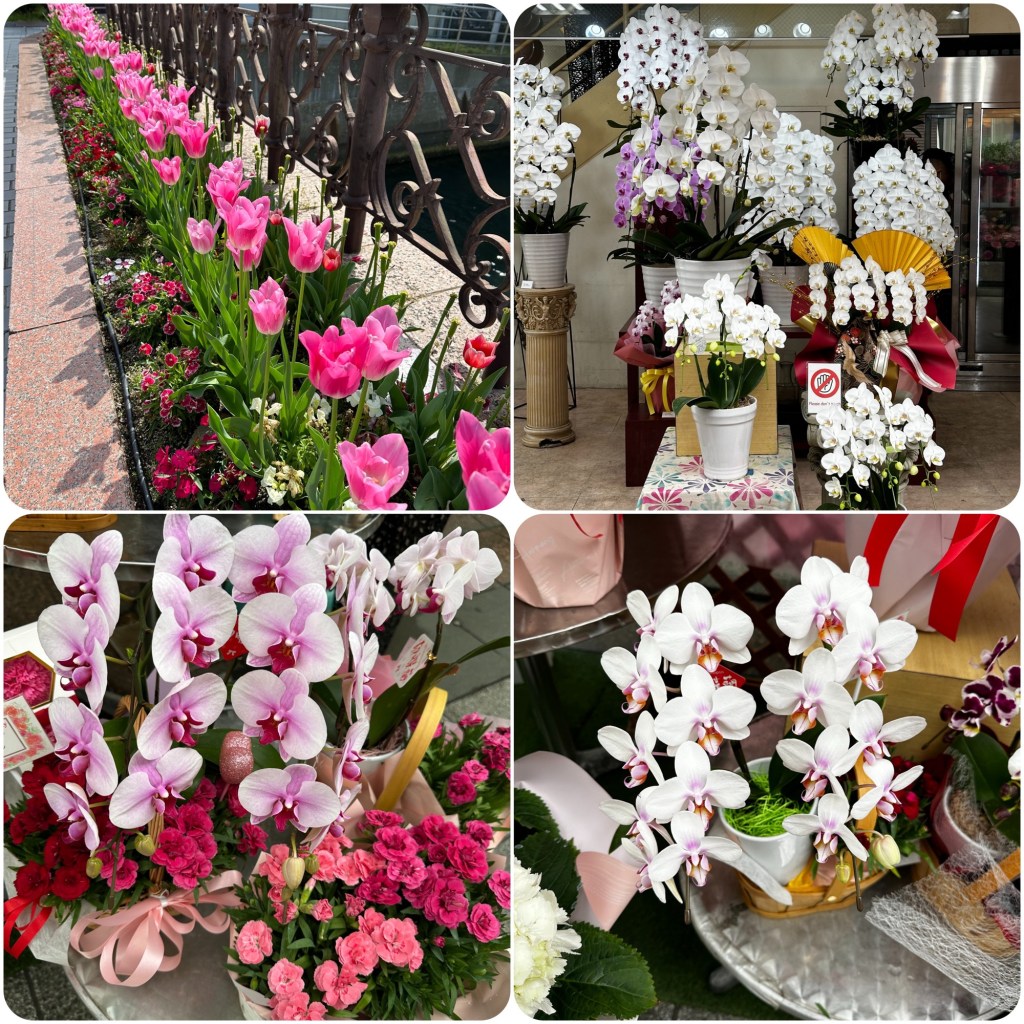
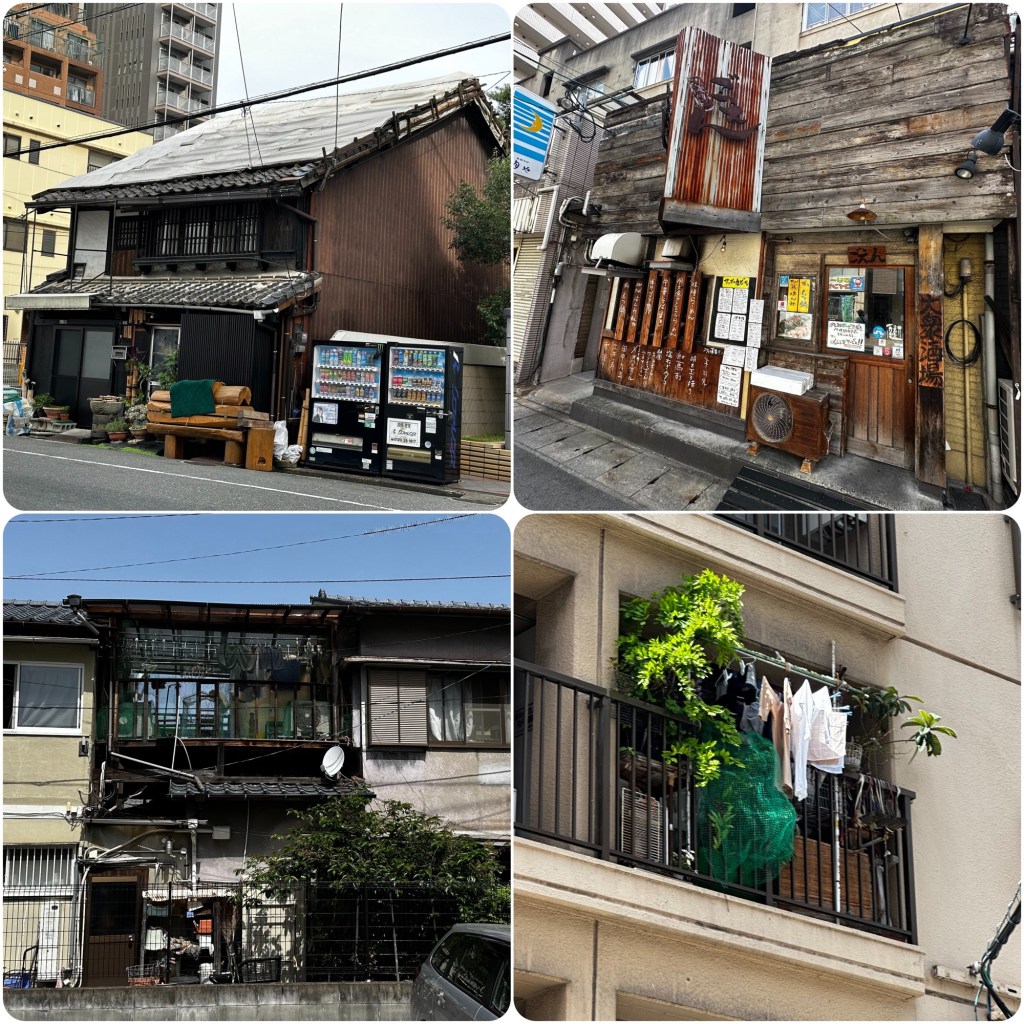
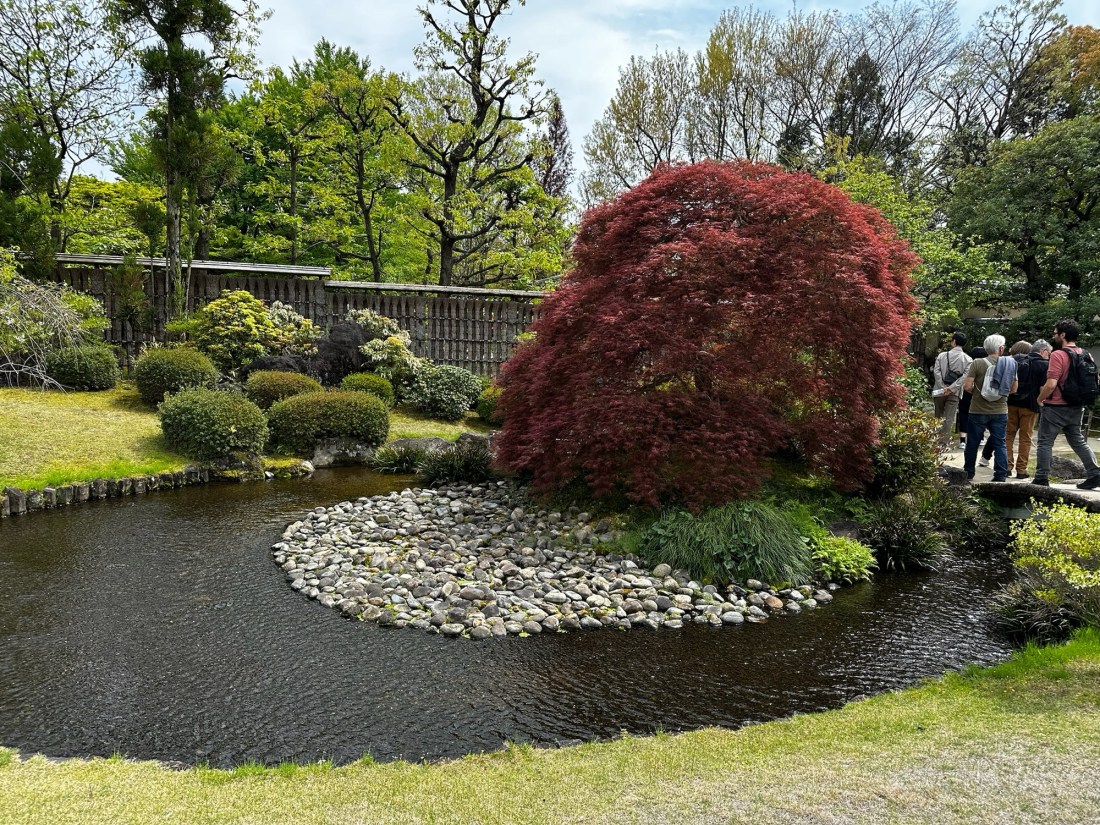
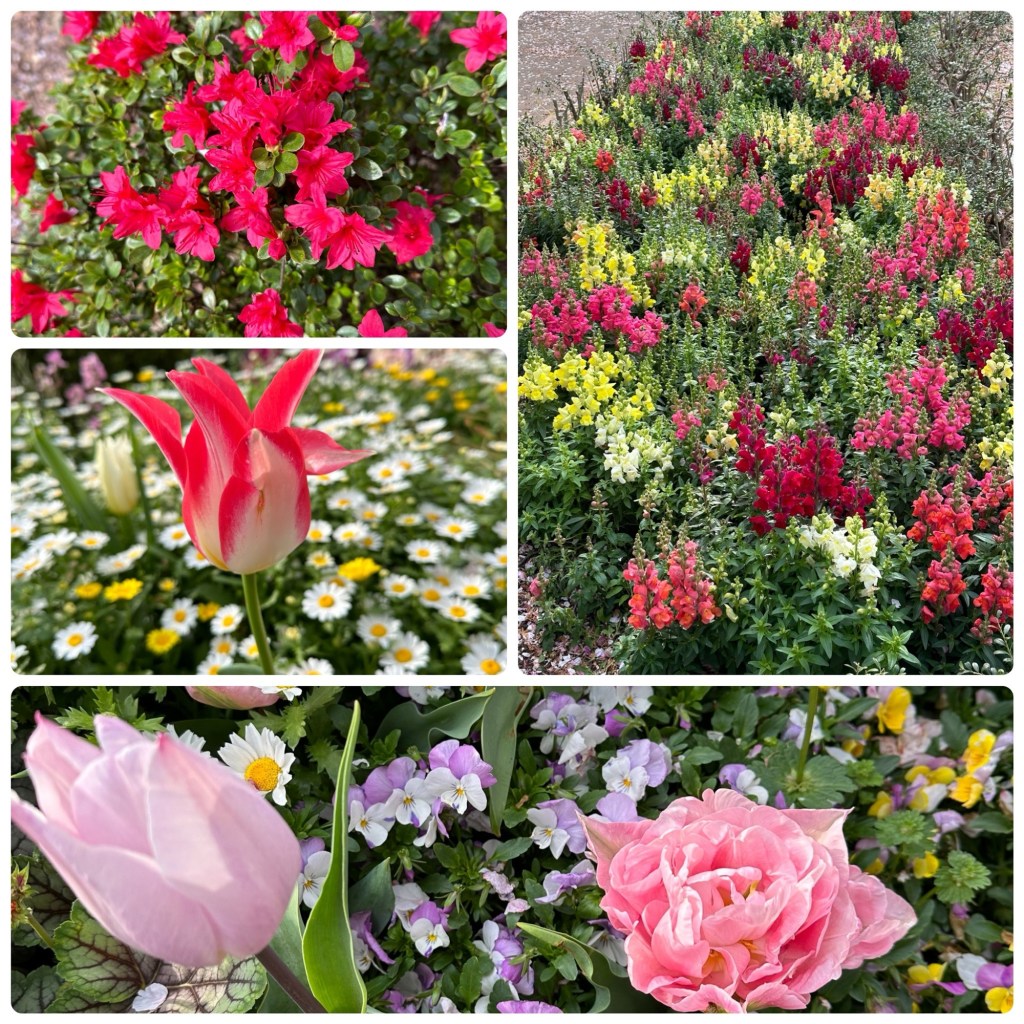
We are discovering the area today on our own. First a shuttle into the City Hall then a walk to Hakata Old Town. Lots of shrines, gardens, old gates and a shopping street. This area prospered as the Hub of Hakata, which was the largest trade Port city in Japan between the 13th and 16th century. Lovely garden beds line the main streets with a profusion of tulips, pansy’s, and daisys, making the streets look very much like spring has sprung.

Hakata Old Town
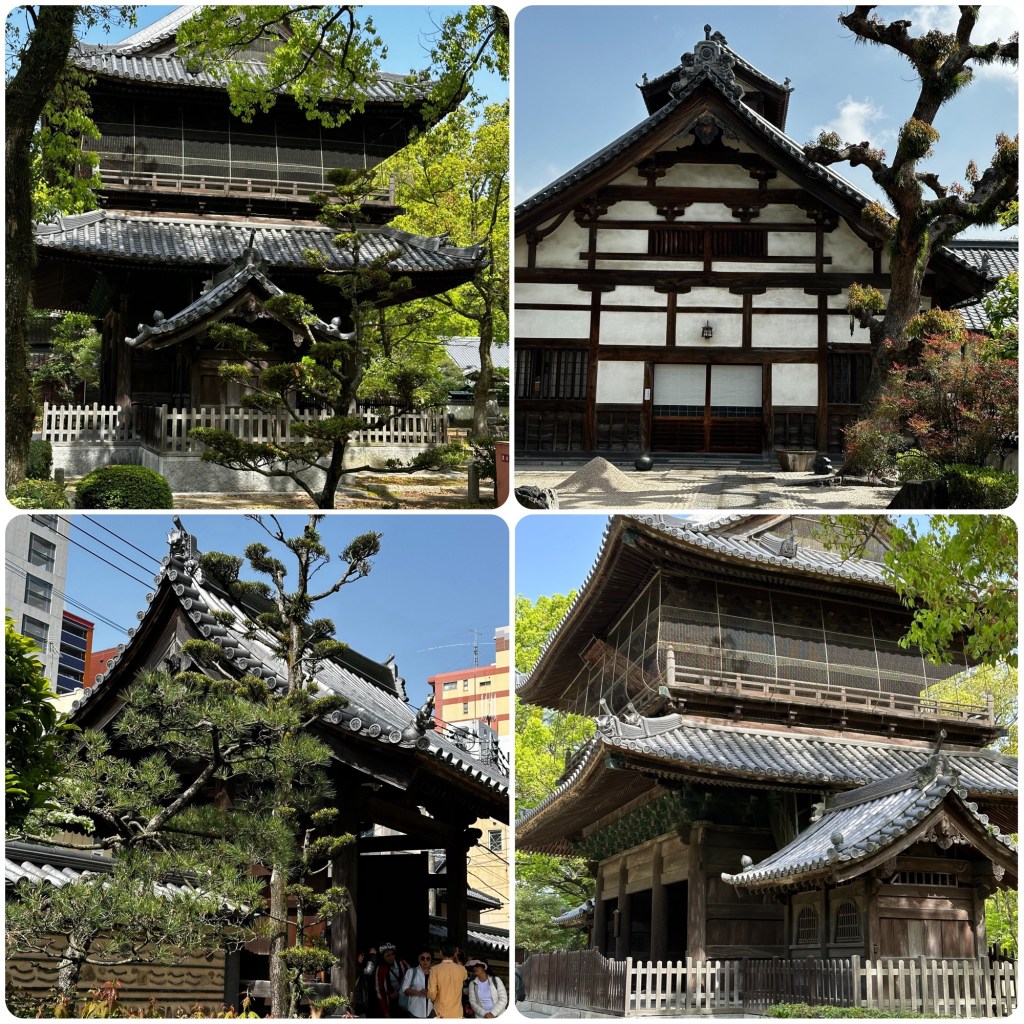
Shrines in Old Town Hakata

(P:- We seem to be having a few “Alphabet” days – 2 ABC days in a row and today was an ABS day, neither of which are Australian Government Business acronyms! Another Bloody Castle and now Another Bloody Shrine! As pretty as they are they all look similar to me. To make up for the architectural morning looking at Shrines in Old Hakata City I found a Wagu Steak Teriyaki Lunch bar. With a bit of sign language and interpretation we managed to order some Kobe Wagu Beef. There wasn’t a lot (weight wise) but plenty to sample and appreciate the taste of what is regarded as some of the most highly prized Beef globally. So how was it??? Flavour and texture wise would be as good as if not better than I have experienced before- in fact delicious! I guess it would want to be at around AUD $500 per kilogram ( we had about 100 gram ) what a fun, memorable experience. After lunch we bought 2 strawberries on a stick with a blob of sticky Bean Curd stuff! Surprise surprise they were delicious also, ( 2 strawberries for AUD $6.00).

Tepinyaki Lunch
Street Views

Castle Towns

15-04-24

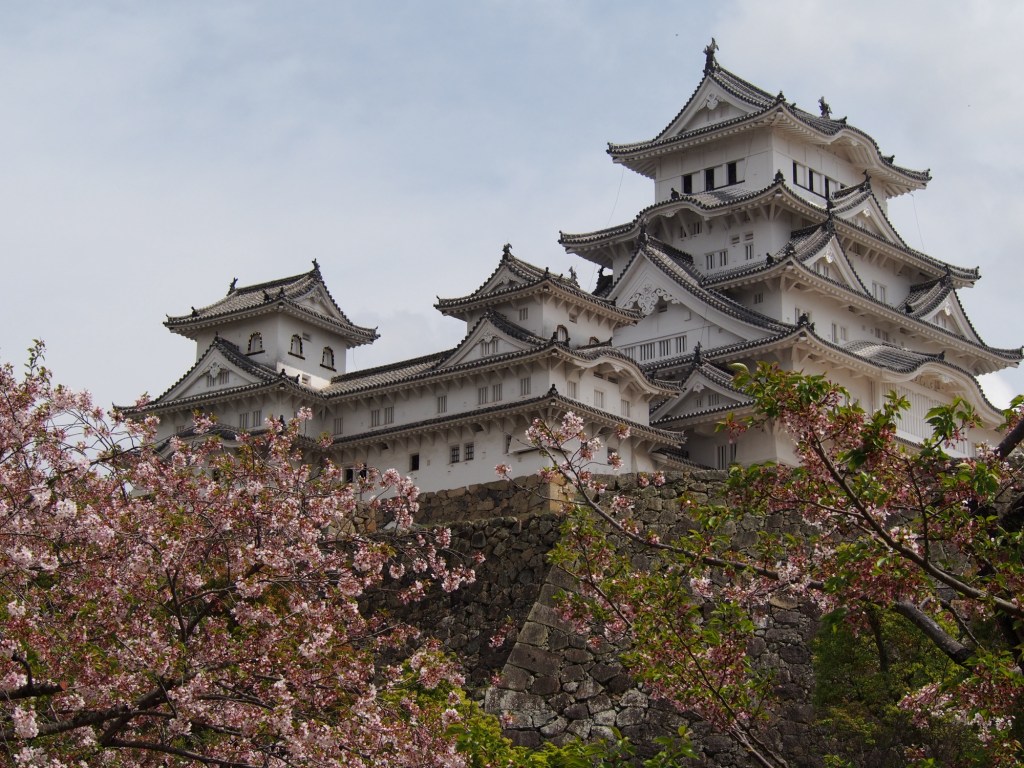
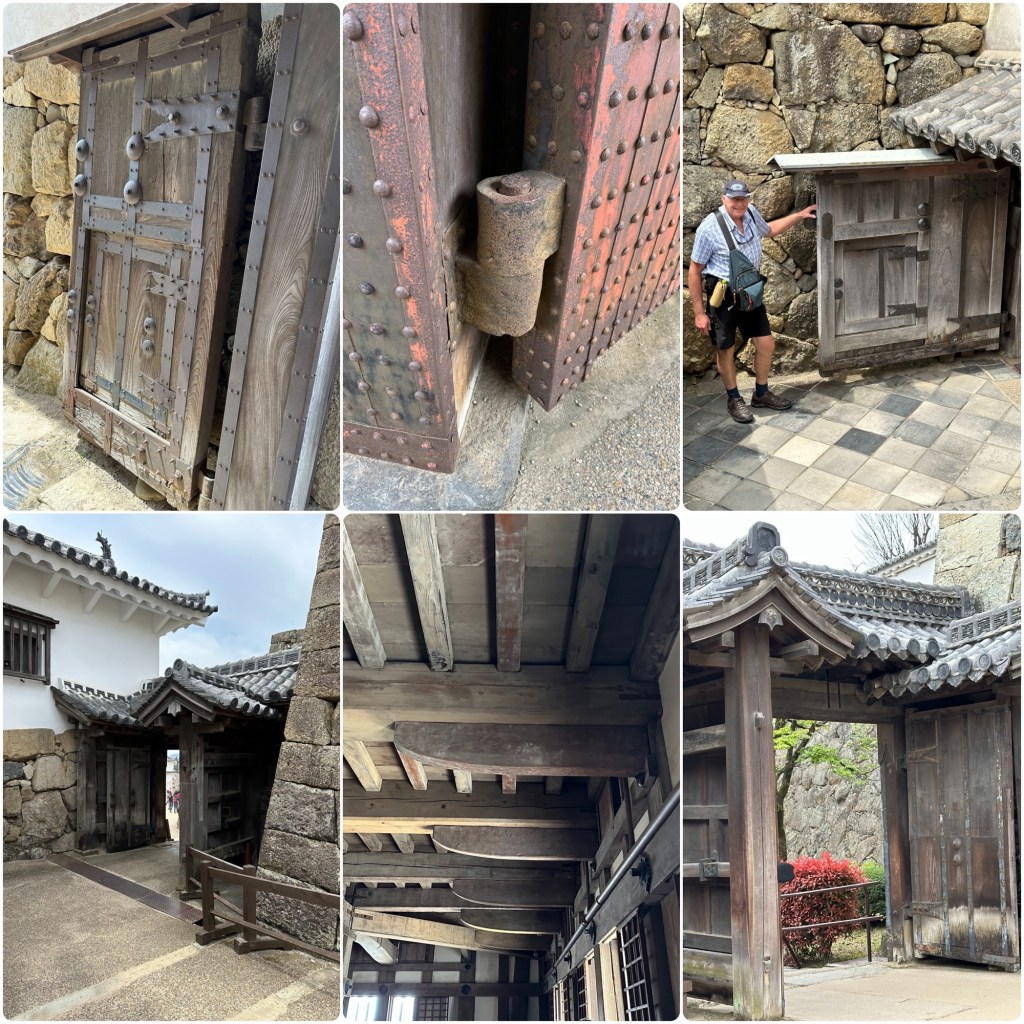
The UNESCO World Heritage Himeji Castle, also known as White Heron Castle for its soaring Keep and white plaster walls is our chosen destination today. Just over an hours drive away it is Japan’s most visited castle. The main Keep, (highest part) was built in 1601 and is one of the oldest surviving in Japan. Because the castle was never besieged, bombed or burned, more of the buildings have survived to the current day. The castle comprises a cluster of keeps, surrounded by rings of fortifications called baileys. The only stone structures are its foundations. The buildings are made mostly of wood, earth and plaster. Some of the huge doors and gateways were very impressive, with massive metal hinges and locks.

Himeji Castle, Kobe
Timber Door/Gateways and Interiors

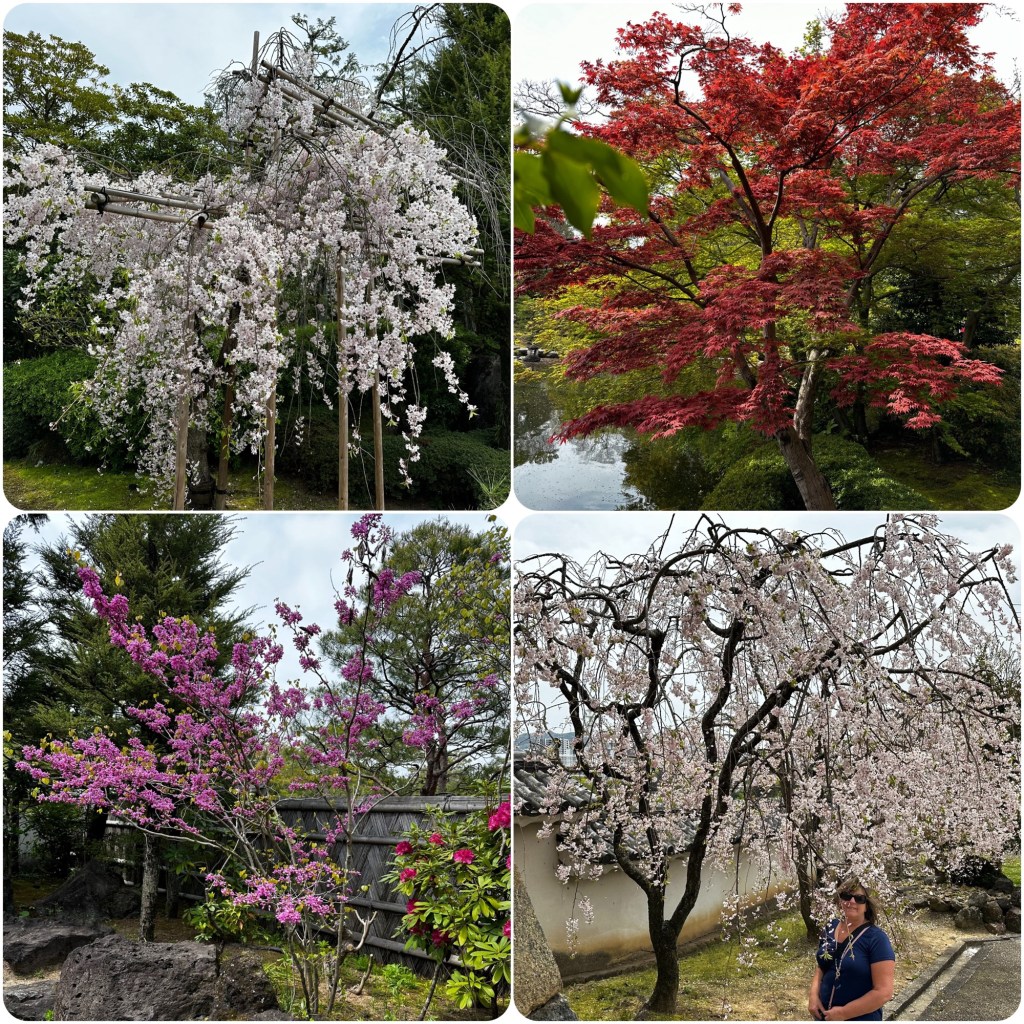
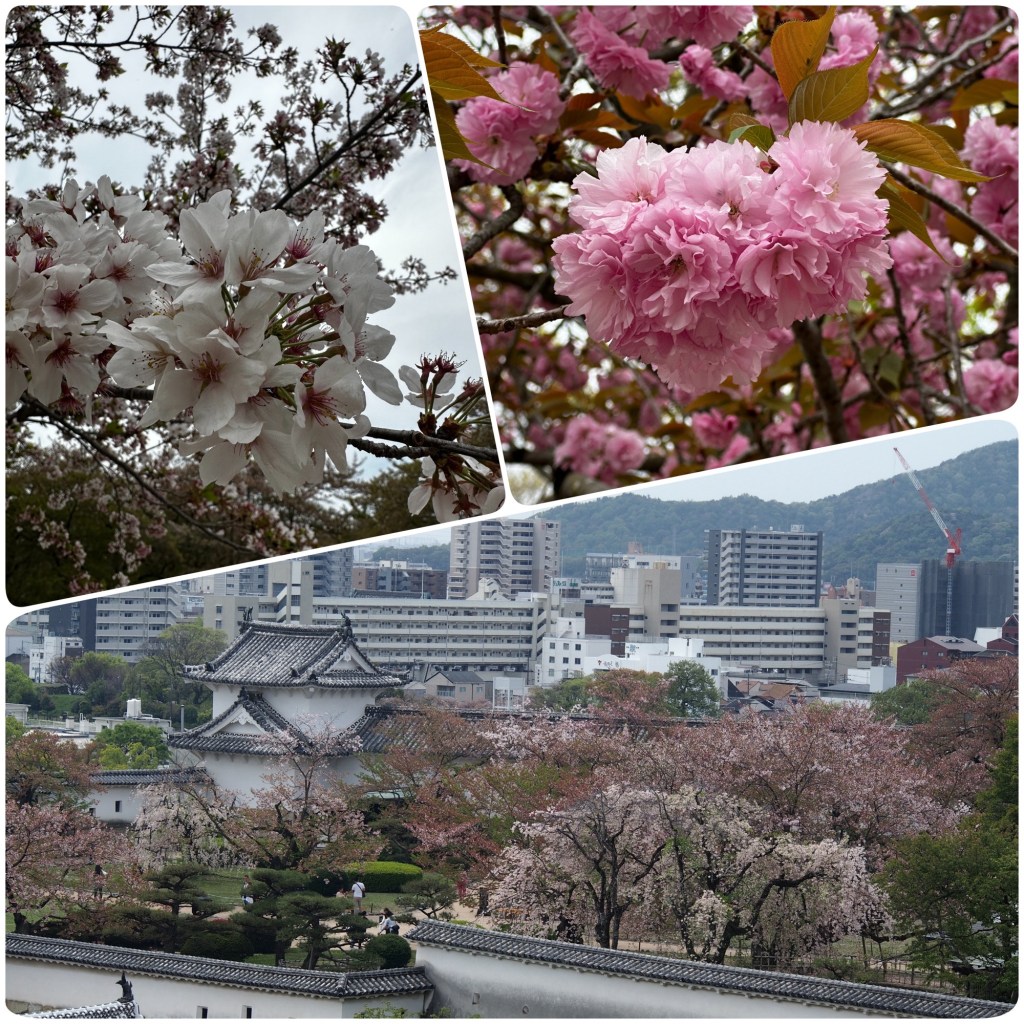
The surrounding Cherry Blossom trees, although past their prime by a few days, are still beautiful and the falling petals form a carpet of white and pink on the ground.

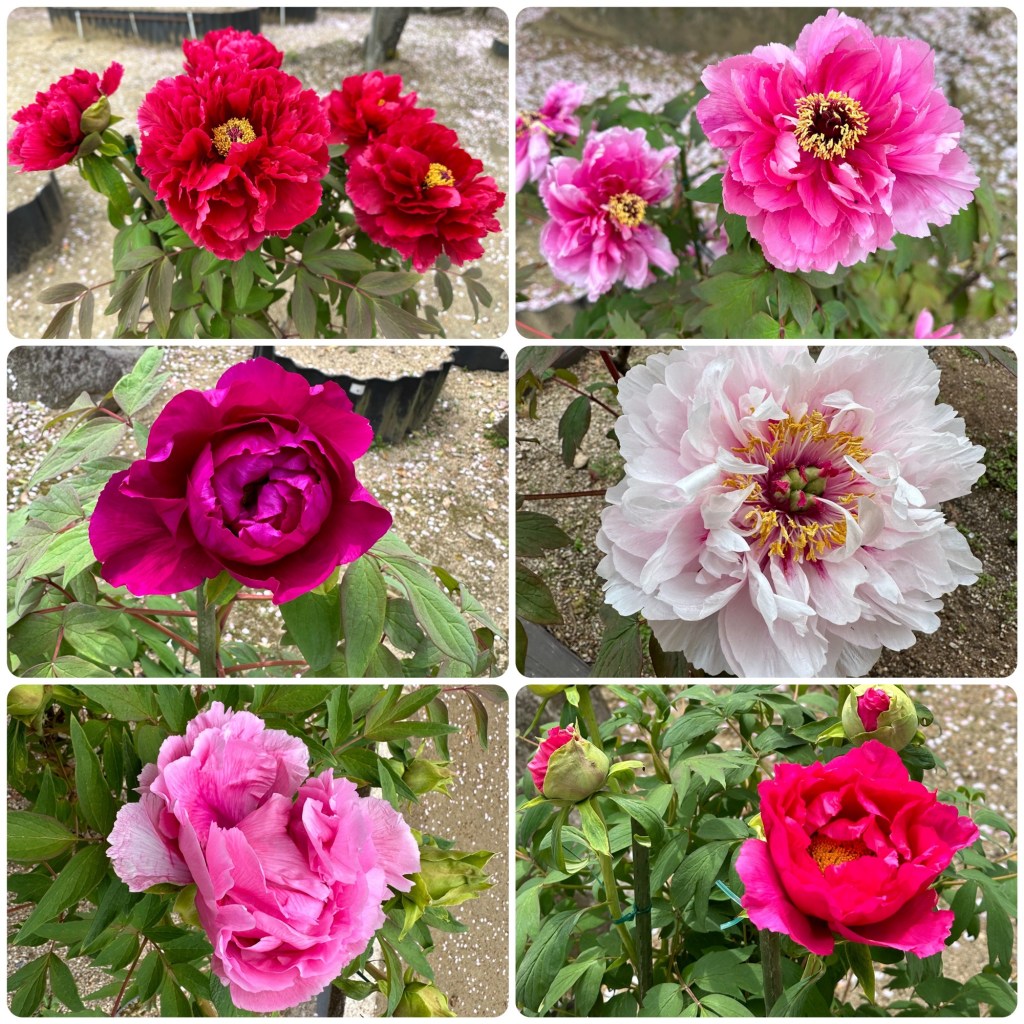
We stopped by the Peony garden which will be outstanding in a couple of weeks time as they are only just beginning to bloom.

Peonies just starting to Bloom

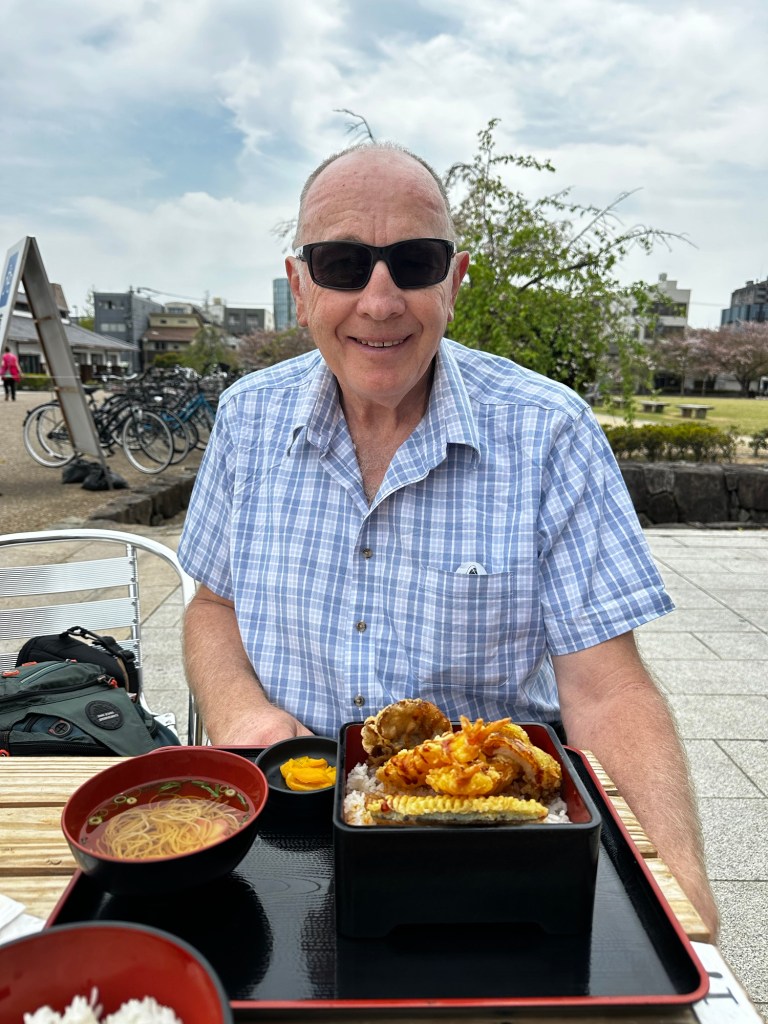
Had a wonderful lunch at a local Japanese cafe just outside the castle gates. Philip had tempura prawns and miso soup and I had chicken and miso soup. Both very tasty dishes.

(P:- Kobe, the port city we are docked at, is famous for its “Kobe Beef” Quite a trade off for me to forego a Kobe Beef Lunch to go look at an old Castle! But after visiting the castle I would have to say it was impressive!)

Blossoms at Himeji Castle

16-04-24. KOCHI

Free do-it-ourselves day today. Especially for Philip with just me as tour guide. Once we are docked around 8.30 we organise ourselves and head down to disembark and catch the shuttle into central Kochi, about a 30 minute ride. As we leave the port area we are straight into green houses and rice paddies. The rice is more advanced here than earlier in the trip.

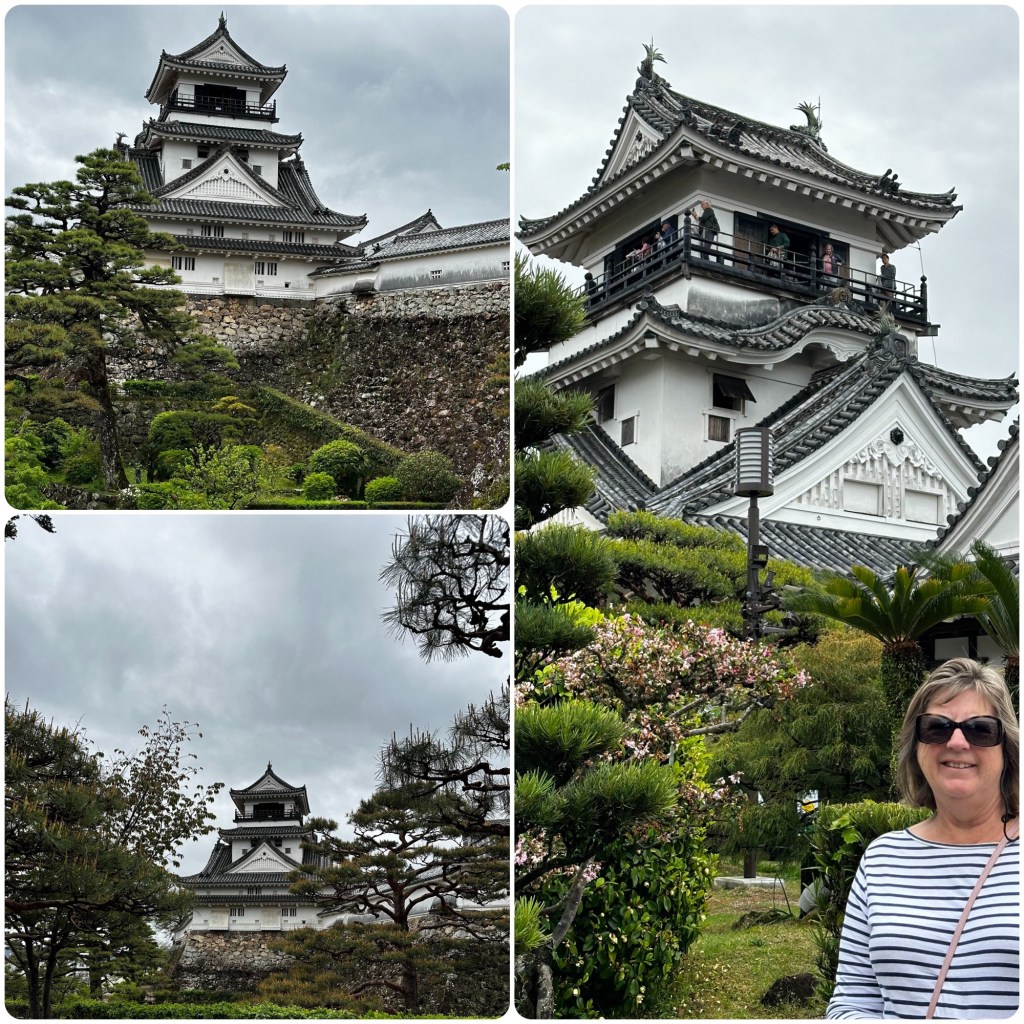
Once we disembark at the Harimaya-Bashi Bus terminal we pick up a town map and start walking. Because we are early and the shops/market aren’t open, we wander up to Kochi Castle. Built along the same lines as the Himeji Castle. Built on a small hill overlooking the city, with numerous steps winding up to the main Keep. Again it’s very picturesque with azaleas starting to bloom all around the castle walls. The castle construction was begun in 1601, with the main structures completed two years later, but it took 10 years to complete the whole castle complex. In 1727 most of the castle was destroyed by fire. In 1753 it was rebuilt in the original style. Kochi castle is one of 12 remaining in Japan.

Kochi Castle

(P:- TWO castles in TWO days! For a guy like me with all but no Cultural appreciation interests that is about enough for now! They are beautiful but the gardens surrounding them are more beautiful. I am really enjoying the gardens Spring is about to burst in a couple a weeks and the gardens would be even more fantastic. I am hoping that Judith doesn’t get ideas from the Japanese on gardening techniques! Everything is too straight, too formal, too trimmed, too weeded and way too much structure for my chainsaw and weed eater gardening style! I almost felt ill when I saw a couple of gardeners weeding the lawns— on hands and knees with Tweezers! )

After leaving the castle grounds we walk down to Hirome Market. This is known as one of Kochi’s best places to eat. It’s a large hall filled with food vendors and large communal places to eat. You certainly have a variety of choices from nori tempura, tuna, chicken, vegetable and fruits and Bonito Tuna being seared over burning straw. Of course we can’t walk through and not try something so some Seared, salted Bonita (Tuna) is purchased. It is barely seared on the edges and raw in the centre. Served with wasabi and garlic. Surprisingly very tasty.

Hirome Market

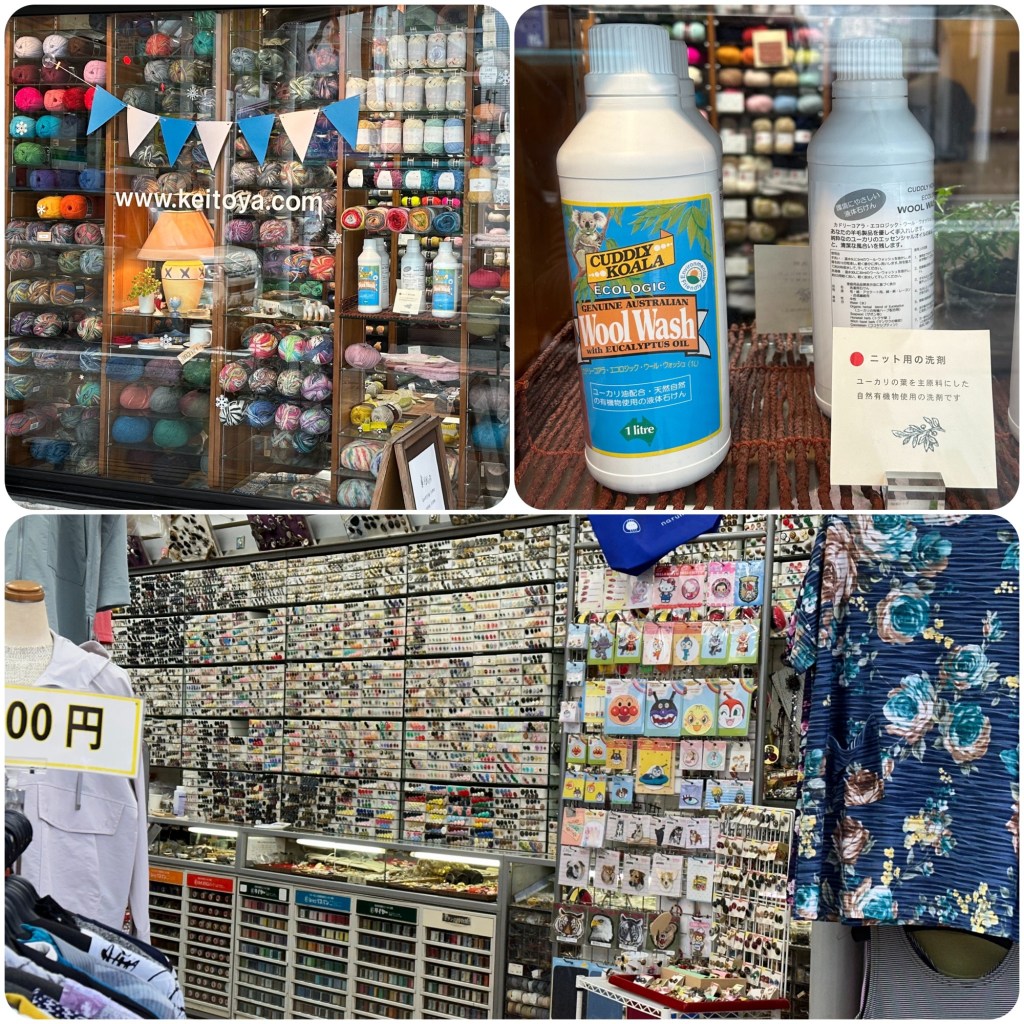
From Hirome we wander through Obiyamachi, Kochi City’s central shopping arcade. Along the way we spot a shop selling buttons, threads and fabric oddments then just around the corner a wool shop. Mostly imported wools. Even some eucalyptus wool wash from Australia. Further on a beautiful Bridal Kimono Shop. Lots of small clothing and souvenir shops and a Diamaru Department store where we head down to the basement to check out the food department. Not as flash as Isetan in Shinjuku but worth a look.

Bridal Kimonos
Button and Wool Shops

It’s now past lunch time so we find a traditional cafe and take a seat. Full of locals, No English menus or speaking here. Luckily they have photos on theirs menus so we pick something that looks good and hope for the best. Green tea, chopsticks and a moist towel are delivered first, then small dishes with soy sauce and soy sauce and lemon mixture. The lady sitting at the next table tells us that the soy is for the raw fish and the soy and lemon is for the fried food. When our meal is delivered it’s bigger than expected but looks good. Raw tuna, salmon and rice, fish and rice, crab claws, shell fish, tempura prawns and more. It all tastes delicious and is very filling. After lunch we head back to the bus terminal and back to the Westerdam.

Japanese Lunch

Things I’ve discovered about Japan so far.

Everything is beautifully clean

Even the trains floors are highly polished

Everyone is very polite and happily greets you

Women are beautifully dressed. No daggy jeans or skin tight leggings

Men are smartly dressed, suits or smart clothes, no butt cracks or jeans round the knees here

(P:- Judith forgot to mention the heated public toilet seats and also the ditch squat toilets. All immaculately clean just different to the norm for us.)

Also the public toilets that play babbling brook music while you pee. (Incentive I guess)

Tea Plantations, Shrine and Fish Market

14-04-24 Sunday

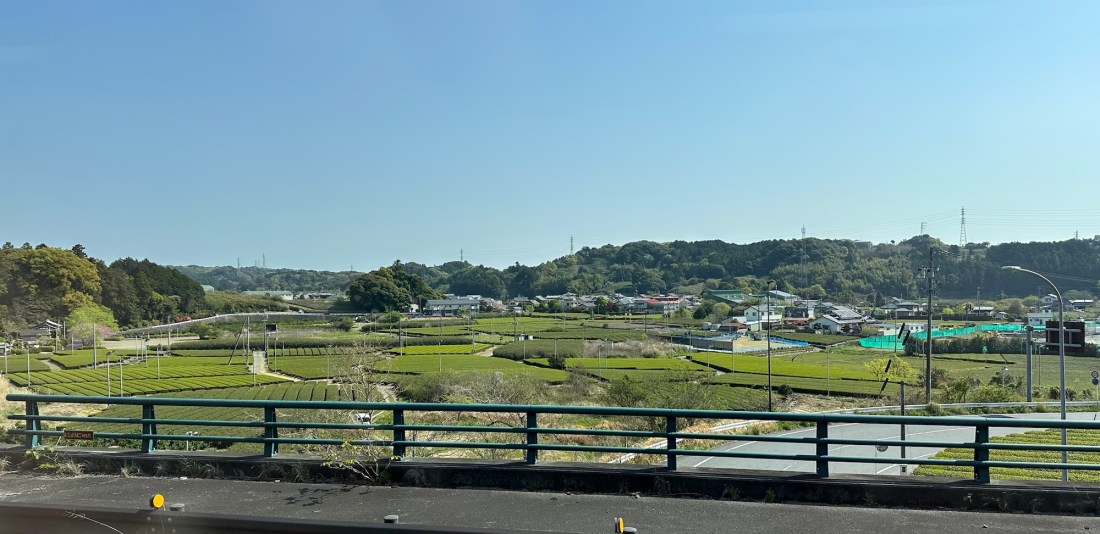
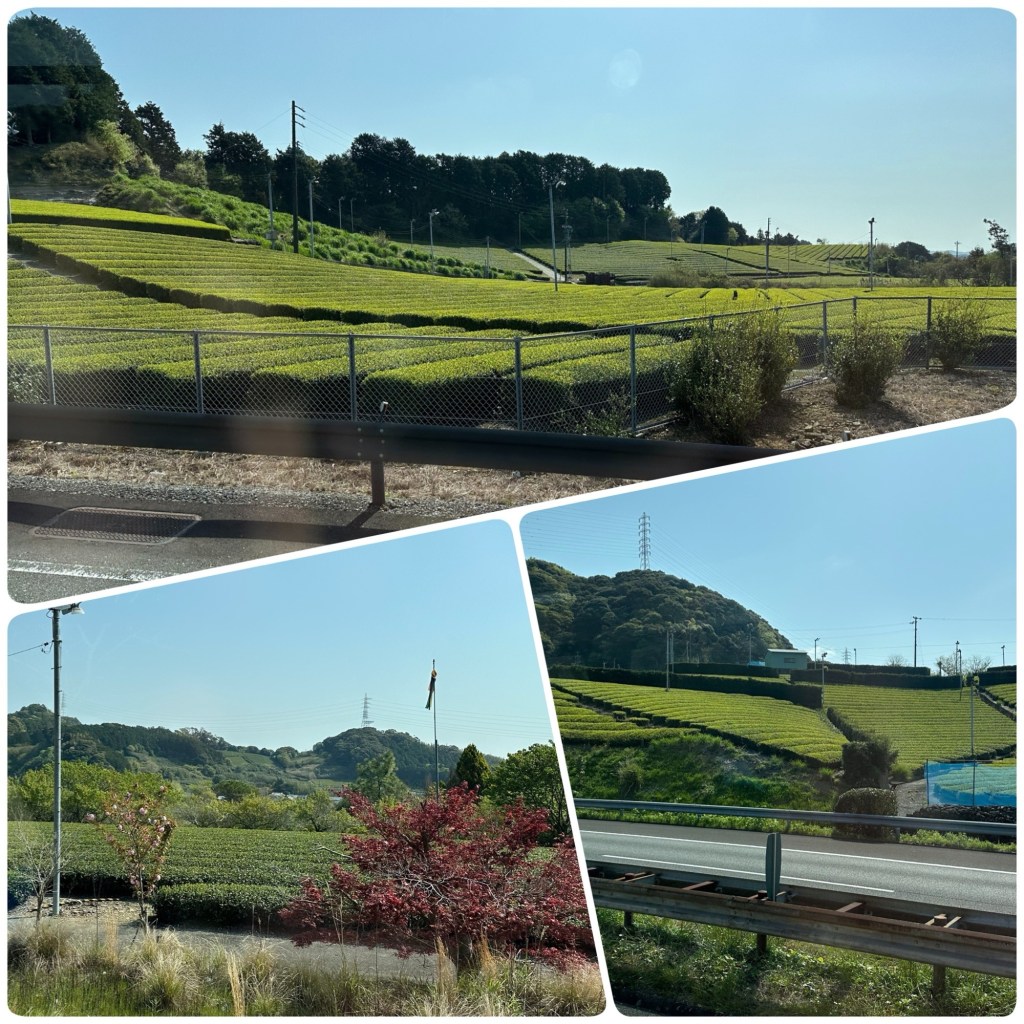
We are docked at Omezaki at 6.30 am this morning and it looks like we will have a lovely clear warm day for our first tour. We are greeted on shore by the local drummers and many flag wavers as we dock. Our tour departs at 8.30, so an early breakfast and then down to collect our tour details and to board the bus. We are driving about an hour out of the port and almost immediately the port area changes to tea plantations. (P:- to be more precise GREEN tea plantations! I have finally found a positive for Green Tea! The plantations are aesthetically beautiful, precise, well manicured added to that we drive thru freshly planted rice paddy’s, vegetable plots and even some early onions-a beautiful road trip). Tucked away on terraced hillsides, beside the Highway, between houses and alongside creek beds. They are very picturesque as they are highly manicured into even rows. This area is renowned for its Green Tea throughout Japan. Also mixed with the tea plantations are small rice paddies, most not planted out yet, and greenhouses.

Tea Plantations
Rice Paddies and the Strawberry Coast Glasshouses

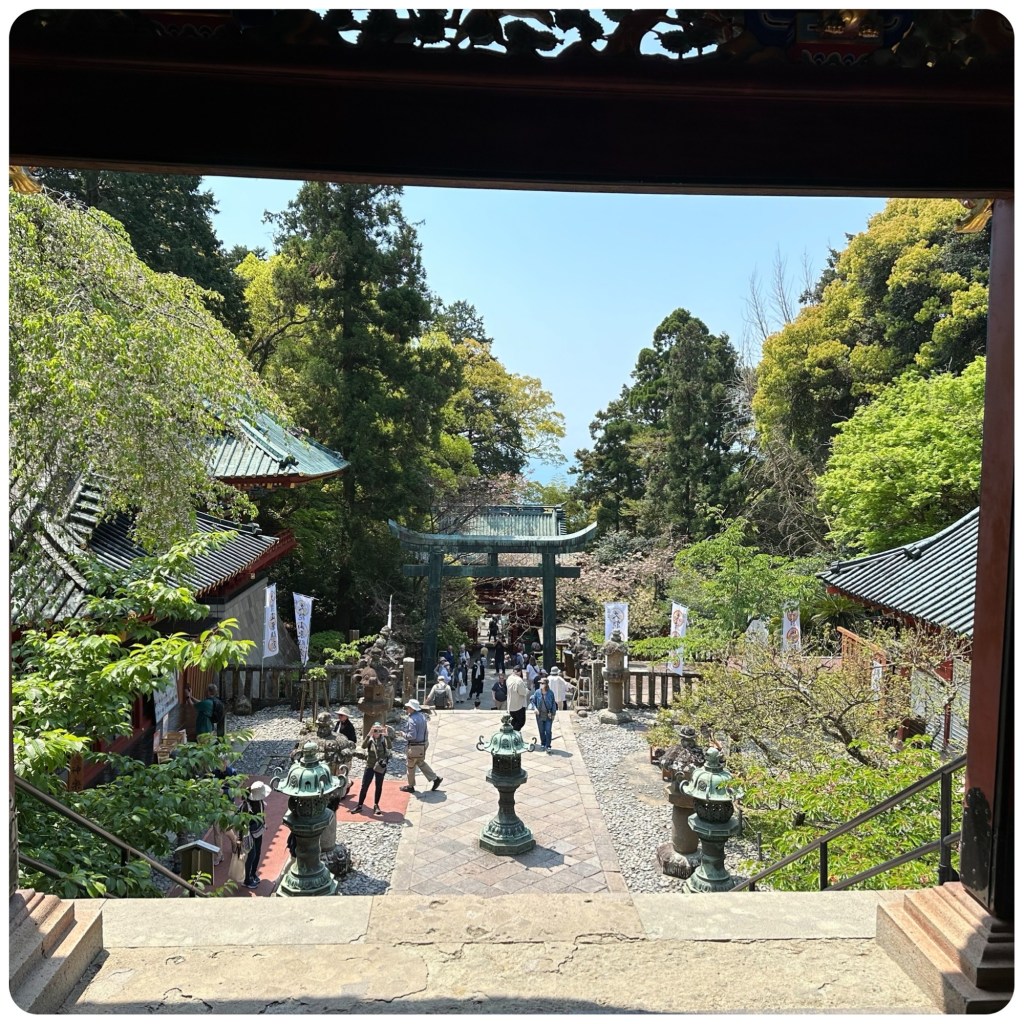
Our first stop is the Nihondaira Ropeway where we ride the cable car across the valley to the Kunozan Toshogu Shrine. This shrine was built in 1617 for Ieyasu Tokugawa. This area is considered a national treasure. Lacquers and gold leaf were generously used to give these buildings their splendid appearance. From the Ropeway stop there are multitudes of steps to climb to reach the top and every step is a different height or shape. Makes climbing interesting. Thankfully we didn’t have to climb the 1000 steps from the base of the mountain to reach the top. (P:-the only not precise, numbingly accurate thing I have noted so far are the steps, hundreds of them all shapes, step rises and pitches, one has to watch every step to avoid a potential Japanese medical emergency). The area is very beautiful and the buildings interesting. The buildings are all original and are repainted and relacquered every 50 years. Back on the cable car to return to the car park. Next stop is the observatory just around the corner. Great views of Mt Fuji from here, when there is no pollution haze (P:- we were told the pollution is courtesy of China and it drifts across in certain winds – Must be bad in China!) or clouds. We could see the top for a few short minutes but too far away for photos. Lucky we saw her on the last tour.

Kunozan Toshogu Shrine

From here we wind our way back down the mountain and along the Strawberry Coast. This is a tiny stretch of land along the coastline crowded with plastic tunnel houses for growing strawberries. They inch there way up the hillsides. Where ever they can get a grasp on the land. There are suppose to be very delicious strawberries.

View down the steps at the Shrine

Next stop is the Yaizu Sakana Centre. Sakana means fish, so we are visiting the local fish market.

All types of fish are on display here and some are available for tasting. Philip tasted a couple before we purchased some Sashimi to enjoy before reboarding the bus. It tasted great and we wished we had purchased two. Unfortunately we only had half hour here to look around and it really wasn’t enough time but the ship departs at 3.30 so we have to make our way back to port.

Fish Market Display

After boarding we spend some time on our balcony watching the crowds of locals who have come to wave us off. The drummers are back and the local mayor makes a speech to thank us for visiting and wishes us a great cruise. Kids wave flags and family’s wave us away.

Now to relax for a few hours before dinner.

(P:- The drum bands are precise ( surprise surprise) and extremely loud- ear plugs in the pocket ready for action are standard equipment for me here!

Back on the Westerdam we enjoyed a private spa session which we purchased and we can use every day of our cruise, Dinner of Escargot, Fillet steak and fresh vegetables and a dessert we didn’t need. We have a permanent booking in the dining room by a window for a table of two. We learnt early in our cruise life that random dining at a mixed table of 8 or 10 wasn’t for us – too noisey and I don’t care to listen to everyone outdoing each other with who has the “biggest” of just about everything. Dinner for two with Judith suits me just fine).

Green Tea Displays

Up Market Shopping

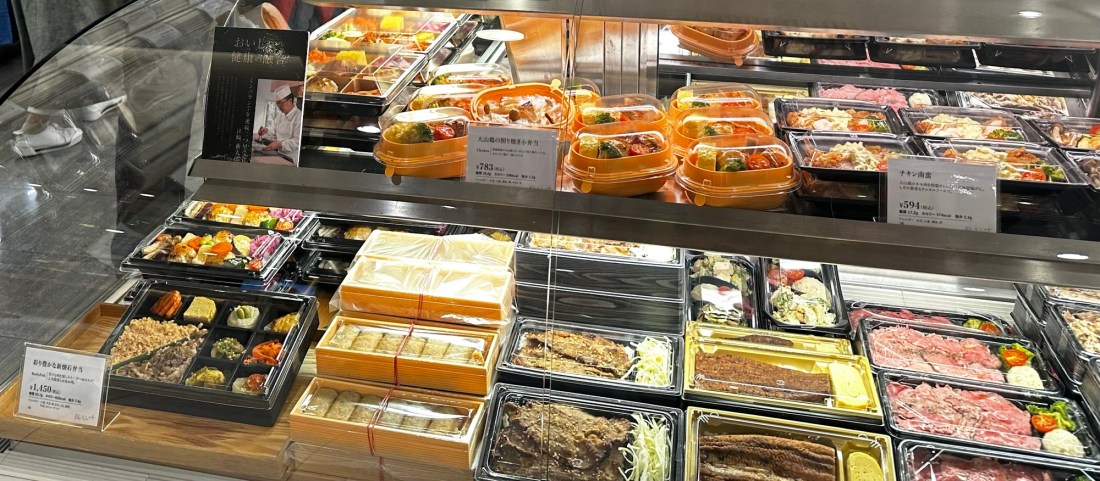
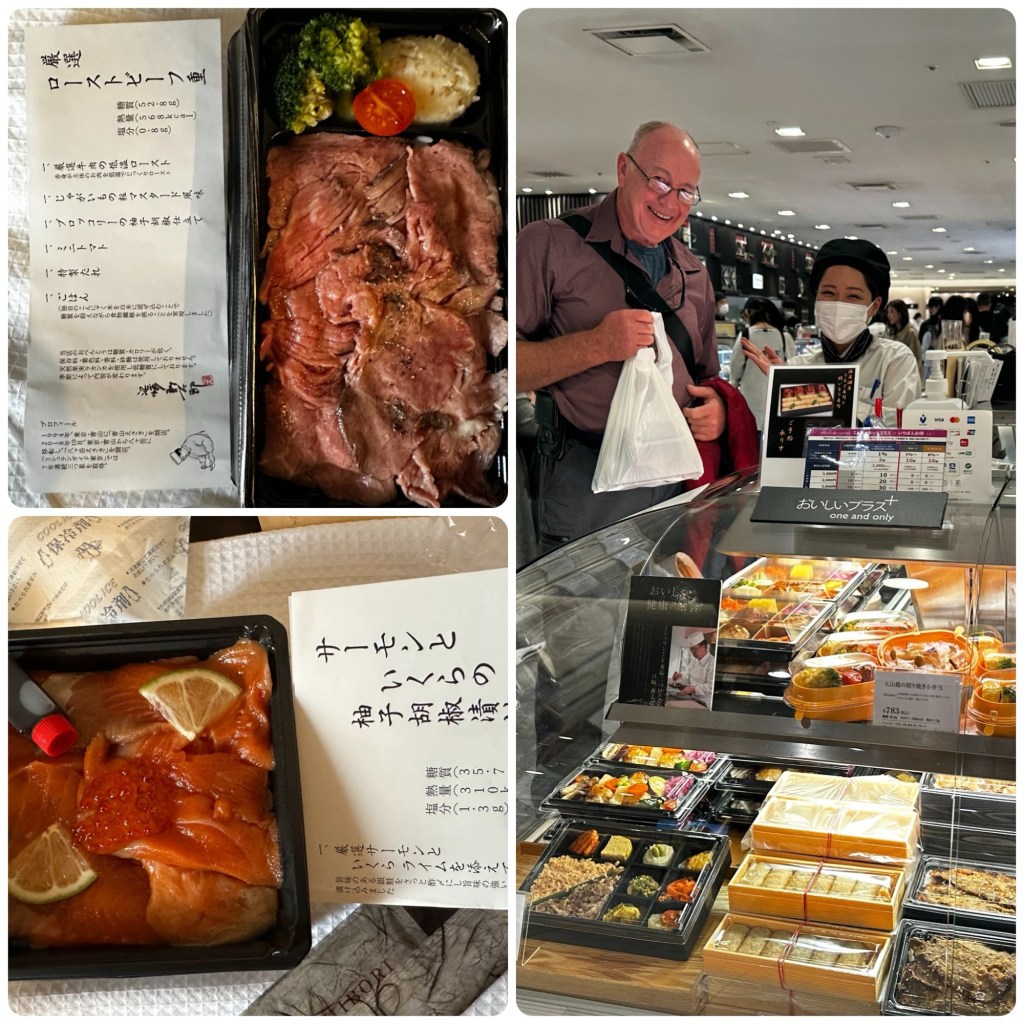
(P:-Today is Cruise day as we embark on a bit of a paddle around Japan and South Korea. Check in time for the Cruise ship was 1pm – 4pm. I asked for a late checkout from the Hotel with a particular goal in mind. Being involved with Agriculture I have often heard of the premium prices paid (and asked) for high quality food products in Japan. On our travels yesterday and the shops I had visited the prices were very little different to Tasmania. My Goal (and Judith’s but she was yet to know about it) was to search out a High End Department store food hall. Research led us to Isetan Department Store. We were outside when the store opened waited for a few dozen people to go in and we wandered straight into (as you do in any department store) a huge ground floor area of “wrinkle hiding” products – Think its called the Cosmetics area? As we were among the first customers there were about 30 or 40 beautiful Japanese women (Cosmeticians) bowing to us in traditional Japanese style. An interesting feeling and not sure if we felt a bit special or felt like hiding. A precious moment regardless!

Down a floor and I hit the JACKPOT. The most beautifully presented food hall I have witnessed (I make an effort to find these in my travels as food is a great interest to me). Now to find the expensive commodities.

Some examples are (in Approximate Australian Dollars)

1 Carrot $1.60

1 small Potato $1.30

1 Dirty White Onion $2.70

1 Brown Onion $1.95

1 Cob Sweet Corn $5.40

8 Strawberries $16.20

15 Strawberries $48.60

1 Orange $5.40

1 Abalone $86.00

1 Fresh Chicken $60.00

4 Tiny Fish Fillets $12.00 ( looked like we use as bait)

Mince Beef $70.00 kg

But the best of all was-

Beef Loin $1,008.00 per KG

The list could go on! photos will show more of the story. One can only dream of what a $1,000.00 per Kg Steak would be like!

We did purchase (at some expense) some fresh Beef Carpaccio and Salmon Sashimi for our lunch which was delicious. For me it was a great experience and a fun morning. We pack our bags and Taxi to Yokohama to embark on our Cruise.

We are boarding the Holland America Ship, Westerdam for the 30 day Japan and North Pacific Crossing Collector Cruise.

Mt Fuji and Hakone Tour

Day 3

Bucket list day today. We are hoping to cross several things off, so we are up early and negotiating our way to our tour departure point. A brisk 30 minute walk from our hotel, departing at 7.30. We just join the foot traffic heading towards Shinjuku Station and then onto the “human expressway” that takes us under the train lines and on to the Kieo Plaza Hotel where our tour begins. After checking in, we are given our tour sticker and told to stand in line to await our departure. At 8.15 our group, one of 5 departing from this point, follow our guide, Harumi, with her little white flag out to the bus. Philip nudges me and suggests that this tour could be a little too structured for him and we haven’t even got on the bus yet!! ( P:- Anyone who knows Phil knows structure and too many instructions are not a good combination for him!). We have allocated seats for the day and there is good leg room and overhead storage for our backpack. Heading out of Shinjuku, Harumi tells us that due to an avalanche several days ago, our first stop Station 5 at Mt Fuji will not be happening we will instead go to Station 1. It’s very cloudy and not looking good to view Mt Fuji. After several hours drive through the outskirts of Tokyo we arrive at the Mt Fuji World Heritage Area. It is now raining slightly and the cloud level has dropped. At Station 1 we disembark the bus to see nothing, but Harumi tells us we are lucky to stand on Mt Fuji, albeit the very low foothills. (P:- All we could see was a block of “out of use” toilets and a gate across a road – awesome! And they wonder why I am not keen on bus tours!). Hope things improve for the rest of the day.
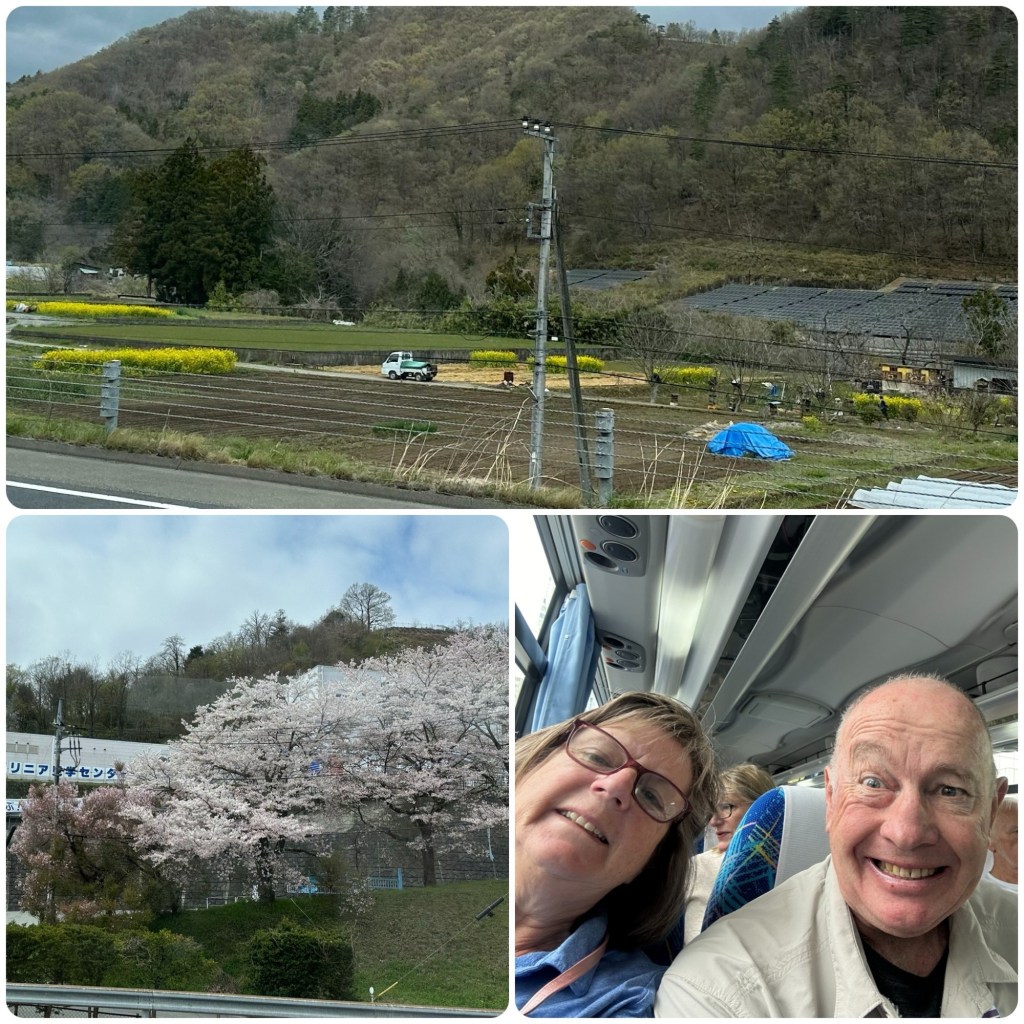
Philips joy at being on a bus tour and local Countryside

The drive out to this area was quite lovely once we got out of the city area. There are many Cherry Blossoms blooming up the hillsides intermingled with the other native flora making it quite spectacular to look at but hard to photograph as we travel by. Through some small villages we can see tiny market gardens and rice paddies tucked away on almost inaccessible areas. Any spare areas have solar panels.

From Station 1 we drove down to Lake Kawaguchi Oishi Park. This is a resort town in the northern foothills of Mt Fuji. A very pretty area. We stop here for another view of the mountain but again it’s not obliging. We wander around the gardens and Souvenir shops before walking down to the lake front again where we can just get a glimpse of the sides of Mount Fuji.

Glimpses of Mt Fuji

After a short stop here we reboard the bus and drive out to our lunch spot. An odd spot as there is no view, no gardens and on the side of the Highway. A big hotel with large dining room, obviously designed for tour bus lunches. Lunch looks good though and tastes even better. Not sure about the Japanese drumming performance they had as soon as we sat down. Just about did Philip’s head in. After lunch we climbed aboard the bus again and drove on to Lake Ashi where we board a small cruise/ferry that takes us across the lake to the Hakone Kamogatake Ropeway. The lake is formed in the crater of a volcano. The ropeway, cable car takes us up to a mountain top where we will supposedly have spectacular views over the area. On the ride up, Mt Fuji becomes visible and we were able to get a few photos before it clouds in again and the view disappears as we reach the top. From the cable car stop we walk up to the shrine about 750 metres away with fog/cloud swirling around us. Makes for some good photos of the shrine. Walking back down to the depot we can barely see 20 foot ahead of us so we head down again. Dropping down below the cloud Mt Fuji is still visible. Another bucket list item ticked off.
Mt Fuji, Shrine and view of Pointing to where Mt Fuji is

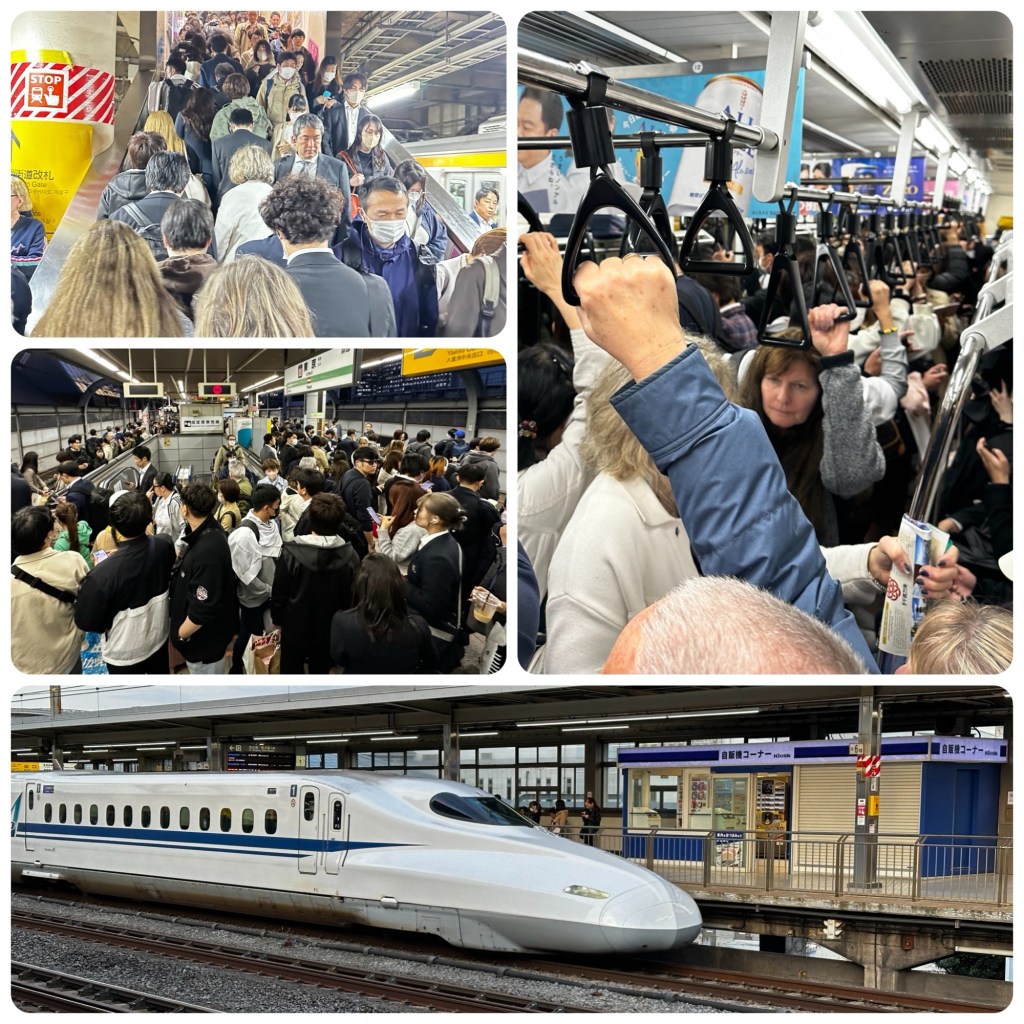
Back on the bus and we wind our way down the mountain on a narrow, steep road with beautiful views along the way. We are now heading into Hakone and onto Odawara Station where we will catch the Shinkansen (Bullet Train) back to Tokyo. While waiting at the station several Shinkansen pass through at an impressive speed. We are told to line up and when our train stops find the first seat available and sit, which we managed to do. Some didn’t find seats and had to stand for the duration of the trip. Arriving back into Tokyo Station we once again follow Harumi and her white flag as we negotiate our way to the platform we need to get us back to Shinjuku. (P:- I am forced to eat my words about comments I made earlier in the day of the Tour leaders little white Flag! As she was vertically challenged the white flag was all we could see of her in the mass of peak hour human traffic! I “have seen it on TV” before but experiencing the Tokyo rush hour in real life was a hell of an experience!). There are so many people here and many, many tracks and directions people are going. We board the train for the short 20 minute ride with two stops. At each stop more people board and the carriage gets crammed full of people. They just step in the door, turn around and push back until everyone fits in. Not much breathing space. As we step out at Shinjuku we just go with the flow. People moving towards exits or other platforms. So many people. Finally we get out of the station into fresh air again. The station is just one huge mass of moving people, personal space is non existent. What an experience. An another item off the bucket list.

Shinkansen and Tokyo Rush Hour

We head back to our hotel and drop our bags. We have now been gone for twelve hours. It’s been a huge day but a very interesting one. We’ve seen Mt Fuji, not in all its glory, but we’ve seen it at least. We enjoyed a traditional Japanese lunch, We’ve ridden the bullet train and we have decided multi day bus touring is not on our agenda for many years to come.

Shinjuku and Cherry Blossoms

JAPAN

Day 1. Sydney to Shinjuku, Tokyo

This year our travels begin in Japan and after a 10 hour flight from Sydney we arrive late afternoon and negotiate Customs swiftly and exit to find our Transfer vehicle is not waiting for us. After waiting around for a while we finally contact them to find they had the wrong flight details consequently cancelled our pickup. (Travel Agents fault not ours). We decide to take a taxi to our accommodation, which negotiates the traffic with ease and within 30 minutes we are delivered to our Accommodation for the next 3 nights. Citadenes Central Shinjuku Apartments. The room is small but adequate and we unload our bags and head out for a walk to stretch our legs after flying.

It’s now getting dark and the streets light up with neon signs, fairy lights and vehicle lights. The sidewalks are a sea of people and small cafes/ food kiosks line the streets. We just wander to get our bearings and see what is in the area. After an hour or so of wandering we grab a quick bite to eat (at Burger King). Not very Japanese but our brains are still in flight mode and it was easy to grab and eat in our room.

Night Lights Shinjuku

After a shower and a read we hit the sack for hopefully a good nights sleep.

Day 2 Shinjuku

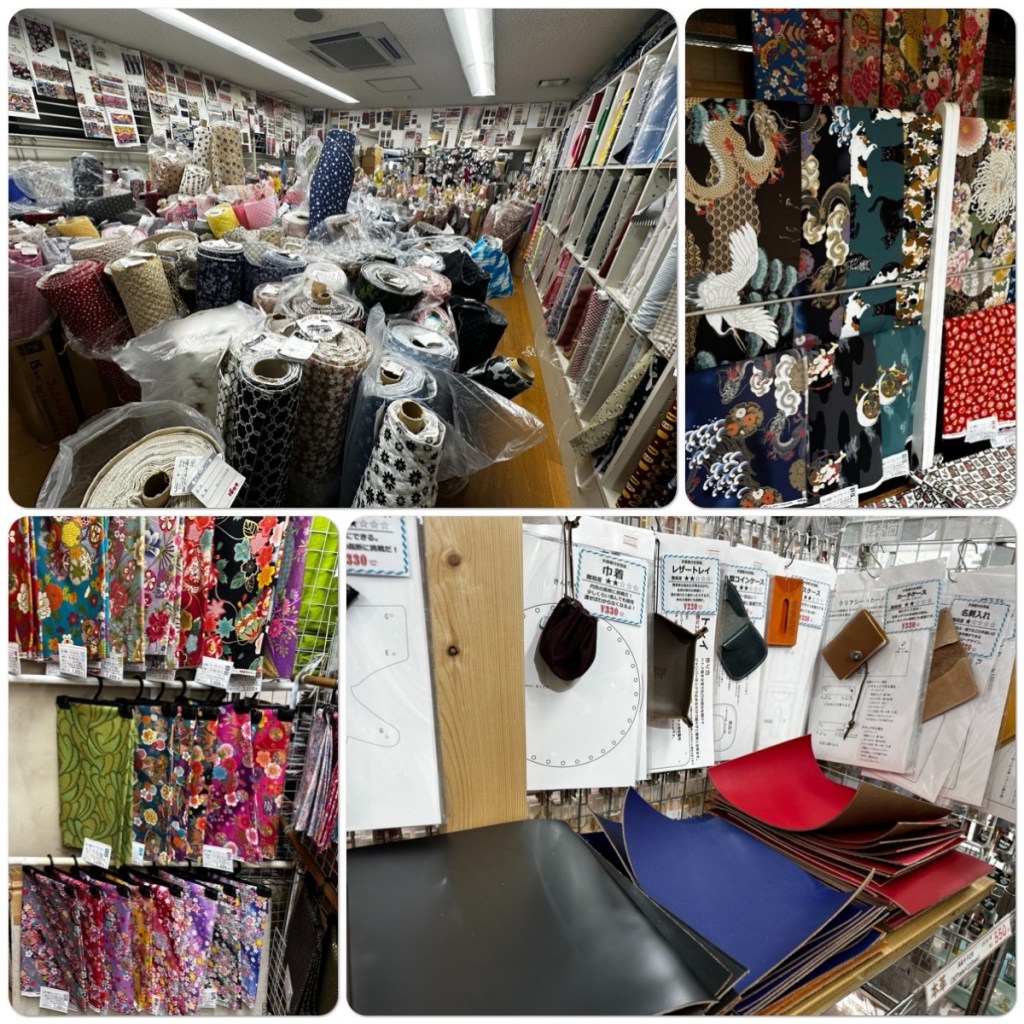
We both slept reasonably well and woke keen to get going and explore. First up is a walk to find where we need to go tomorrow morning to meet our tour. About 30 minutes away. We followed Google maps which gave us a wandering way to get there but discovered a shorter way on our return trip. Back to the Apartment to shed our jackets for lighter ones and some breakfast and then we are off to the train station to find our way to Nippori Textile District about a 40 minute train ride away. After asking at several places we finally got to the right spot and found the ticket booth, purchased our tickets, $2 each, and found the platform we needed, waited for the train and climbed aboard with multitude others. After several stops we grabbed a seat to enjoy the rest of the ride. 10 stops on and we arrive at Nippori and head out of the station to find signs pointing us in the direction of the textile district. This area is much quieter and less people about so ambling along the footpath checking out the shops is quite pleasurable. There are many shops containing everything from leather to silk, buttons to buckles, dress fabric, upholstery, quilting and everything in between. The shops are packed with every sort of fabric you could dream of, you just need to know what you want. Tomato is a popular store, 5 shops actually each containing different merchandise. The main store has one level devoted to quilting fabric And another level had some lovely silks. Further along the road we found Mihama Kimono fabric. Some beautiful samples here, some of which may be coming back to Tasmania.

Heading back towards the train station we find a little cafe with a small store front where we purchase some lovely noodles and drinks for lunch. We head upstairs to find two more levels for seating and eating. Our meals were both very tasty and once we were refueled we headed back to the train station to find our way back to Shinjuku and our accommodation.

Nippori Textile Town

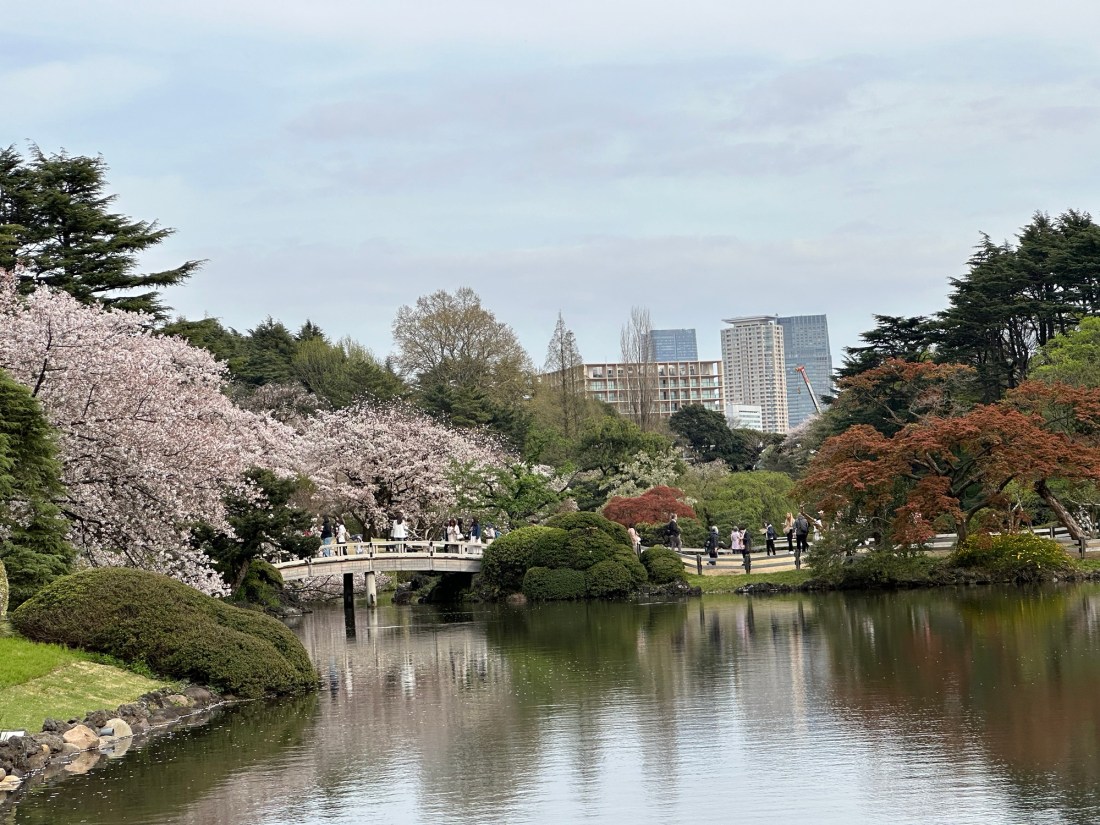
After a short rest we pick up the camera and start up Google maps to find our way to the Shinjuku Goyen National Garden. In the early years the garden became an agricultural experiment station and then in 1906 it was made into an Imperial Garden. After the war in 1949 it was opened to the public as a national garden. There are approximately 900 cherry trees of about 70 varieties ranging from early to late blooming. While the first flush of flowers is finishing the blossoms still made a wonderful show and we were only two of many hundreds of people enjoying the blossoms. Another item ticked off my bucket list.

(P:- Judith has for many years wanted to see the Cherry Blossoms in Japan. After around 600 days of planning , day one obliged with good weather for walking and wandering some of this large city. Tokyo (or what we have seen so far) isn’t as modern as I expected but everything is clean and the people we have encountered have been friendly and helpful. Not sure that the Cherry Blossoms were high on my bucket list in Japan but they were/are beautiful and some of the trees where huge both in girth and height! Judith did “well” with fabric purchases which we will categorise as souvenirs. It appears Phil gained extra baggage weight to carry around for the next 80 days and zero souvenirs!)

Homeward Bound

Well that’s it.

Gone in the blink of an eye.

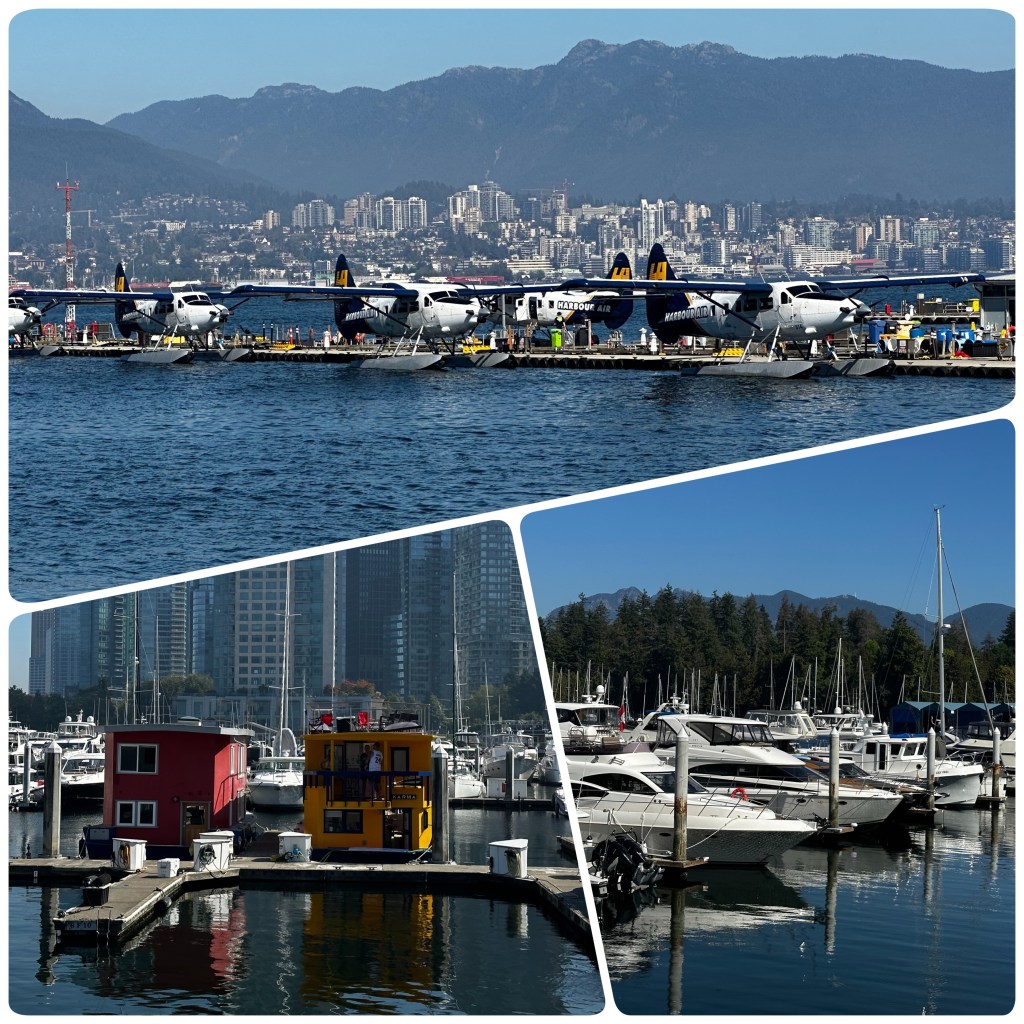
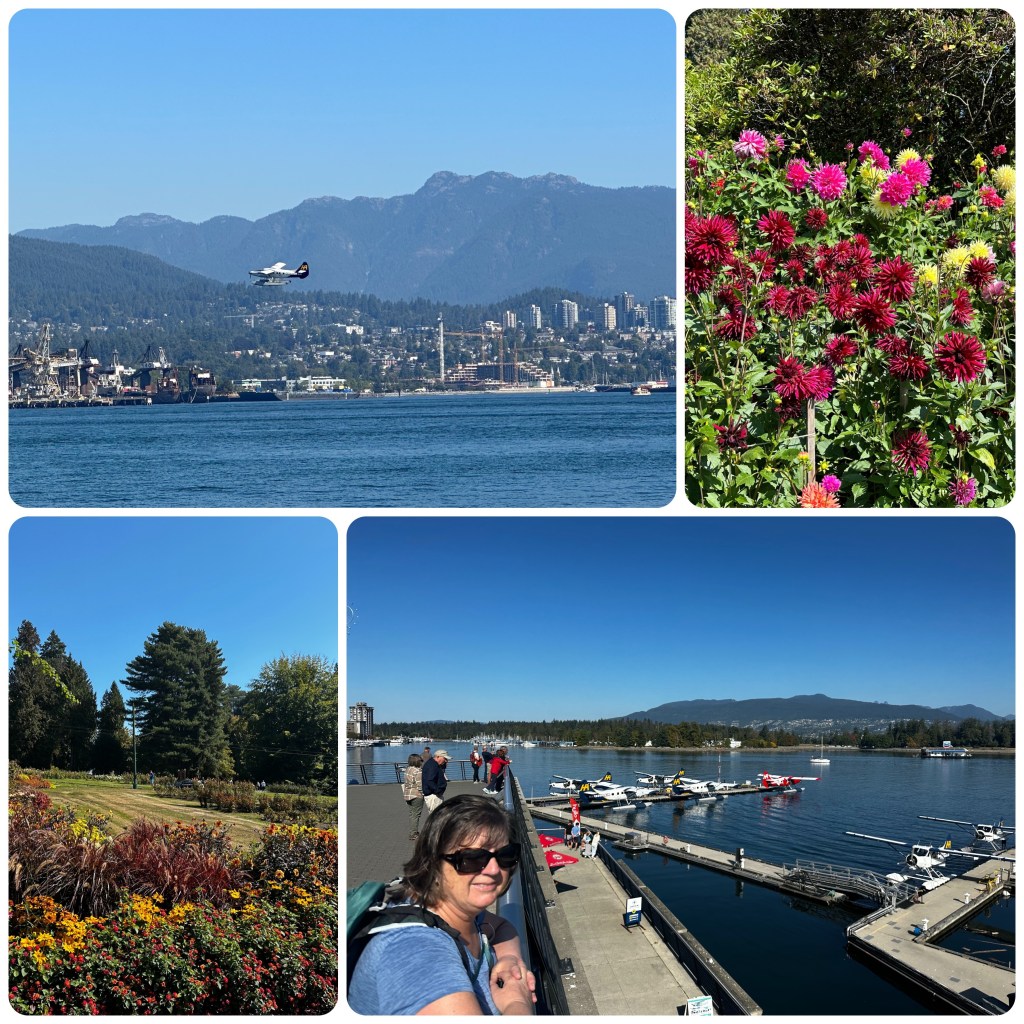
8 weeks of fun, adventure, new experiences and amazing views. What an amazing time we have had, finishing off with a couple of days in Anchorage, cleaning our RV and packing our bags. Finalising some shopping and spending some time walking through some lovely parklands around Anchorage. Flying to Vancouver where we filled the day in around Stanley Park, watching float planes and cruise boats. And finally boarding our flight to Sydney, Australia.

Vancouver Waterfront

We have:-

Walked on Glaciers

Flown over mountain tops

Watched the night sky glow with an Aurora

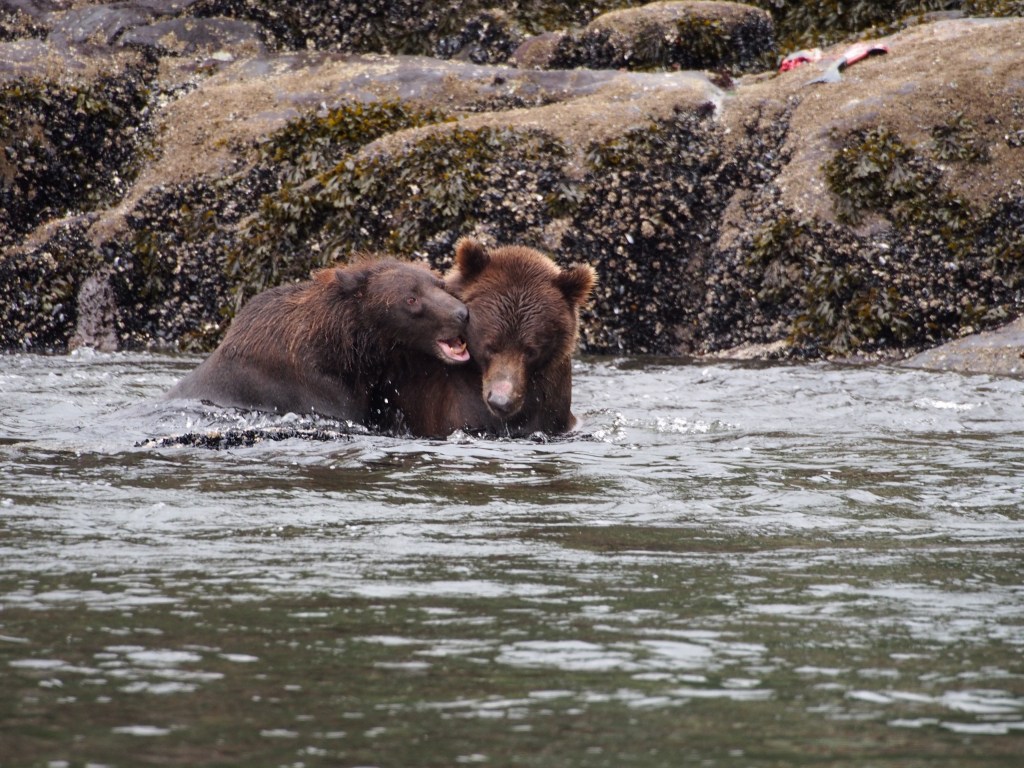
Seen bears and moose, wolves and a Lynx

Cruised passed Glaciers

And kayaked below their ice cliffs

We have hiked and walked and kayaked and cruised

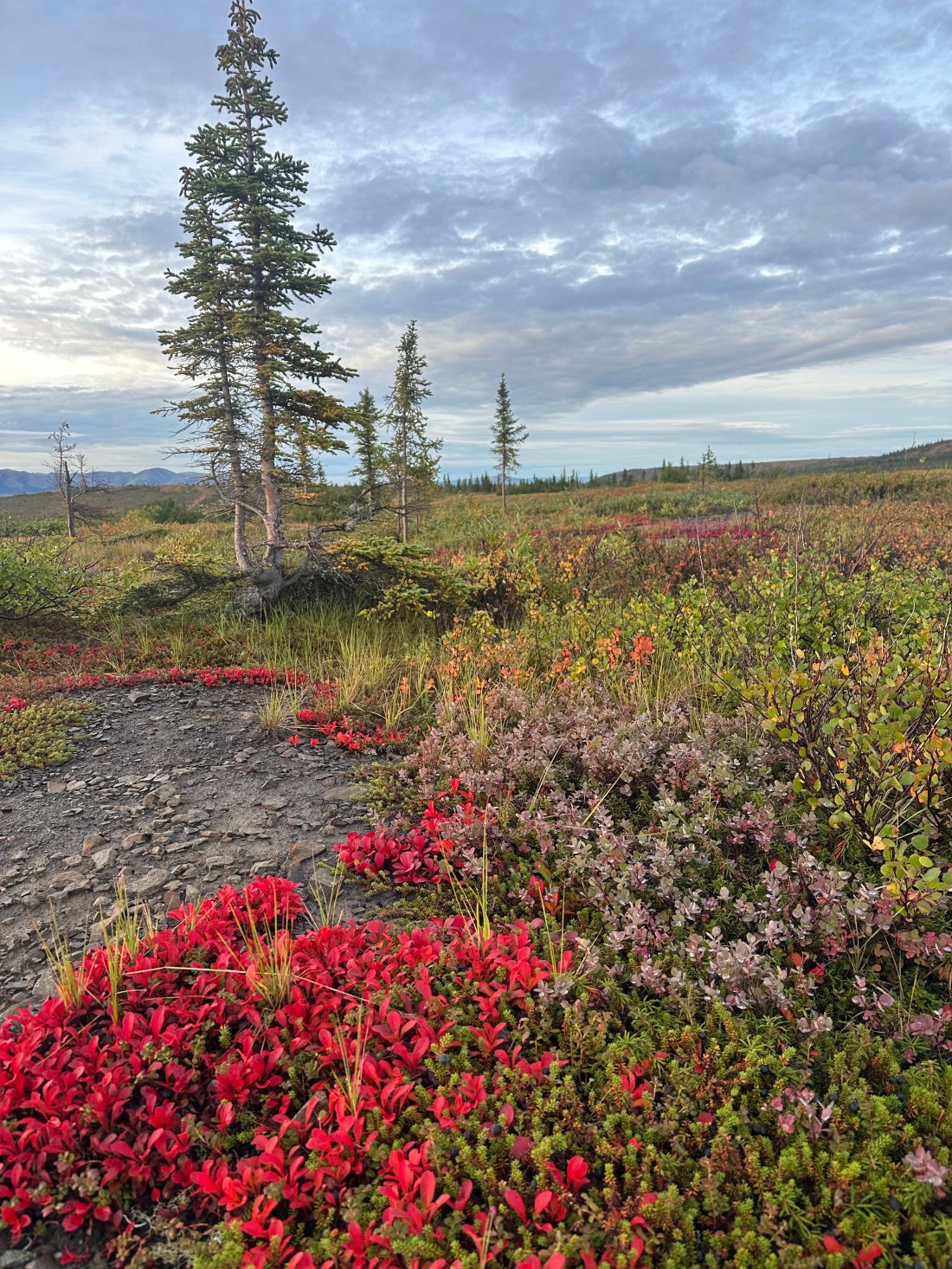
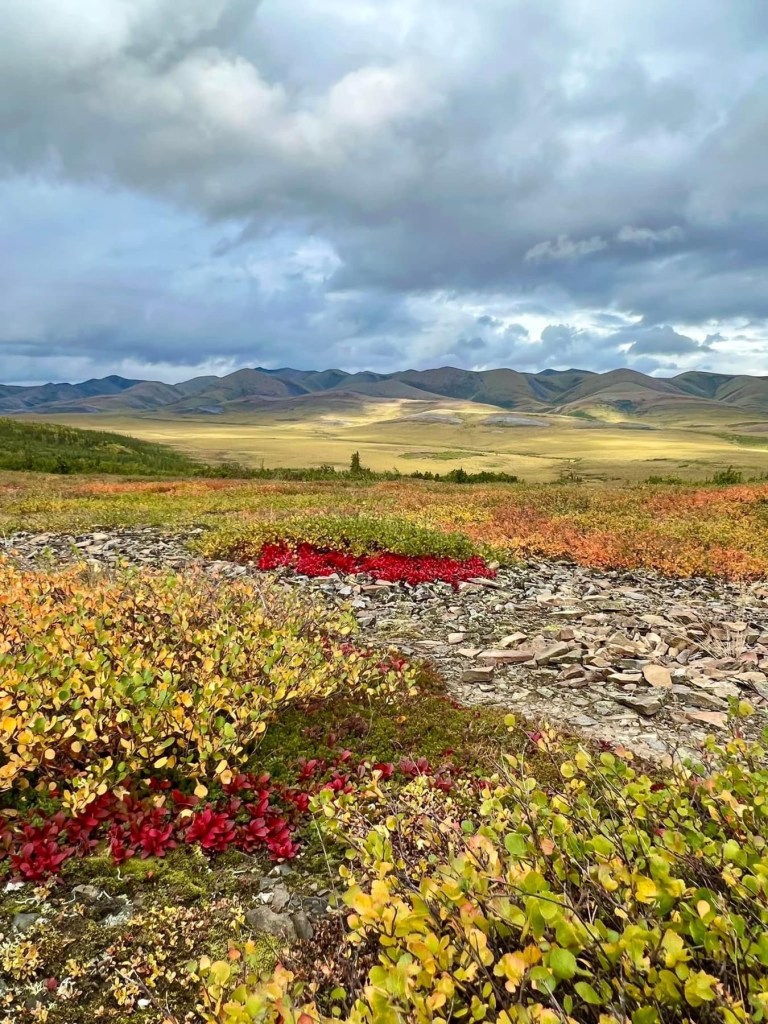
Seen amazing sights and beautiful fall colours

We have driven on paved roads, gravel roads, muddy and slippery roads

We have seen majestic vistas spread for miles ahead of us

Driven in fog where we can barely see 20 feet ahead of ourselves

We have had sun and rain and termination dust (First new season snow indicating the end of the summer season) on the mountains

Dipped our toes into the Arctic Ocean

(P- We have tasted Whale meat, held gold nuggets, been Salmon fishing, we have eaten local foods, experienced days of continuous sunlight, shared stories with locals, Boondocked (bush camped 75-80% of our nights)

I walked mountain top suspension bridges.

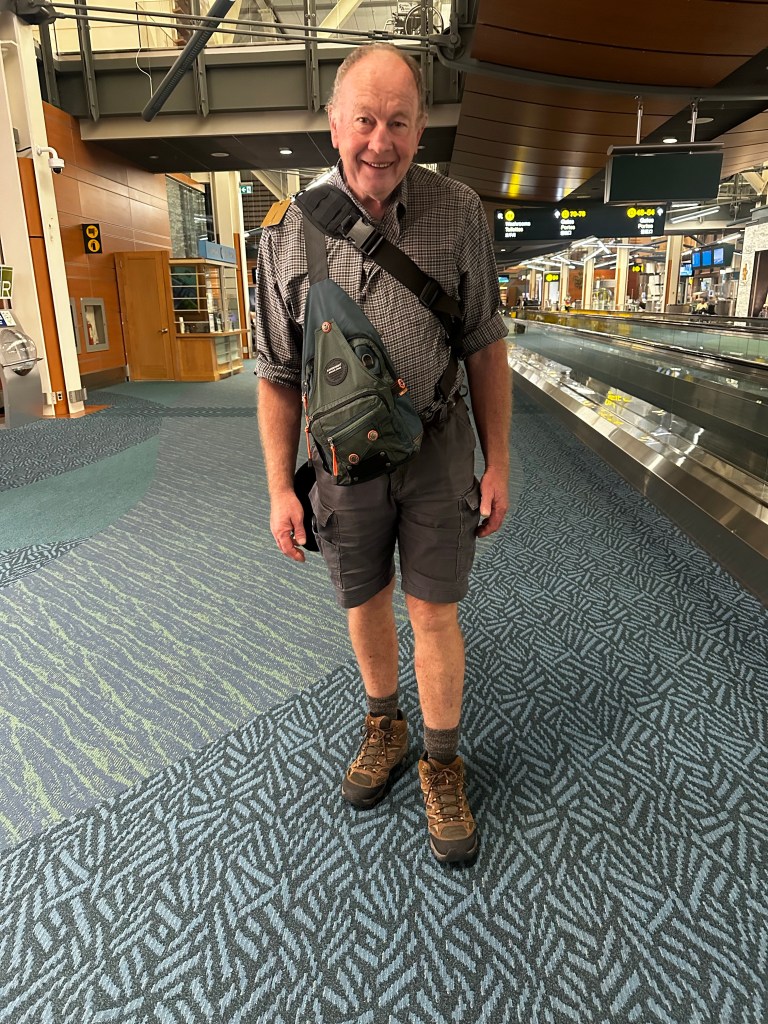
Plus I achieved my goal of Tasmania to the Arctic and return wearing shorts every day!

Whilst Judith visited many Quilt shops! Excelled in her roll as chief navigator and worried about the cliff edged roads we often drove).

We have driven 5000 mile (8000km)

Every day has been an adventure.

Oh what a wonderful adventure.

(P- now to plan our next adventure to – – – somewhere else on our amazing planet).

Aurora Borealis
Fall Colours
Shorts worn to the Arctic and Back

Return to Anchorage

3 – 8th

Oh no! This means we are nearing the end of our trip. But a few days to fill in before we reach Anchorage so we are on the road again.

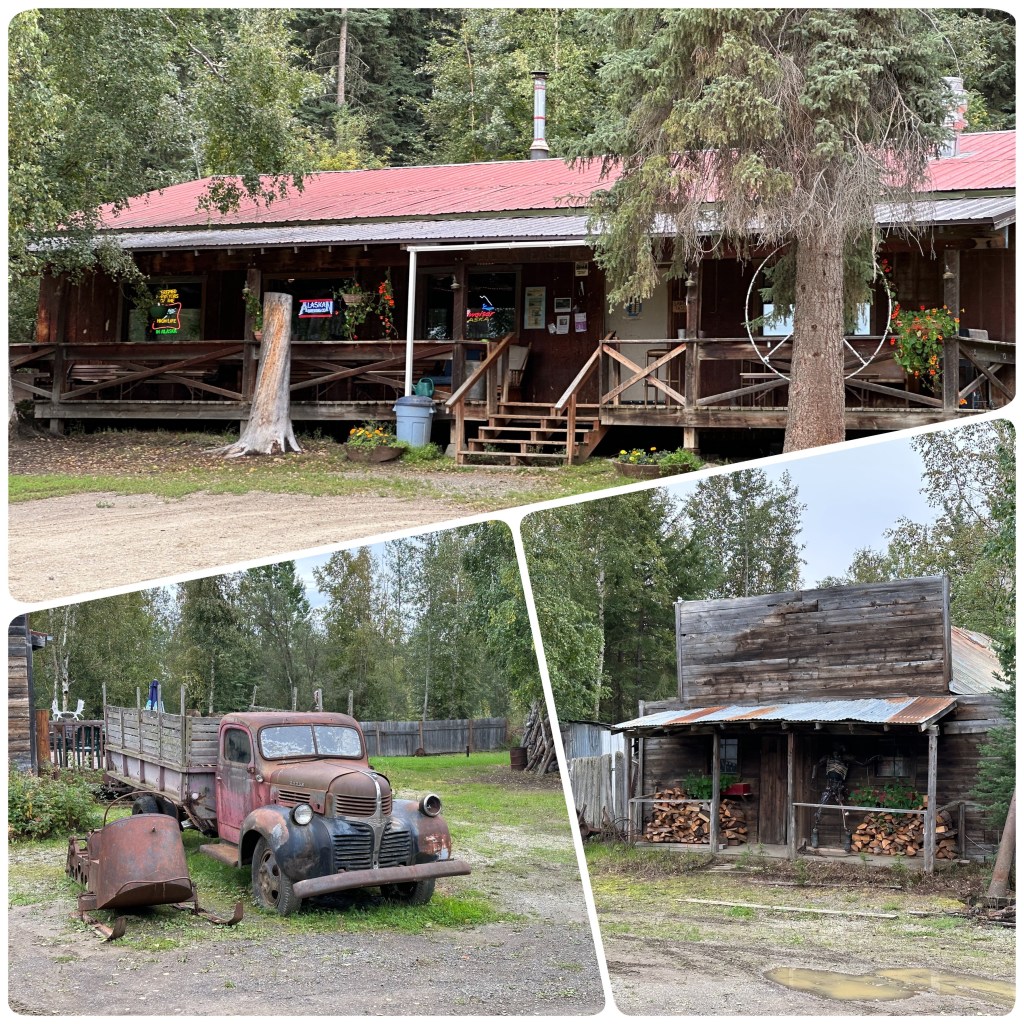
After the thrill of seeing the Northern Lights at Chena we had a later start to the day, leaving the hot springs mid morning and returning back to Fairbanks. The day is overcast and gloomy with just a faint dusting of snow left on the hilltops. Back in Fairbanks we visit a couple of stores we wanted to see, spent some time in the old city centre and drove up around the University of Alaska and checked out some of their farm research area. Before stopping for lunch overlooking the very impressive University grounds. After lunch we pointed our noses south and slowly wandered along, enjoying the road trip, some of which was on the old Highway. We stopped for a look at the old mining town of Ester, which was founded around 1900. All it is today is a collection of dirt streets, old log homes and massive tailing piles from dredging for gold.

Ester

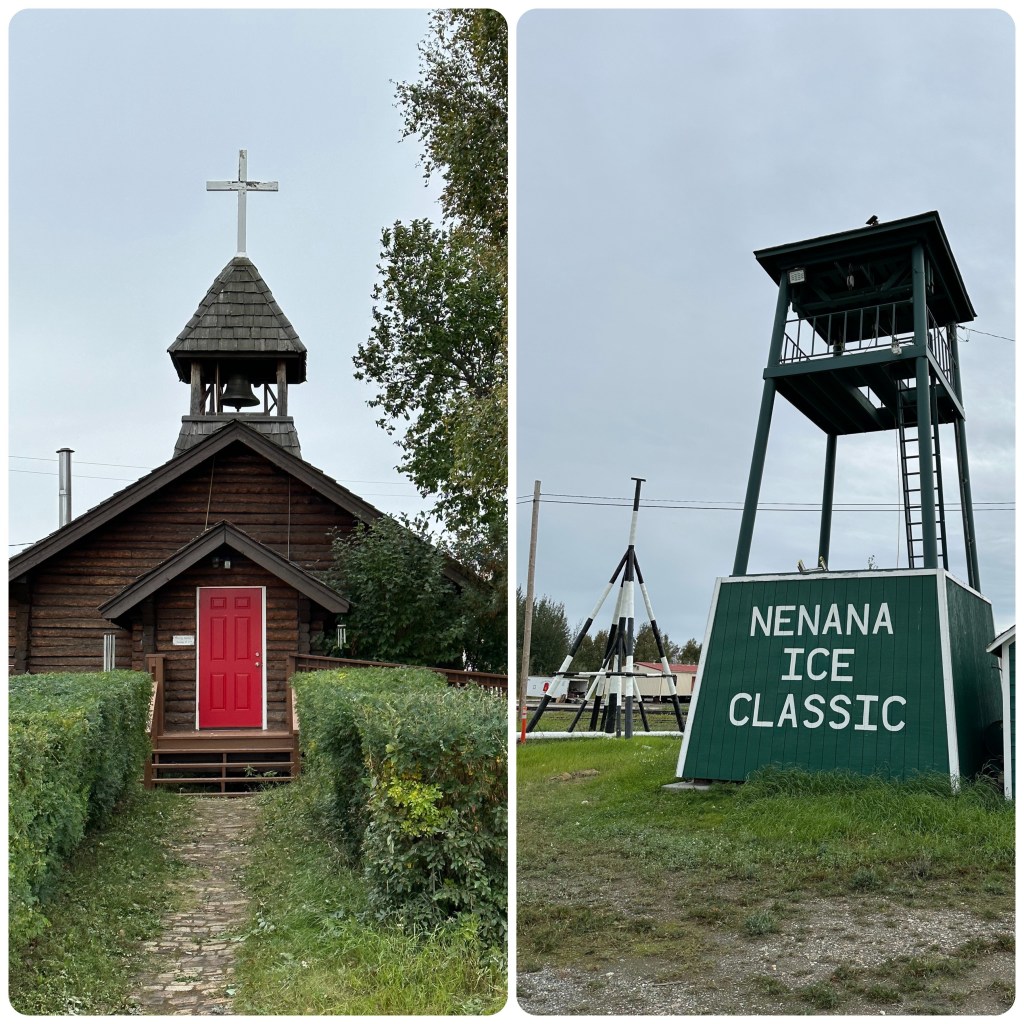
Continuing down the road we reach Nenana, where we plan to stay for the night. Parking up we rug up and take off for a walk around the town. This town sits at the confluence of the Nenana and Tanana Rivers. It’s claim to fame is the Nenana Ice Classic. This is a lottery based on guessing when the river ice will break up in April or May. This has been run since 1917. Guesses are made to the day, hour and minute that the ice breaks and the tripod stops the timer. The tripod must move 100 feet downstream for the timer to stop. Last year there were two winners guessing the exact time. Prize money of over $300,000 to be split between the winners!

St Marks Church and Ice Classic Tripod. Nenana

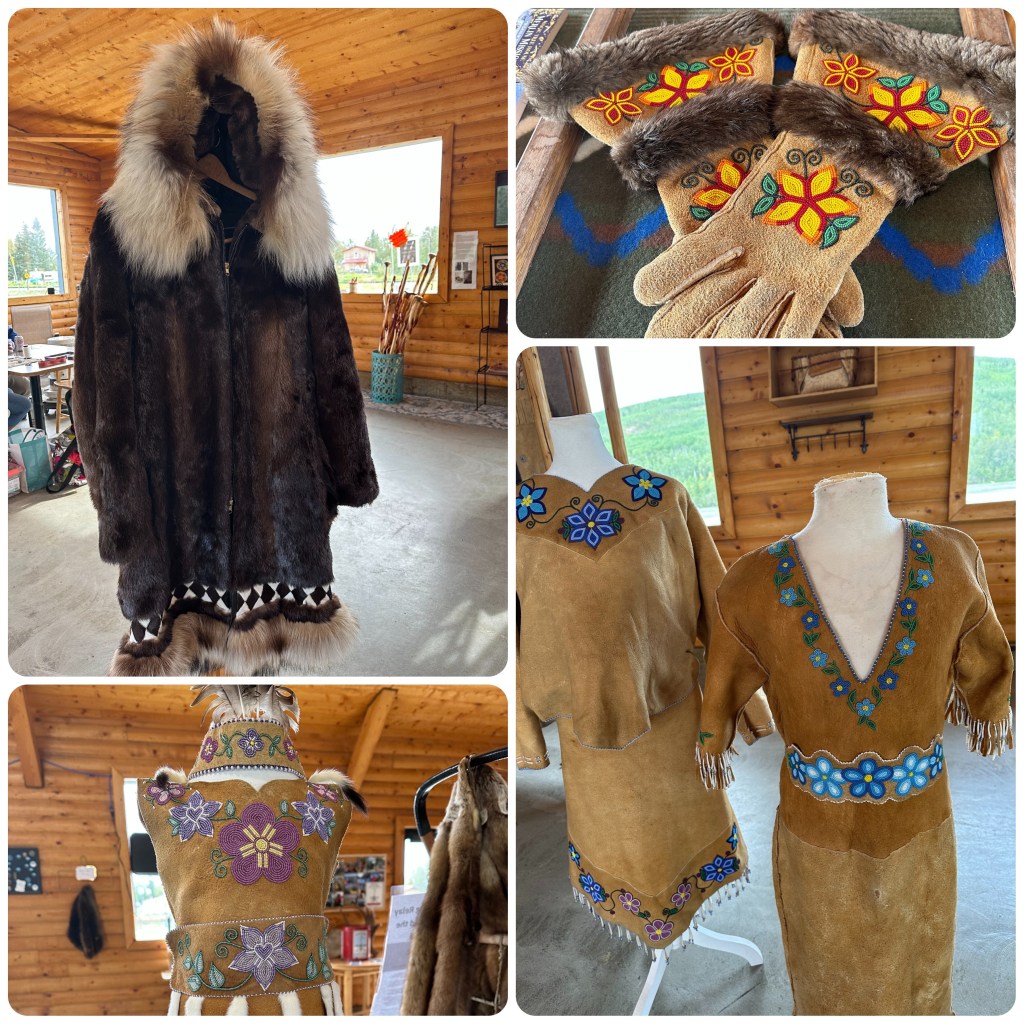
We visited the small native craft/information centre where we chatted to a lady there doing some beadwork on moose hide. The hide was so soft and looked just like felt. Her needle just slipped through it. The hide she was using had been tanned the traditional way with the brains of the animal. She showed us some hide that was tanned using modern methods and she couldn’t push the needle through it. A full tanned moose hide is over $2000 to purchase. They also had some fur skin samples there from a Beaver, lynx, wolverine and wolf. It was interesting to feel the difference between the furs.

Beading on Moose Hide and Beaver and Wolf Parka

Later in the evening we watched several trains pass us and cross the river. To do that the trains have to do a big loop before crossing the bridge.

Next morning we continue south towards Denali National Park. The weather is miserable again but as we are driving it doesn’t matter much. We head into the visitors centre and check out some of the displays and watch a couple of short movies about the park. We had thought we might go further into the park but with the weather miserable it’s not worth it.

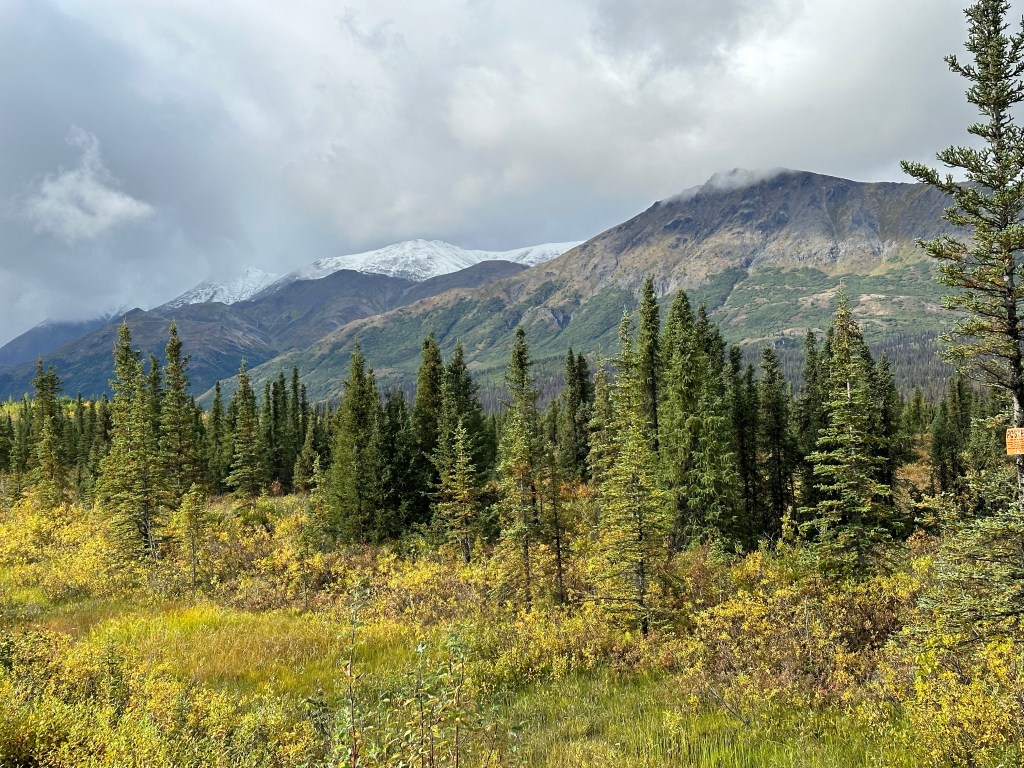
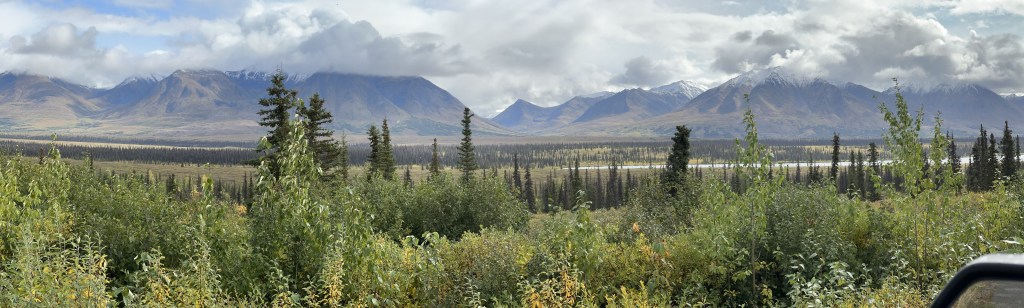
(P- as we were wandering outside the visitors centre an old guy comes up and says “Dang it’s freezing boy and you are wearing shorts” I wore them into Alaska, wore them in freezing weather at the Arctic Ocean and plan to be still wearing them as we leave Alaska – just a personal challenge). So we continue driving south. The weather starts to clear as we get further south and more of the mountains are becoming visible. The fall colours are again showing their beautiful colours. By the time we reach Denali View North Campground the sky is turning blue and the Alaska Range is becoming visible. We decide to camp here for the night in the hopes that Mt McKinley will be visible at some stage.

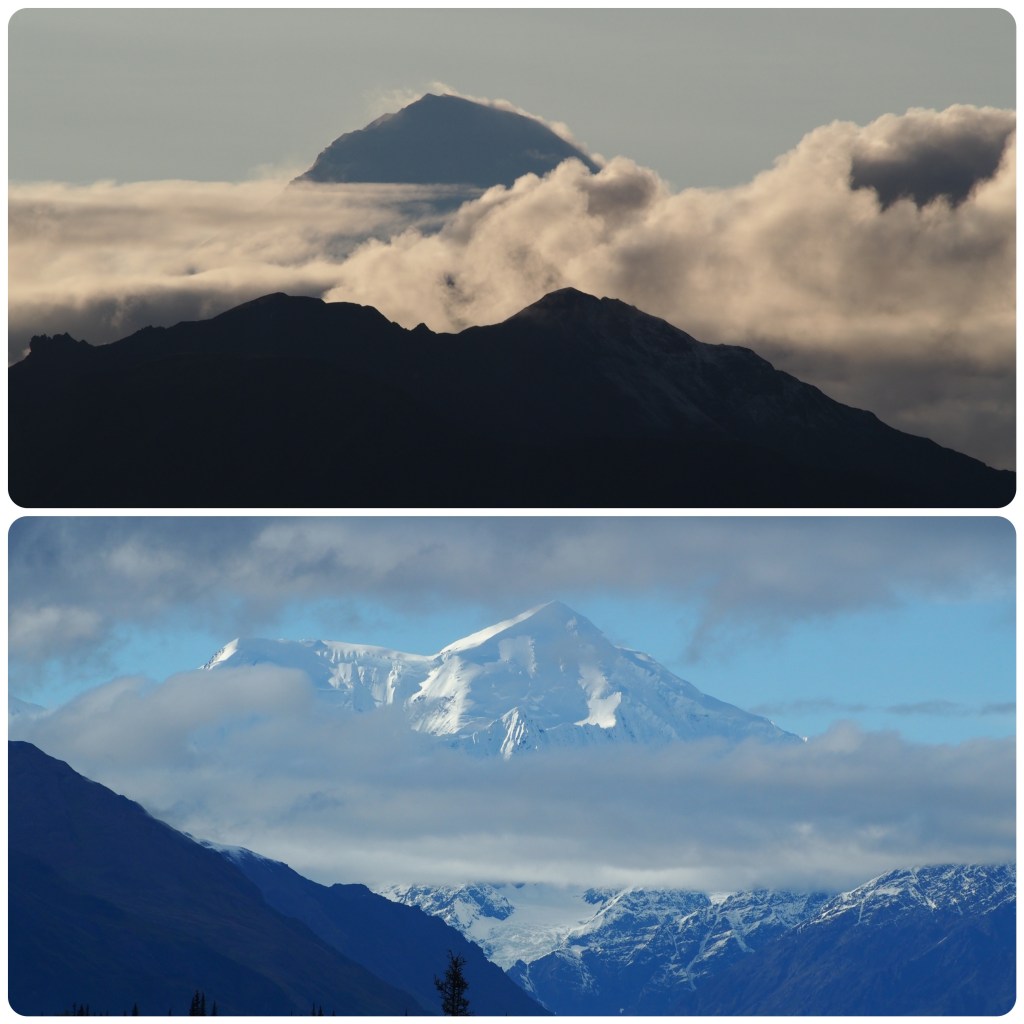
Lots of people pull up here and take photos but there is no sign to point to exactly which mountain is McKinley. Philip thinks it’s still behind the clouds but everyone is taking pics of the picturesque mountain in view. Later in the evening Mt McKinley eventually reveals itself but it’s no where near as impressive to look at as what we now know is Mt Deception. We have had a lovely evening though sitting by the fire and cooking our dinner while watching the ever changing view.

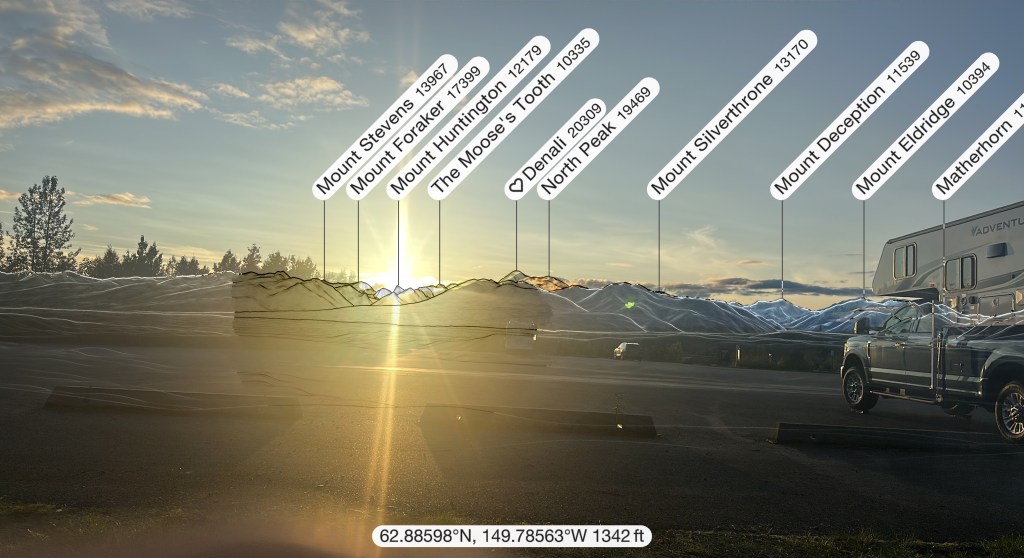
(P- My trusty gps maps and compass was telling me the beautiful fully clear mountain wasn’t Mt.McKinley, but with everyone taking photos of it I started to disbelieve my judgement. Well into the evening the “real” Mt. McKinley (Denali) unveils itself from the cloud. This viewing is our third this vacation, all from different areas. How lucky are we! Statistics tell us less than 30% of visitors see USA’s highest mountain as it is usually covered by cloud. Only one other vehicle in the normally crowded campground tonight. Over the last 3 weeks there have been less and less fellow travellers – it’s getting cold and they appear to have all gone home! When we wake this majestic mountain is again hidden deep in cloud. I wonder how many people have a photo of aptly named Mt Deception thinking it is Mt McKinley?)

Mt . McKinley and Mt Deception (bottom)
Peak Finder App

Tuesday 5th

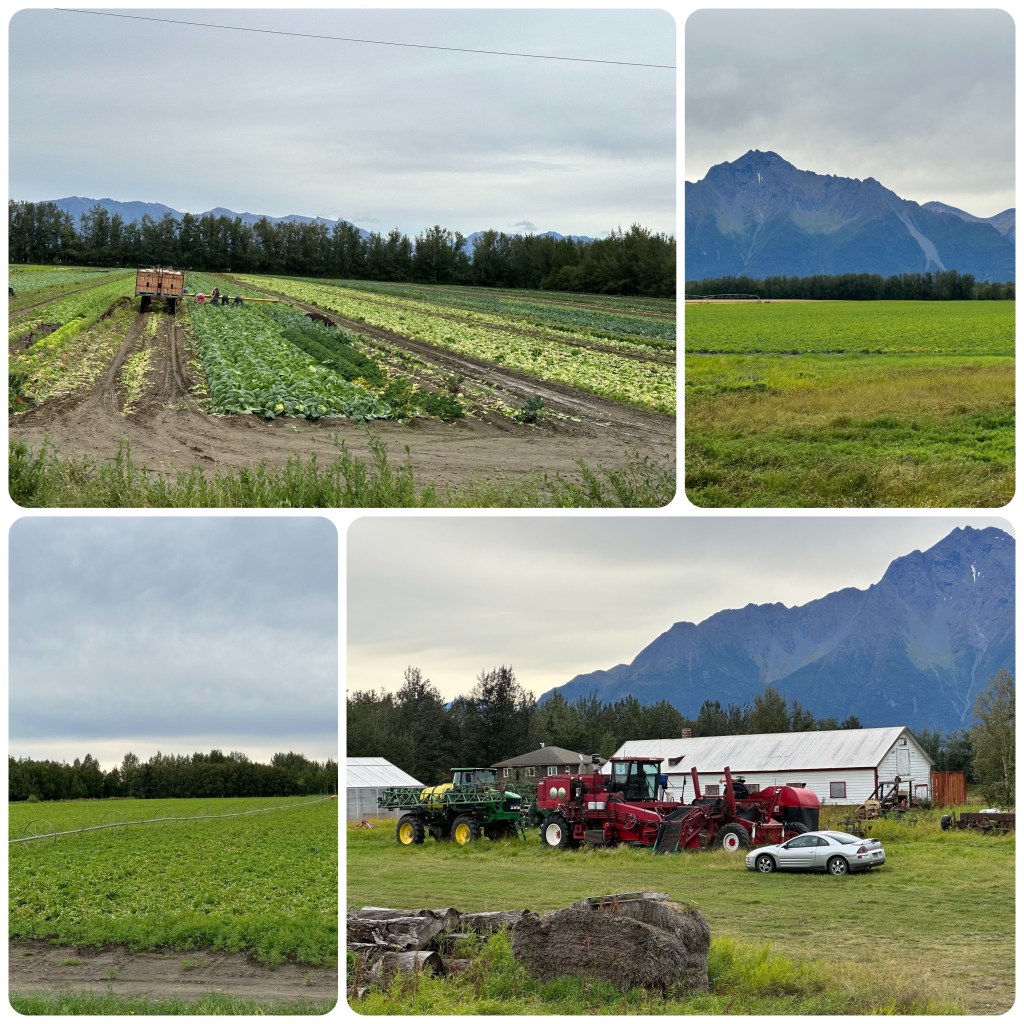
Today we continue our way south towards Palmer where Philip wants to check out some farming areas and then we want to visit the Musk Ox Farm. We noticed this small area of farming when we visited the State Fair. Also happened to take a wrong turn and drove around a beautiful subdivision. Some very impressive homes and gardens.

(P-Palmer is a valley north of Anchorage, and has a milder climate, (only frozen for 7 or 8 months of the year!) For many years there has been a thriving vegetable industry here through the summer months, Temperate crops similar to what we grow in Tasmania except short growing season varieties. The crops looked good and to me very interesting. Harvest of potatoes was about to commence.)

Farming Area in Palmer

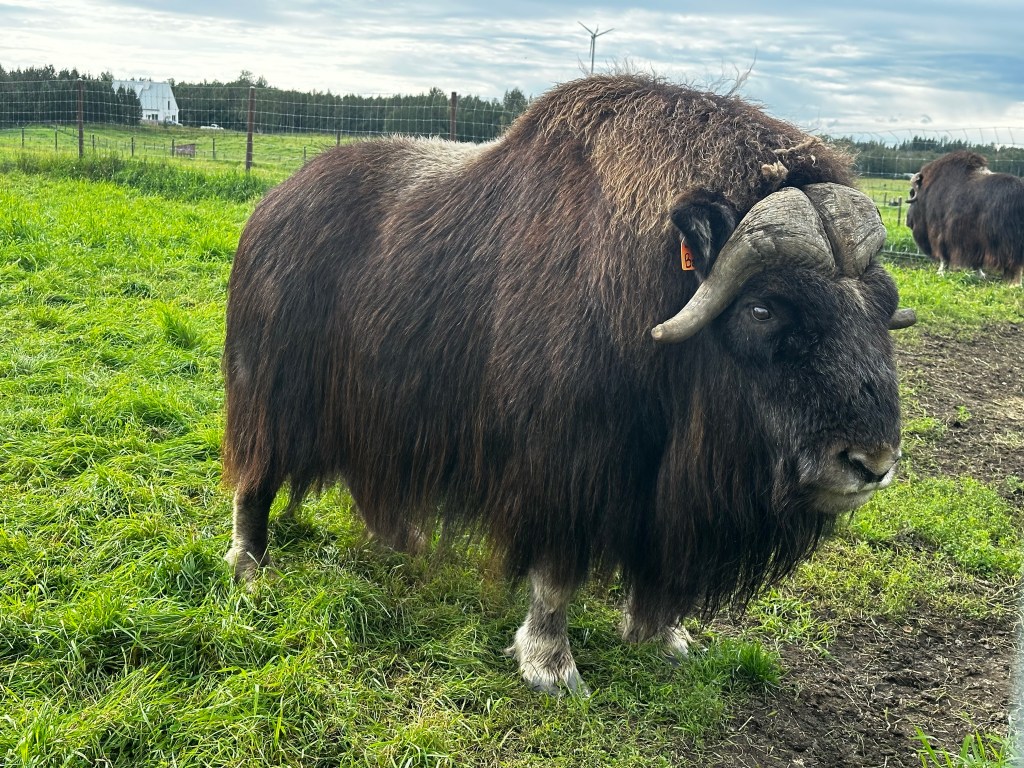
The Musk Ox Farm was very interesting. It is a non profit farm and provides a look at the musk ox which were reintroduced to Alaska in the 1930’s. The musk ox under coat, or Qiviut is gently hand combed from the animals and sent to South America where it is cleaned, spun and dyed before being returned to be sold. Qiviut lacks the lanolin that sheeps wool has and is free of barbs and scales, making it tremendously soft and easy to wear. It is one of the warmest and softest fibres on earth.

Musk Ox

(P- more craft materials purchased (Qiviut) – I could have nearly bought another piece of farm machinery with the cost of it! Judith is going to be busy crafting so I am hoping I won’t be noticed missing (in my workshop) when we return home!)

We continue onto Anchorage and settle into the Ship Creek RV Park for the next 3 nights. Then it’s off for a walk before dinner.

Views around Denali

Hot Springs and Northern Lights

1st September

After a catch-up and cleanup morning in Fairbanks it’s time for some retail therapy. It’s wet today so a good day to checkout Fairbanks stores. New shoes for us both, before wandering around “The Prospector” an outfitters store, Rays Outdoors, Costco, and the Bentley Mall (almost empty). We stop at the Food Factory for lunch not knowing what it will be like but there are lots of people inside so must be good. Both our meals turned out to be excellent along with our root beer floats. (P- my 4th icecream in 7.5 weeks! I am almost unaddicted!)

After lunch we drove out to the float plane area and drove around the planes checking them all out. Not many flying today as its pretty windy and miserable. Later, back at the RV we do some planning for our last week in Alaska.

2nd

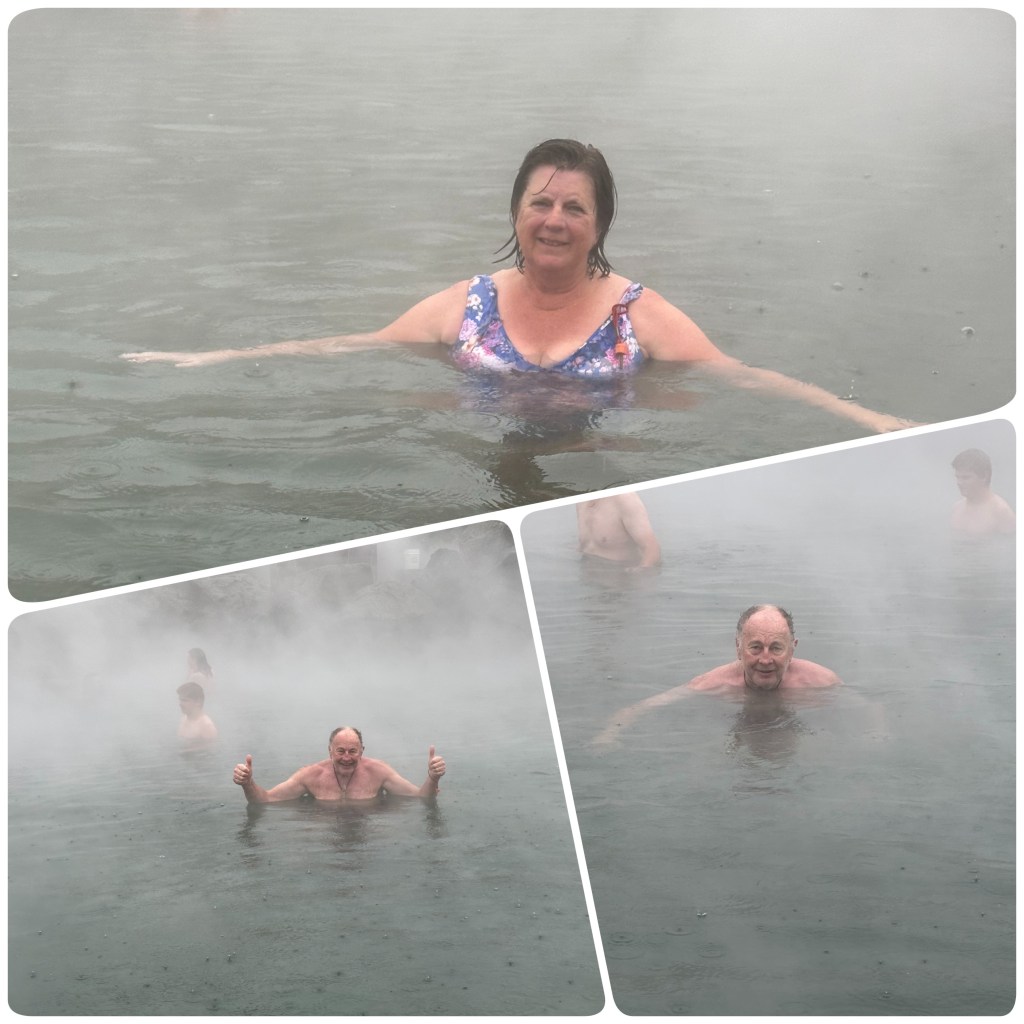
We are on the road by 9 driving the 56 mile out to Chena Hot Springs Resort. This has Camping on the grounds on a first in basis so plan to get there early, nab a site and then spend the rest of the day enjoying time in the hot pools. The hot pools are constantly fed by a mineral spring at 165 degrees (74 degrees C) and cooled before filling the pools which are surrounded by large rocks. The water temperature varies depending on where you stand in the pool.

Bathing Beauties, Chena Hot Springs

The other reason for coming to Chena is that it is an Aurora hot spot and tonight is suppose to be clear after all the rain. The Aurora is one of the things I particularly wanted to see while here in Alaska. Philip has consulted the weather App and tells me the skies will clear for 3 to 4 hours at the correct time and we will have a very good chance to see it.

Three sessions in the hot pool, the first hour in rain. An interesting experience, beautiful hot water from the neck down, freezing cold rain on our heads and upper body when we need to stand to cool down a bit. The weather clears later in the afternoon and the pools are still very relaxing.

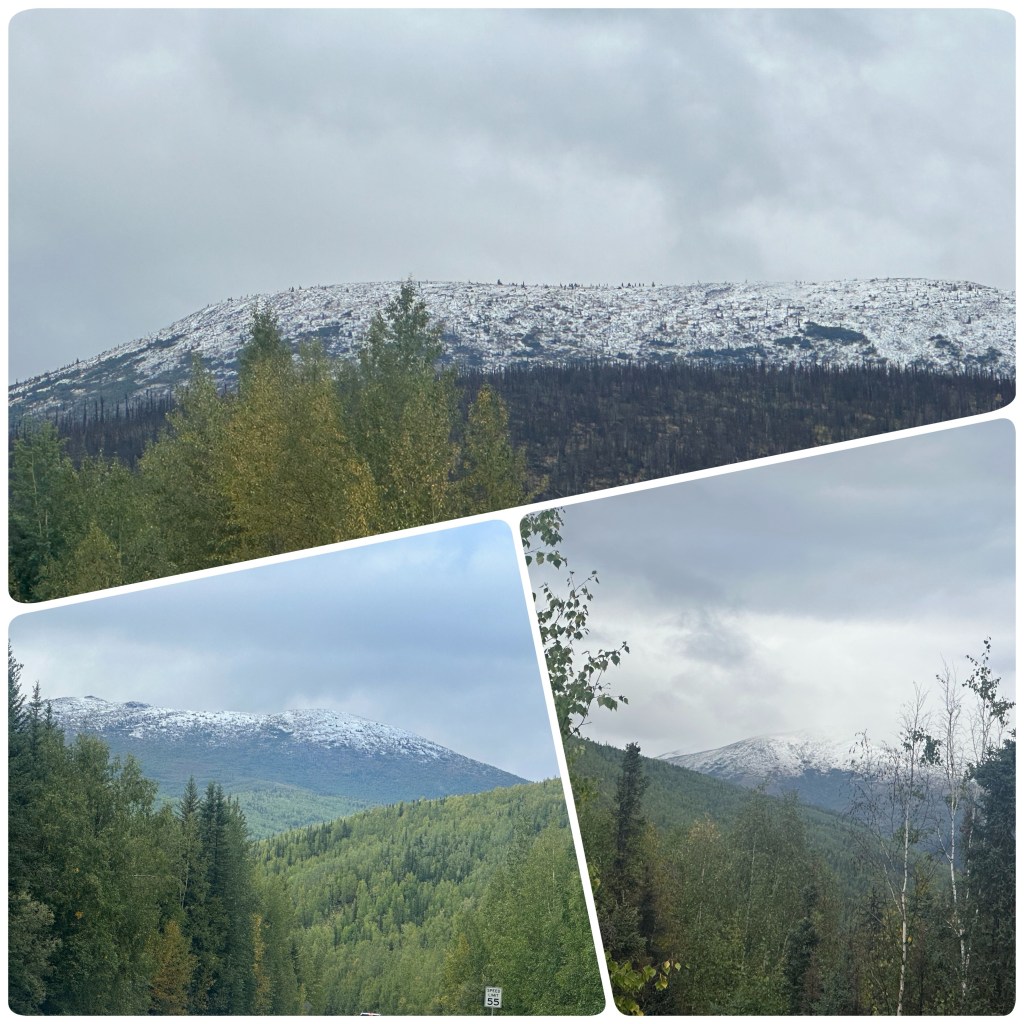
We enjoy a walk around the resort in the late afternoon and note that when the clouds and rain have gone there is a slight cover of snow on the higher peaks surrounding us. Winter is coming.

Winter is Coming

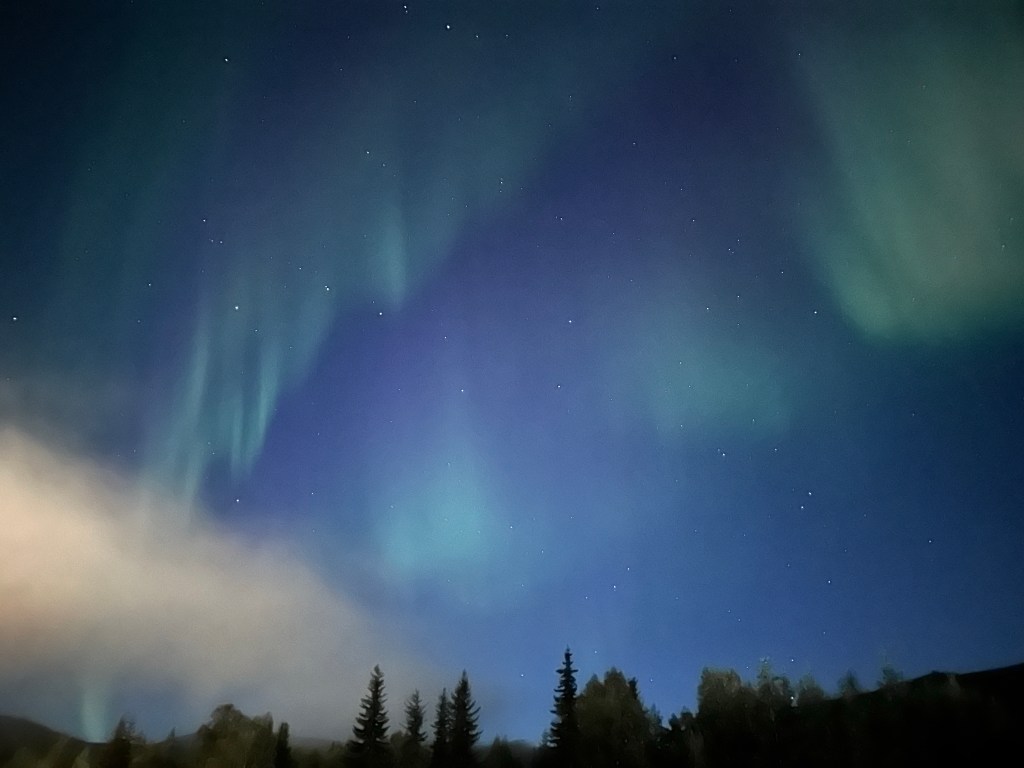
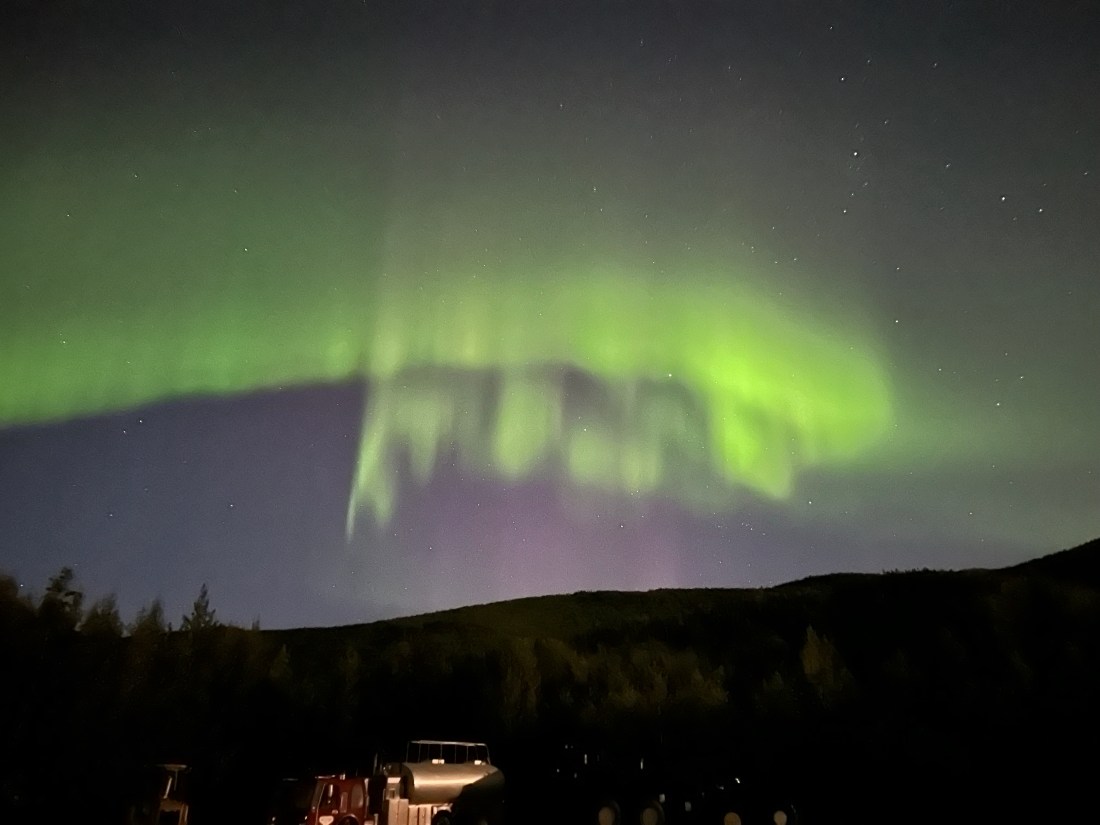
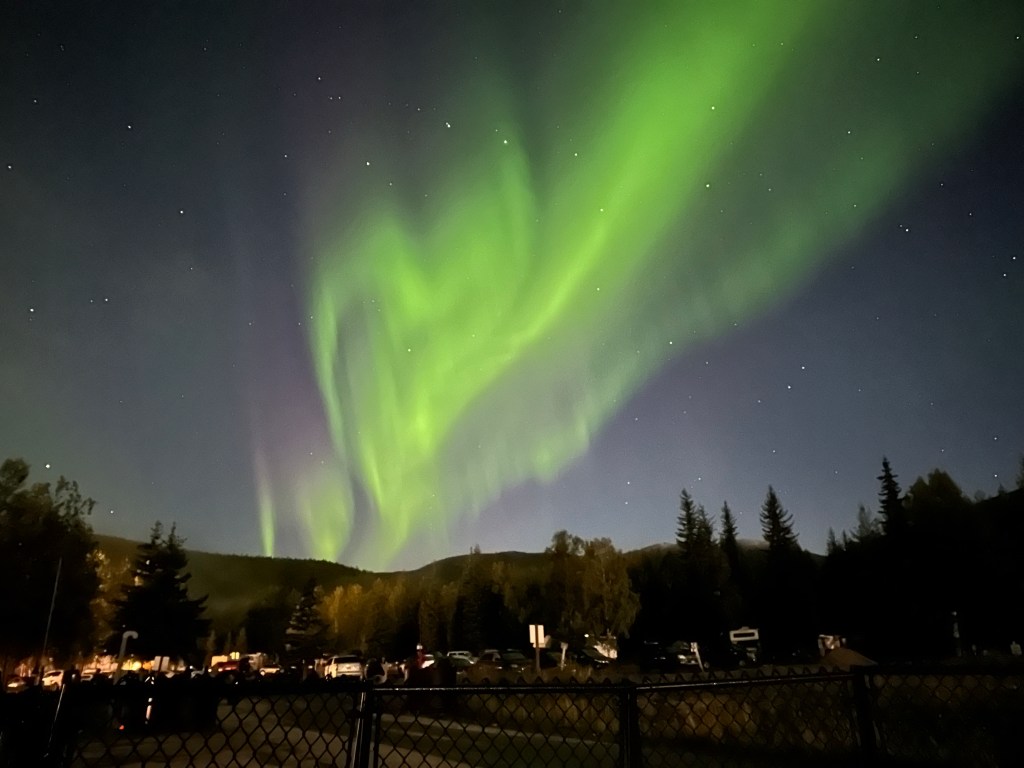
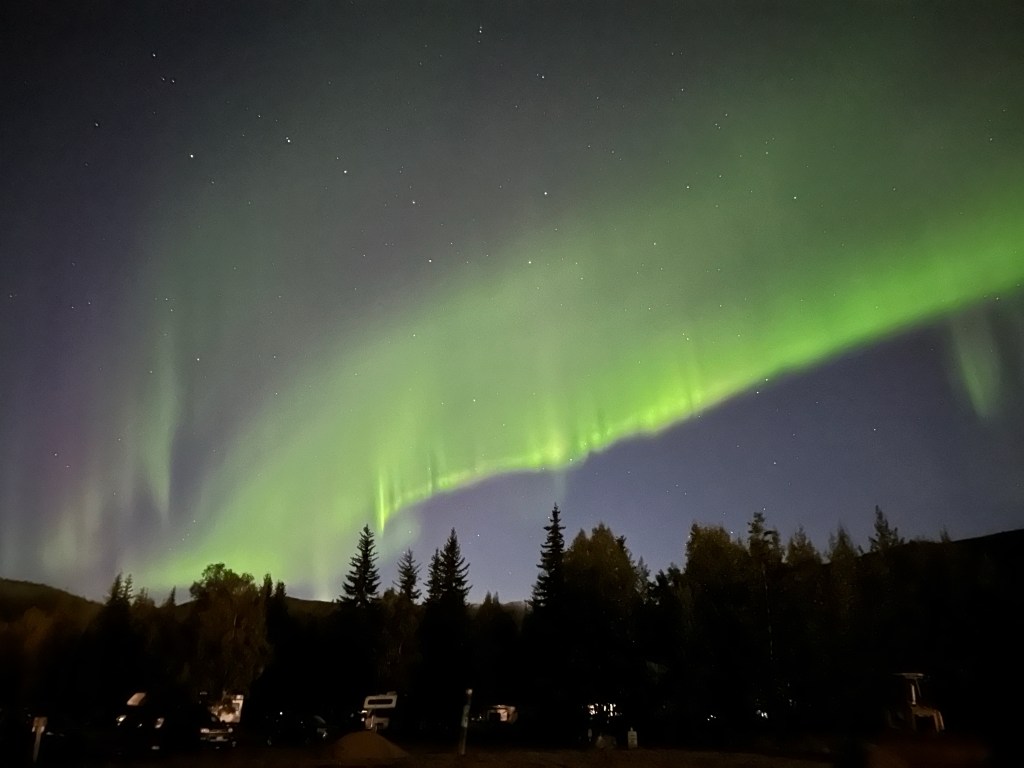
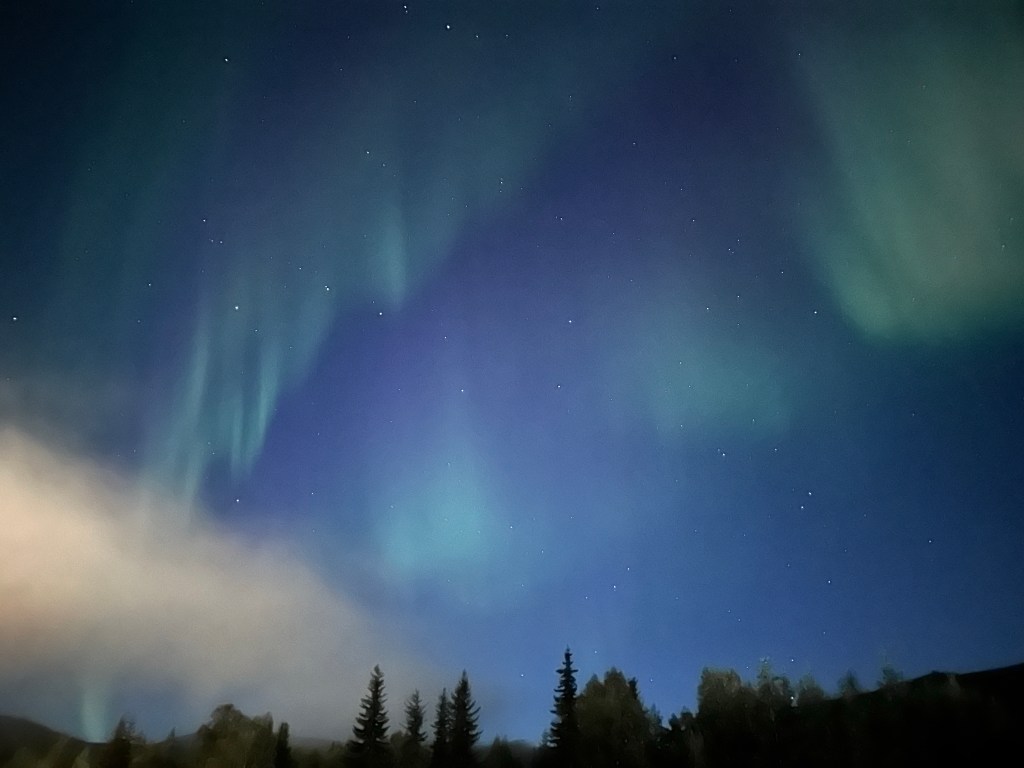
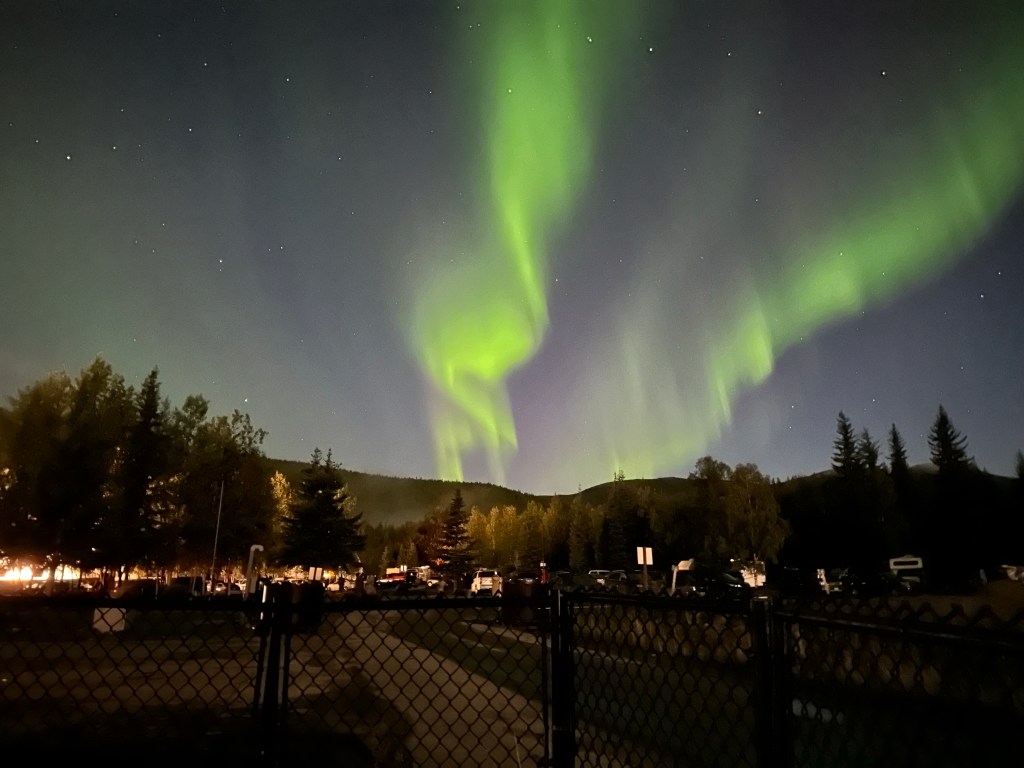
A late dinner, some reading and a documentary later, its now just after midnight and the sky is clear so we don our warm clothes, hats, gloves, coats, thermals and head torch. Then head outside and across to an open area, the end of the runway of Chena Airstrip and look skyward. We are rewarded with the Aurora, just becoming visible with the naked eye. With the camera it becomes more visible and the colours richer. It dances across the skies above us while we ignore the cold to get some photos and enjoy this phenomena.

Aurora Borealis Chena Hot Springs

(P- while we are on PH words Judith should add “and potentially get Phneumonia! ). The Aurora fades and we head back inside and to bed in the small hours of the morning. The only thing spoiling the night was the guy camped next to us left his generator running until well after 2am. (P- so Judith says, I couldn’t hear it! – Pretty sure the Aurora viewing has added even more “Brownie points” to my well overflowing bucket)!