From Cocoa Farm to City

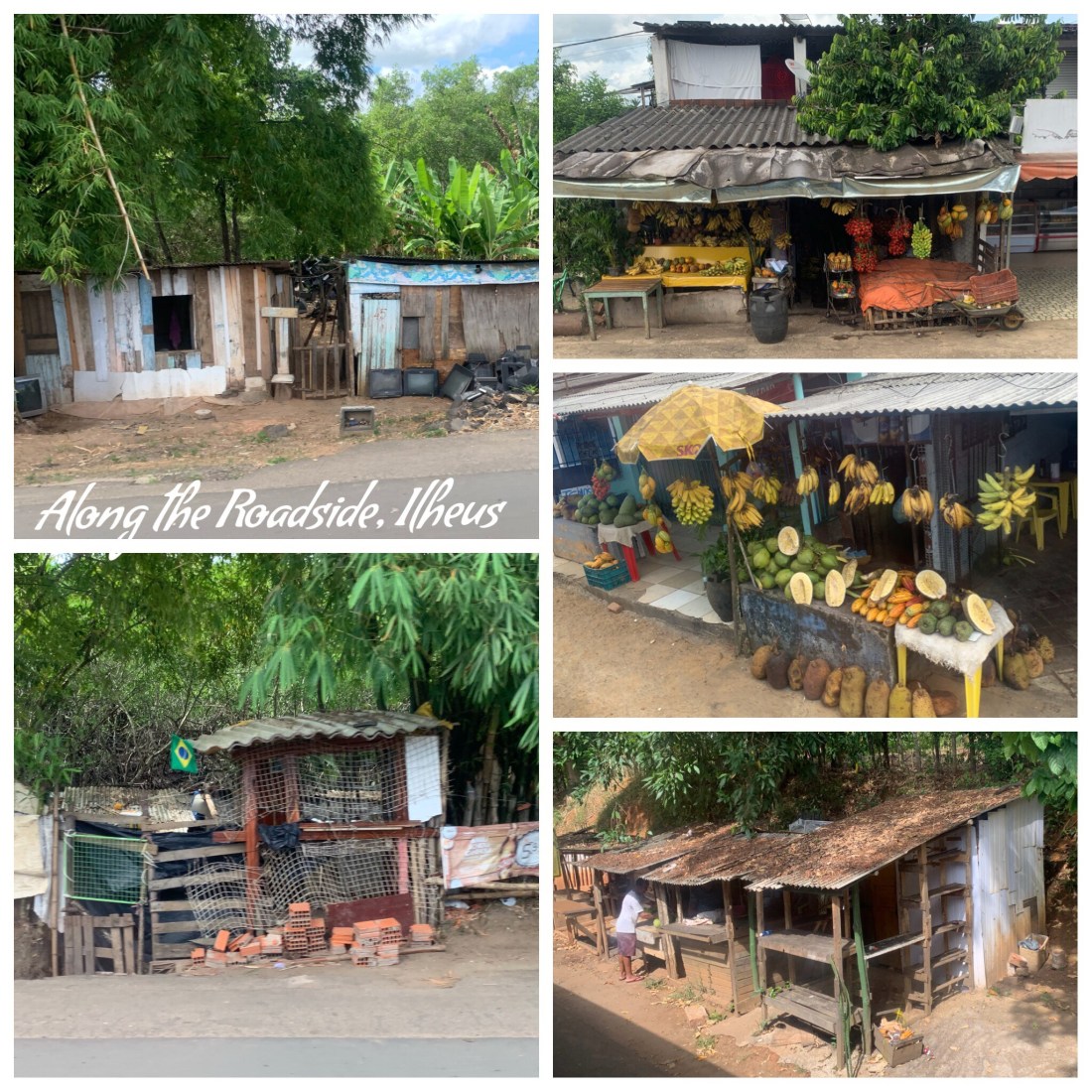
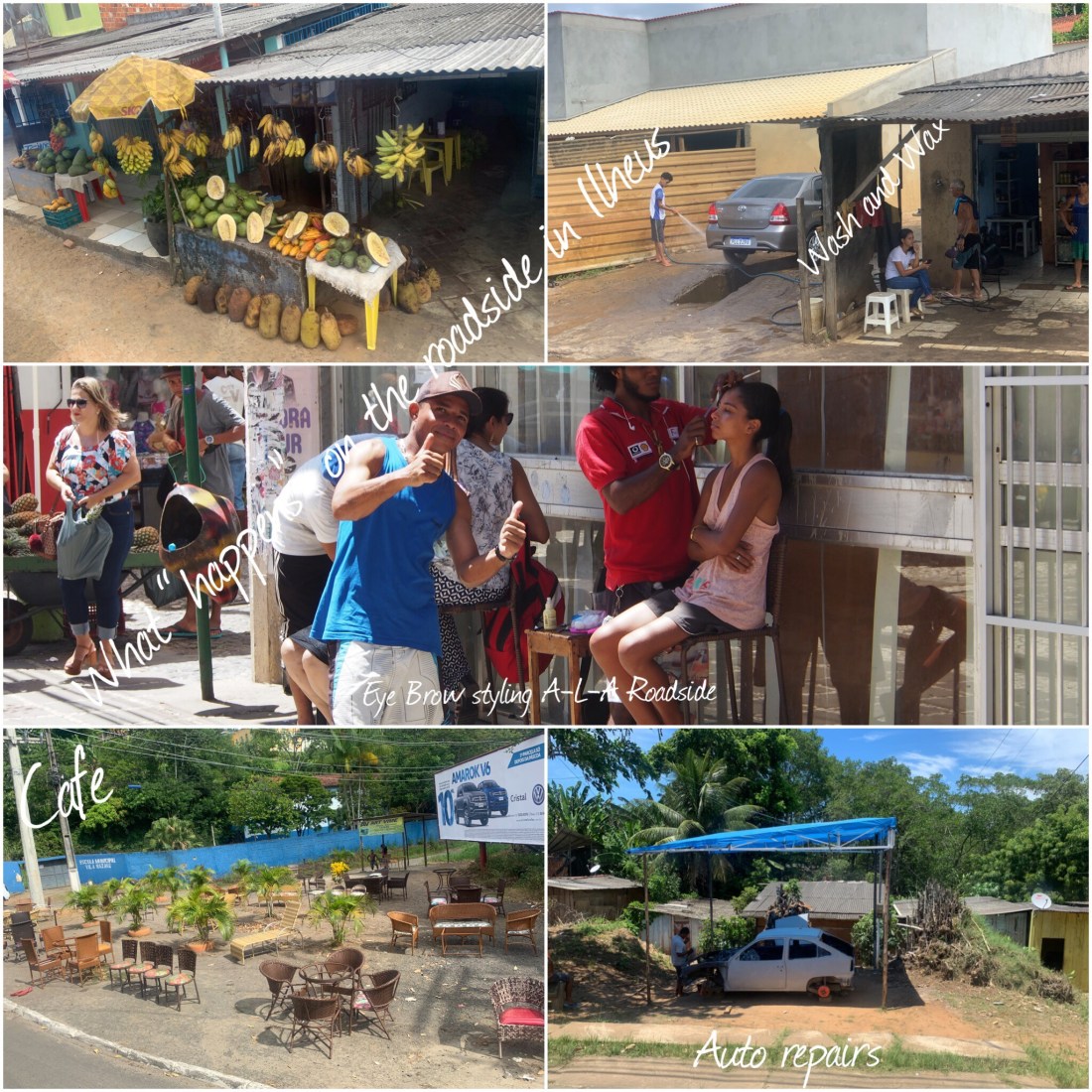
Philip has itchy feet today as we board a bus and head out to the country. Well out to the fringes of this small city of Ilhéus. (About 225,000 inhabitants). It seems almost rural as we pull alongside the dock this morning. We can actually see hills covered in trees and a lot fewer high rise buildings. There is no groomed, palm lined beaches that we can see. We head straight into the countryside, where small shanties nestle along the roadside. Road side stalls are plentiful selling all manner of fruit and veg. We are heading to one of the oldest Cocoa plantations on the coast to learn about the cacao growing process. Once we reach the plantation, the owner speaks to us through our guide/Interpreter about the history of the plantation and how it had its heyday but is now much smaller due to the downturn in the production of cacao and being divided amongst family members. He also explains the types of cacao grown here. The cacao trees are a lower growing tree and thrive under a higher tree that provides shade and holds the humidity. We walk through part of the plantation and are shown the cacao on the trees in various stages of ripeness. It’s off season so there is not a lot of fruit about. At the end of the walk our guide talks more about the processes used to harvest the cacao, all done by hand. Then splits some of the cacao pods so that we can taste it. It has a soft marshmallows substance that covers the cacao seed, which is quite sweet and has a slightly vanilla-ish flavour but the seed itself is quite bitter (P- Bitter is an opinion of Judith the sweet tooth! It tasted like dark rich coco! Unsweetened). Later we enter the plantation house for a cool drink made of the marshmallows covering of the seed and crushed ice. It’s very nice, sweet and very refreshing. Then we get to taste some of the chocolate made from the cacao. From the very bitter pure cacao to a slightly sweeter one, 75% cacao and sugar and then a sweet one with 50% cacao. Then purchases can be made from their very basic shop.
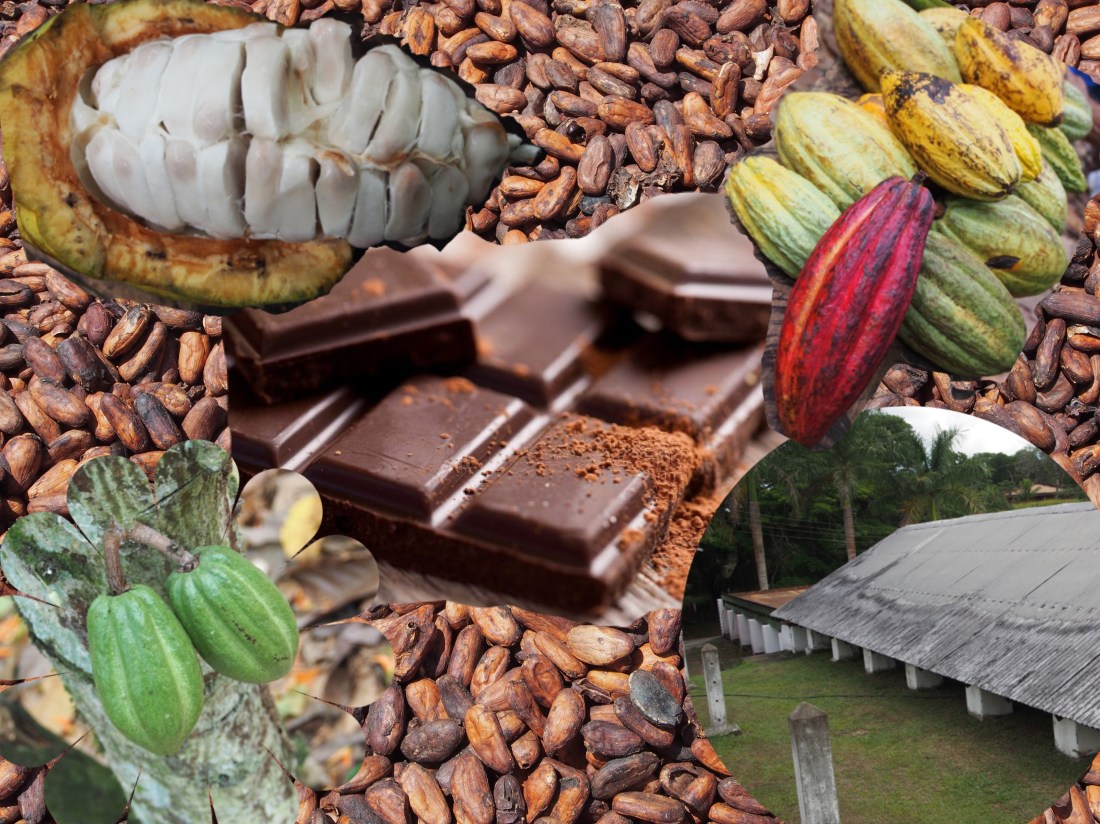
This area reached its heyday in the early 20th century when the cocoa business in the surrounding area earned the nickname the “Cocoa Coast”. During this time the city was one of the wealthiest in Brazil and there was a building boom of elaborate “Cocoa palaces” built by the upper class. The industry declined and so did the city, but in recent years much has been restored.

Ilhéus also has another claim to fame and that is that it was the home of Brazil’s most beloved author, Jorge Armado who’s novels have been translated into 48 languages. Armado lived here when writing his first novel and his house is now a museum.

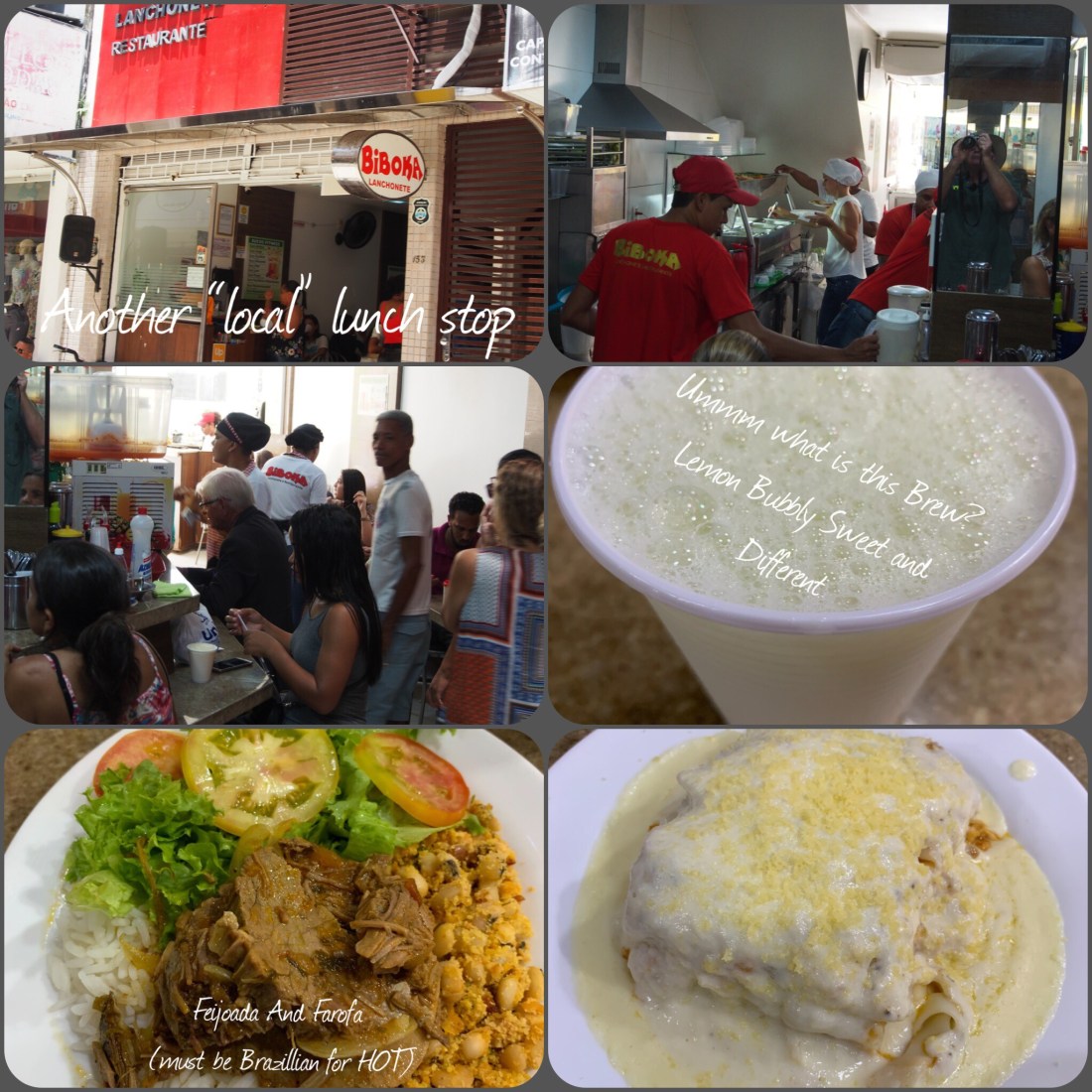
Once we are back in the city centre we head off on our own (P:- leaving the rest of the tour to immerse themselves in the local Cathedrals that seems to be a mandatory part of tours! ) to wander the local area. It’s much the same as other cities we have visited but less congested and much smaller. We stop and find a small luncheonette/restaurant and head inside for something to eat. Again no English is spoken and sign language works a treat. Philip opts for another traditional local meal by pointing to a meal on the table next to us and I choose a lasagne, Brazil style, with chicken and heaps of cheese sauce. Philip again has the hot salsa on the table and can’t help himself he has to try it again. Yep it’s still hot!!!!! Our meals were very nice and it’s a very busy little place with staff running round everywhere as it was local lunch time. After more of a wander round the town we head back to the bus for the short trip back to the ship. And another day is done. Another experience had.
Wednesday 27 Sea Day

Another sea day so it’s a lazy start to the day. Philip up on pool deck checking emails and news from home and having coffees until I arrive around 8 am. (P- I had been waiting for 2 hours!) A girls allowed to have a sleep in sometimes. Then for a swim before breakfast. Think this is the best time to swim as it’s only us and another couple of swimmers in the pool. Then down for showers and off to the dining room for breakfast. It’s the first time in the dining room this trip and I had forgotten about the Dungeness Crab Eggs Benedict. They were just as good as I remember from previous trips and I think we will be heading down here again before too long.

After breakfast we head to the showroom where there is an “Ask the Captain” gathering. First the captain gives a brief virtual tour through the Bridge and Engine Room before taking questions from the audience. Most questions were good but in a crowd this big there are always the dumb questions.

Some facts about this ship.

MS Veendam

*Captain Steve McBeath took him 19 years to become a Captain and has been with Holland America for 11 years.

*57,000 tonnes in weight

*Has 2 independent GPS systems

*It produces 5-6000 tonnes of water per day, for engines and for the hotel side. The water produced is the same throughout the ship from bathrooms to kitchens, to pools and drinking water.

*3 x 8 cylinder engines and 2 x 12 cylinder engines all turbo charged

*2 propellers both 5 metres high

*2 Bow thrusters and 1 stern 2 metres high

* Fuel average is 1 tonne of fuel for 5 miles

* 1100 guests and 600 crew

* 2 weather forecast providers

* Highest seas ever experienced for this ship is 20 metre waves off the Falkland Islands about 8 years ago. Power of waves buckled the Bow and cruise had to be cancelled. (Don’t think I would ever get on another ship if I had to endure that)

* Amazon pilotage fee is around USD $300,000 each way.

* When visiting Antarctica they have an Ice Pilot on board, these guys usually have approx 30+ years experience sailing in these waters.

As seems to be a regular occurrence Philip has had a couple of miserable health days which isn’t pleasant to witness. He just pounds his way through them, hardly complains and hopes for a better tomorrow!

Dinner was a taster plate meal prepared by the guest Brazilian chef that was onboard. This was in an optional small gourmet restaurant onboard. A very pleasant evening.

Exploring on our Own

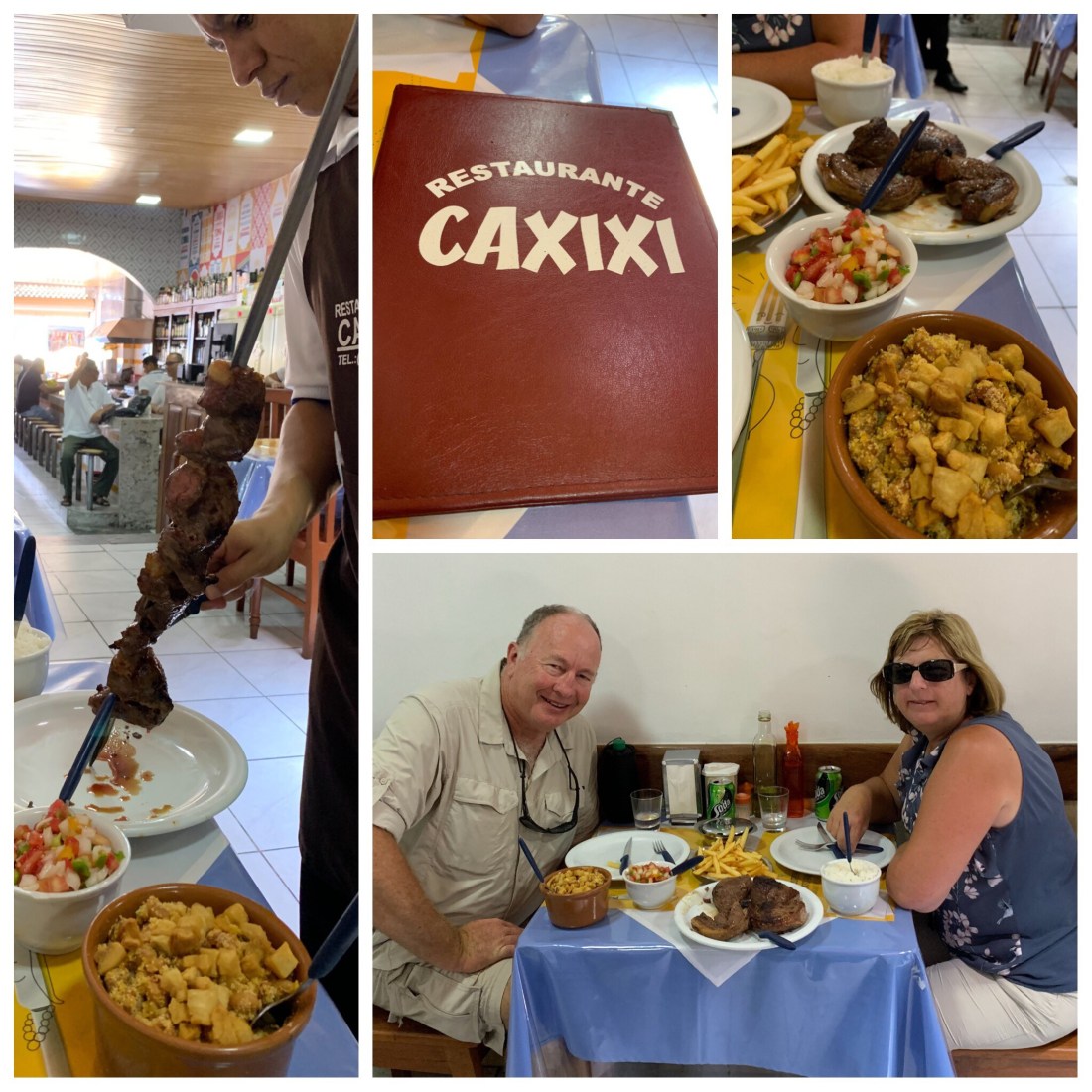
No tours today. Just our own feet, a basic map and a desire to discover the local area. We pulled into the port of Salvador da Bahia around 9 am this morning after watching the coast get closer for the last several hours. Salvador is in the huge bay of Baia de Todos os Santos and as I sit on our deck writing this blog, looking out over the bay land surrounds us. The city behind and beside us and in the distance hills, islands and numerous boats of all shapes and sizes and an oil rig in the distance.

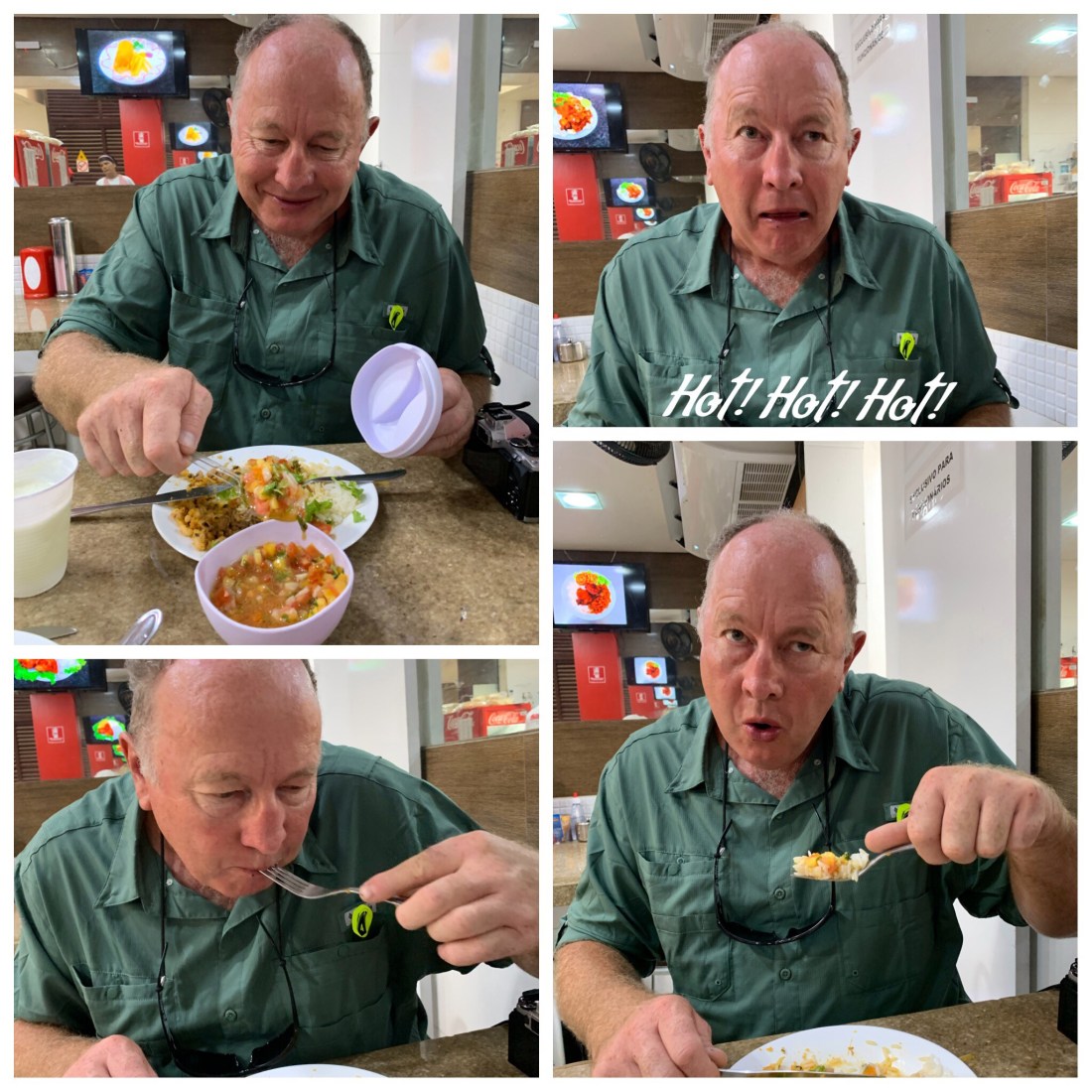
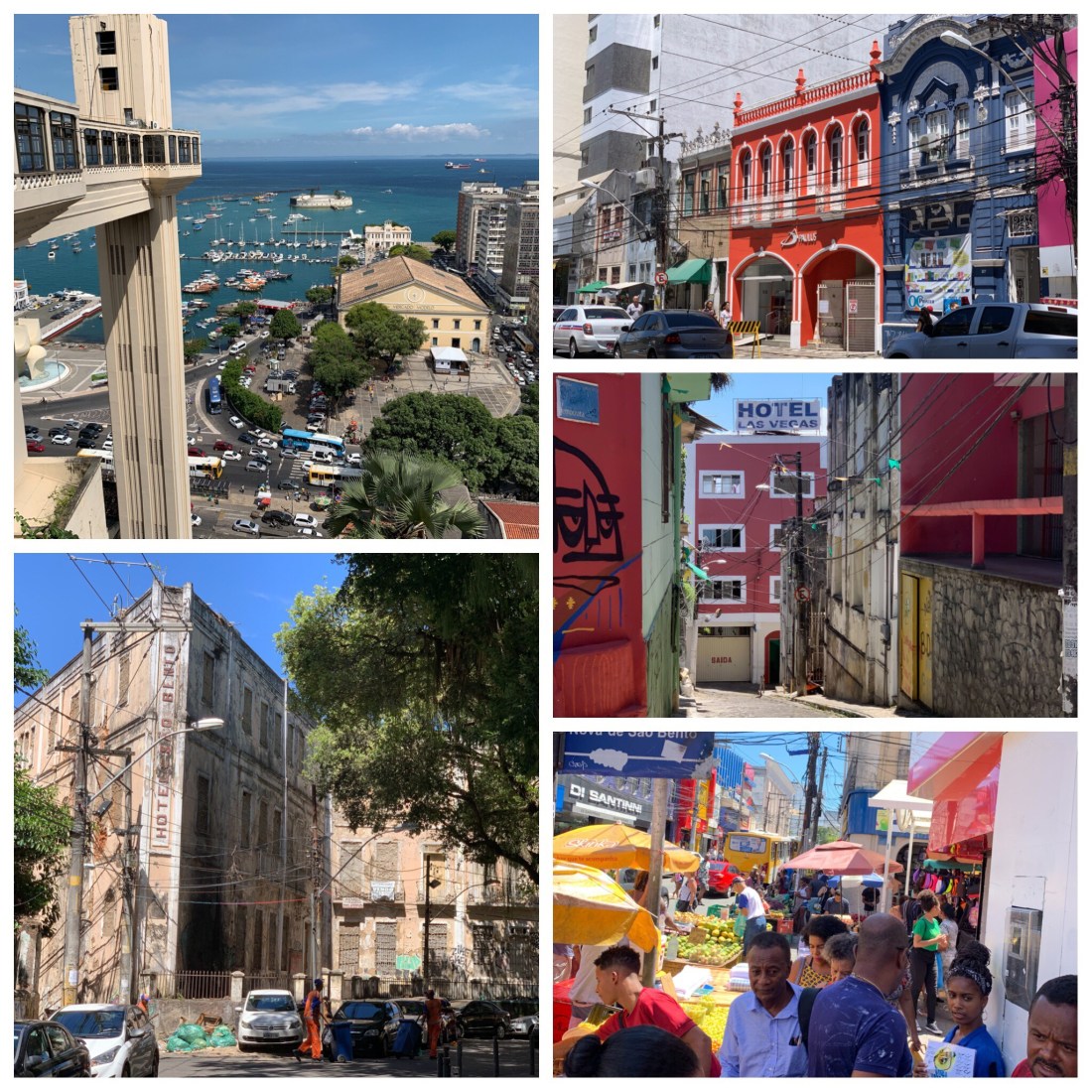
We decided not to do a tour today as the city is right on our doorstep as we disembark the ship. The city here is in two parts, the lower city and the upper city. From where we are berthed we only have to walk 500 metres and we get to the elevator that takes us up 280’ to the upper city. Our plan is to walk and discover the local area, so not straight up the main road to the cathedral etc. We head off to the right of the main area for some great views out over the port. It’s really nice just to wander at our leisure and not have 40 others looking at the same things. This area is really old, being founded in 1549. It’s really amazed us the history here in Brazil. We knew it was old but didn’t realise just how old. The buildings are amazing, colourful, decaying and many are colourful stores selling all manner of goods. After many stops for photos, some shopping and soaking in the surrounds we wander down a narrow alleyway and stumble across a small restaurant for lunch. They don’t speak English and we don’t speak Portuguese but pictures and sign language get us a delicious meal of steak, rice, salsa some floury stuff and some fries. The waiter gestures to us that one of the salsas is mild the other is hot. Philip being the food connoisseur that he is, is keen to taste everything and puts a spoonful of the hot salsa on his rice and then takes a bite. I thought I was going to have to scrape him up off the floor after he had melted, the salsa was so hot. He was speechless for a few minutes and very red in the face. I did have to chuckle to myself. I must say the rest of the meal was extremely nice and it was a great experience to have a traditional meal in a real local Brazilian restaurant. The guest chef on board had actually demonstrated how to make the salsa and the flour stuff several days ago so it was good to taste it. Believe it or not Philip had to go back for another taste of the hot stuff just to re confirm it was soooo hot!

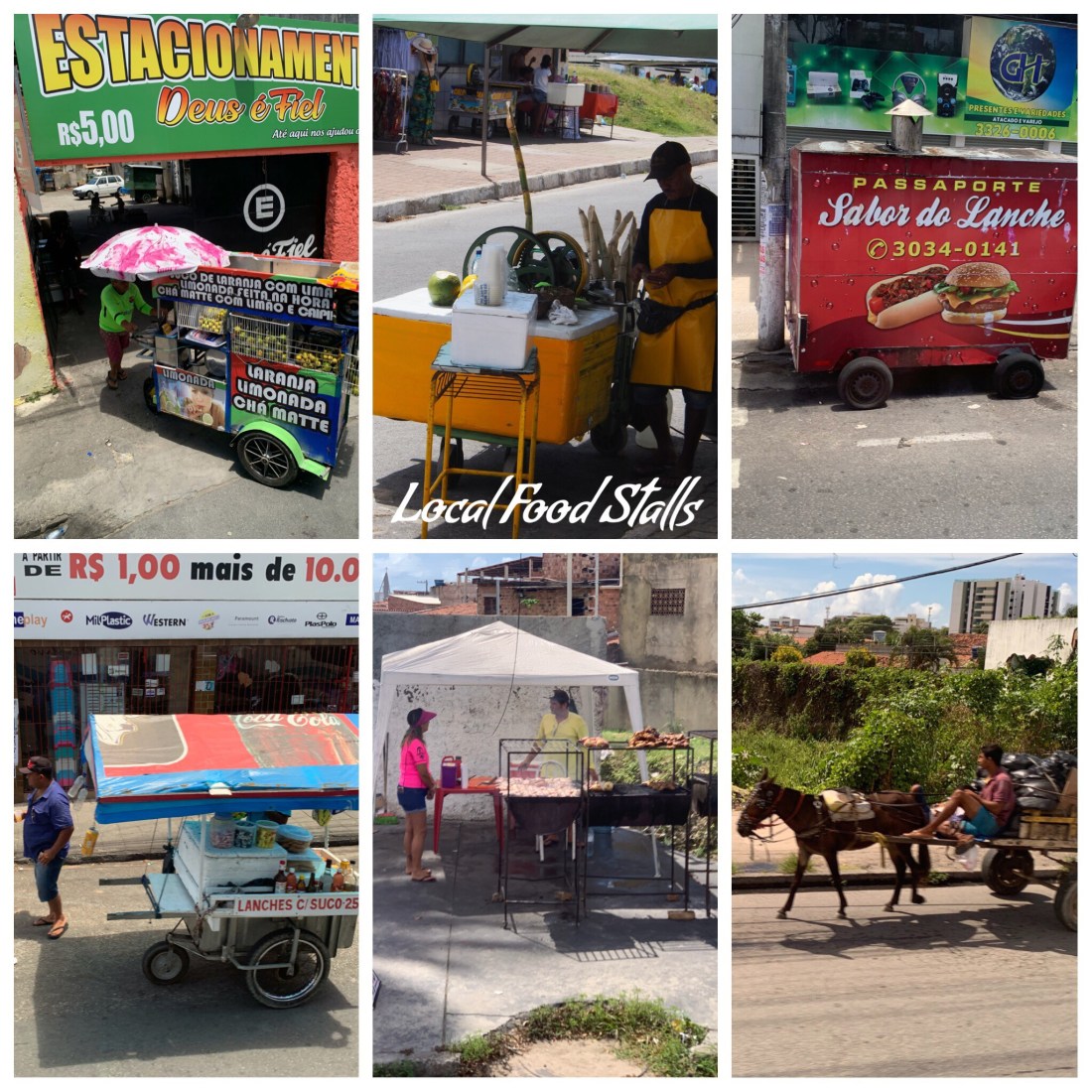
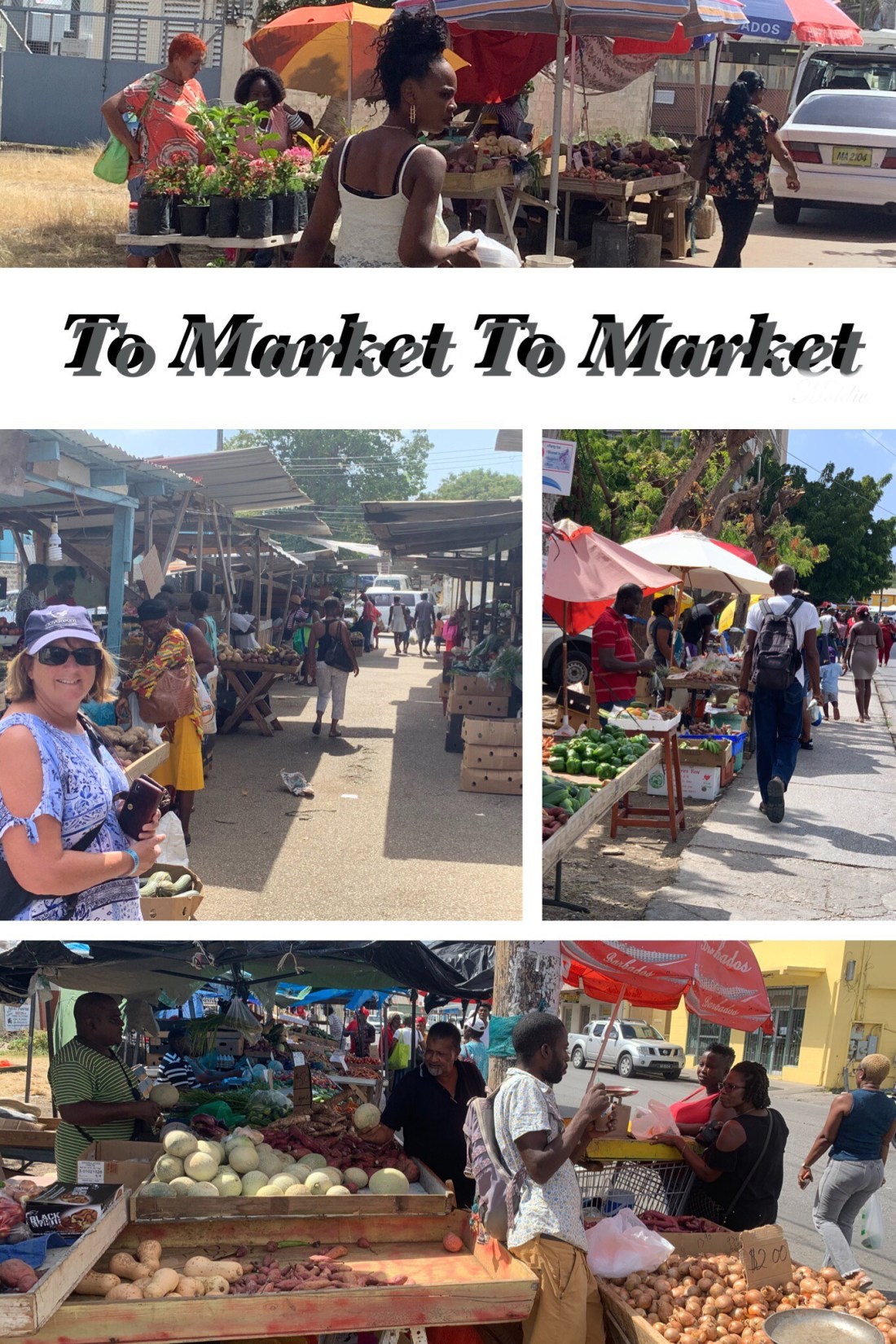
Once we left the restaurant we wandered just a few steps down the street and were confronted with a guy carrying a side of beef over his shoulder into a nearby butchery. No wrappings over it just fresh meat over his shoulder, in 32 degree heat. We follow him into the butchers and were amazed at the cuts of meat and the displays of salted meats on show. Philip was loving it. Also around this area were small stalls of fruit and veg, pineapples, plums, grapes, green veg, stands selling coconuts where they cut off the top and you can have coconut water. The smells assault you as you turn into the alleys with the fruit and veg, meats and fish and piles of rubbish.

After wandering up and down cobbled streets, in and out of alleyways, in and out of numerous shops, clothing, shoes, fabric, haberdashery, food and hardware and not having seen any people that were obvious tourist from the ship for the last 4 hours we decide to start heading back. I have no idea which way to go or how to find my way back. Our map is useless as we are not in the tourist area, so google maps is started and we head in the right direction.

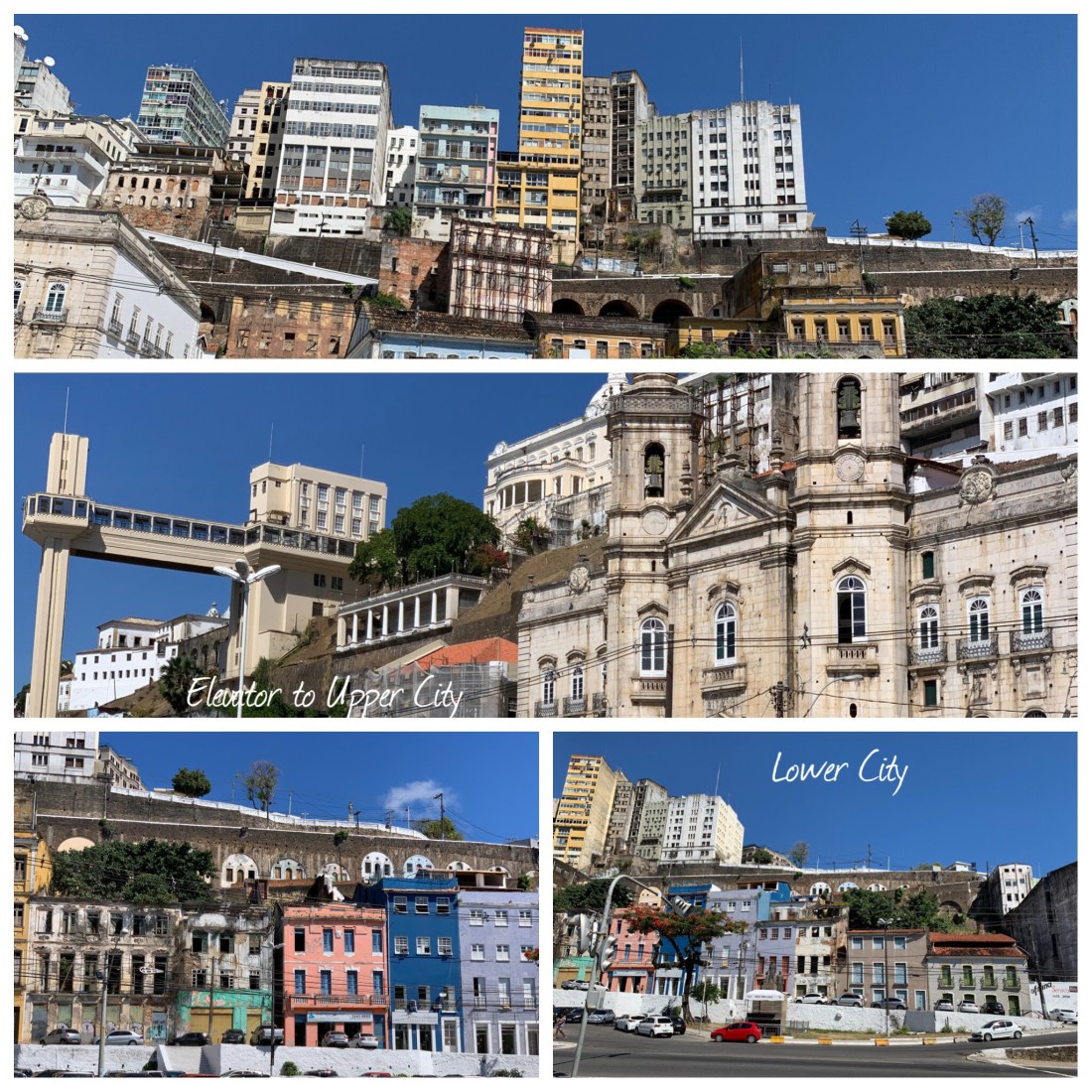
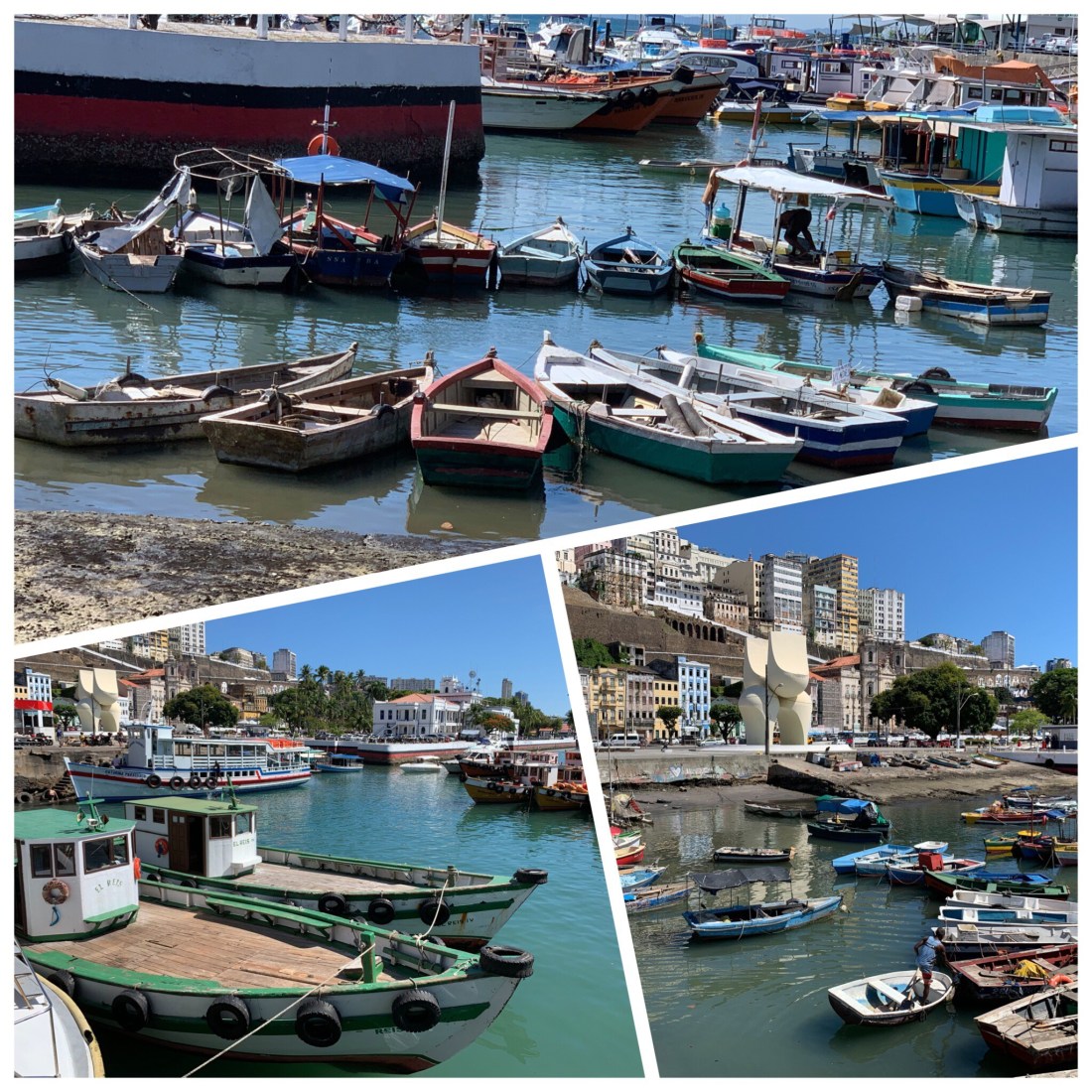
Once we take the elevator down to the lower city we decide to walk along the waterfront. There are some small boats moored near the shore, one being a dugout canoe, which actually looks more buoyant than some of the other small dingys. As we walk along the waterfront we can look back up at the Upper City and can see just how old some of these buildings are. It’s a fascinating mix of ornate buildings, old archways under the roadway, steep banks where there would once have been gardens, derelict buildings, roads and pathways. If only some of these buildings could talk they would certainly have some stories to tell.

By the time we arrive back at the ship we have walked 10 kilometres, mostly on cobbled streets, through narrow alleyways, up winding streets, past history and among the locals and through another UNESCO World Heritage Site. We haven’t visited a tourist site or cathedral but we’ve had an awesome lunch, made some purchases and had a great day in an area away from the tourist trappings. Now for a swim and relax before we meet up with Kass and Ed and another couple for dinner later this evening.

Philips turn to do the laundry ( a few things to hand wash) today so I pass him all the dirty clothes and I head out to the deck for a drink. After a short time I come inside and hear the spa bath going. I stick my head in the bathroom and here’s Philip with the bath full of water and soap suds and the jets on the spa going, “doing the washing”!! I guess it works and is easier than scrubbing by hand. It doesn’t take long for everything to dry as the sun is shining straight onto our deck and our chairs make good clothes hangers.

(P:- An awesome day but would have been cheaper to go on a tour! Not that anyone is counting but, 3 pairs of ladies leather shoes and ladies top later and all I got was to carry the bags!!! It’s a long time since I have seen lifts with attendants, every purchase with a hand written receipt, beautiful smiles and complexions and well dressed people in bright stylish clothes. A fun fun day!! And came back to ship exhausted and in need of a siesta.

A fact or two.

– Population around 3 million

– Ford have a car manufacturing plant here.

– Monsanto have a chemical plant here that produces Roundup, it employs approx 3500 people.

– The MS Veendam loaded 8 x 40’ containers of supplies on board today (to prevent me from getting hungry).

Recife and Maceio

Recife, Brazil, Saturday Feb. 24

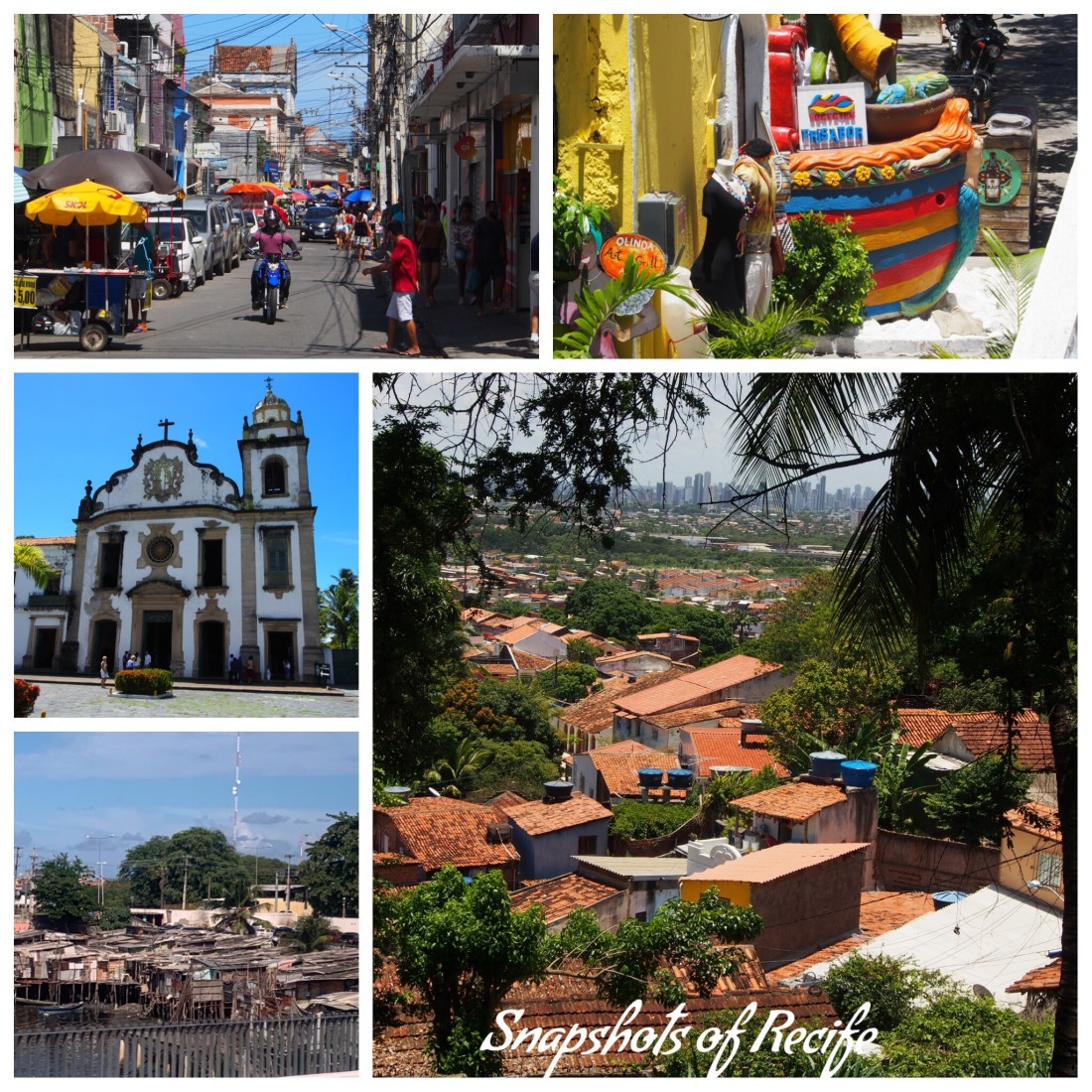
Known as the Venice of Brazil because it is crisscrossed by rivers, canals and bridges. This city of 1.5 million (approx 4 million in the total metropolitan area) is the capital for the state of Pernambuco and one of the largest cities in Brazil. It was founded by the Portuguese in 1534. Today Recife is an interesting mix of modern metropolis, colonial settlement and tropical beach resort. Located at the confluence of the Beberibe and Capibaribe Rivers. Recife has something for everyone, history, culture and geography, charming colonial buildings, skyscrapers, historical churches and emerald green waters edging palm lined beaches.

We are off on a tour of this interesting city and our first stop will be the UNESCO World heritage city of Olinda which was founded in 1537 and is considered one of Brazil’s best preserved colonial cities. The town is perched on the only hill visible and narrow cobblestone streets wind their way through the town area. The city is preparing for Carnival which starts next Friday. Streamers are everywhere, town squares are filled with dancers and drummers. Stalls are selling food and paintings, linens and crafts and all manner of other tourist baubles. The houses are all pastel coloured, many with lattice work and heavy doors and red tile roofs, this makes for a very pretty outlook. From the lookout at the top of the hill we can see right back over the city and port area where we are docked.

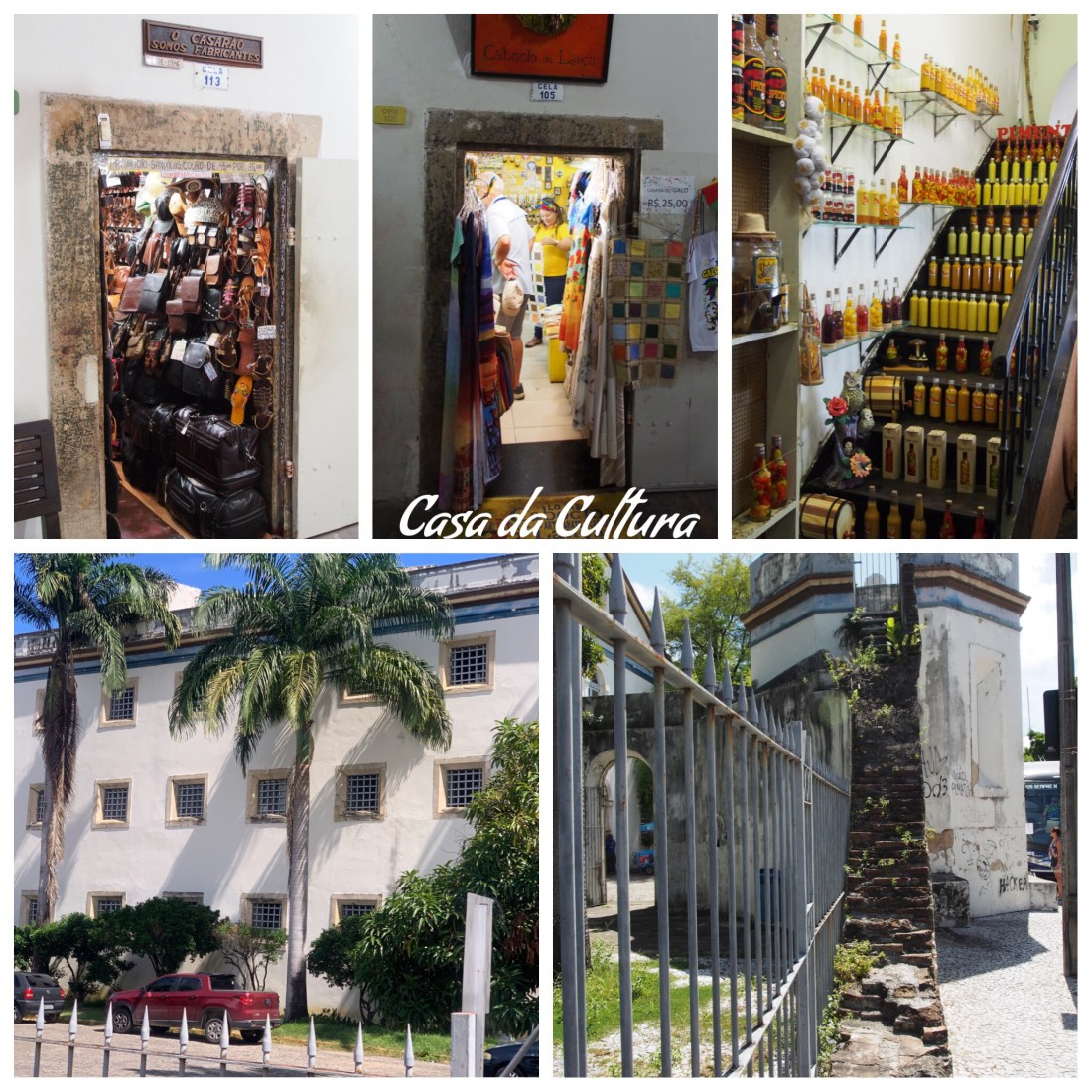
From Olinda we head back down into the city where we visit the Casa du Cultura, a former prison turned into a handicraft market. This is a fascinating old building with the many stores housed inside the prisons cells. Steep stairs lead to several higher levels. The outside is much the same as it used to be but the original wall surrounding the prison has been taken down and the area opened to the public.

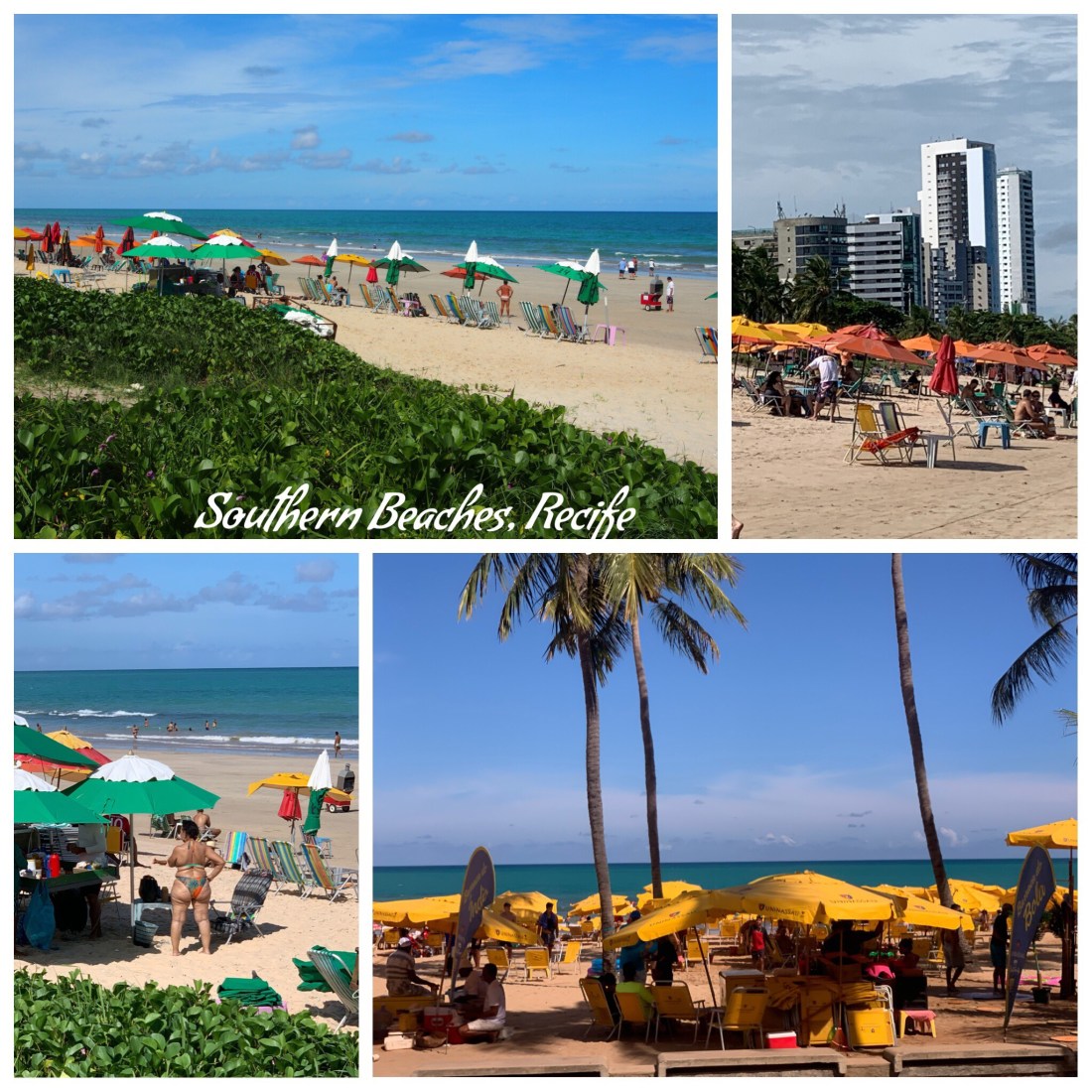
Before heading back to the ship we made a last stop at the southern beaches. High rises on one side of the road, beach on the other. The beach is again covered in deck chairs and umbrellas, kiosks selling food and others selling, kites, drinks, hats etc. The tide is out and there is a reef that runs along the beach protecting the shoreline. The water is 29 degrees. Very warm!

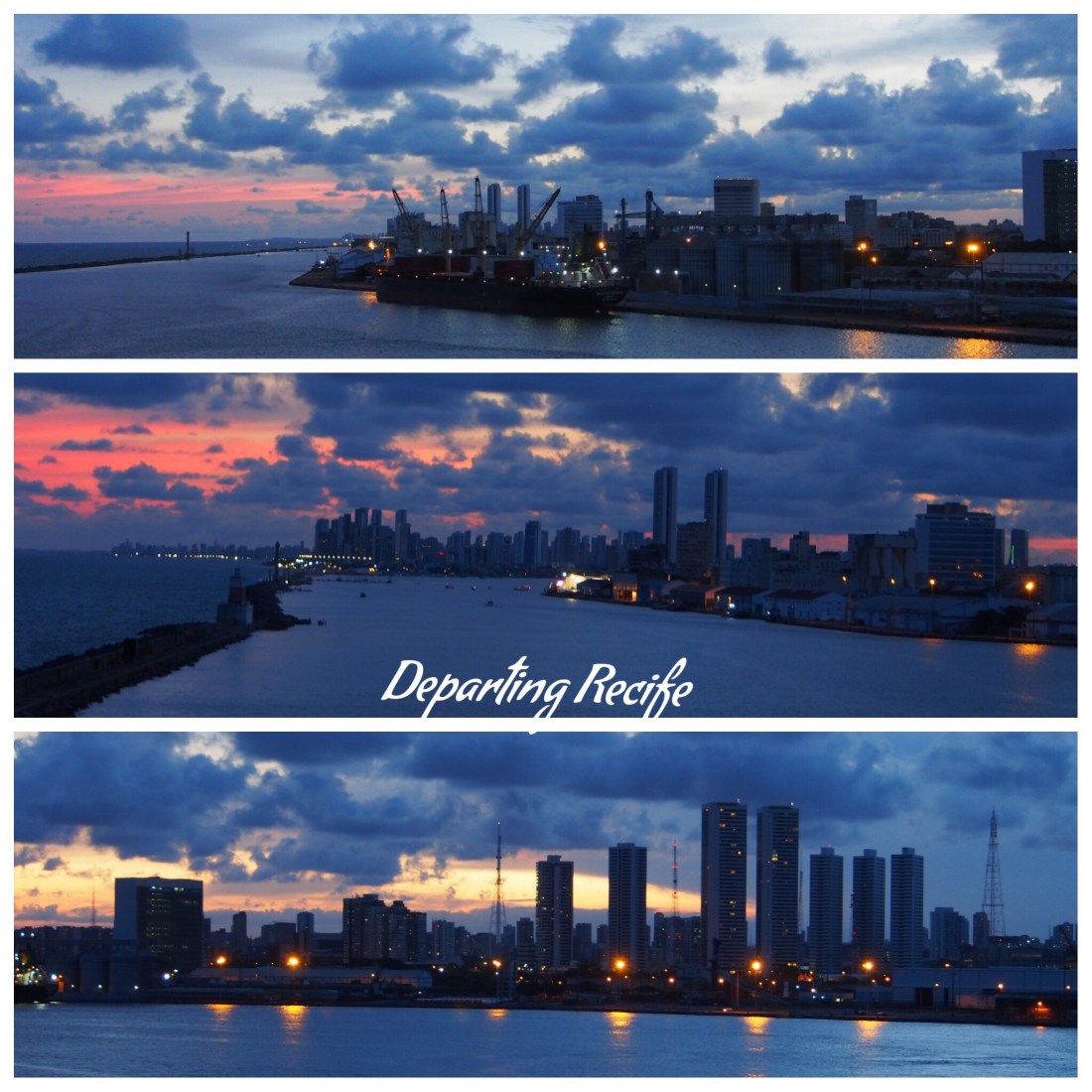
As we left port the sun was setting and the lights of the city glimmered on the horizon. We turned and followed the coast watching the lights for several hours as the towns and cities hugged the coastline. It makes for a pleasant evening sitting on our deck, enjoying the warm evening and a drink as we relax before dinner.

Maceio, Sunday

We arrived in port around 7.30 this morning and reversed into our docking spot just in front of a bulk carrier loading wheat. Looks like this vessel had to be moved back so that we could tie up along the dock. This is a much more industrial area, with several other ships in port.

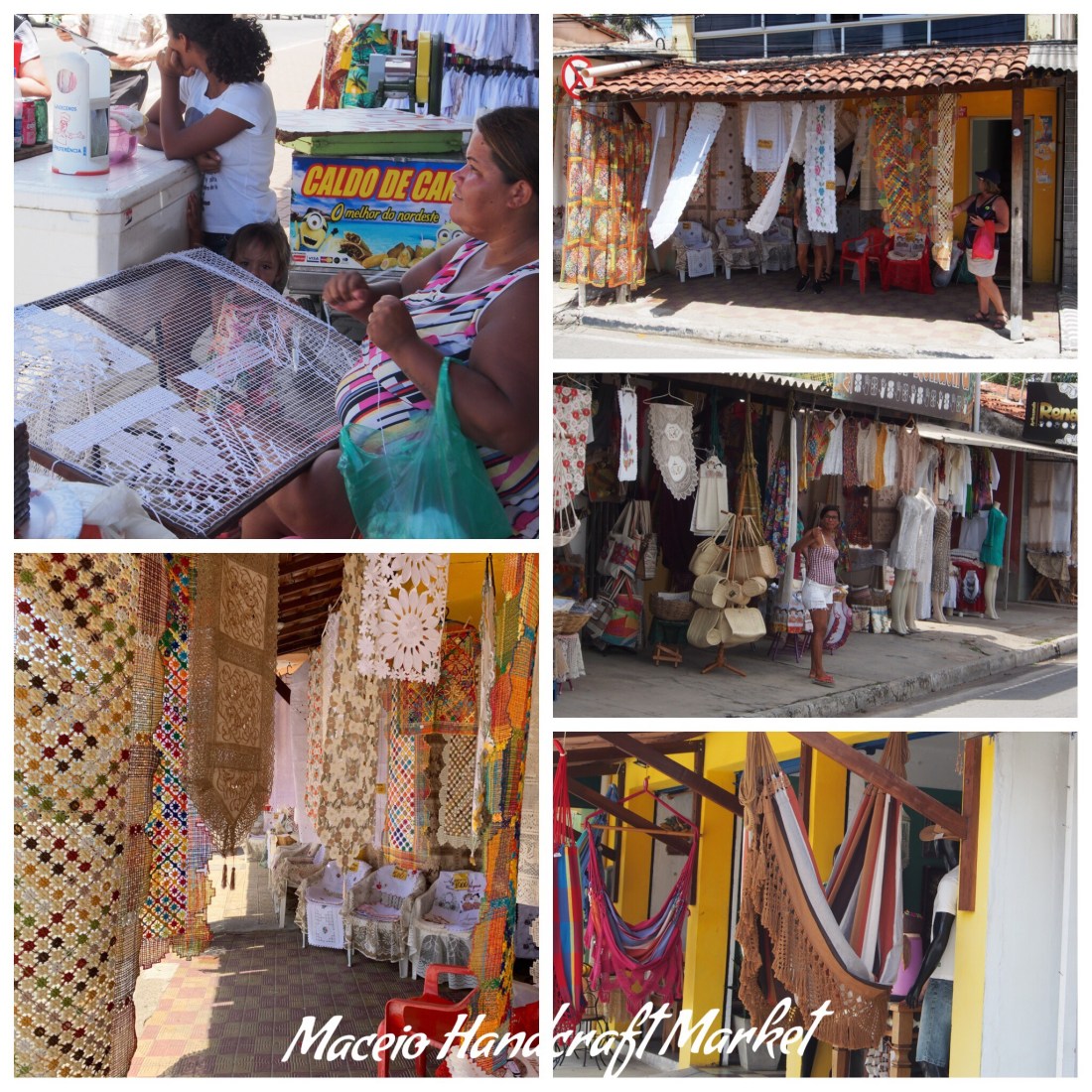
After a hearty breakfast, we headed ashore. Again we are doing a tour. As most things are closed, because it’s Sunday, we figured we would see more on the tour. Our guide Nina was very good and gave us a good overview of this city. We passed several of the local beaches which are all protected by a reef. Then through the city centre, which is all closed up being Sunday. It would be a thriving place any other day. We stop at the Ponta da Barrah handcraft market on the edge of a lagoon, where fishermen and artisans produce and sell their local arts and crafts. This area is renown for its handmade lacework and baskets. We wander through the market enjoying the colours and displays along the street. In amongst it all is a small area with fishing nets, a fisherman cleaning fish, and a few small boats. Further on Philip spies a lady actually weaving the lacework and she is quite happy for him to photograph her.

(P- STOP-PRESS Judith omitted to mention she “Invested” in some local craft! Well at least it was local, original and not made in China with the label removed!)

After driving through more of the city, visiting the Metropolitan Cathedral, government and historical buildings we head to Mirante de Sao Goncalo Hill for view our over the city. Then back to the ship, through the port area.

The city started out as a small fishing village, then an important port and then finally became the state capital. Jaragua, the port area used to be the biggest port in the region, today all the warehouses and buildings have been turned into restaurants, shops and nightclubs.

We are back on the ship just after noon for a 1.30 departure. After some lunch and a swim I watched some dolphins play alongside the ship as we pulled away from the dock and out past the break wall. A small fishing trawler motored past with its nets out and many small boats bob around in the waters close to the pier.

We have met another lovely couple, Kass and Ed, who we have done several tours with and met up with for dinner together. They are from Pennsylvania, near the Amish area. We had a great evening together at dinner and look forward to doing it again before they leave the cruise in Rio.

I’m off for a walk around the deck while Philip has a snooze (like 2 1/2 hours!). Here’s what I found as I walked around. There are a couple making plans for the next ports, a man with an ice pack on his shoulder. A snorer having a great sleep, people reading or pretending to read but with very heavy eyes. People listening to music, a lady in a fairly brief bikini sunning herself, a lady with a sore leg propped up on a rolled up towel, a man covered in tattoos, a group of people having a drink, a couple having coffees, a guy doing some yoga or exercise of some sort, the guy from the pool deck who watched movies on his reality screen and of course other walkers, slow and fast.Each lap changes as does the view along the coast. The city fades into the distance and the coastline fades away and then reappears. It’s smooth sailing and a warm breeze blows over the deck. It doesn’t take many laps to work up a sweat so after six or seven I’m off to have a swim.

(P- it’s very interesting wandering around these old cities and surrounding countryside. The places we have visited so far show signs of once being very prosperous, Alas it appears not so much these days! I am not a city person so it’s always good to get a look at the countryside where possible, if that’s not possible the industrial side of town always tells a story or two. It’s a personal preference but to me a glance at an old municipal building or Cathedral is enough. Give me a wander thru a fisherman’s port and market any day! Having said that the age of these towns and cities has surprised me and I do love the warped, sunken, misshapen terracotta rooftops on the residences.

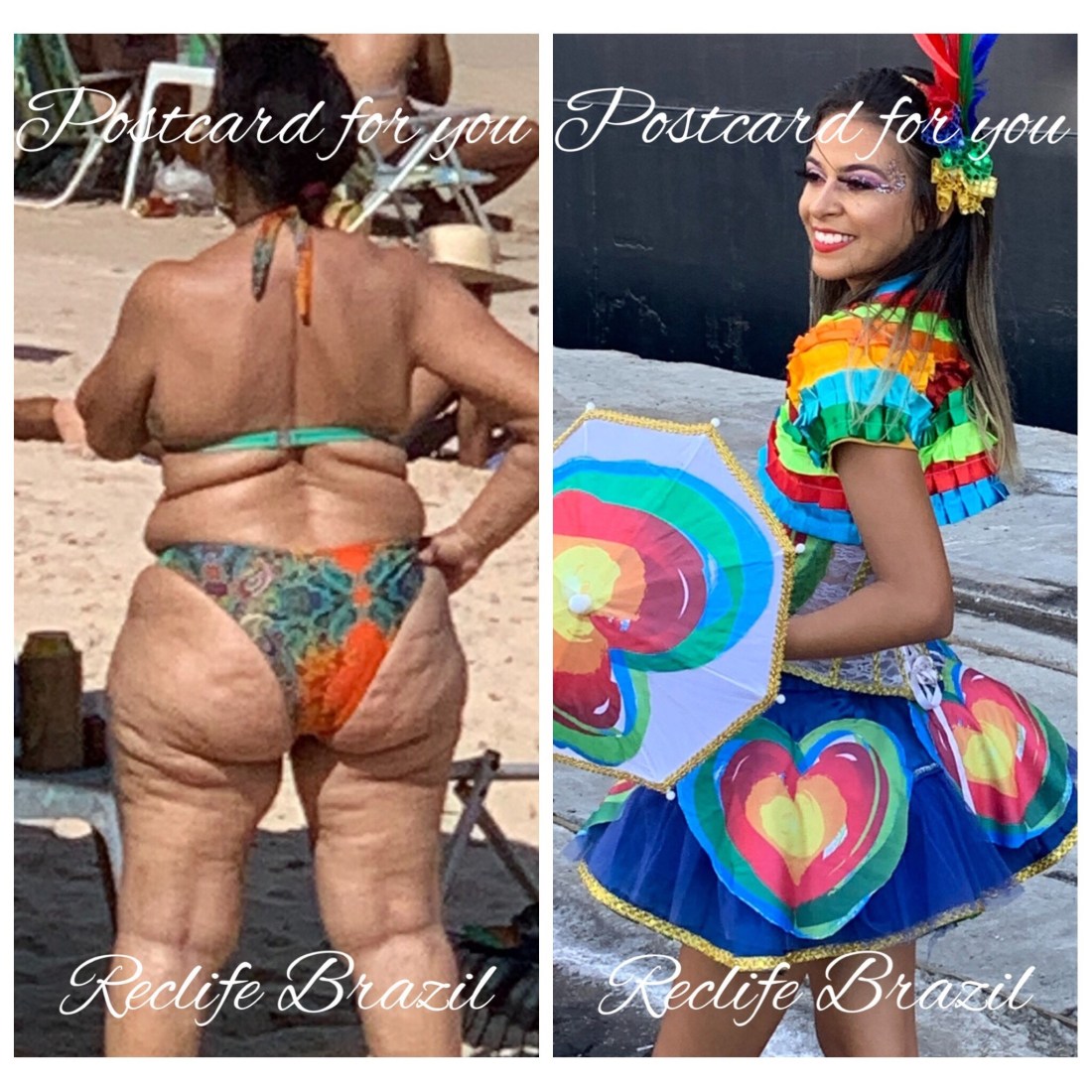
There seems to be a lot of beautiful dance costumes being worn with the Carnaval season just beginning, the colours needlework etc in these are outstanding. Along with that there appears to be a competition on the beaches ( nudity is illegal) to use as little material in bathing costumes as possible. Probably a pity there are no mirrors on the beach for some to see what they ( don’t) wear! Below are a couple of “postcards” of costumes seen!)

Amazon Delta Taster

We have now crossed the equator, heading south. The swells have been larger than I like, (P:- Judith has tolerated the ships motion very well! With a bit of luck I may now have a more eager “First Mate” in our own boat)! but I have survived and the seas are now calming down. The Crossing The Equator Ceremony was cancelled due to the pool being too rough to use. The mesh cover never came off it for almost three days. At times it had quite the wave action happening even with the cover on. It didn’t stop guests from preening themselves poolside. One guy has laid beside the pool every day with a reality screen strapped to his face that plays movies. He is in the same spot almost all day every day. There is another guy that every time we see him he is in the guests bathrobe, by the pool, on the Lido deck getting food, In the hallways and even on shore wandering around the port areas. I don’t think this should be allowed but each to his own.

Today we are heading for Icoaraci, Belem, our first stop in the Amazon Basin. Belem is about 100 miles up the Guama River and is the capital of the Para district. The river defines the lives of the cities inhabitants and many of the city’s most interesting sights. First settled in 1616, the discovery of rubber and its importance in the 19th and early 20th century triggered an economic boom in Belem. It was during this time that most of Belem colonial buildings were constructed. Today Belem is still an important commercial and economic centre, transporting immense quantities of fish, shrimp and timber.

We are off on a tour of Belem and after being tendered ashore we boarded our bus for the short drive into the city. Just arriving shore side was an experience. We were on a local tender, double deck wooden, that hadn’t seen a coat of paint for many years. She held 190 passengers for the short ride and as we neared the dock there were dozens of local boats coming and going from the dock. Fishing boats, ferries, boats loaded with nets, small skiff type boats with no shelter and larger ones with cabins and shelters. Lots with blue tarp sheets tied to masts, covering goods, or shoved in corners. And all this we could see before we disembarked. Then as we climbed the walkway, dancers and drummers filled the area, then fishermen, ferry drivers, taxi drivers and guides. Then off to the bus for the short 30 minute drive into the city of Belem. The standard of living here is much different to what we have at home. Small shanty type homes crammed together along the waterfront. Fishing huts, workshops, shops, fuel stops, all in no particular order.

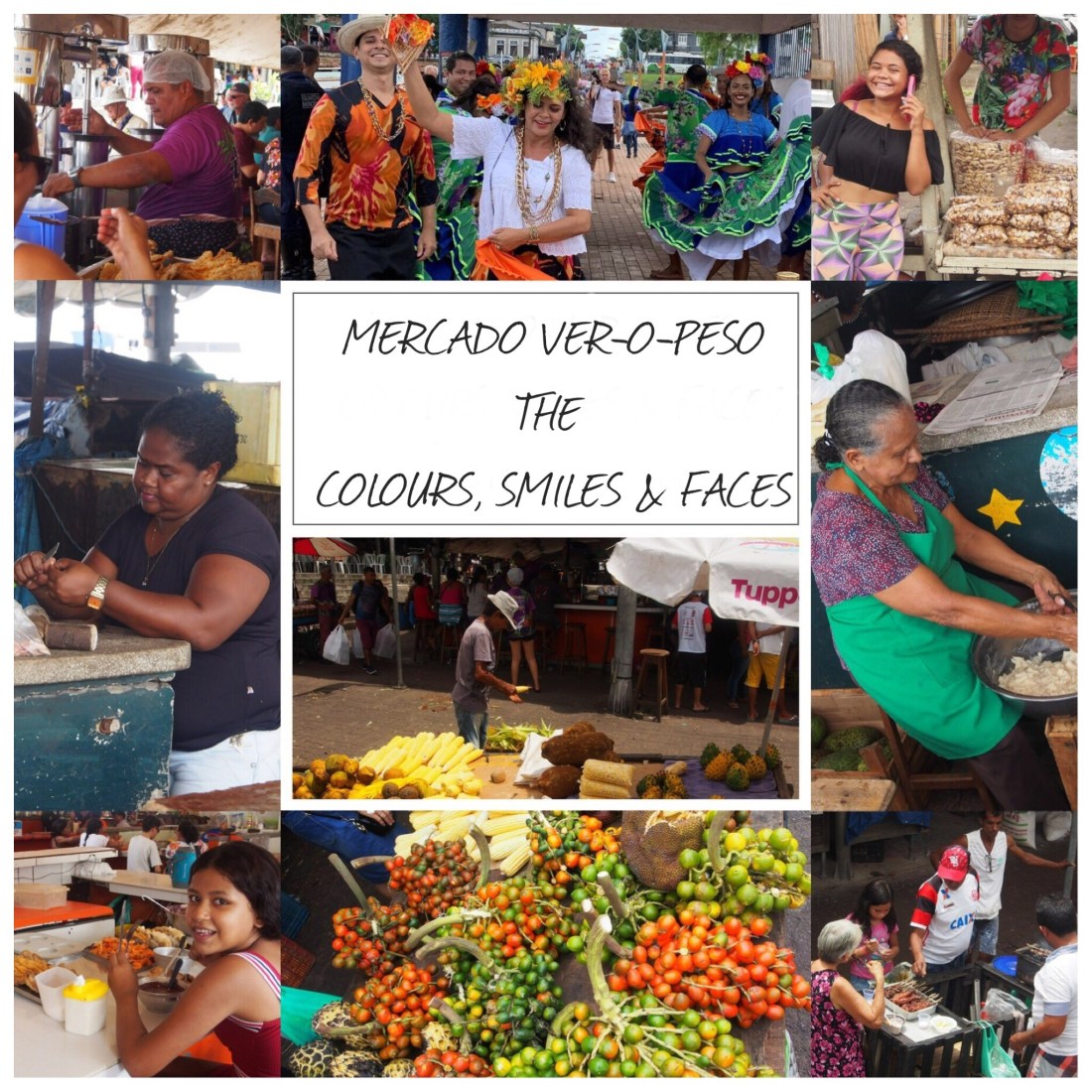
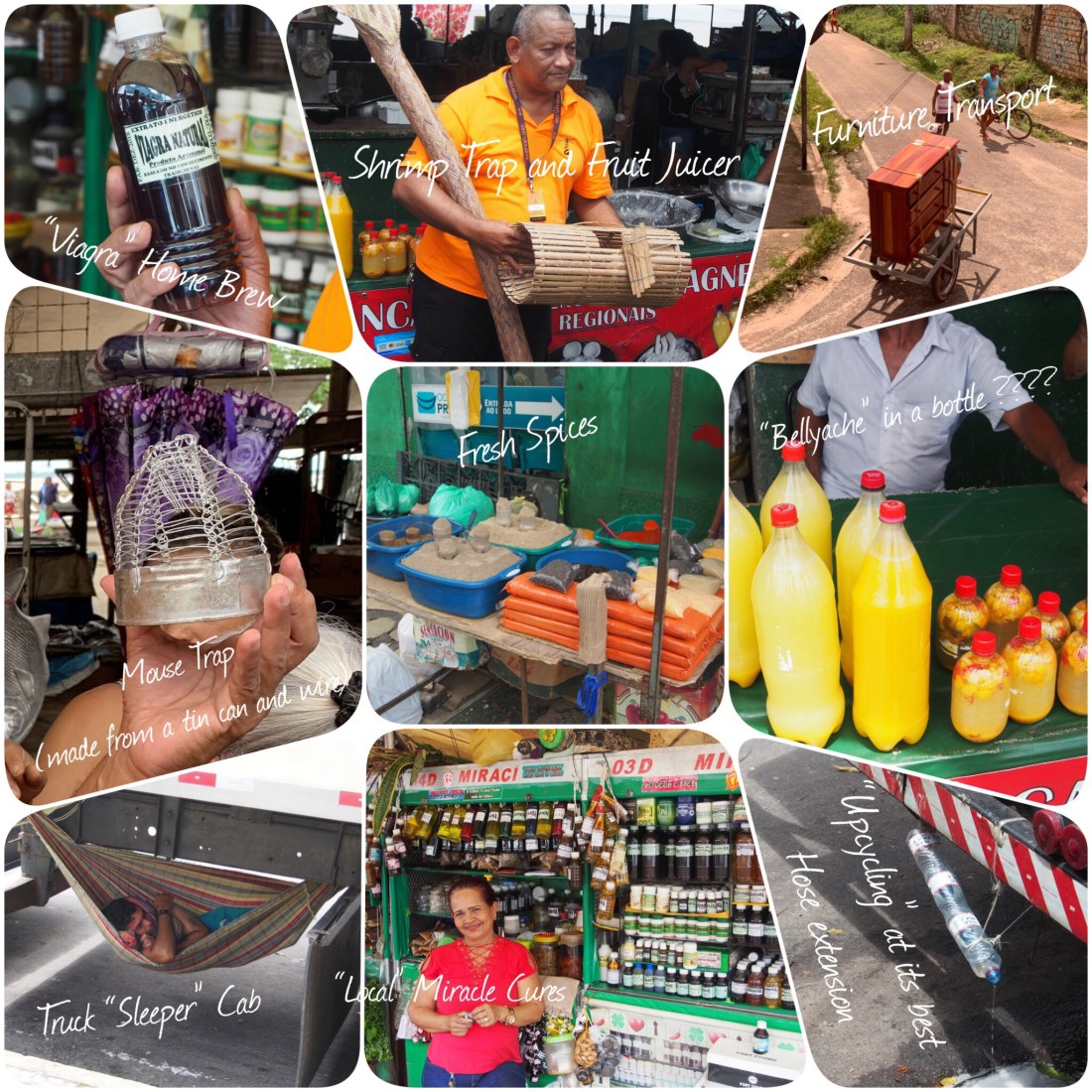
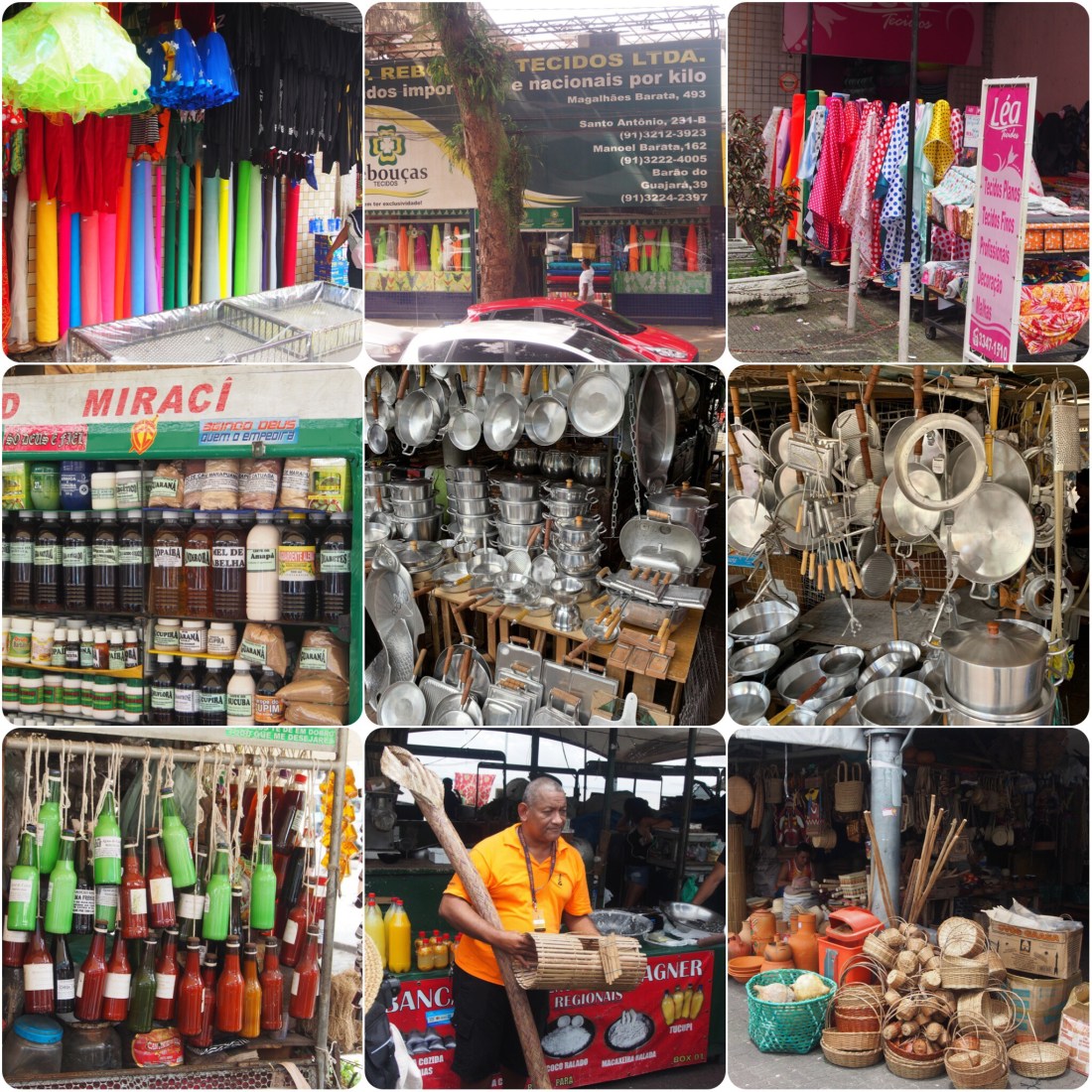
Our first stop on the tour is the Mercado Ver-o-Peso, the local market, Brazil’s largest outdoor market, where we have a guided tour through some of the stalls. Again this market is an assault on the sight and senses. Barros, our guide, stopped at various stalls to explain what was being sold, fruit and veggies that we have never seen before, fast food that was being served, herbs and spices, medicinal concoctions of every description, the fish market and live hens and birds. The colours of the fruit and veggies, peppers, berries, greens, roots etc. had vivid colours and weird shapes. Very little was wasted, from roots to leaves, fruits to seeds all parts of the plants were used. We walked through for about 90 minutes amongst the locals, watching out for pickpockets. From the food market we walked through the fresh fish market, no refrigeration as everything is sold fresh (P:- The locals interpretation of “Fresh” is a little different to mine!) a local shopping area where everything and anything could be purchased. Groceries, office stuff, knick knacks, kids clothes, etc. the area was thriving with people, cars and trucks. Also past a few fabric stores all displaying glitzy fabrics and decorations for carnivale costumes.
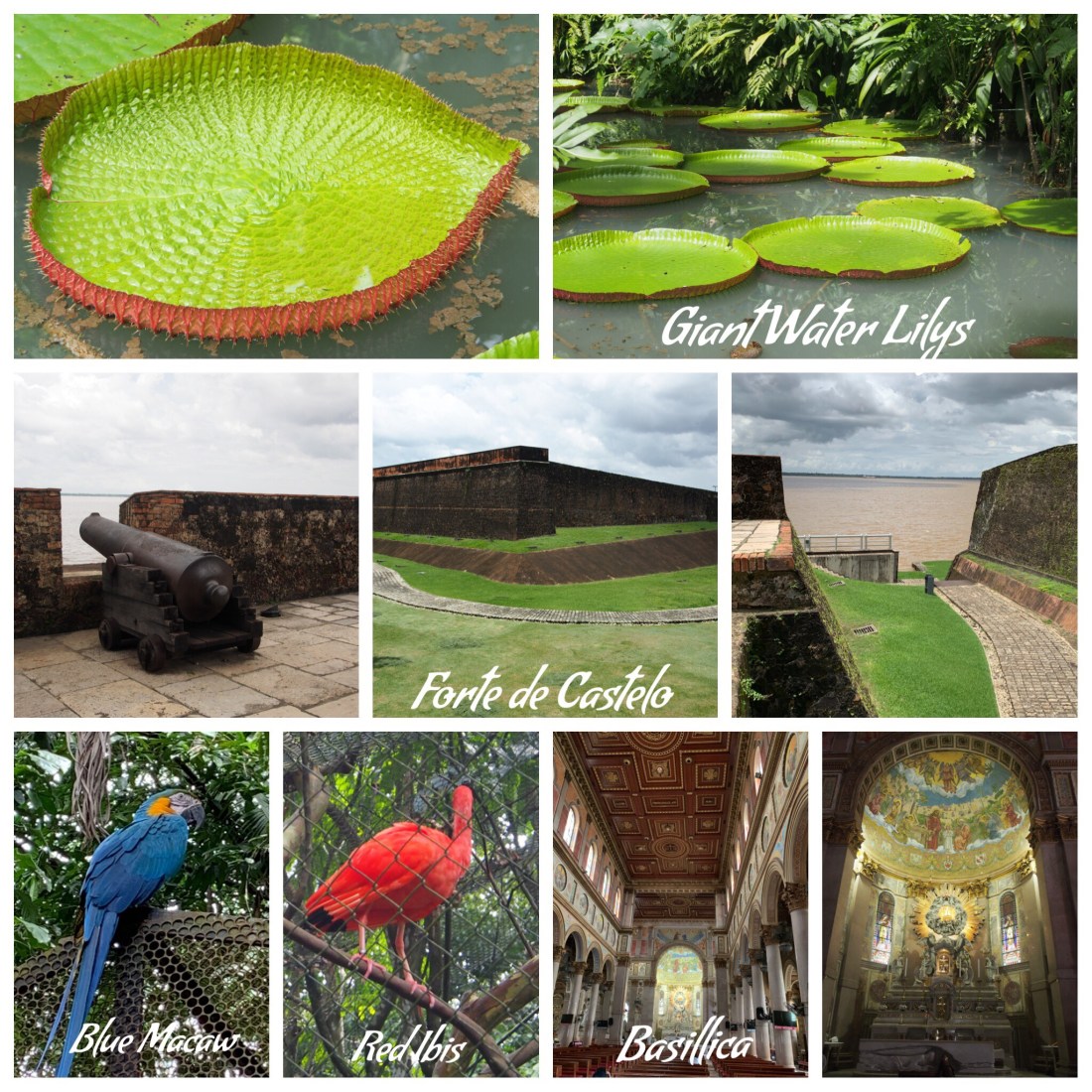
Our next stop was Forte do Castelo, circa 1616, which was constructed when the city was first founded. From here we had great views over the city area and some of the surrounding old colonial buildings. We boarded our bus again much to some of the tour groups relief, they were too hot, had too far to walk, walking was too hard on cobblestones, too many people and the complaints went on. We felt it was a great experience, in amongst the action.

Our third stop was the Basilica of our Lady of Nazareth. This church had a very ornate and spectacular interior with soaring marble columns, 54 brilliant stained glass windows and a very ornate timber ceiling. It also houses a beautiful pipe organ. The main front doors of the church weigh 5 ton. A very beautiful Basillica.

Our last stop was the Emilio Goeldi Museum, a 133 year old museum which includes a botanical garden/zoo in the centre of the city. Here we walked for about 30 minutes to view some of the local trees and plants of the area plus some of the local animals. Jaguars, tapir, blue macaws, turtles and tortoise and spider monkeys. The blue macaws and the scarlet ibis were beautiful. Also the giant water Lilys were interesting to see.

(P:- the animals were caged in small concrete enclosures with steel bars at the front, somewhat like I recall at zoos when I was a child. I am all for well kept zoos with “open range” enclosures but found today’s experience not very pleasant.)

As we headed back to the ship we had a huge rainstorm which left the narrow dirt local roads running with water. Motorcyclist and locals headed to shelter under bus shelters, porches, fuel stations and wherever else they could find shelter.

There is rubbish everywhere here. Piles of it along the roadside, heaps on street corners and blown up against fences. The buildings are dirty and dingy and run down. Washing hangs on balconies, strung between windows and walls, but the people are friendly, smiling and waving if you hold a camera up. The river banks are messy with old boats, rubbish, vegetation and dirty brown water lapping at boats and buildings.

As we board the tender back to the ship, the tide had changed, the wind has strengthened and there are a few white caps. It won’t be a smooth ride back but it’s not far. We are sitting just near the open doorways. The couple next to us and closer to the door ask to move because they might get wet, but there is nowhere to go. They swing their legs into the centre of the tender and moan about possibly getting wet and for the next few minutes moan every time a wave splashes in the open door. Philip commented “It’s ok it’s only water” a comment that was not well received! Admittedly dirty river water, but we have all been hot and sweaty for the last 4 hours so I’m guessing a little river water is not going to make a lot of difference. Clothes can be washed. Water doesn’t hurt so just enjoy the experience don’t moan about it. How many people can say they have been sprayed by amazon water

(P:- it is very evident that Belem was once a wealthy city, over the years the majestic buildings and infrastructure have been left with little maintenance and deteriorating rapidly in this hot, humid, climate. I always enjoy looking around and beyond what the average tourist does to gain a more in-depth knowledge of the area, both by pre research and whilst on the ground. The ingenuity of the people in keeping things operating is amazing, their happy smiles welcoming and their willingness to share about what they are selling informative and interesting. Being alert to our surroundings is important as there is also a constant threat of “pick pockets” and worse. We are told to look like locals! A little difficult for a Caucasian guy like me who towers considerably above the local population! Some places we tour ourselves but in others take tours organised by the Cruise line with local guides and as in Belem, 3 plain clothed security personnel discreetly following at a distance all day- I noticed these guys and asked if they were security – I am sure most others on the tour would not have known! Probably worth paying a slight premium for the tour! I think today’s photos tell a thousand words!)

As we head south along the Brazilian coast to more ports, we are really looking forward to our return voyage and time spent on the Amazon after today’s “teaser”.

Shipwrecks, Turtles and Devils Island

Barbados, the last of our Caribbean Islands for this part of the cruise. Barbados is a coral Island pushed out of the sea by volcanic activity. On the west side of the island that we visit there is fine white coral sands and beautiful turquoise water. The reef fringes the shoreline and makes great spots for snorkelling and diving. On the eastern side of the island strong trade winds constantly blow causing waves that pound the rocky shore. The island is just 21 miles long by 14 miles wide and is the most easterly Island in the Caribbean chain and has a population of 260,000. It is one of the few islands not discovered by Christopher Columbus but by the English.

(P:- The Island appears to be much more industrial with a sugar industry and other agriculture also a large port compared to what we have seen)

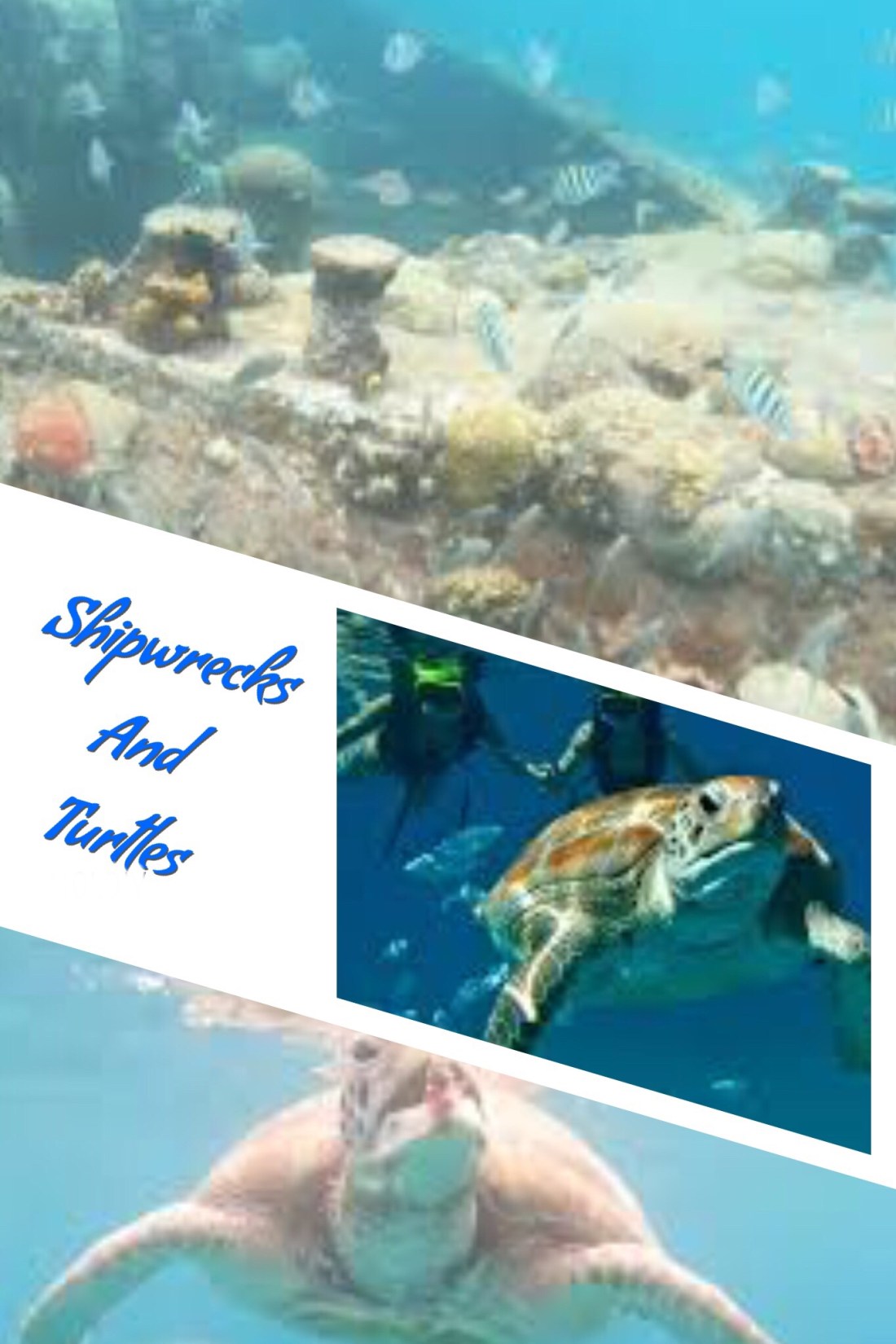
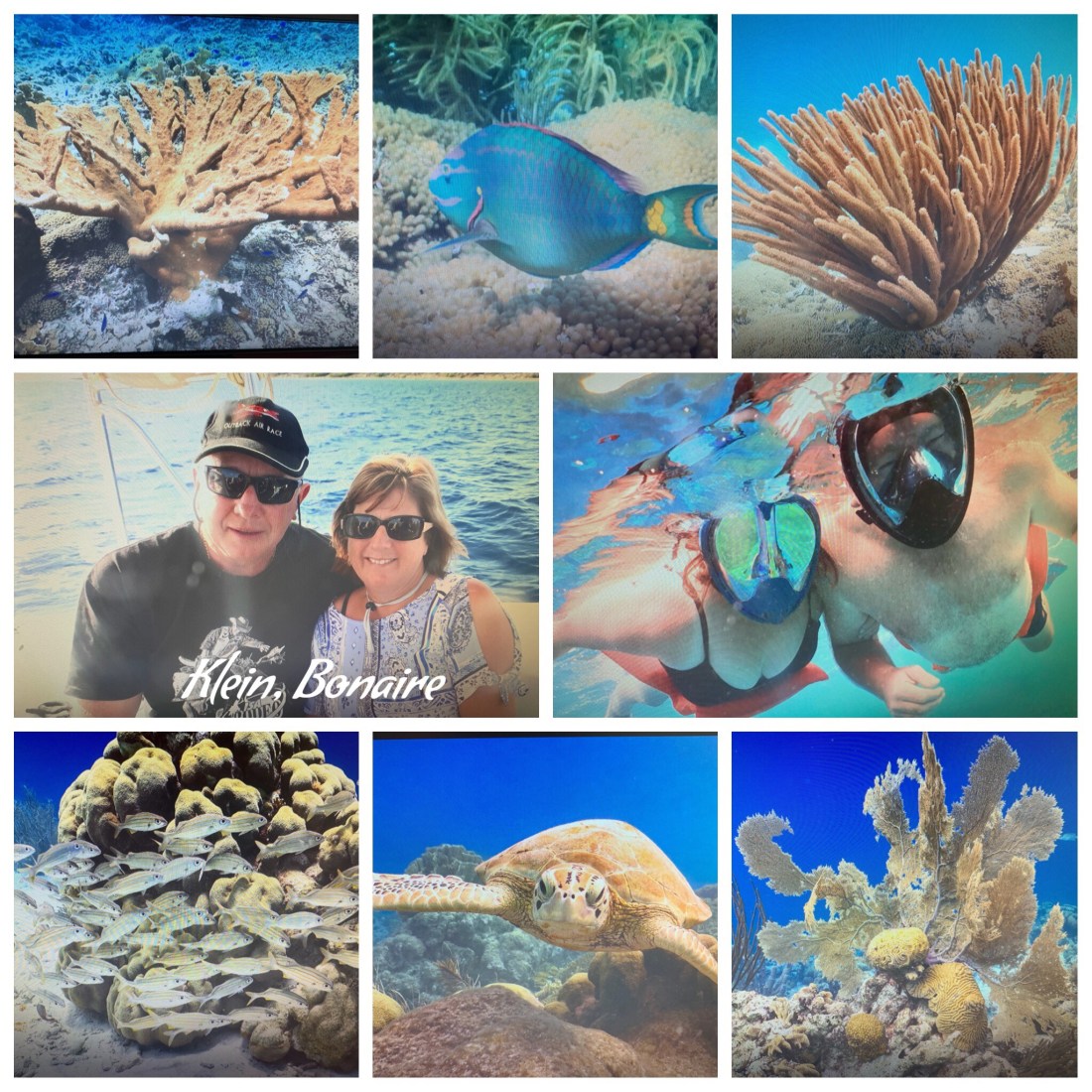
We are off today to do some more snorkelling. After a drive through Bridgetown we stop at Pirates Beach where we meet our guide and board our boat, from the shoreline, to head to several shipwrecks which we will be snorkelling over. After a very short ride we anchor near the shipwrecks and don our snorkelling gear, no fins this time, which makes swimming a little more challenging. Again we just slip over the ramp at the front of the boat into warm water and swim towards the wreck. After checking out the first wreck we swim about 20 metres away to the second wreck. This is the better one and heaps more fish. The fish are schooling and are within easy touching reach. Quite an experience swimming over the wreck. After boarding the boat again we move several hundred metres away and slip into the water again to watch the turtles. Prior to getting in the water, our guide tells us that the turtles are in their natural habitat and stay in the area with no encouragement. But once in the water our guides throw turtle food into the water so they feed while we swim round them. I’d call that encouragement to stay. Still it was fun to see them. Another good snorkelling trip even though visibility wasn’the greatest. We both agreed that Bonaire has been the best place snorkelling. (P:- and the best coral island we have visited in the area, having said that I personally prefer the volcanic islands, mountains, tropical vegetation, less tourists and more friendly people. The last couple of days we have experienced a little rougher sailing with 3 -5 m seas and 35 knot winds, whilst I enjoy the rock and roll , Judith ( like many others) finds it uncomfortable, having said that, being the “trooper” she is she hasn’t missed a meal or a show and makes the most of the journey. Another day or so should see us in calmer waters again).

(P:- I always enjoy picking up on the odd statement whilst wandering around. During the last day or so I have memorised a couple perhaps worth sharing.

– Overheard In dining room- “ I am astounded as to how much water we see on this vacation” – If I am correct we are on a Cruise at sea not a coach trip on land!

– I was about to buy some local food when ashore in Bridgetown when the server said “ Excuse me sir I smell BAD GAS”, she then grabbed a box of matches lit one and ran the flame over gas lines to find leak! Needless to say I didn’t stay around and vacated quickly!

– Ships Scales – when in Gym ( yes correct Me in a Gym!) I decided to weigh myself. Amazingly I was 14 pounds lighter than when I left home! I know that’s incorrect.- I suggest that they are “Cruise Ship Make you feel good scales”! )

Devils Island

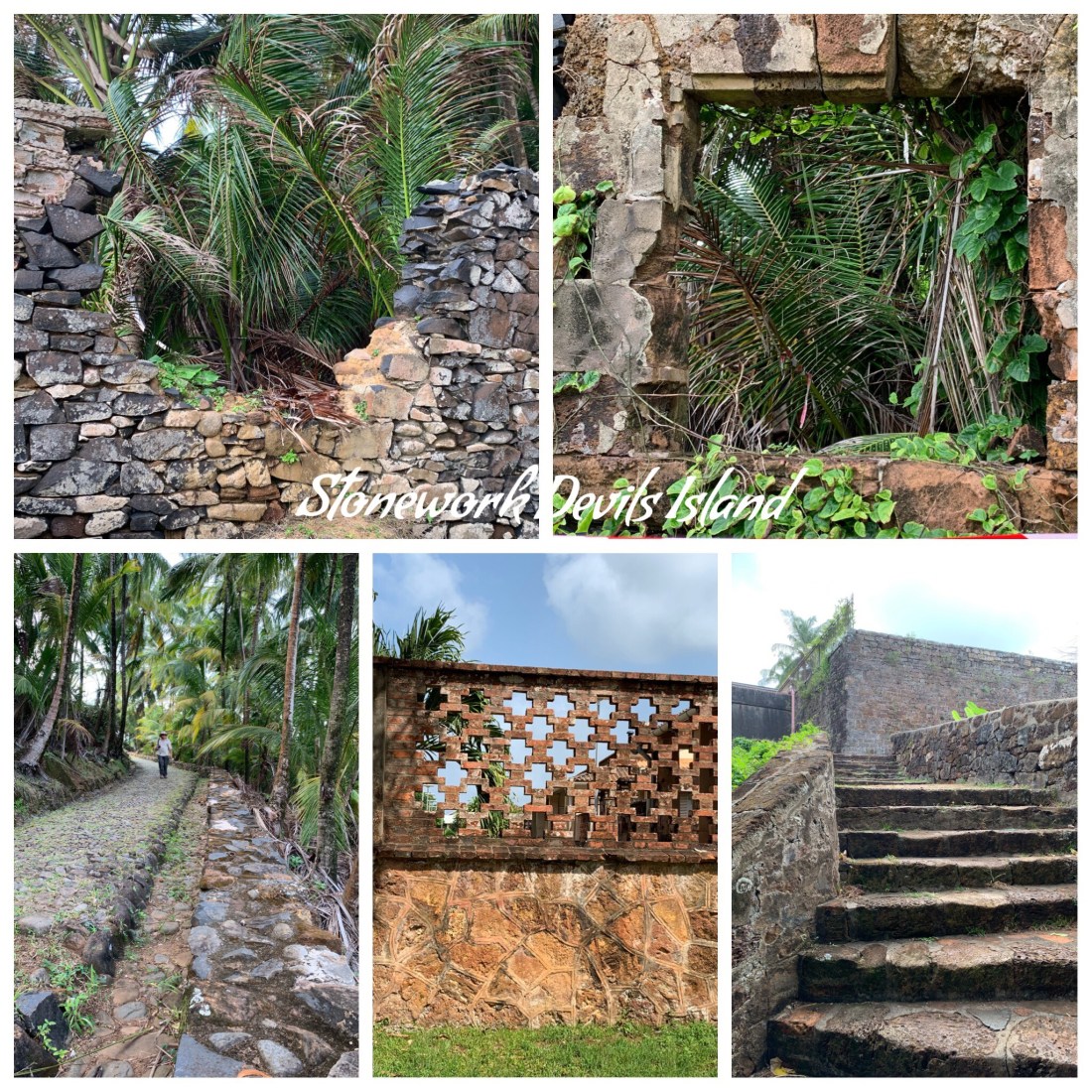
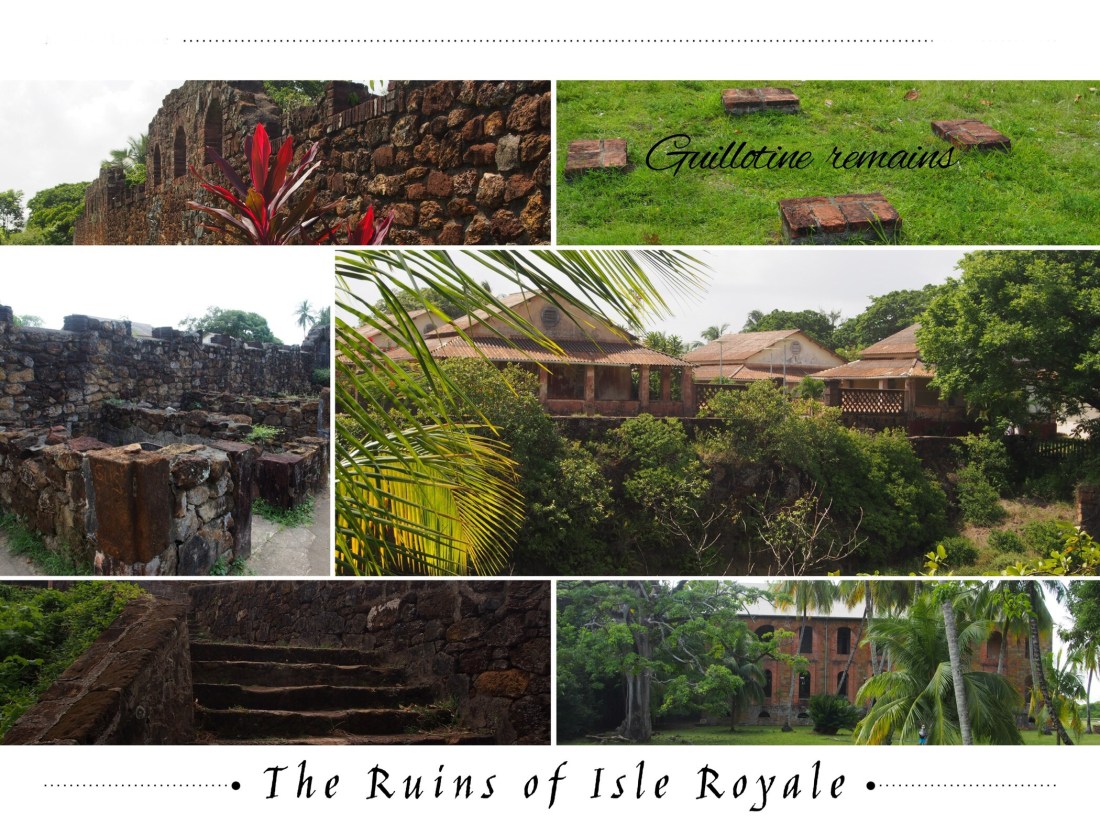
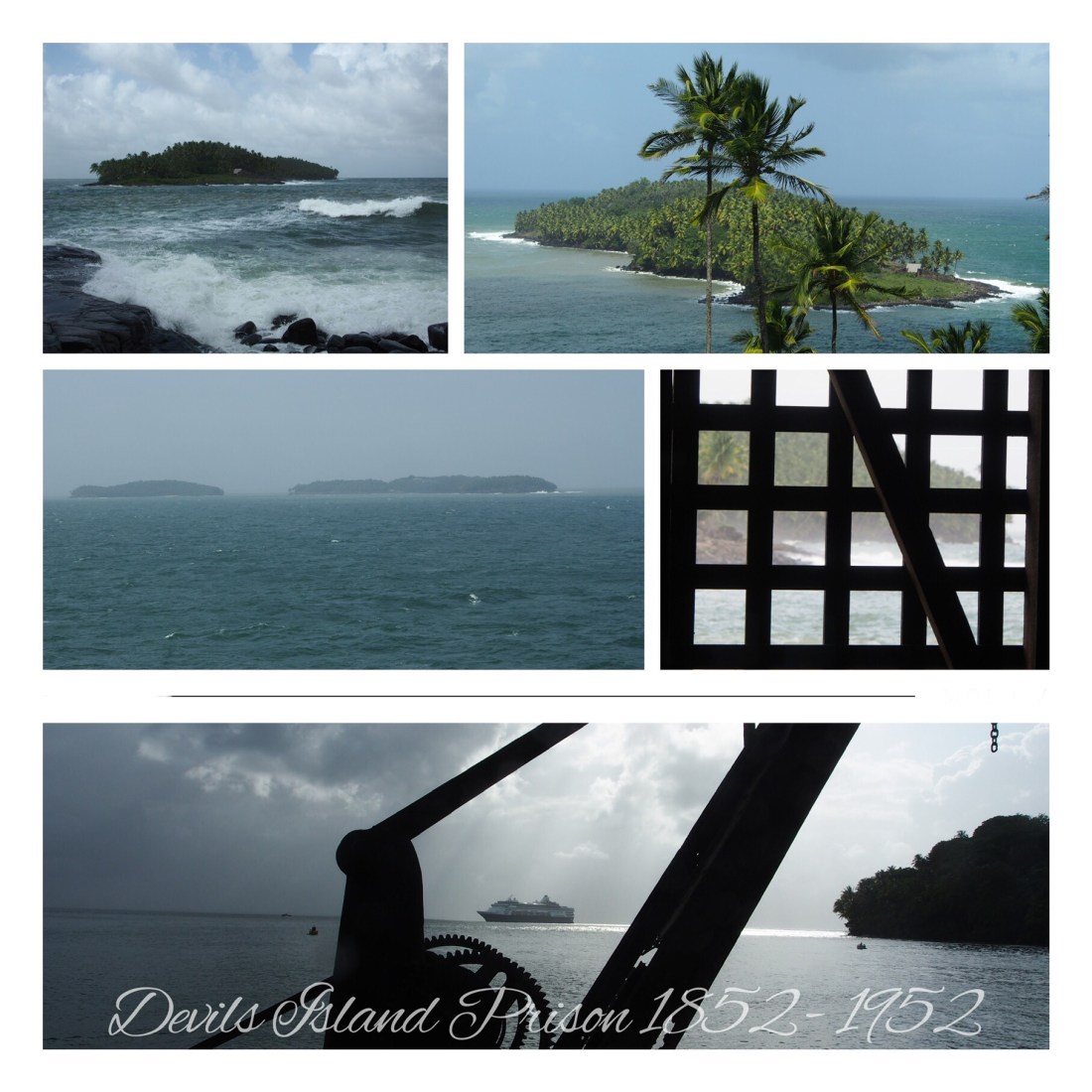
Originally a leper colony, the Salvation Islands are made up of three islands; Isle Royale, Saint Joseph and Isle du Diablo (or Devils Island). The islands are located 7 miles off the coast of French Guiana. A penal colony was formed on the archipelago by the government of the Emperor Napoleon III in 1852. It soon became home for the worst criminals, political and military prisoners and repeat offenders and its inhabitants soon renamed it Devils Island. Because of the harsh conditions, isolation and disease many of the more than 80,000 prisoners were never seen again. There were only two successful escapes from the island. The second escape received the most notoriety. Convicted murderer Henrietta Charriere successfully escaped the island in 1941 and his exploits were described in the popular book and movie “Papillion”. The island was closed down in 1952. Many of the islands buildings are still standing. Many of the buildings remind us of Port Arthur in Tasmania. It’s a fascinating island to visit with an intriguing history.

Today was our first tender port, and even though we are in the lea of the islands there is still quite a swell causing a few issues boarding the tenders for the run ashore. We still had enough time to climb to the top of the hill and wander through the ruins before circumnavigating the island via the dirt track. Then once back on the ship we climbed from deck 3 to deck 10 to our cabin. With the temperature at 27 degrees and the humidity high we were glad to get back and have refreshing showers and perhaps a Pina Colada or two.

Kingstown, St Vincent

Firstly, last nights Valentines Dinner. A wonderful meal in the Pinnacle Grill. Four courses of deliciousness. Steak Tartare, Shrimp and Scallop Parcels, Beef Tenderloin with Lobster Tail and Whisky and Lime Soufflé.

(P- I remembered, with a little luck it might help me being forgiven for all I have forgotten or been away for over the last 40ish years! )

As we wake this morning we are pulling into the port of Kingstown. It feels like we are nosing right into the hills ahead of the ship. The cliffs rise up from the water just 50 metres away from us and the water is crystal clear.

Today we are off into several gardens on the island of St Vincent. Our first garden is an hours drive from the ship, through the city and then climbing to 3017 feet up through the Mesopotamia Valley, commonly known as the islands food bowl due to its rich and fertile soil. And it’s a very steep sided bowl. Gardens are all terraced and all work is done manually as it’s too steep for machinery. Once out of the bustling city centre the road narrows and in most places is barely a lane wide, with homes and shops right on the roadside. Steep stairways lead up and down from the road to homes and in the majority of cases these stairs are the only access. If cars are owned they are left parked on the street, which hinders the flow of traffic considerably. The higher we drove the windier the roads got and the more potholes there were to manoeuvre around.

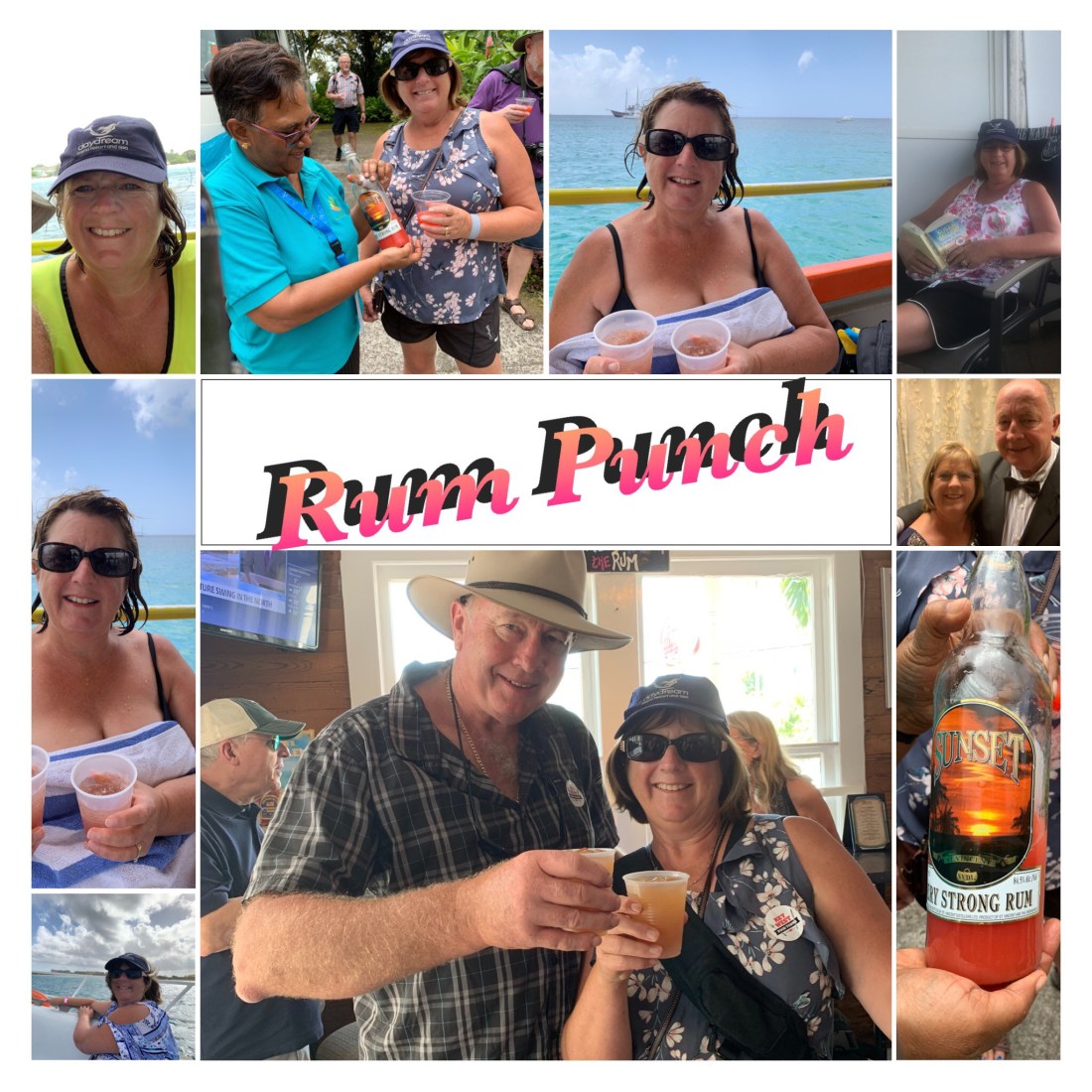
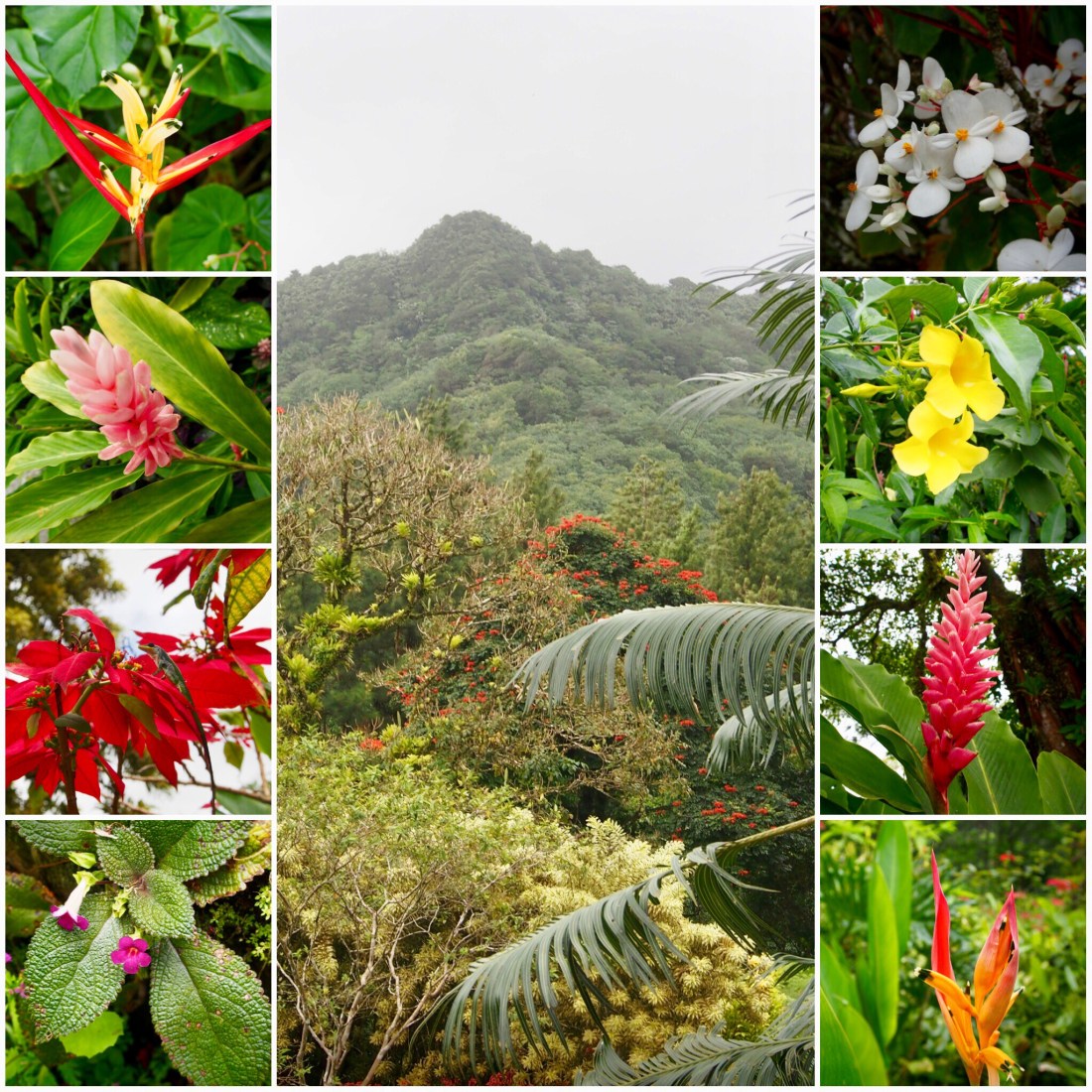
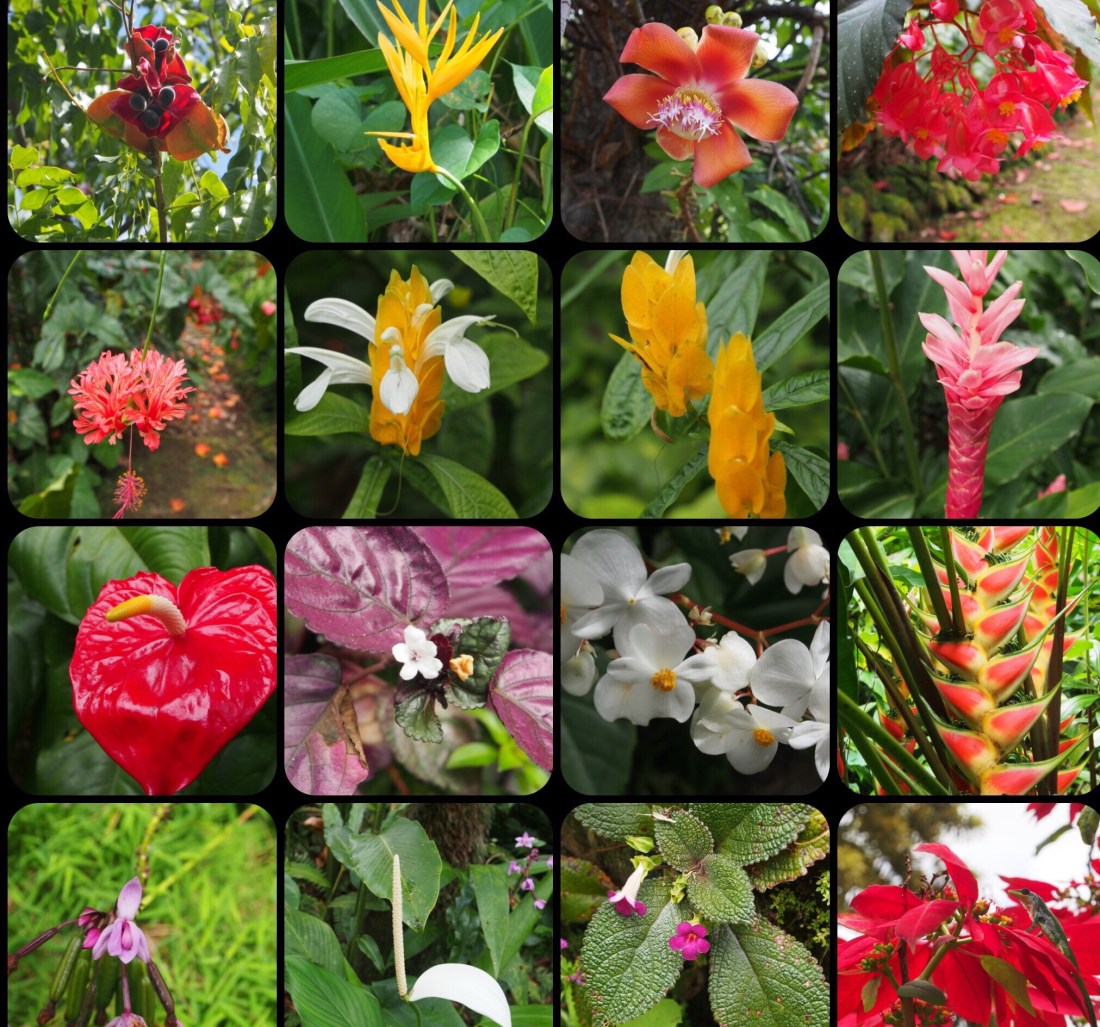
Montreal Gardens is our first stop. These gardens were designed by Timothy Vaughan, a landscape designer from Wales, who moved here when he retired and proceeded to build his garden. He purchased the 7 acres in 1991. It is a cool climate garden with a rainfall of 200-250 inches a year. The garden is lovely with an array of tropical plants and flowers. (P- A kaleidoscope of the colours of a tropical world!) After a walk around the garden we enjoyed a delicious rum punch before boarding the bus.

(P- Before consuming the Rum Punch I checked to ensure it was 5 o’clock somewhere- WE WERE SAFE – it was 5 am in New Zealand!)

From the gardens we drove back down the mountain towards the coast again, passing through many small villages. It’s market day today so there are small stalls along the roadside selling all manner of things. Once we near the coast we pass through some resort areas, beaches and small marinas before driving through the city centre to the Botanical Gardens. We enjoyed a short guided walk through the gardens before being delivered back to the ship.
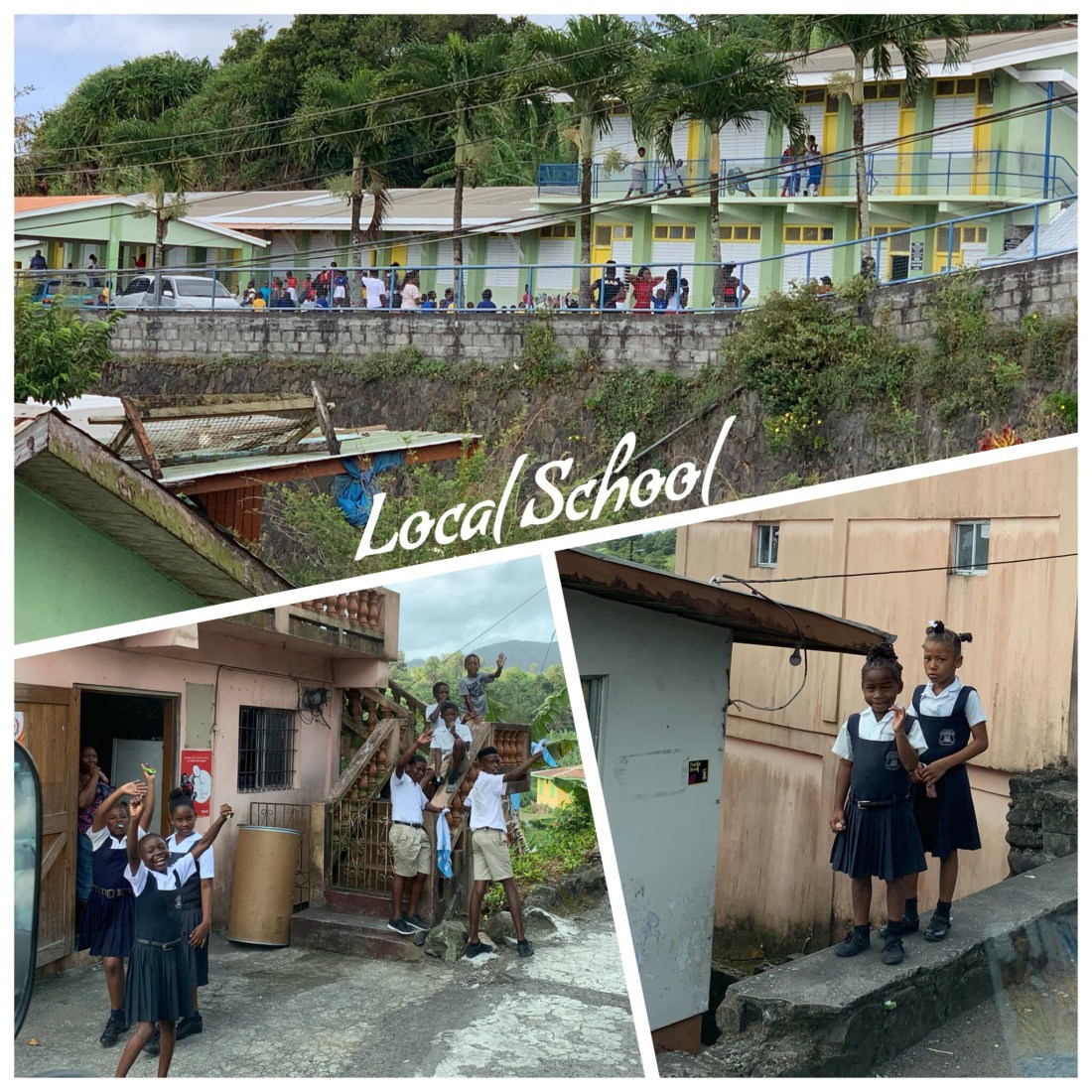
(P- the breadfruit trees in the garden are a direct lineage from the Bread Fruit tree Captain Bligh planted on one of his voyages. Our guide this morning had an excellent knowledge of the history of the island and also the plants, their fruits and their uses within the local population. I found her most interesting. I would love to spend more time here exploring!)

After a quick lunch we head back out for a walk through town. As I mentioned it’s market day today so there are fruit and veg stalls along the main road, the fish market is open, the bars are all operating and you can purchase almost anything you can think of. If only you could smell our photos. Fresh veggies, fresh herbs and spices, fish (not so nice), food stalls and trash all intermingled together and the heat and humidity condensing the smells. It certainly makes walking the street interesting.

(P- what a fantastic, colourful, friendly island! How privileged are we to be able to visit!)

Trinidad and Tobago

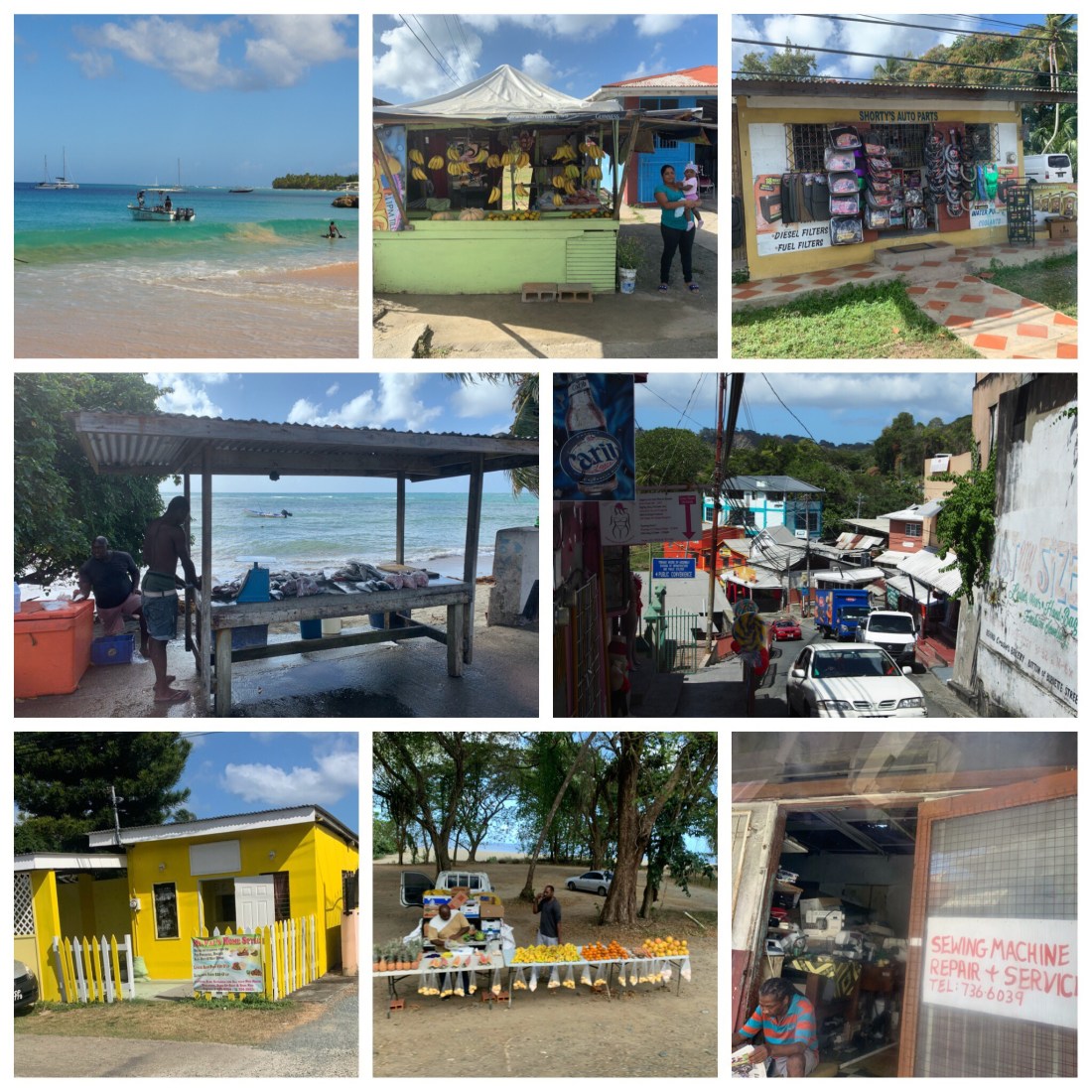
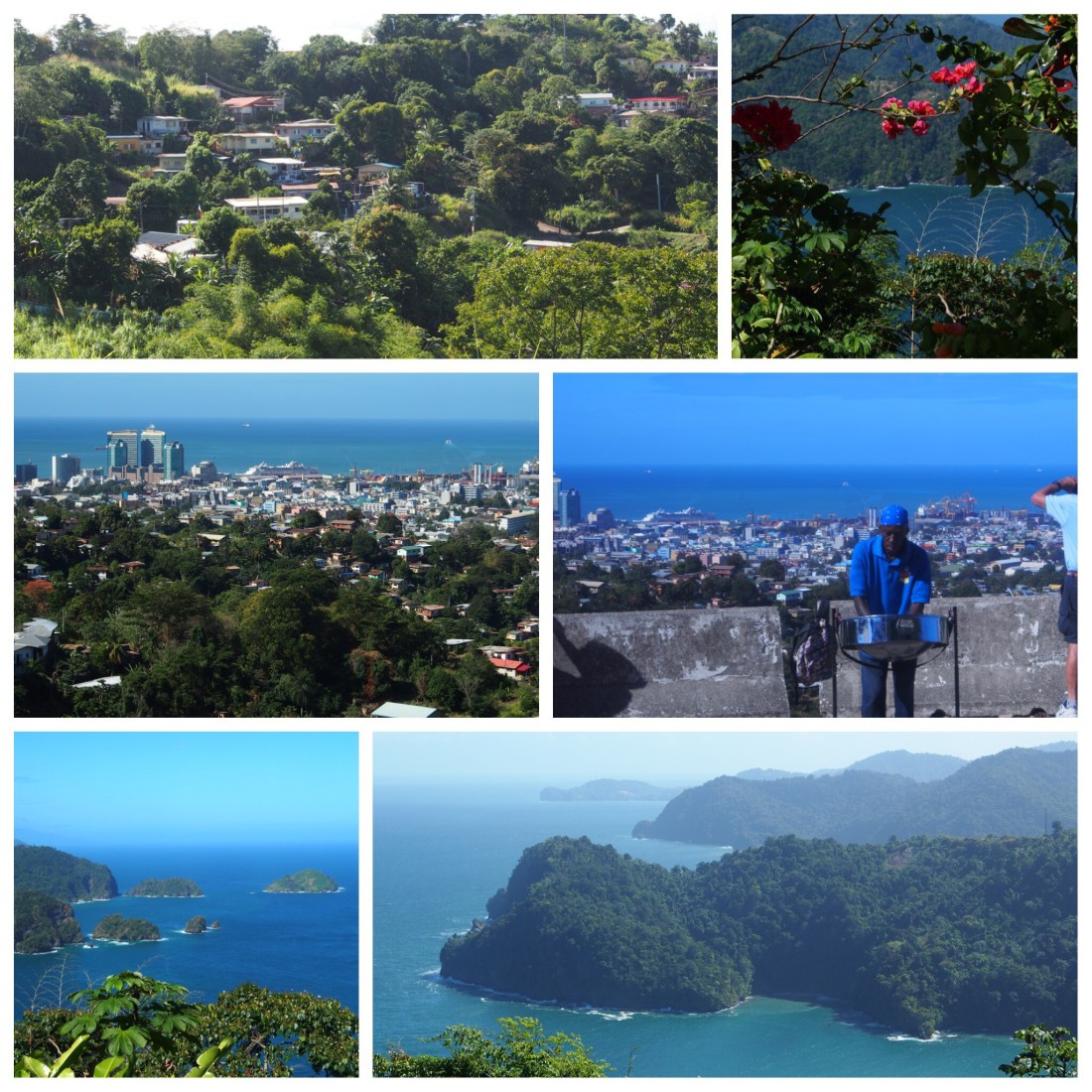
Port of Spain, Trinidad, is so different from our last stop, Aruba. As we neared port this morning, mountains rose out of the mist on the horizon. Rainforest dropped down to the ocean and cities hugged the coastline. We are off on a tour today to discover a small part of this island nation. After boarding the small bus, only 10 of us plus driver and guide, we head away from the cruise terminal and into the city centre. Past the Parliament buildings and then through the city centre, making our way towards Queens Park and the Botanical Gardens. The city area has some gorgeous historical buildings, many under renovation and also some more modern buildings one of which was the Music Hall/theatre, Performing Arts Centre. After a walk through part of the Botanical Gardens we boarded the bus and headed to the hills. Passing typical homes and shops of the area. Many shops are just built under the homes, most are small dark and dingy holes in the walls with grills over the windows and doors. Local streets are steep and windy. In the early days there was no town planning so people just picked a spot they liked and built a home. Streets came later and had to wind between the homes, hence their windy nature.

We made a stop at Lady Young Lookout with panoramic views over Port of Spain. From here we drove through lush green countryside, past old citrus and cocoa plantations and over picturesque mountain scenery as we passed over the saddle of the islands Northern Range. These roads could compete quite well with some of Tasmania’s west coast windy roads. They would be narrower and probably steeper but they gave us some great views of the mountains.

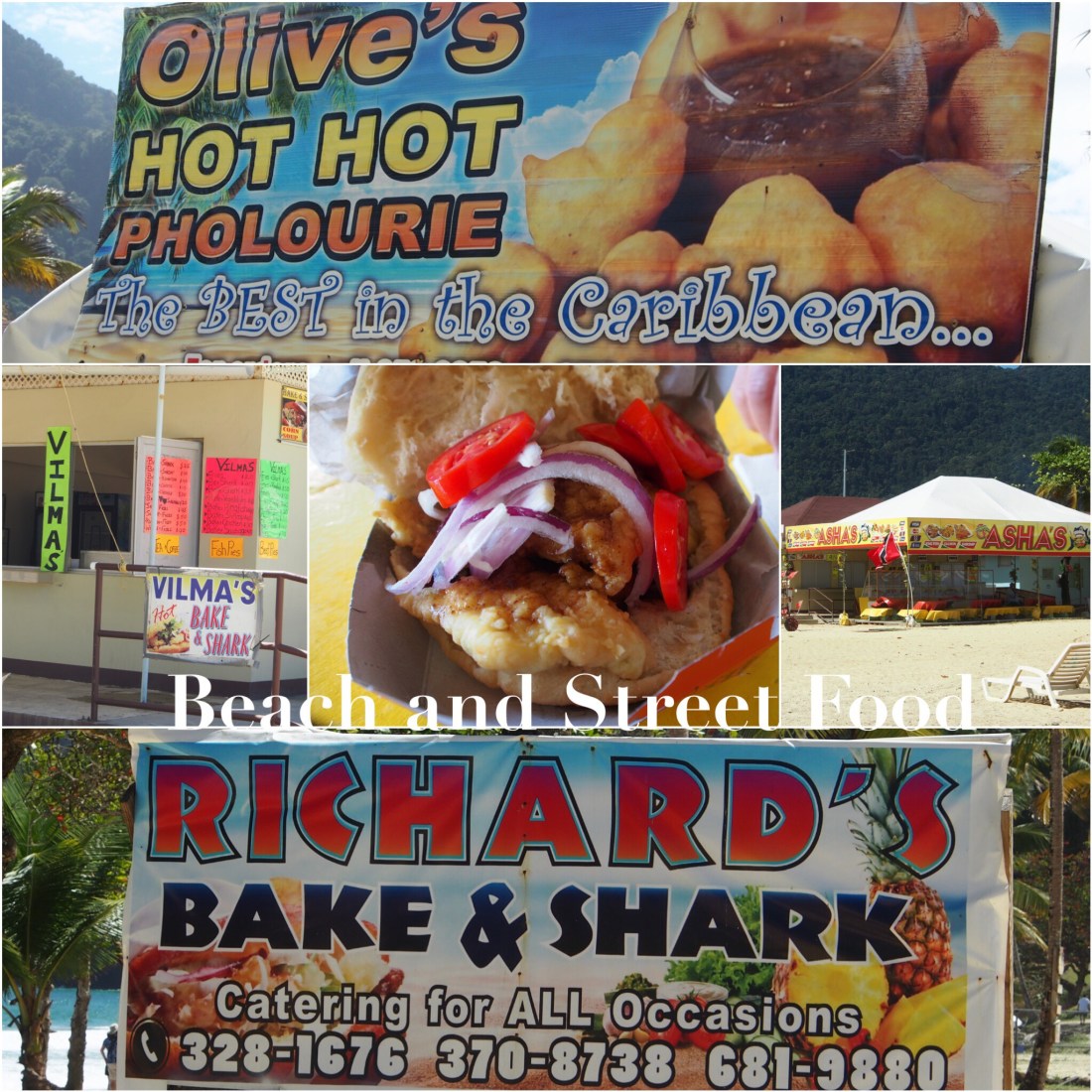
Our destination was Maracas Bay, a lovely beach shaded by palm trees with steep slopes behind. Here we were able to taste one of Trinidad’s favourite foods, the Bake and Shark, it is a freshly deep fried bread (very light) with crumbed shark and then topped with whatever topping you desire. All cooked fresh as it’s ordered. It was very tasty. Then after a walk along the beach, not a pristine piece of groomed sand with clearly defined swimming areas as on previous islands, but a real beach with real waves and people just relaxing. Once we left the beach we headed back towards Port of Spain.

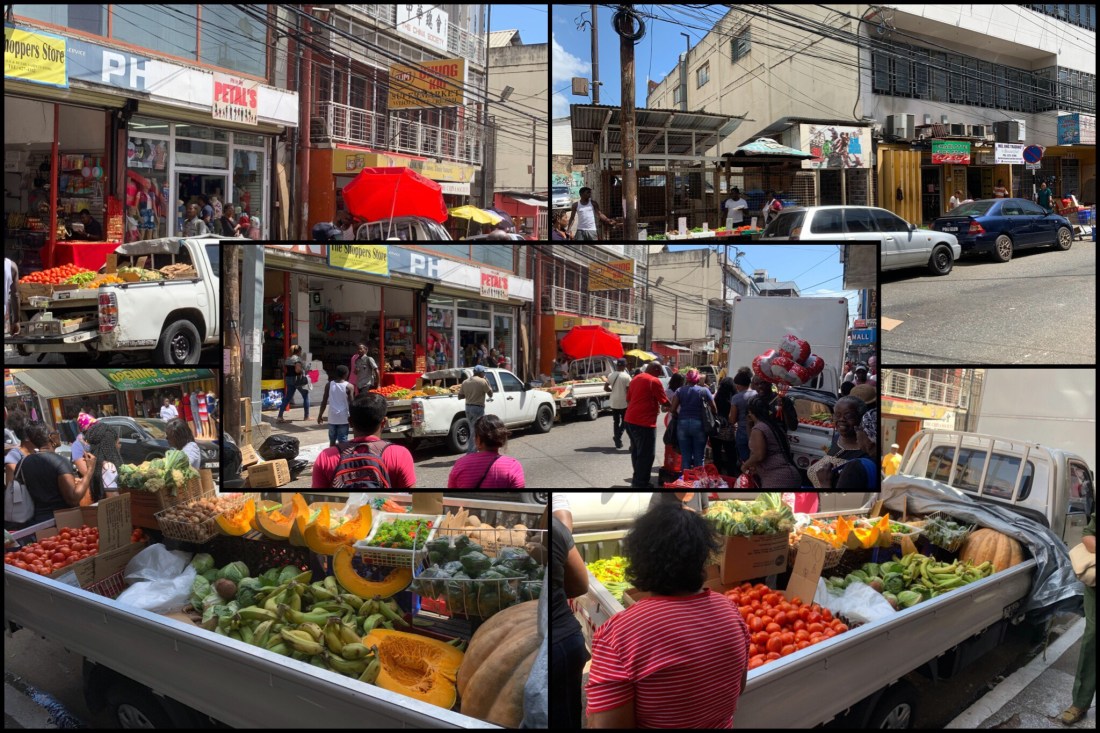
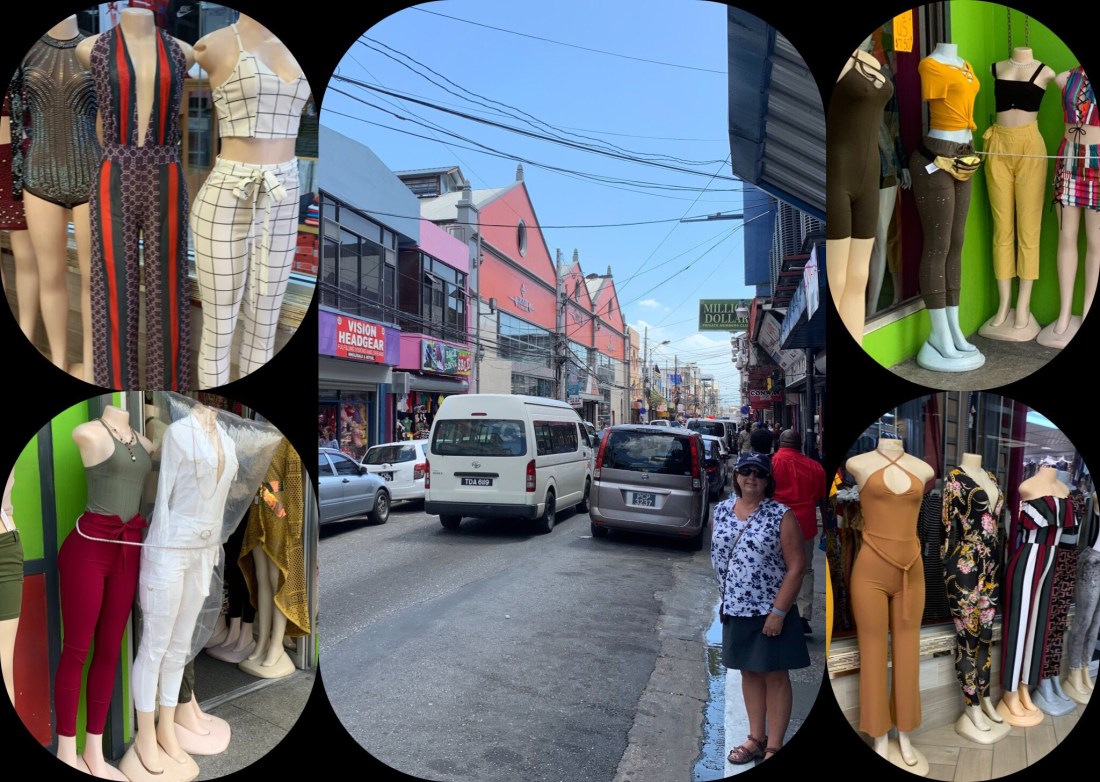
After a quick lunch and siesta onboard we headed out on foot to discover the city centre. We even found some fabric shops. More furnishing and dress fabric but it was interesting to wander through a couple of them. We headed away from the main tourist shops and back a few blocks to find the locals area. It’s easy to tell we were out of the tourists area when you look around and there are no other Caucasian people about. My blonde hair and complexion didn’t quite fit into the dark skin and tight curly black hair category. (P:- I never saw another Acubra hat being worn either!)

After a good wander around in 30 degree heat we headed back for a swim and relax before dinner.

(P:- The Mountains Judith mentioned earlier, as we are only a few miles from Venezuela, are actually part of the Andes! Trinidad is the third richest country per capita in South America and is also home to Brian Lara the famous cricketer. The terrain and vegetation reminds me of American Samoa or the Daintree area of Australia.

As some may expect from me, there is a slight emphasis on sampling local foods, to me always a highlight. Sometimes one has to “bend the dietary rules” re gluten and dairy products and suffer the consequences later to enjoy the local fare. Today was no exception as there was many interesting dishes to look at and if brave enough sample.)

We were very impressed with the high standard of dress today, very elegant classy indeed.

P – THE SHIPS CALENDAR informed me Valentine’s Day was fast approaching! Now being one that has forgotten way more Valentines days than I have remembered over the last 40 odd years, I thought I would attempt to correct my forgetfulness and took Judith shopping. She enjoys quilting so researched and found the Fabric district in Port Of Spain and thought I would buy her some fabric and as the fashion area was next door take her clothes shopping. Neither any craft fabric or suitable fashion items appealed to her! (I was rather relieved as the “In fashion” onesies didn’t really appeal to me either! Oh Well the thought was there so hopefully that counts!

As we type this we are relaxing on our balcony, sailing out of the harbour watching the beautiful tropical terrain disappear into the distance and fast approaching dusk.

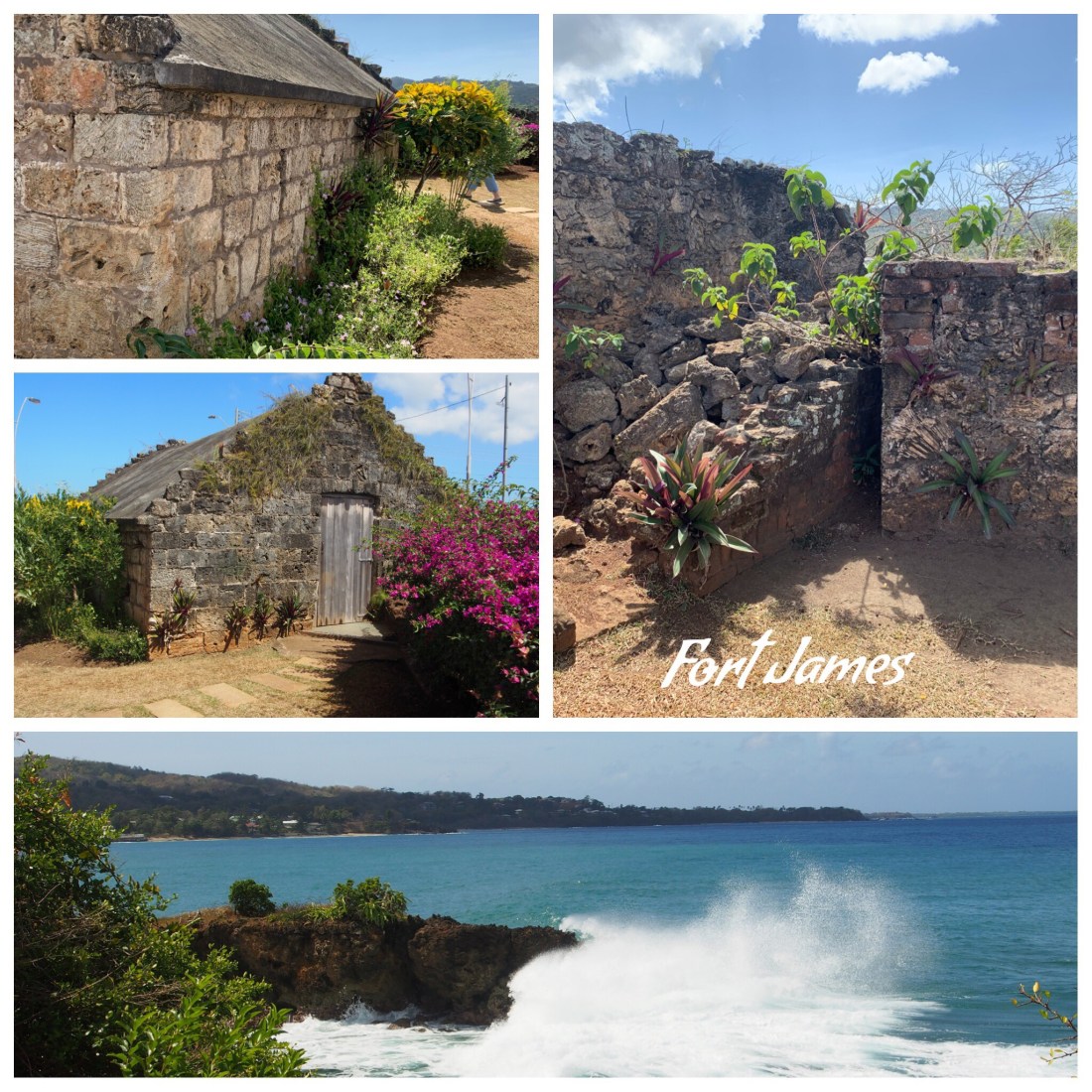
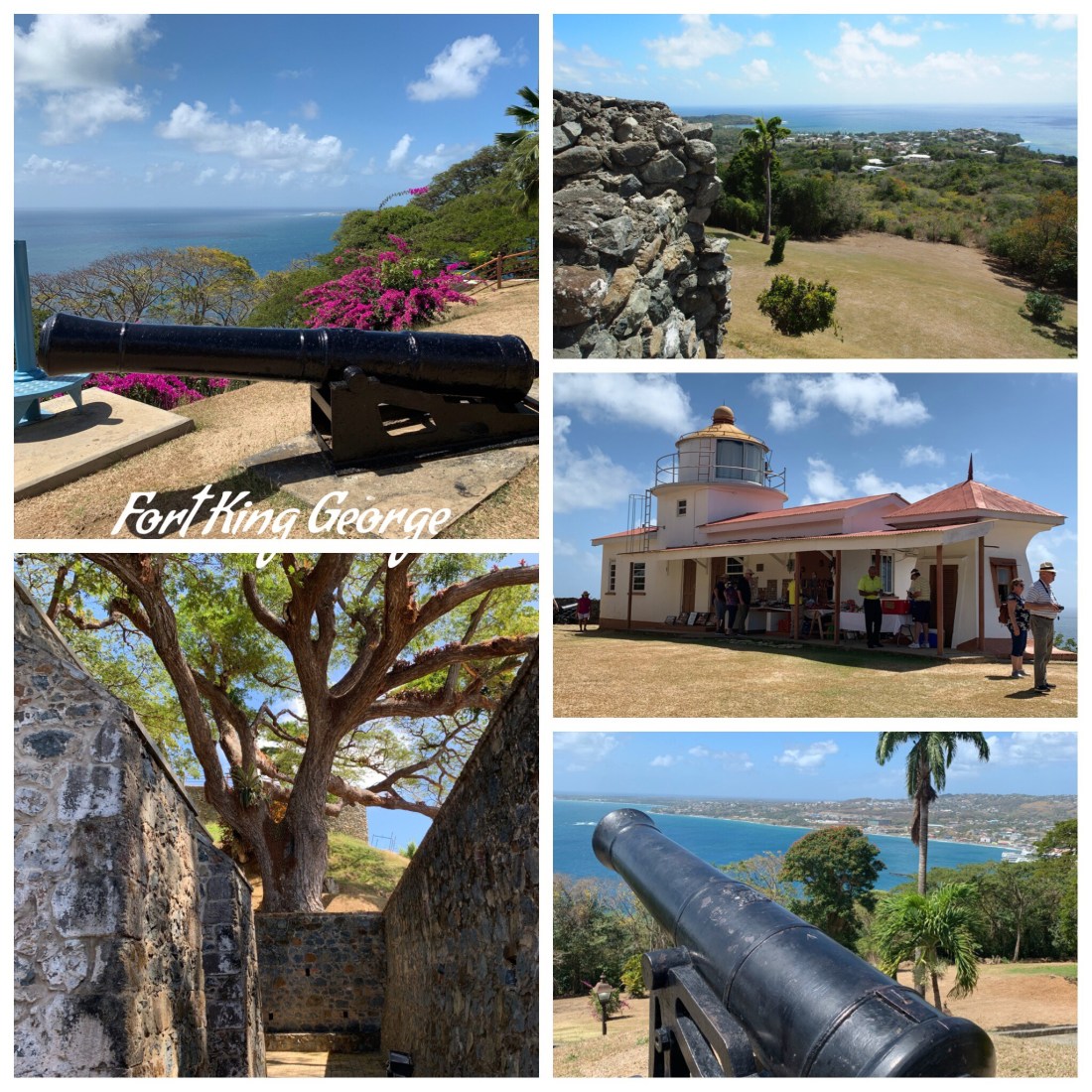
Scarborough, Tobago, evidently the smallest capital city in the world with only 1000 residents. The island only has a population of 60,000. Tobago is just 42 kilometres long and 10 kilometres wide, it is considered a nature lovers paradise. It has the oldest legally protected rainforest in the western world. The travel brochure we received as we disembarked this morning reads “well kept facilities, genuinely friendly people and sumptuous cuisine from earthy to exotic, all in an atmosphere of total tranquility”. How words can make something sound so much different than it really is, or how much we read into a few words. In our words we would say it’s rustic, tourism from 20 years ago, friendly people and certainly not the same elegance as seen inTrinidad. A very interesting place to visit. So different from Trinidad. Our tour this morning took us from Cruise Terminal, (where we nosed into the only pier at the small port), around the southern tip of the island. On the way driving through Lambeau, on the Atlantic Coast, to the International Airport where the terminal check in is all done in an area open to the elements and there are no jetways, then on to Buccoo Bay Resort where we got off the bus and walked down to the waterfront. Which overlooked Buccoo Reef and Nylon Pool. Back on the bus we drove along the Caribbean coastline through rustic towns such as Hawks Bill and Black Rock towards Plymouth, where we stopped at Fort James which overlooked Great Courtland Bay. Then from Plymouth back across the island over the central mountain range to Fort King George, before returning to the ship.

Fort James was manned from 1650 to 1811, with various regiments quartered in thatched huts nearby. In 1770 the fort was attacked by rebellious slaves. Later the fort saw action against the French in 178, and this particular building was built by the British in 1811.

Fort King George, on the opposite side of the island, was built in the 1770’s, as a sustainable defence for the newly appointed capital of Scarborough. Originally called Fort Castries it was later called Fort King George in 1793. This Fort sits atop Scarborough Hill and provides excellent views over Scarborough, Barcolet and the windward coast.

(P:- This Cruising is a tough gig! I get that tired that I seem to need 1 or 2 Siestas a day! As opposed to getting tired at home and needing 1 or 2 Siestas a day! )

We have put a lot of research into this adventure and it’s starting to pay back, smaller ship, smaller ports (not frequented by the larger cruise ships), not many sea days without ports and many, many visits to different countries and cultures (and foods) we would never have the option to experience otherwise. Also having the one unpack and same bed along with the choice of multiple restaurant food options and a staff /guest ratio of 1 staff to 2 guests ensures we are well looked after.

Currently at 11 degrees North it will only be a day or two before we cross the Equator into the Southern Hemisphere.

Note to ones self Valentines Day today — must organise a special dinner this evening for my special lady.)

ABC ISLANDS

Aruba, Bonaire and Curaçao, The ABC Islands. Part of the Dutch Antilles.

Sun, sea, snorkelling, sailing and strolls along the beach. A great way to spend our day on each island.

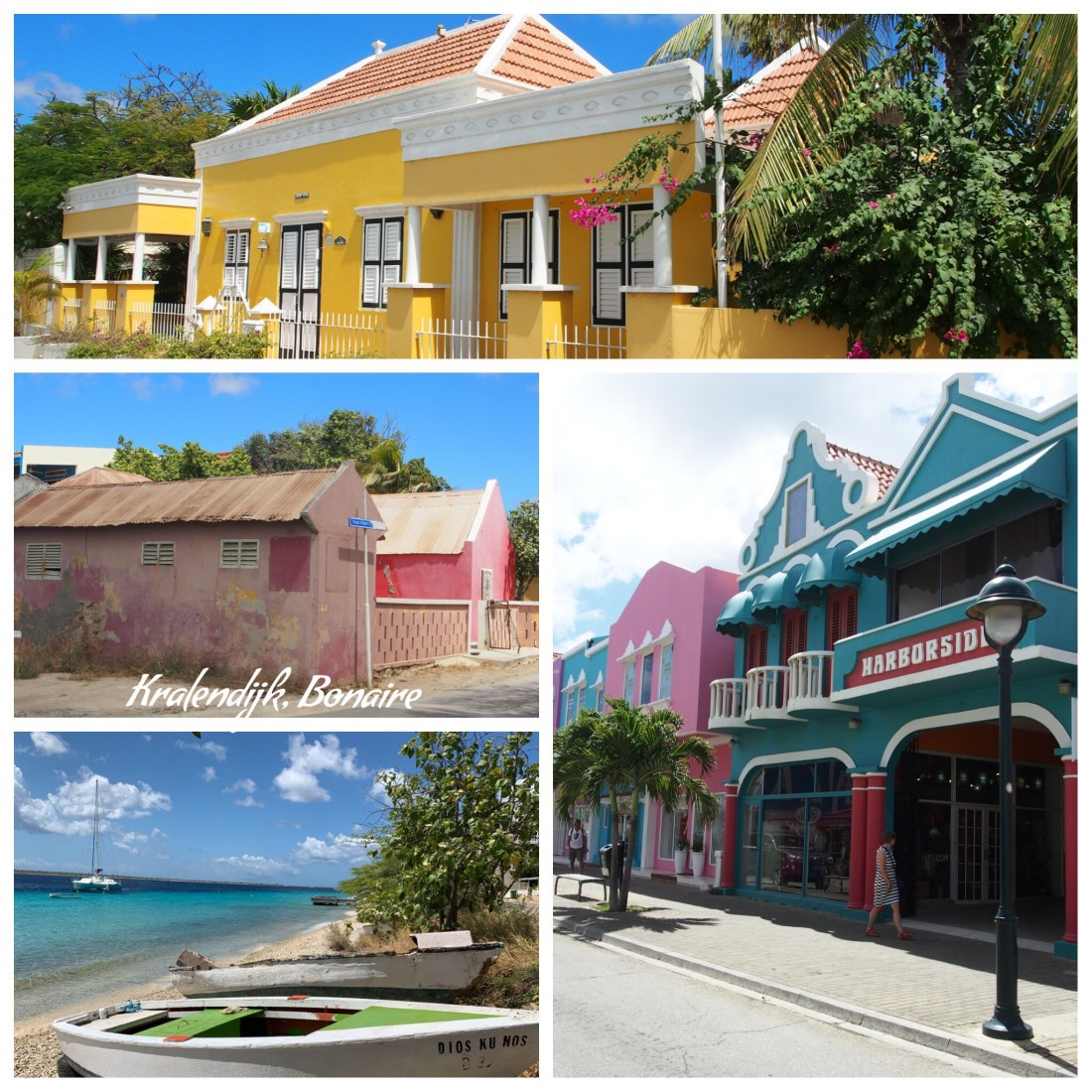
Kralendijk, Bonaire we were up and off the ship early to board a small boat to take us out to Klein Bonaire (Little Bonaire) a natural island just off the main island of Bonaire. Two stops for snorkelling along the reef. Both stops quite different. First one was shallow water with corals and numerous fish species. We snorkelled with a guide in small groups, stopping to learn about the reef and the fish. The second stop was along the coral wall where the water dropped away quickly into the inky depths. Many soft corals decorated the walls and fish were numerous as they swam in amongst the coral and rocky outcrops. We were lucky enough to see a turtle swim up to us before turning away. Both were pretty awesome spots. Great hosts on the boat today, very friendly and informative. Bonaire Marine Park is one of the most revered sites in the world for snorkelling and diving.

After showers and lunch we head into the small town for a look around. There is not much to this town apart from small resort style homes along the waterfront. Back a street or two it’s quite a different level of accommodation. Again it is Dutch Heritage with interesting architecture and culture.

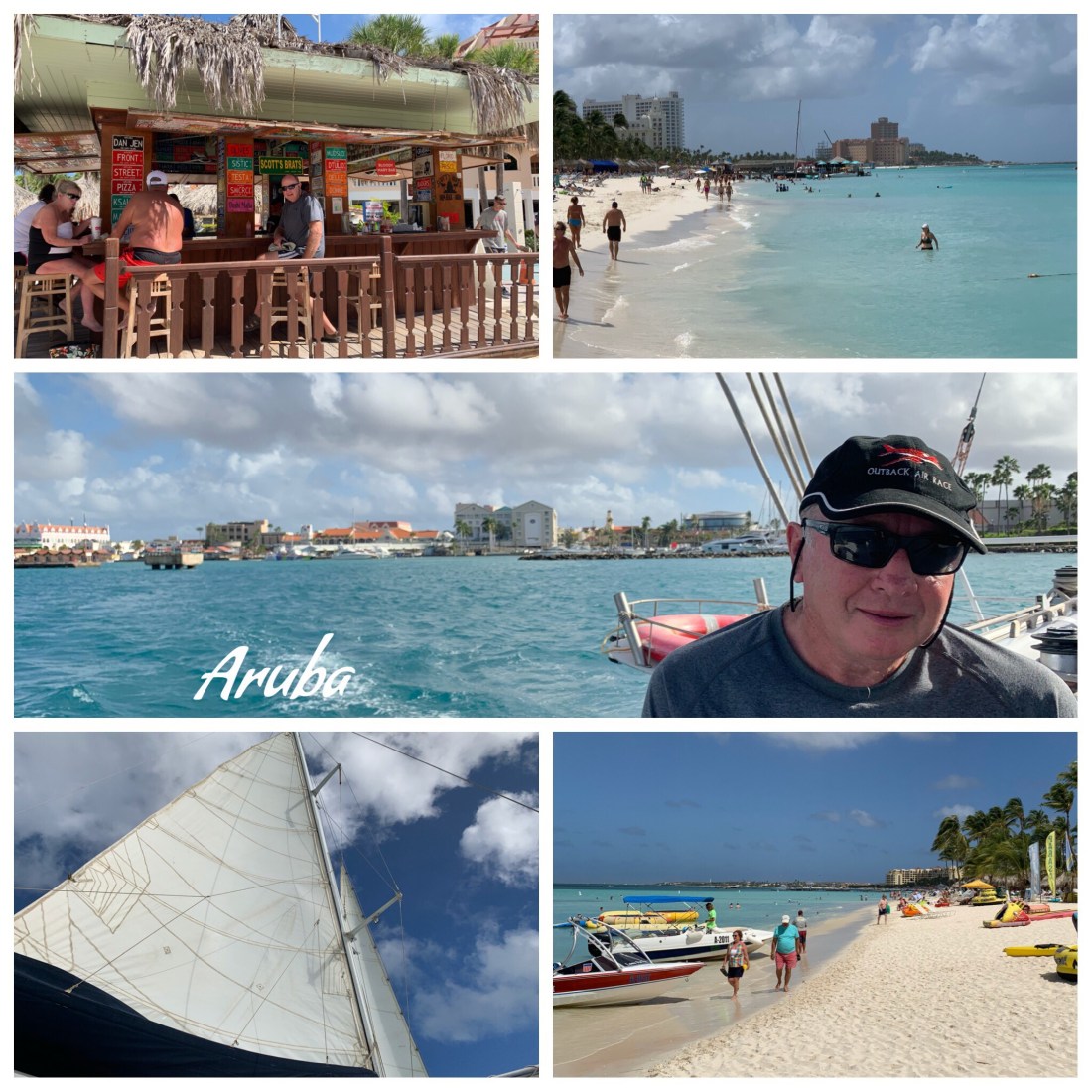
Orangestad, Aruba was our next stop for another morning of snorkelling. But first a catamaran ride over to the snorkelling site. Unlike yesterday when we were the only boat load out snorkelling today they were many boats and heaps of swimmers and snorkellers . Today we were again in shallow water but with quite a swell and current which stirred up the sand and made visibility poor. The best thing about this site was that we could just float and there were hundreds of fish just swimming around us. Not as many species today and not as good as yesterday. Our hosts today were not great and the music on the catamaran was so loud you could not hold a conversation with anyone! (P- out with the ear plugs for me! Head banging music and I don’t mix!). But the sailing was good. On our return to the ship we stopped at Palm Beach for an hour to wander the beach, swim or just relax. Then back to port for a snooze before we wander into town.

Aruba was discovered by the Spanish in 1499, by 1636 the Dutch claimed Aruba but no European settlers arrived until 1754. Gold was discovered in the 1800’s and was a major export for almost 100 years. Now more than 500,000 people visit Aruba each year making it one of the Caribbean’s most popular destinations.

(P- Aruba is my least favourite of the ABC Islands, apart from the “ tourist trap” Main Street and the Gold Coast style resort areas it has very few natural features, is very much a desert and the marine life where we have been isn’t as impressive as the B and C Islands. We mostly like to walk past the “artificial face” of these ports, with their top “brand names”, diamond stores, and other “tourist trap” stores (such as genuine “Island Souvenirs” all made in CHINA! We stroll around the local neighbourhoods, where deemed safe to do so, this really does give us an appreciation of lifestyle and living status of the local residences. Aruba appears to be less affluent than Bonaire and Curaçao Islands.

Observation of the week:-

SHIPBOARD NAVAGATION generally consists of, Forward (front), Aft (stern or rear), Port (left), Starboard (right), Deck number and Cabin Number. One would think it would be hard to loose your way! Evidently loosing ones bearings is a frequent thing to do for some! Even after a week on board! Isn’t that so Judith???? P doesn’t always get it right either but whose telling tales.

This evening we set off in search of more exciting destinations.

3 Sea Days and a visit to Curaçao

Smooth seas, warm weather, lazy days and lots of food, who could want for more!!

We have listened to talks about the islands we are going to visit, watched guest Chef Liandro Diaz (Dominican Republic) cook up some yummy food, been to some great shows of an evening, music, dance and comedy. I have even met up with some other stitching and knitting women, a group of about 20 for an hour each sea day.

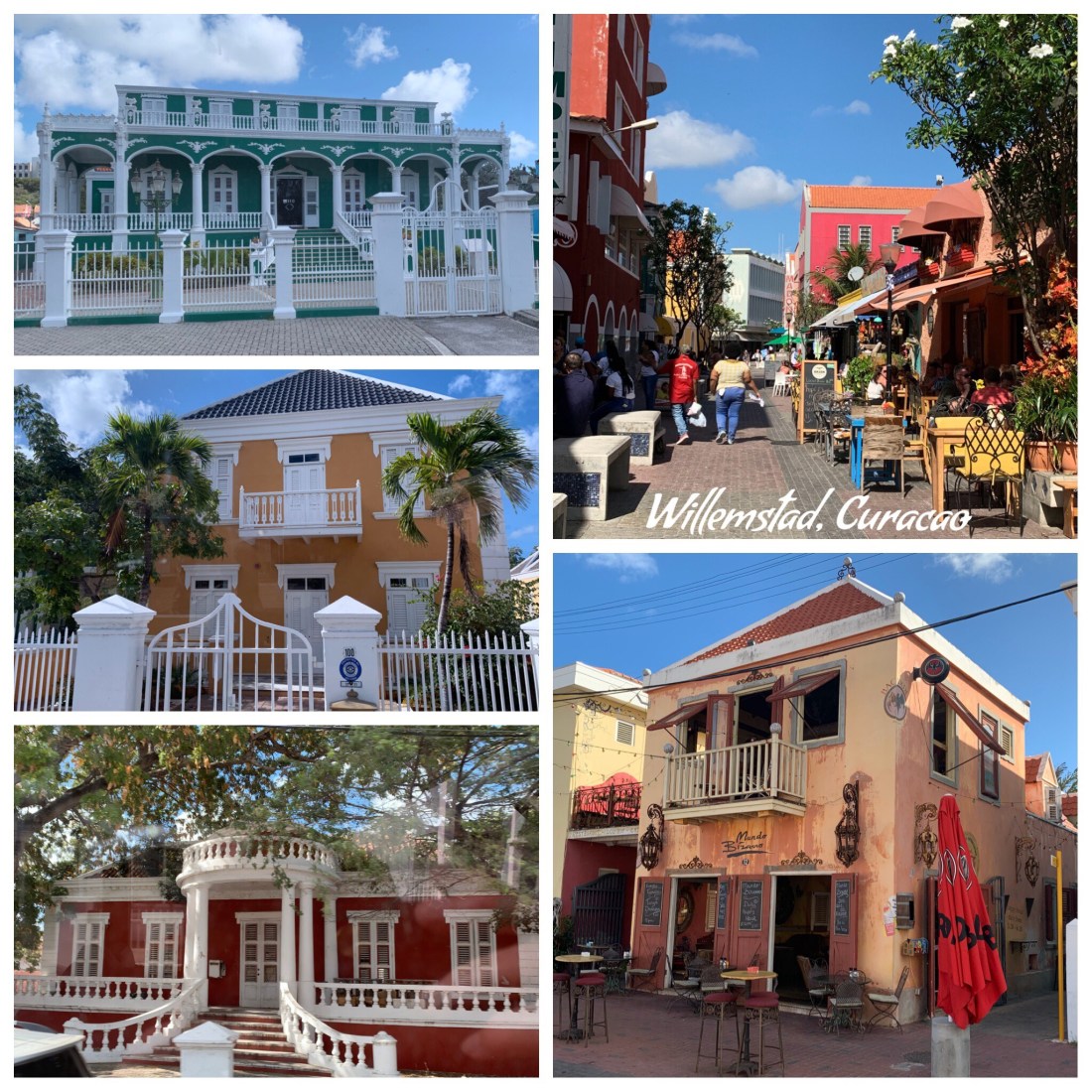
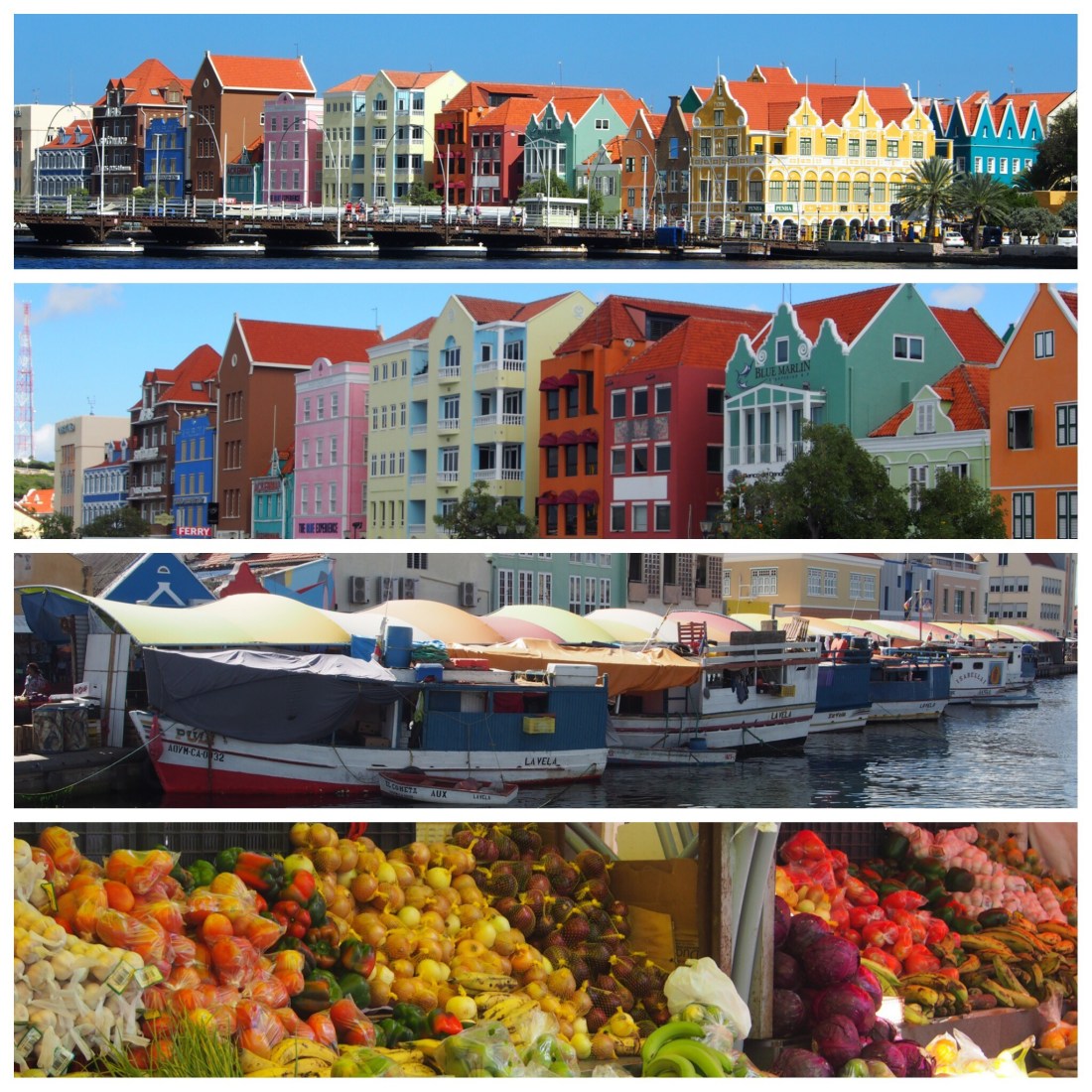
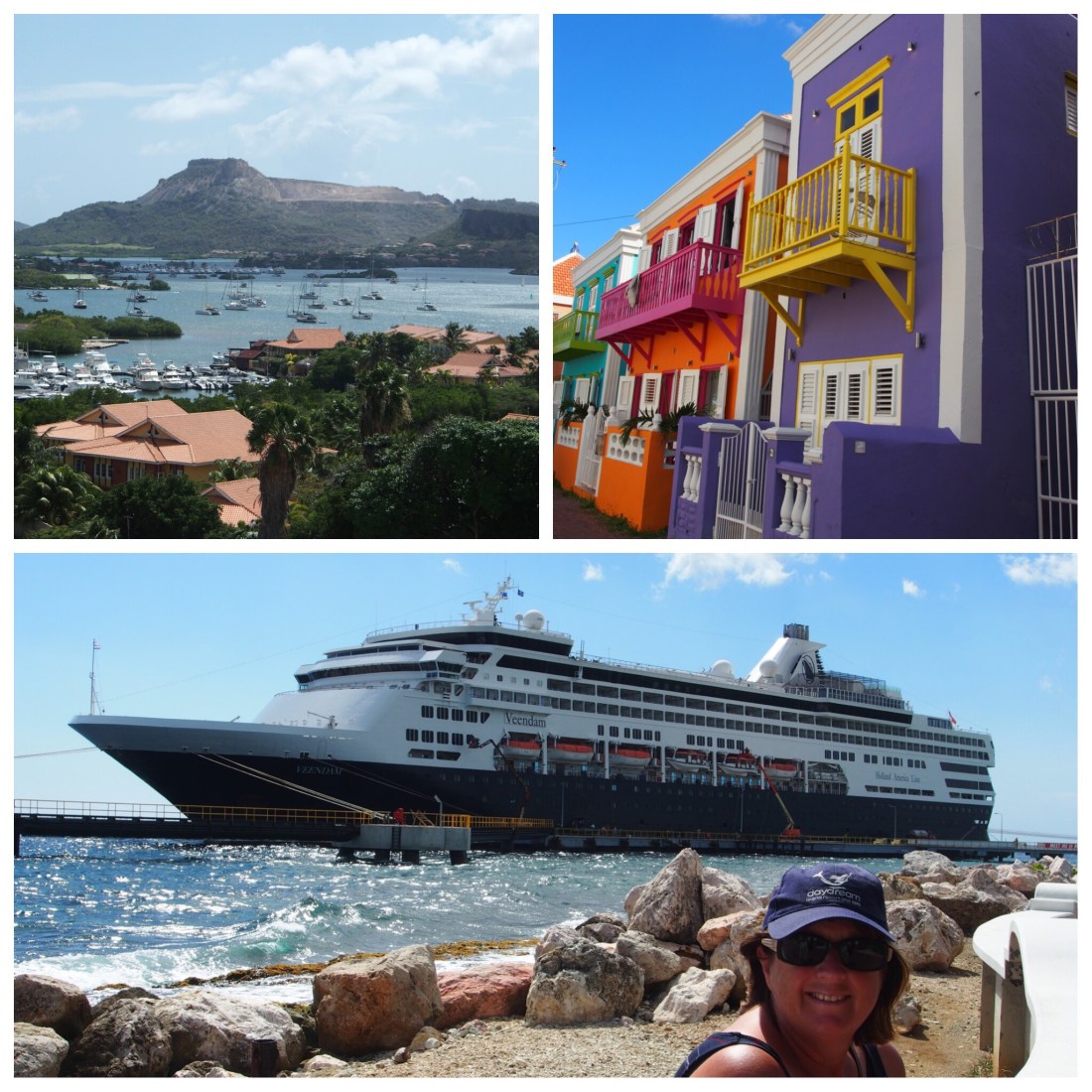
Today we arrived in the port of Curaçao. A small island in the Caribbean and after breakfast we were off to do a food tour of the area. Our driver/tour guide Irwin was full of information as we drove past the Queen Emma floating bridge and then on over the Queen Juliana Bridge with views out over the industrial, naval and port area on one side and housing on the other. Curaçao is a UNESCO World Heritage Site and has many historic buildings some very quaint architecture and lovely colourful homes. The island was formerly governed by the Netherlands and still has many Dutch influences. The Dutch West Indies founded the capital, Willemstad and in 1662 made Willemstad the centre for the Atlantic Slave Trade. The city itself is a blend of cultures from the food eaten to the languages spoken. The island has 38 beaches

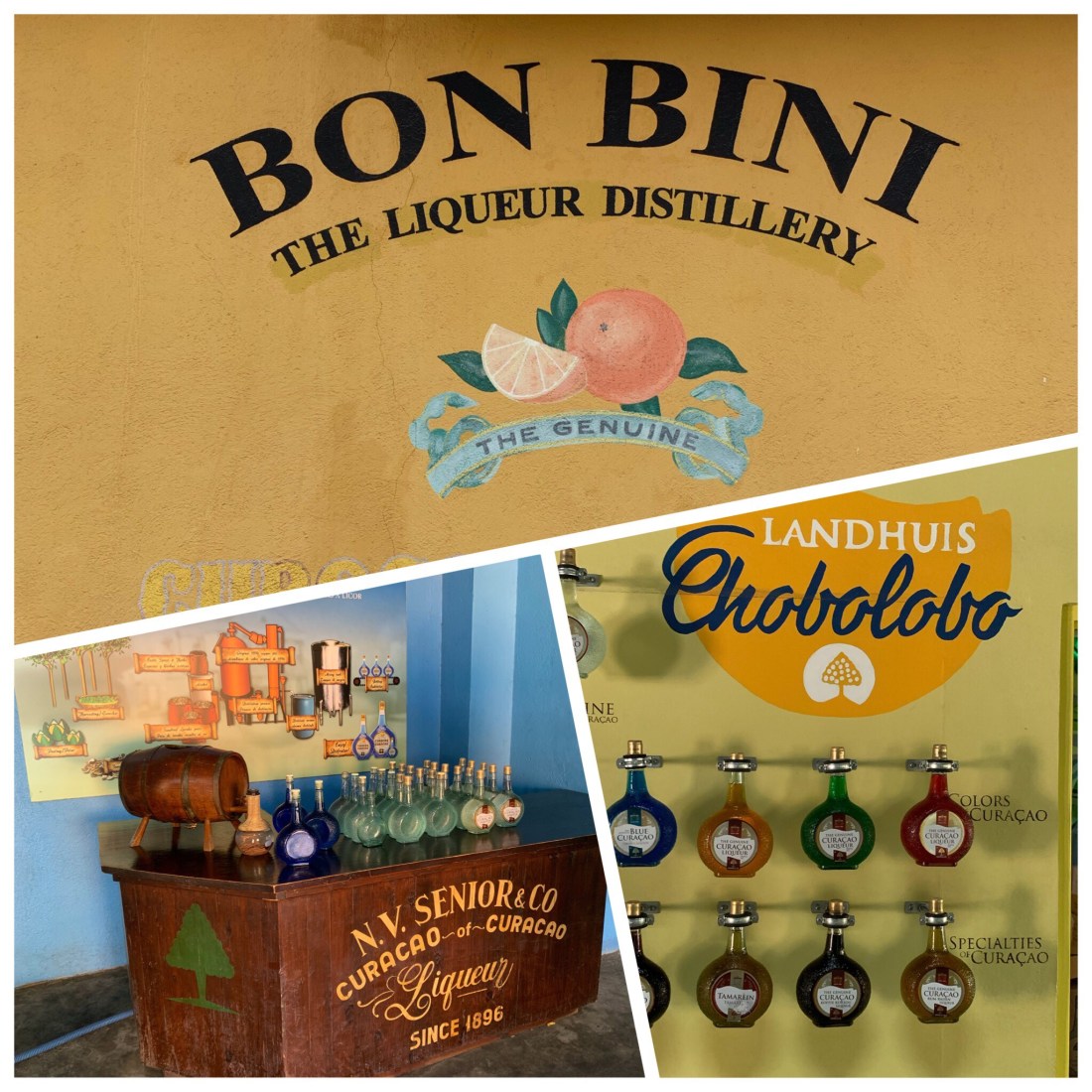
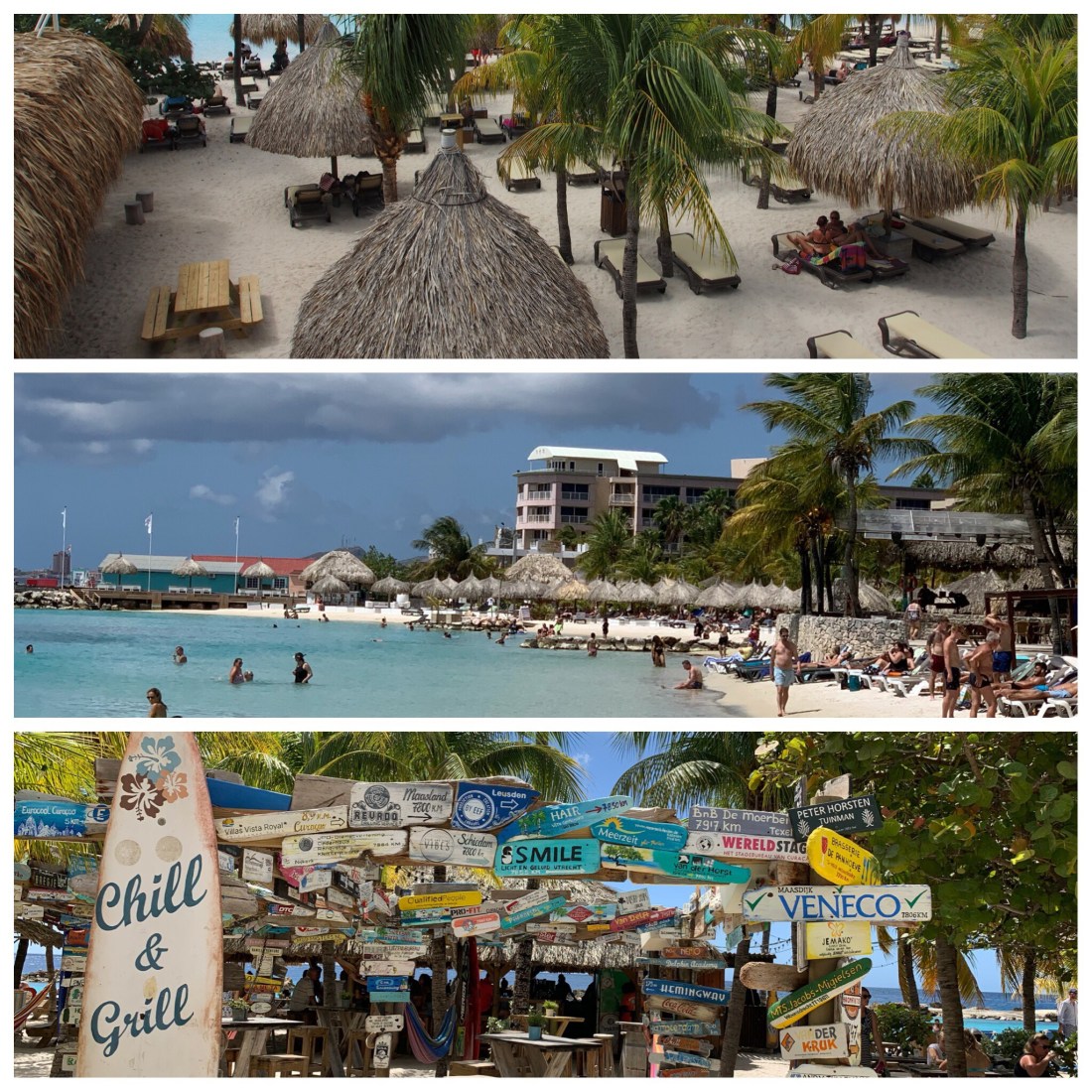
Our first stop was the Curaçao Chobolobo Liqueur Distillery where we got an overview of how the liqueur is made. Then had a taste test. Not too bad really! Probably not good at 10.30 in the morning but what the heck you have to try these things. After this we drove to a handcraft market which overlooked several beaches and marina before travelling to another beach resort area where we had lunch. A chicken (Galina Stoba) or beef (Karni Stoba) with rice and beans. Quite tasty, then for a walk along Mambo beach. Not my sort of beach and not like our beaches at home. This one is man made with hundreds of lounges and grass shelters (P- which you rent for an arm and a leg), bars, restaurants etc. all protected from the elements by huge limestone rocks. After lunch and our walk we were back on the bus and returned to the ship via the city area.

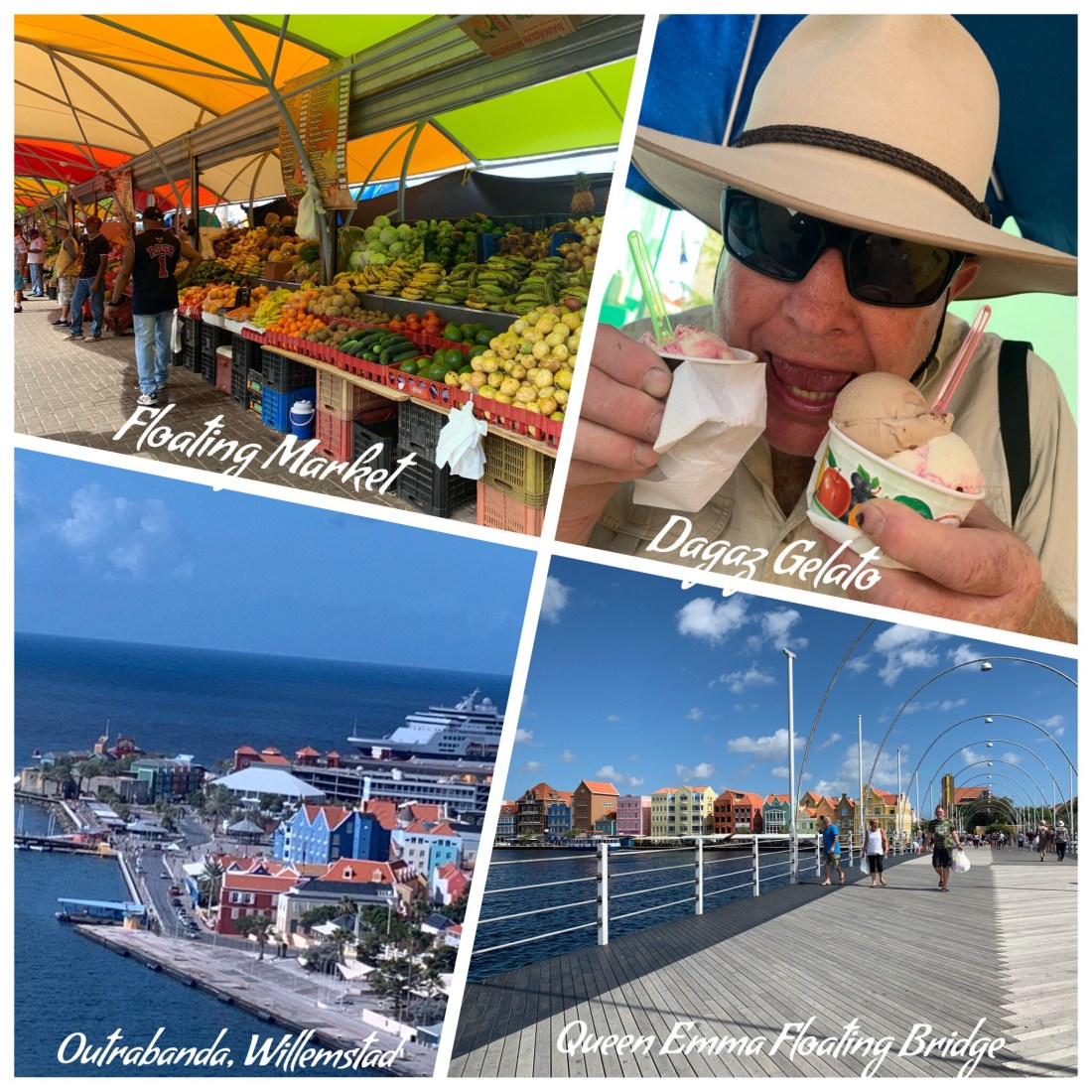
Back to our cabin for a few minutes before heading back out for a walk across the floating pontoon “Queen Emma Bridge ( a most unusually designed pontoon bridge hinged at one end) and through the city centre. The bridge is continually opening to allow cargo and tanker vessels through the narrow channel from the sea to the industrial port.

We found the ice cream shop that Joanne and Tristram and the kids found last year and had an ice cream for them, then a wander along the floating market before heading back to the ship. We had to wait for about 15 minutes as the floating bridge was open to let a container ship out.
Back to the ship for a swim, a relax, dinner and the late evening show.

(P- one is never too old to learn a new skill. Today I learnt the art of LIMING – I am well informed it is “The art of doing nothing whilst eating, drinking and generally just hanging out!” A local Caribbean lady informed me of this so I guess it’s correct – sounds good anyway!)

Fort Lauderdale and Key West

February 4, 2019

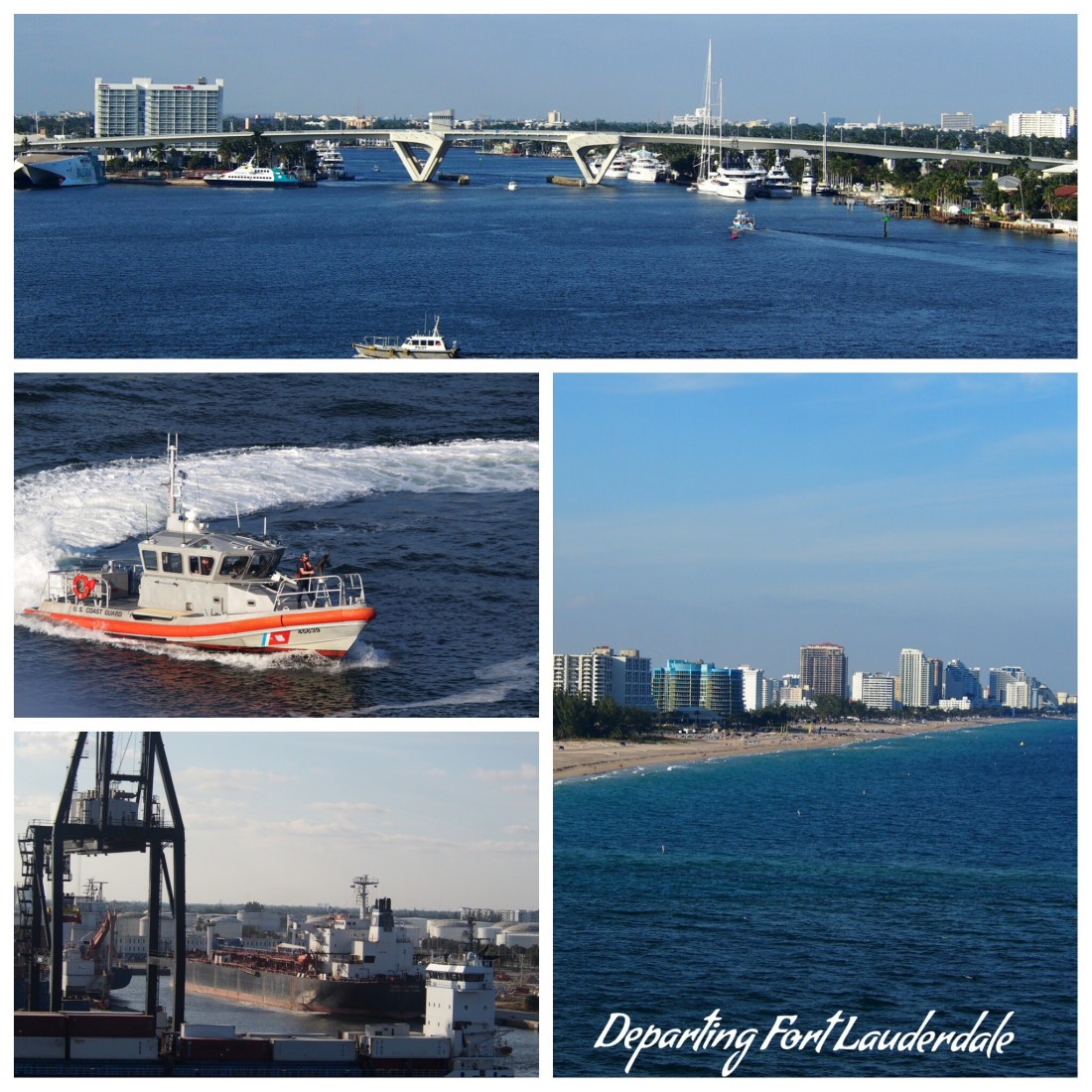
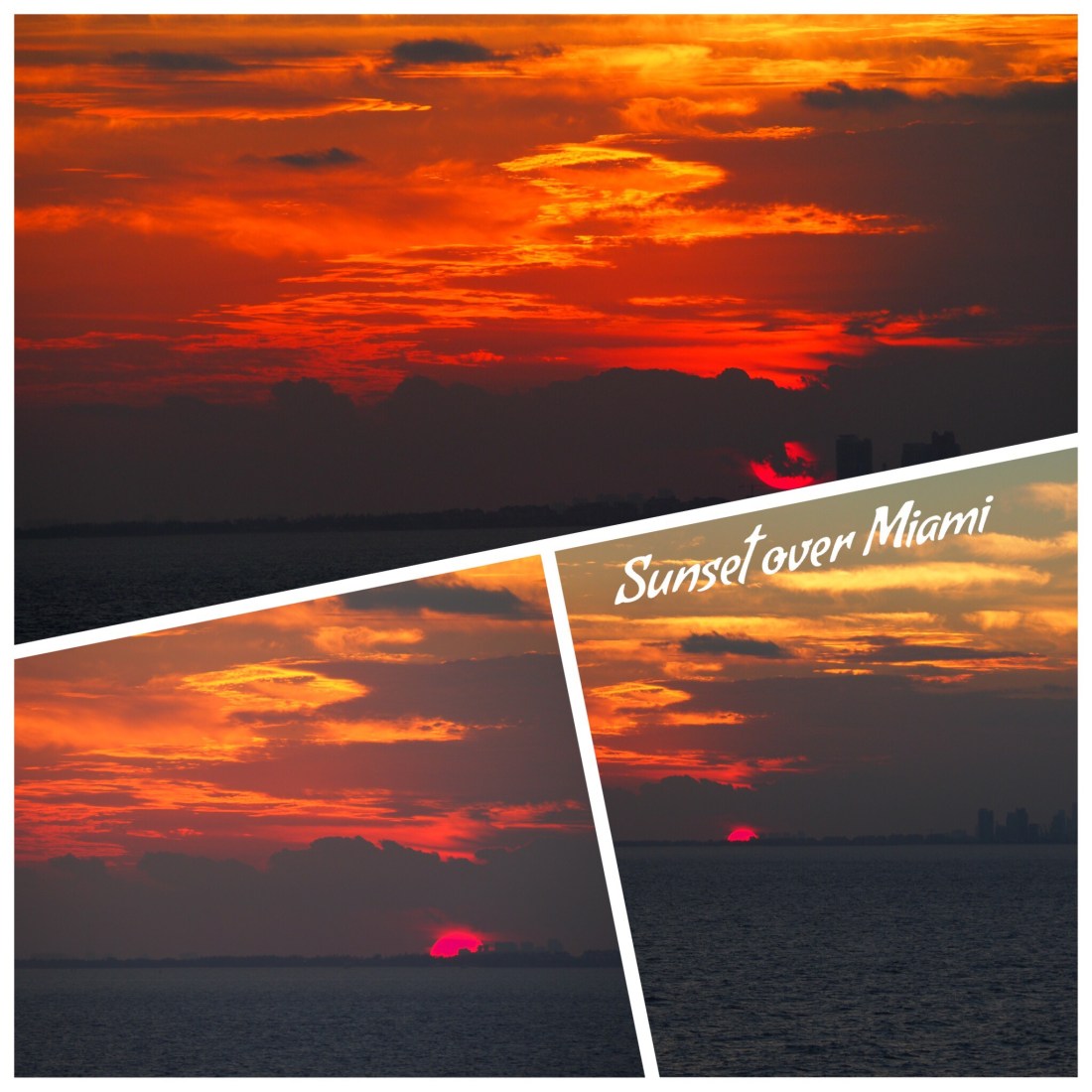
After another restless and sleepless night we are headed out for breakfast and then back to return our hire car before heading to Port Everglades to board our cruise. As we unloaded our bags at Hertz Car Return, Joe, the guy that checked our car offered to drive us round to the cruise terminal, so we loaded our bags back into the car and took off for the short ride. (Saved us about an hour and a few dollars not having to head into the terminal and find a taxi). Joe our driver was a great big friendly, black, American guy. Very talkative and happy and amazed at the tour we are about to embark on. He also informed us that it was an easy day at the Cruise Terminal today as there were only two ships in port, unlike Sunday which was frantic with 9 cruise ships in. He delivered us straight to bag drop, lifted our cases out of the car and wished us a great cruise. Made our morning. We are boarding the Holland America MS Veendam for the next few weeks. We checked in and had a short wait before we boarded. Once on board we went straight up to the Lido deck for lunch as our cabin wasn’t ready. After a very relaxed light lunch by the pool we wandered around the ship before heading back to our cabin, room 069 on Deck 10. Our bags haven’t been delivered yet so back up to deck 11 to enjoy a cocktail as we sail away. We met a lovely older couple from France who spoke very good English, Nellie and Victor, who we shared a table with as we left Fort Lauderdale. It’s a beautiful evening as we watch land slip away and the sun set over Miami.

Key West

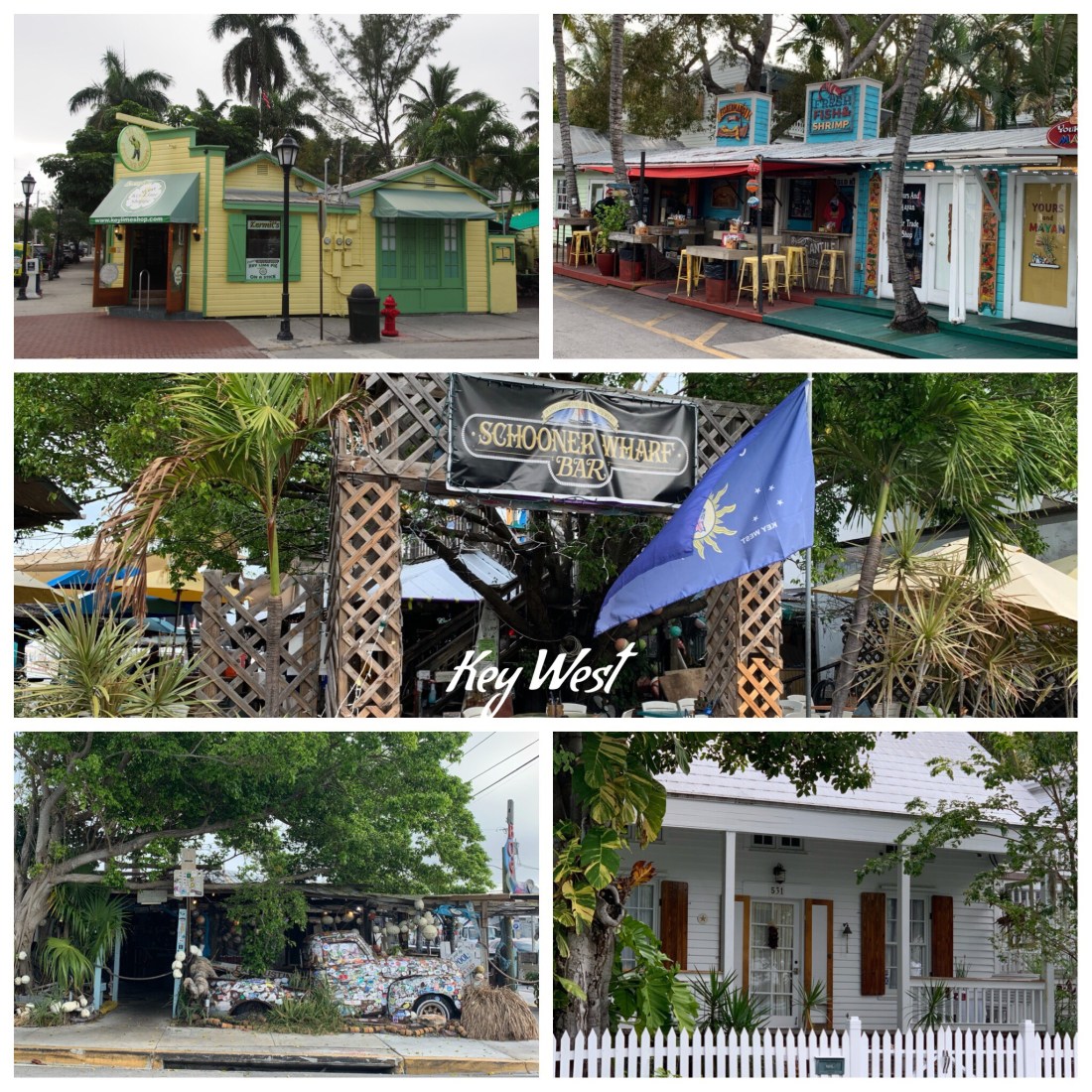
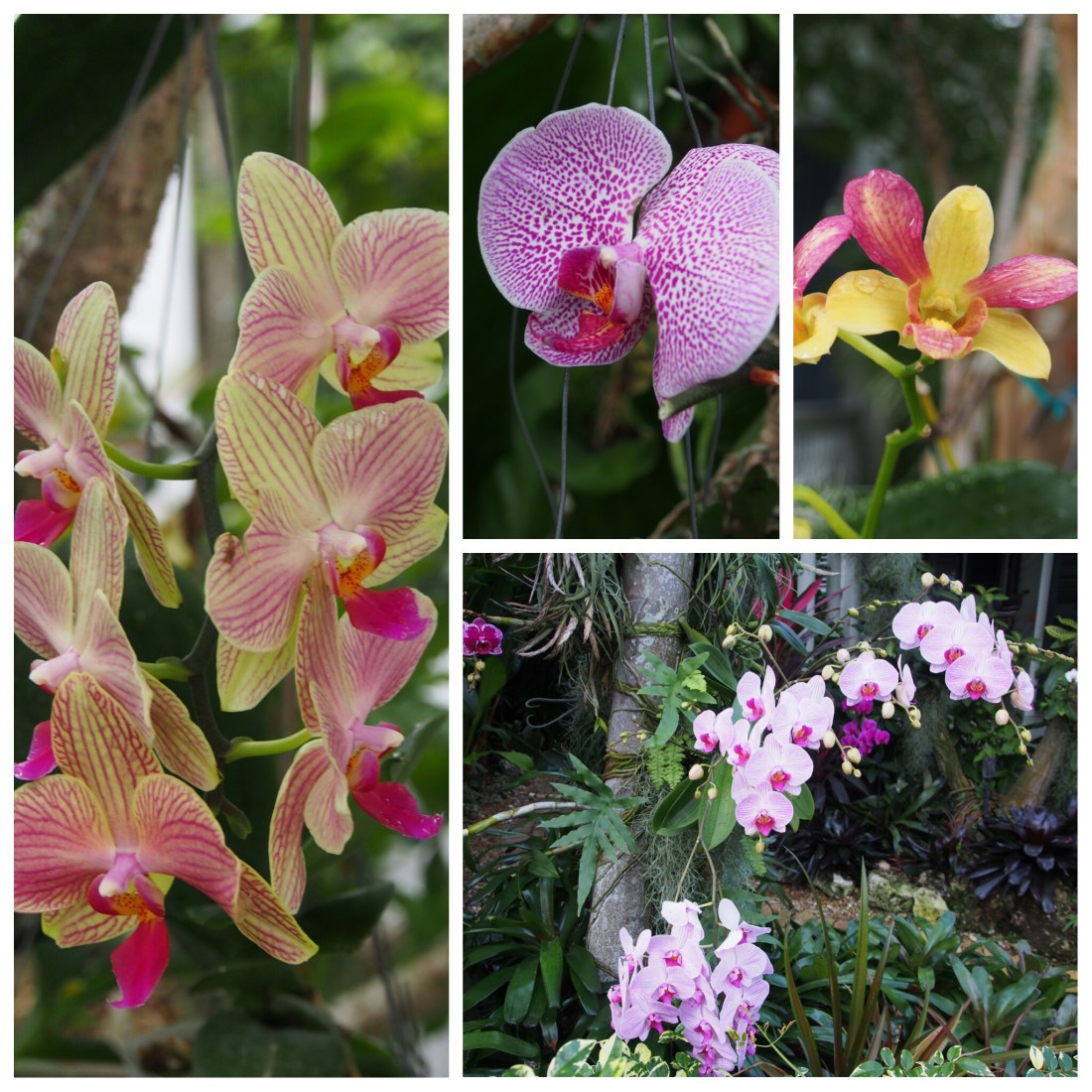
This morning we berthed in Key West as we enjoyed breakfast on the Lido deck. Then it’s back to our cabin to ready ourselves for our tour today. We are not doing a ships tour but one Philip organised. This is a Food Tour and doesn’t start until 11 o’clock so we have a couple of hours to wander first. I love the architecture here, cute white homes set in lush surroundings, palm trees, hibiscus, bougainvillea and orchids amongst many others plants. Tiny narrow streets, tiny shops and food outlets, rum distilleries and cigar factory’s all crammed into a 2 mile by 4 mile island. We walked for several hours before arriving at our starting point for the tour.

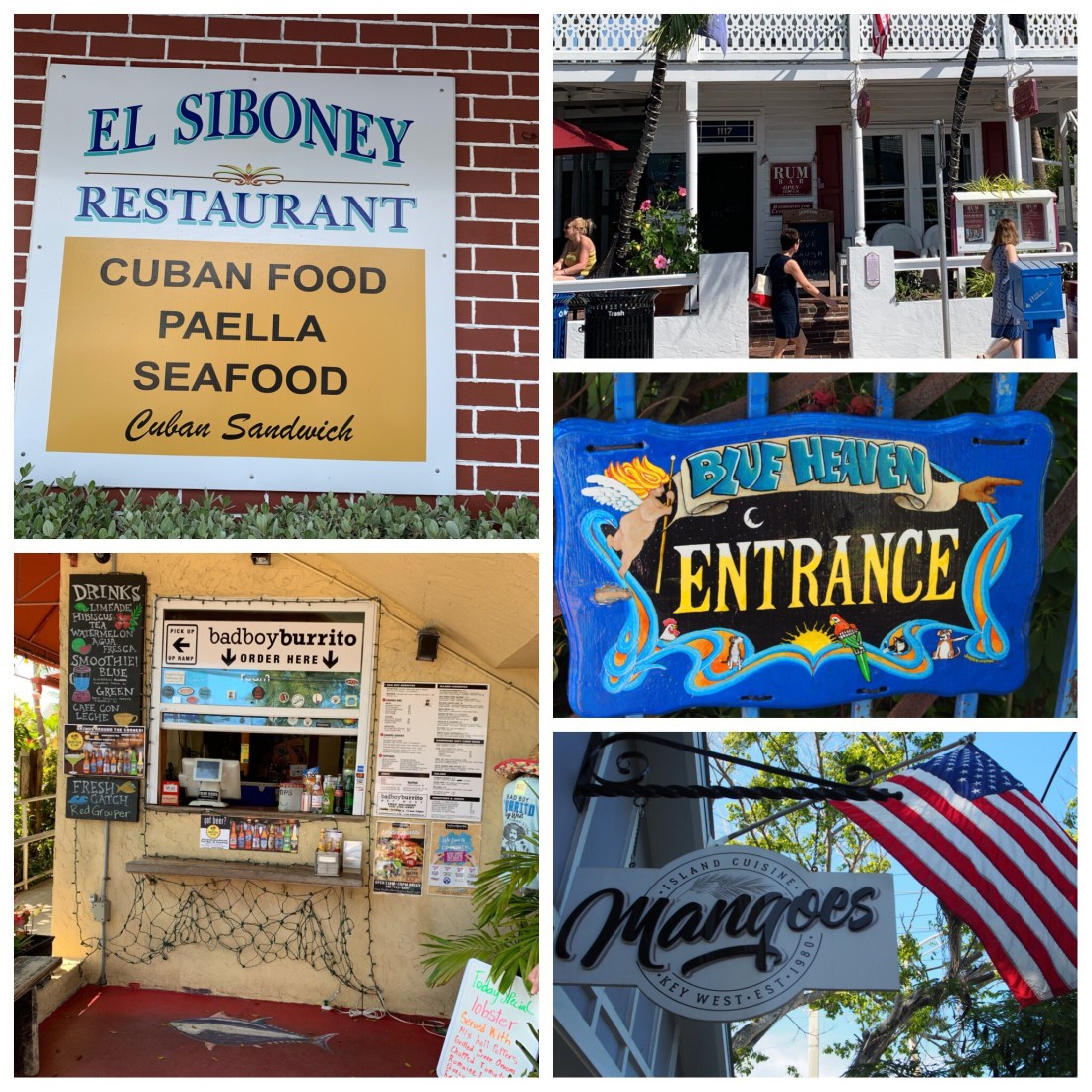
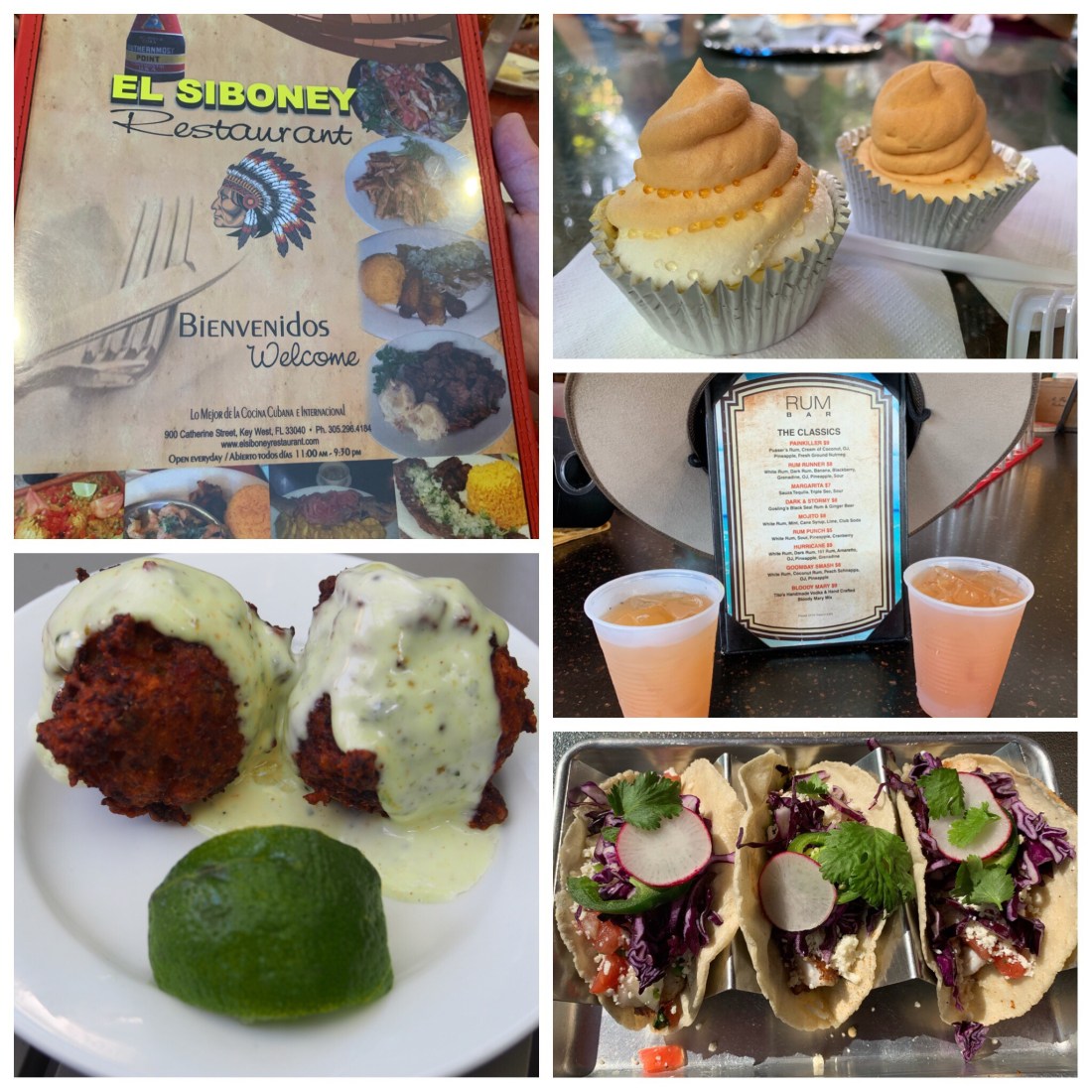
El Siboney Cuban Restaurant was our first stop and here we met the other 12 guests and our tour leader Shannon. We enjoyed a Cuban meal of slow cooked pork, onions, rice, black beans and plantains and finished off with a small Cuban Coffee. Shannon told us the history of this typical Cuban meal as we ate. It was all delicious, except the very strong sweet coffee.

(P-a bonus Judith doesn’t like coffee, I had hers as well – credit where it’s due tho! She did try it.)

After this we walked to our next destination with Shannon showing us points of interest along the way. Tasting number two was at Bad Boys Burritos, where we enjoyed a fish taco with Red Grouper, tomato, cabbage, crumbled cheese and peppers in a soft taco. Again this was delicious and in a very relaxed setting. Everything was so fresh here. They have no freezers and no microwaves, everything is prepared fresh and replaced every 48 hours. Next stop was the Rum Factory for a rum cocktail. As Philip drank my coffee I suggested I should drink his cocktail but unfortunately that didn’t happen. While finishing our cocktails we wandered along the streets past some quaint old homes and a grocery store, to the highest point on the island. Got to work off those calories. It was a big climb all 14 feet. There is now a lighthouse here that was moved from the outer reef after a storm damaged it. It now marks this high point and can be climbed for great 360 degree views of the area. After this stop we head to Blue Heaven Restaurant where Ernst Hemingway and his wife once resided. At this stop we got to taste the famous Key Lime Pie. Delicious and enjoyable in another great setting. Our last stop was just around the corner in Duval Street at Mangoes. Here we tasted conch fritters. Conch has a texture a bit like abalone and was very tasty served with a key lime aioli dressing. So now after three hours of great food tasting, local history and information and a nice bunch of people we have finished the tour and look forward to receiving some recipes which will be sent to us soon. I’m sure cooking these things at home will not be near as nice as tasting them here in Key West.

(P- the slow cooked Pork shoulder will definitely be cooked along with it’s marinade as it was delicious!) A thoroughly enjoyable day it was indeed! Now we are lost at sea for a few days – next post when we find civilisation somewhere!!!