An Overnight Oasis

Saturday 15th

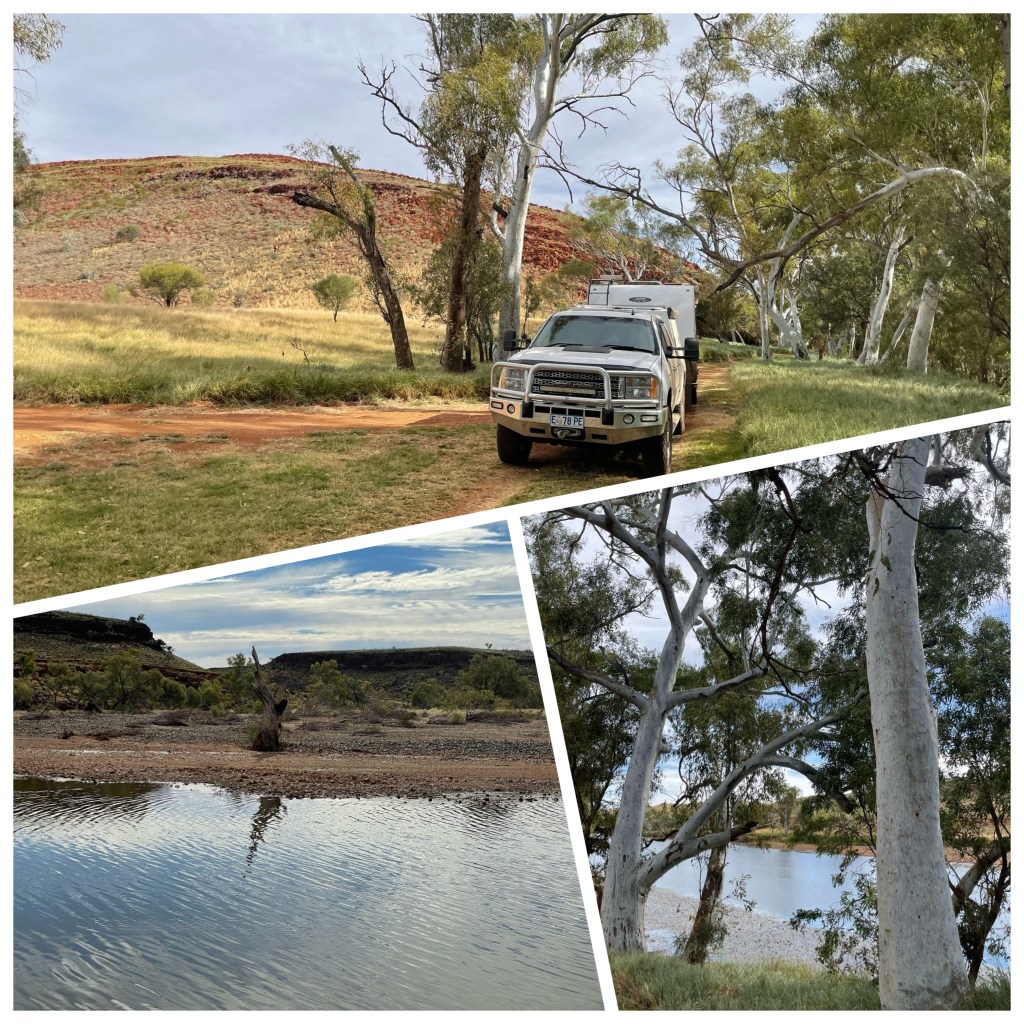
Tonight’s lovely campsite is about 20 kilometres north of Wiluna, a nondescript town between Leinster and Meekatharra. The main thing Wiluna is renowned for is that it is the starting point for two great 4WD routes, the historic Canning Stock Route and the Gunbarrel Highway (of Len Beadel fame). After a quick drive round the township we drove out the first few klm of the Canning Stock Route then turned off to North Pool. Not sure what we are going to find but it’s a good road out so we will see what happens.

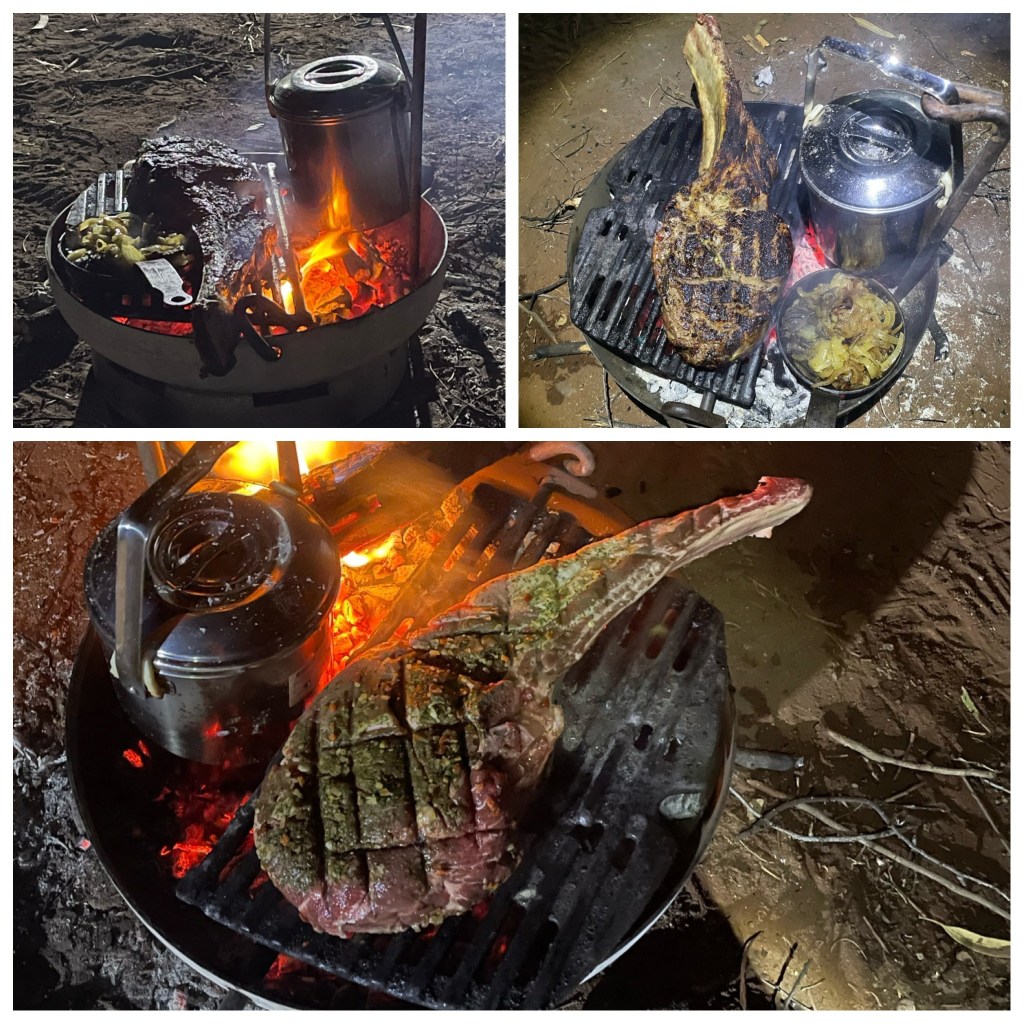
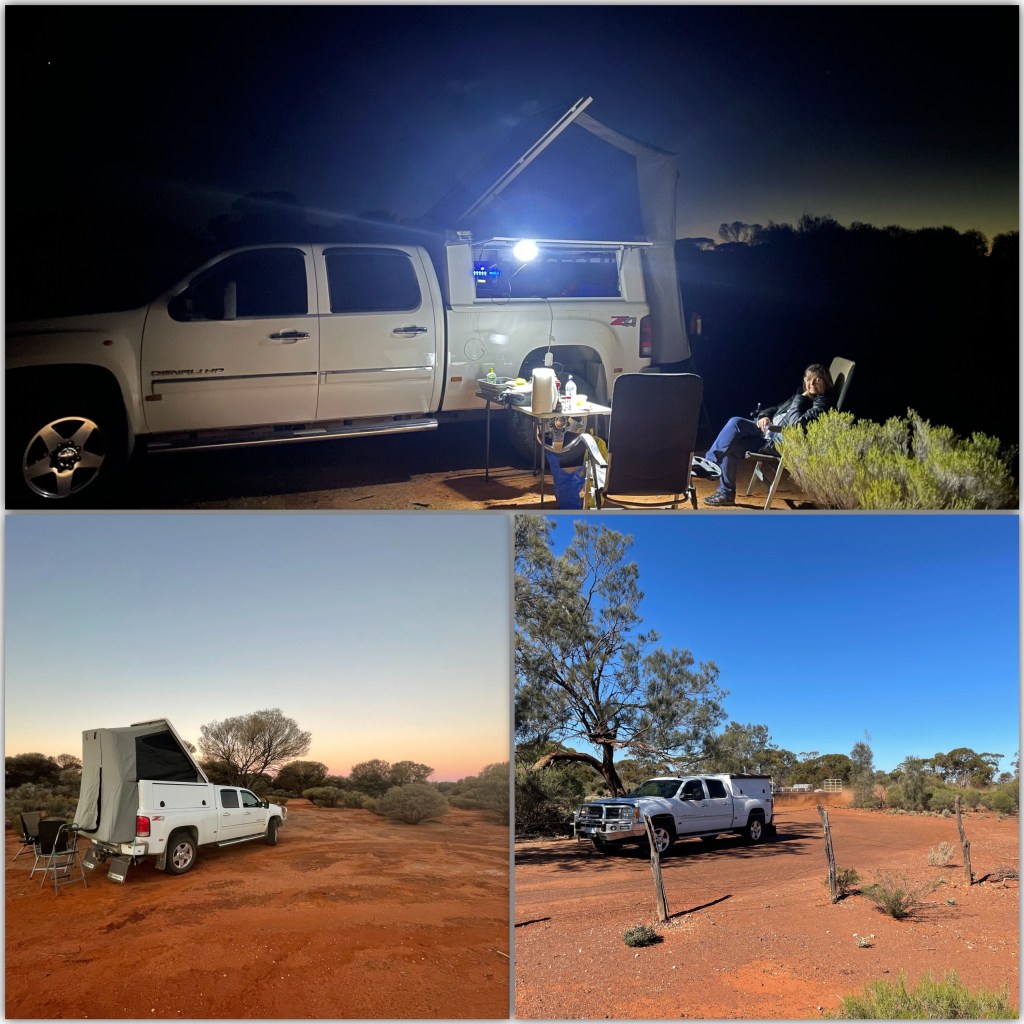
10 K later we arrived at a beautiful spot on the banks of a permanent water hole. Only one other camper here. We park our van nestled in amongst the river gums and set up for the night. The fire pot comes out and is set ready for lighting and cooking one massive rib eye steak for dinner.

(P) Not only did we sit and enjoy the fire and inhale the beautiful aroma of my “Mammoth” “tomahawk“ rib eye cooking over the hot coals Judith also omitted to mention how delicious it was! I must be more refined in my eating habits than when I was younger! I even shared it with Judith. Weighing in at 1.25kg there was even enough left to have with our Salad (potato salad, none of that green stuff for me thanks!) the following day.

North Pool is such a peaceful spot and so unexpected after miles and miles of dry, barren, rock strewn landscape that we have passed through over the last few days.

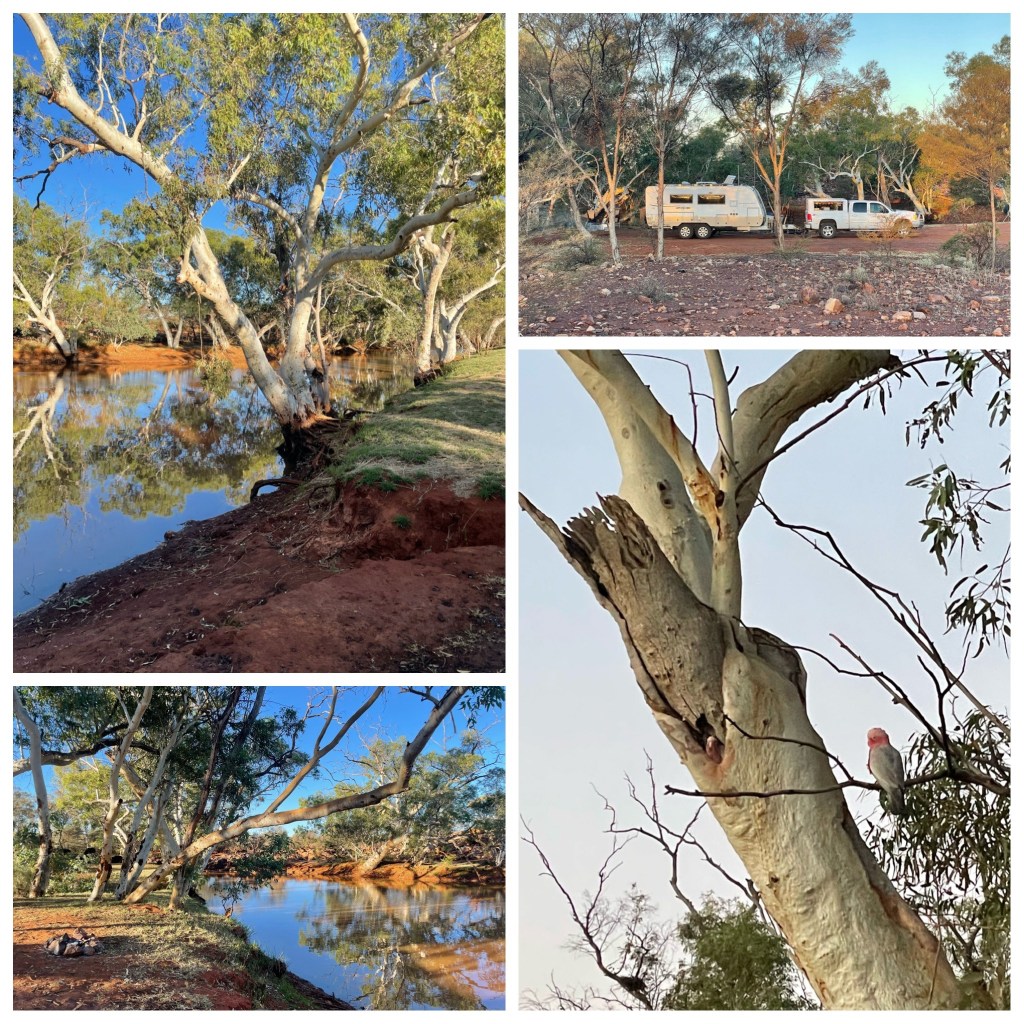
North Pool Camp
Mammoth Steak

Sunday 16th

Travelling on to Newman the countryside starts to change from barren, dry and desolate, to areas that have had some rain and now starting to show green shoots coming through. Then closer to Newman as we cross the Tropic of Capricorn there is ample feed, hills covered with vegetation and water in pools along the roadside and some river beds. Our intention was to stay in Newman for a couple of days before heading into Karijini National Park but as BHP have bought out the caravan parks (we understand this happened to protect their staff because of COVID-19) and tourists are no longer welcome, we only stayed overnight at the Tourist information rest area. Newman was a much bigger town than we expected. Very much a mining town with a population of 5000 plus another ( approx) 4000 FIFO workers. We enjoyed a lovely walk around town after we arrived and collected some tourist info from the centre for some light reading tonight.

Monday 17th.

We have 3 days before we are booked into Karijini (so far the only prebooking we have made which was a few days ago ) we have to decide what to do in the interim. Philip wants to head just north of town to look at the Roy Hill mine. After about 50 kilometres he finally decides that we are not going to see much of Hancock Prospect’s huge mine as it’s all behind a range of hills just off the road. All we can see is a few spots of stockpiled tailings and one huge airport built especially for this mine. We drove into the airport to see a Qantas 737 sitting on the runway. It looks very out of place here in the middle of nowhere. Just a few kilometres on we cross a fairly new railway line heading into the mine. Again no sighting of the mine. Philip says mining companies should be made to construct viewing platforms for tourists when planning their mining operations. Not sure that they would agree. However he has his own mobile platform and binoculars with him. (Lots of people ask us what the ladder on the van is for).

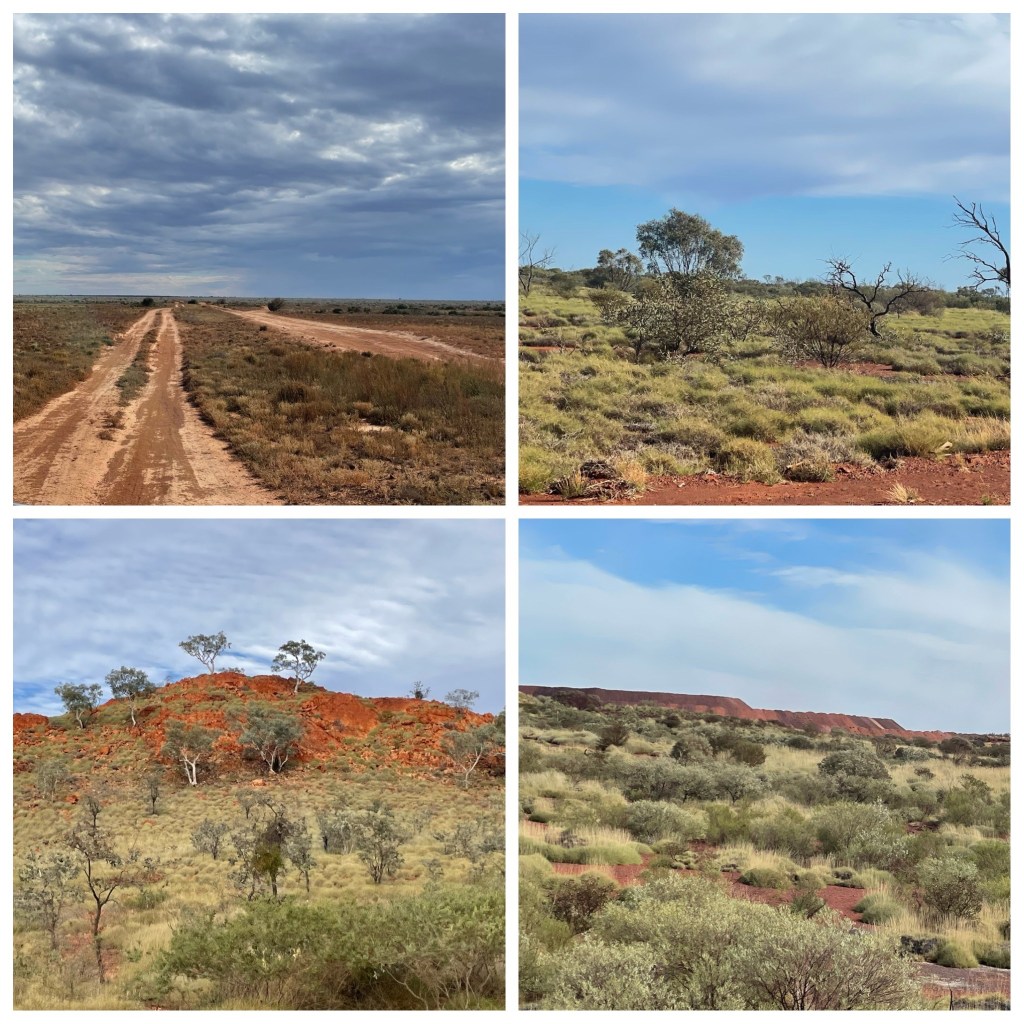
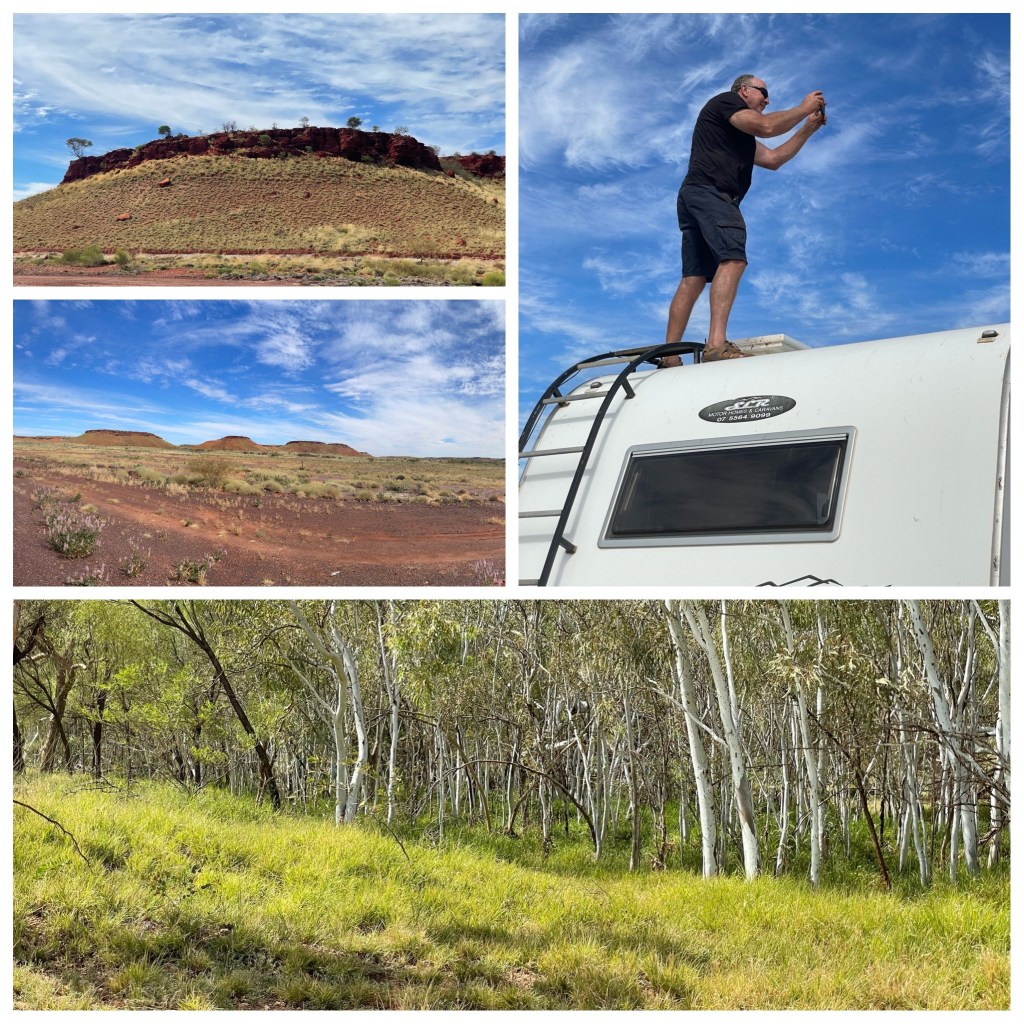
The landscape heading north from Newman is quite surprising. We weren’t planning on coming this far north but we have a couple of days to fill in and it’s so pretty with green spinifex covered “jump up” hills, lush river crossings, deep red rock outcrops and clear blue skies, that we just keep driving. Every corner presents a new vista and although it’s very scenic it’s hard to take photos of. The road is a mining road so is wide and graded in parts. The ungraded parts are corrugated and have washouts that need to be avoided but as there is little traffic we have the whole road width to drive on just keeping an eye out for the other limited traffic. Most are mine vehicles which radio ahead to say they are passing. In 300 k we probably only see 3 other tourist vehicles.

About half way to Marble Bar we stop at a lovely little picnic area called Garden Pool near Beaton Gorge. There is a substantial water catchment here with grassed edges and beautiful old gums and only one other visitor. The nearest town to this is Nullangine, an old gold mining town almost defunct now. We had considered stopping here but the caravan park is closed so it’s on to Marble Bar.
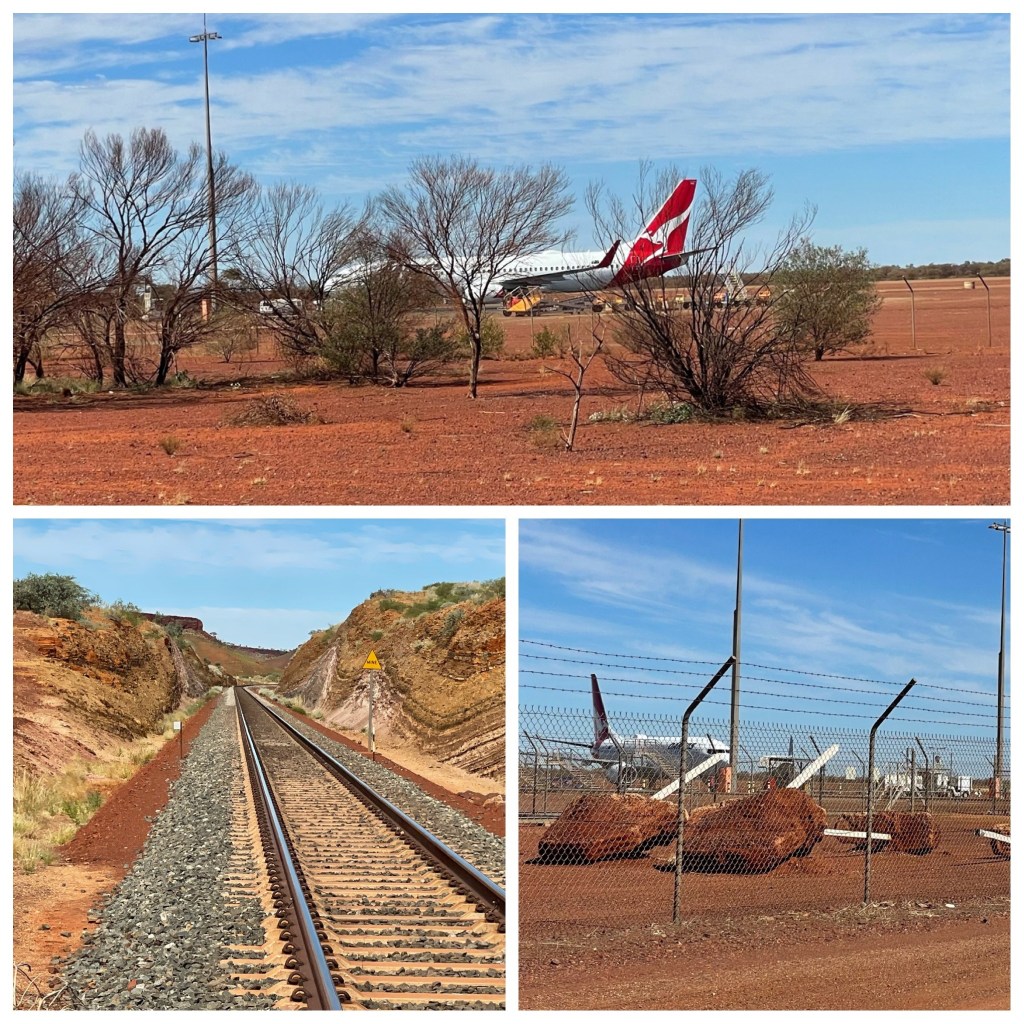
Roy Hill Airport and Rail Line
Garden Pool
A Changing Landscape
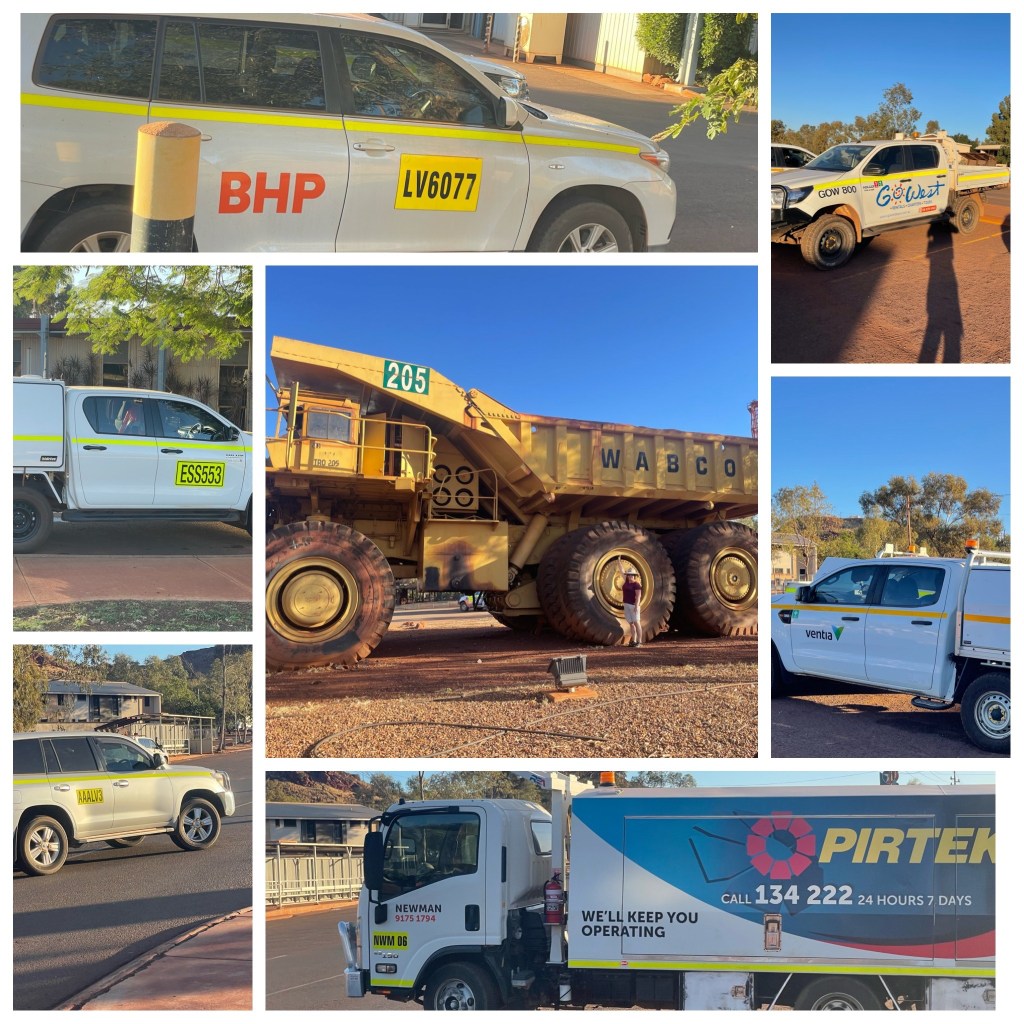
Mine Vehicles Newman

A Dam and a Ghost Town

Before we get to today’s tourist drive I just wanted to include some pictures of the trucks we are encountering. There are heaps of 4 trailer road trains carrying anything from fuel to gold bearing ore, mine equipment and assorted paraphernalia. (P) up to 160 tonne combined weight) As we drove towards Kalgoorlie a couple of days ago we followed a wide load. The widest we have seen. 8.5 metres. (Close to 29 feet wide) Two escort vehicles in front and one behind. To put it simply, there was NO ROOM to Overtake!!! Amazingly they were travelling between 80-90 Kph. We followed them for almost 100 kilometres. We had our radio on so could hear all the talk between the escort vehicle and oncoming traffic and the comments when vehicles didn’t move over or stop quickly enough.

Road Trains and Wide Load

Now to today’s (Friday 14th) touring. We are heading North from Kalgoorlie and our first stop was Broad Arrow, a township that supported the Railway. All that remains is the water tower, 3 railway cottages and the tavern. The water tower is one of the few cast iron tanks that remain in Western Australia.

After restocking with groceries yesterday and doing all our domestic chores we left Kalgoorlie this morning after a very enjoyable stay. The park we stayed in, although a Big 4 Park was mainly used by mining staff. The cabins here were let out for $400 per week and they were all full. Tourists were a bonus for the park. We met some great people here. The couple next to us the first few days, were in their late 70’s. He, Graham, look very worried when they pulled into the park after us and he was very grateful when Philip offered to back their van into the site for them. Philip then proceeded to give him a lesson on how to easily un hook their level riders along with a few other tips. We later enjoyed a drink with them and the next night Philip again came to the rescue when they couldn’t get their DVD player working. Graham had no technical idea but Joan had it all sorted when we had the right cords connected for them. The guy behind us (mine claim consultant) was also very chatty each time he saw us outside.

P) Kalgoorlie has been a great stop. A vibrant active hub to the Goldfields region of WA. We felt a little out of it as no matter where we looked at any time of day the popular standard of dress was Hi Visibility work clothing! I was almost concerned when Judith went shopping that she may have returned in the yellow/orange reflective attire!!

All but every thing in Kalgoorlie is BIG, trucks, loaders, diggers, mines, pubs just to name a few. This BIG theme has now caused us a most concerning problem. As most who know me would realise quality food is a bit of a hobby of mine.

A long time back an old wizened farmer mentioned to me that “meat is actually vegetarian- well Cows and Sheep eat grass and other vegetable matter and convert it into a protein that actually has a delicious taste” so meat is just naturally processed vegetables.”

I didn’t take a lot of convincing!!

Now back to the BIG issue. Whilst shopping I found a butcher and they had 2 of my favourite beef cuts. Beef ribs (delicious slow cooked on the hot coals) and a rib eye on the bone. When I got them home I realised wrapped up in the parcel was 2 long complete ribs of a Mammoth and the matching rib eye! None of which will fit in my camp cooking equipment or for that matter our Webber BBQ! To solve this serious issue I had to decide, do I butcher them with the Chainsaw, Pruning Saw, Axe or Angle grinder (new washed cut off disc )??

Next stop is Niagara Dam. This was constructed by the railway in 1897-98 for a cost of £62000. The huge quantity of cement that was needed for the project was railed to Kalgoorlie from Perth and then taken by camel train the 137 miles to Niagara. The camels were each loaded with two wooden half barrels with a total weight of about 1/2 a ton. By the time the dam was completed it had accumulated very little water due to lack of rainfall. To make matters worse a good supply of underground water was discovered at nearby Kookynie. Today the dam only has water after cyclonic events. It provides an oasis for campers, picnickers and locals.

Continue reading “A Dam and a Ghost Town”

Touring The Goldfields

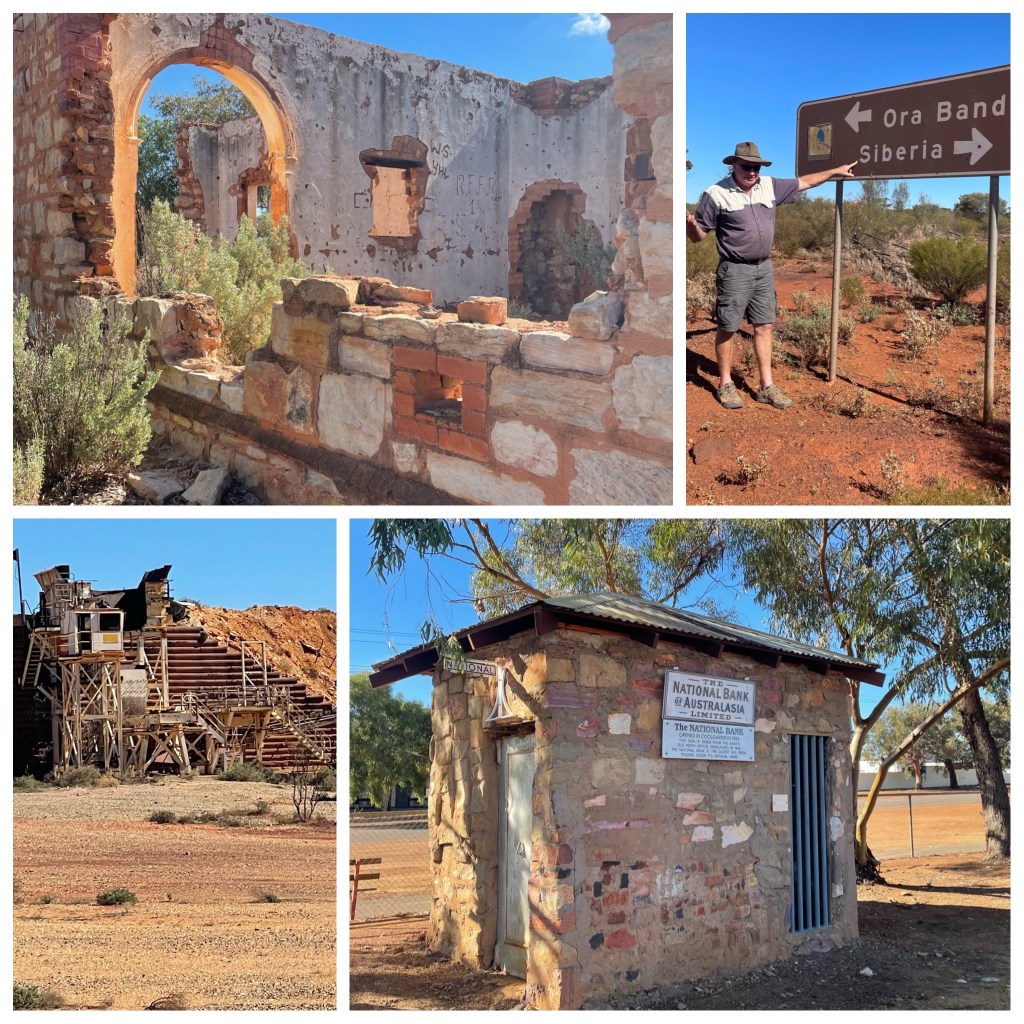
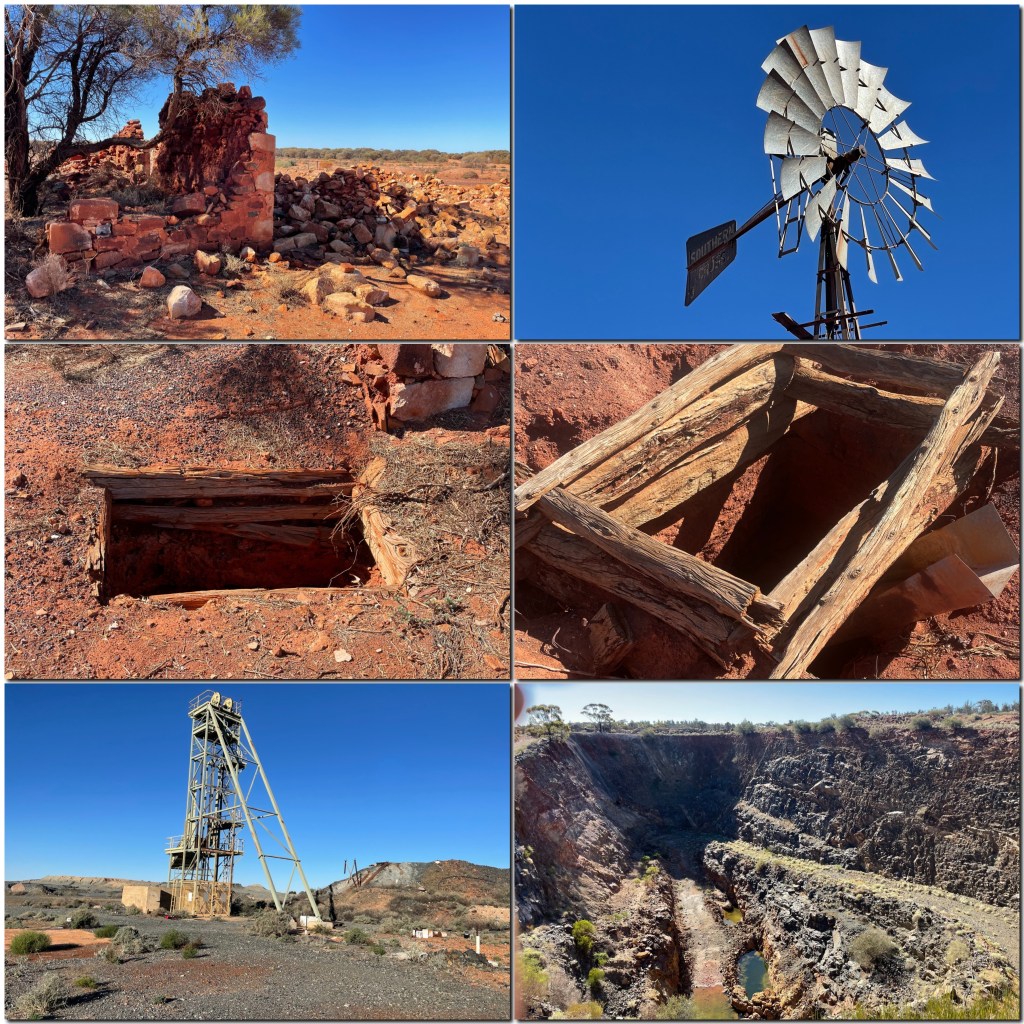
We are off for a couple of nights leaving our van in Kalgoorlie and planning on using the roof top “penthouse”. We are heading off to explore some backroads around the historic gold mining areas. Driving south first to Coolgardie then turning north up some gravel roads following the Golden Quest Trail which covers 965 kilometres around the goldfields. Along the route we discover old mine sites, mine towns that have died and fallen into disrepair or been moved to newer sites, old machinery and gravel roads that are wide and straight and traverse varied terrains from salt bush to mulga, dried lake beds to granite creek beds. Red soils to redder soil to lighter gravels. The men that discovered gold out here must have been hard, strong men with great vision and even greater determination to want to work and live in this desolate landscape. The women who followed them must have been out of their minds. For them it would have been an even harder lifestyle with few women about and great distances between mining townships.

We had a guide book with us which gave us some history of each of the highlighted sites along the route with stories of men who worked the mines, rescues that took place and events that occurred in the towns. This made the trip much more interesting.

Relics along the way

(P) Added to the above we also drove some Station Access roads, the area is dry and feed is scarce. Alongside major water bores there is evidence of the cattle being fed hay. What was once sheep country is now predominantly cattle country and as a general observation the cattle were cross breeds of poor quality. Whilst the caravan is full off-road it still limits where we can travel ( off the beaten track).

We are looking forward to using our custom built “Rooftop Penthouse”. I designed this so we could still have most of the comforts of the Caravan but explore narrower rougher more remote tracks. Complete with Solar panels, Lithium Batteries, Fridge and Freezer, water Tank, 12v heating ( if it’s cold) 240v electric cooking (via an inverter), a dressing area on the tailgate ( so Judith doesn’t get red sand between her toes) and a “throne” for when the old age bladders need to be relieved through the night. The 12v heated shower is outdoors and under the Milky Way as usually there are no other campers within a “Bulls Roar”. In fact once we got off the main road and headed bush we saw no other vehicles for 2 days apart from 2 mine vehicles and a Station Bore runner ( who checks the livestock water on the stations).

The Roads Ahead

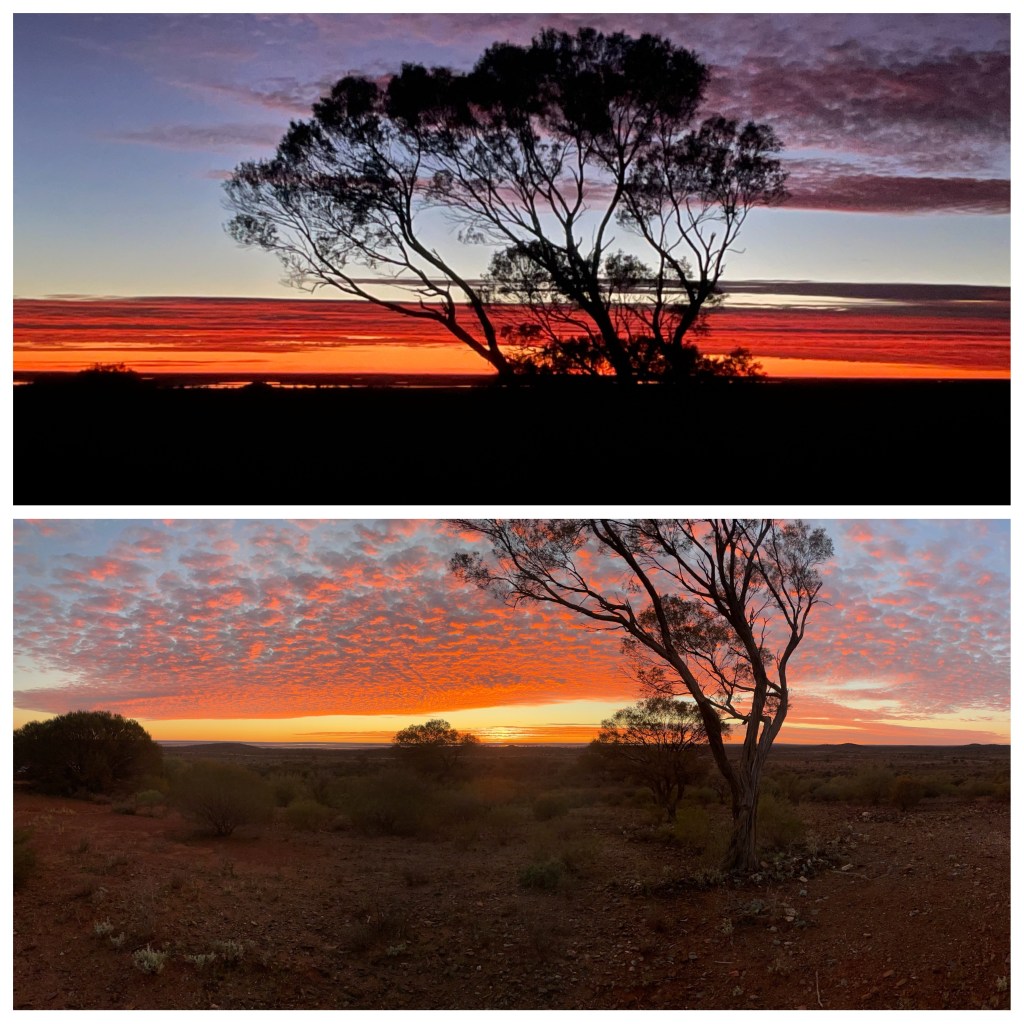
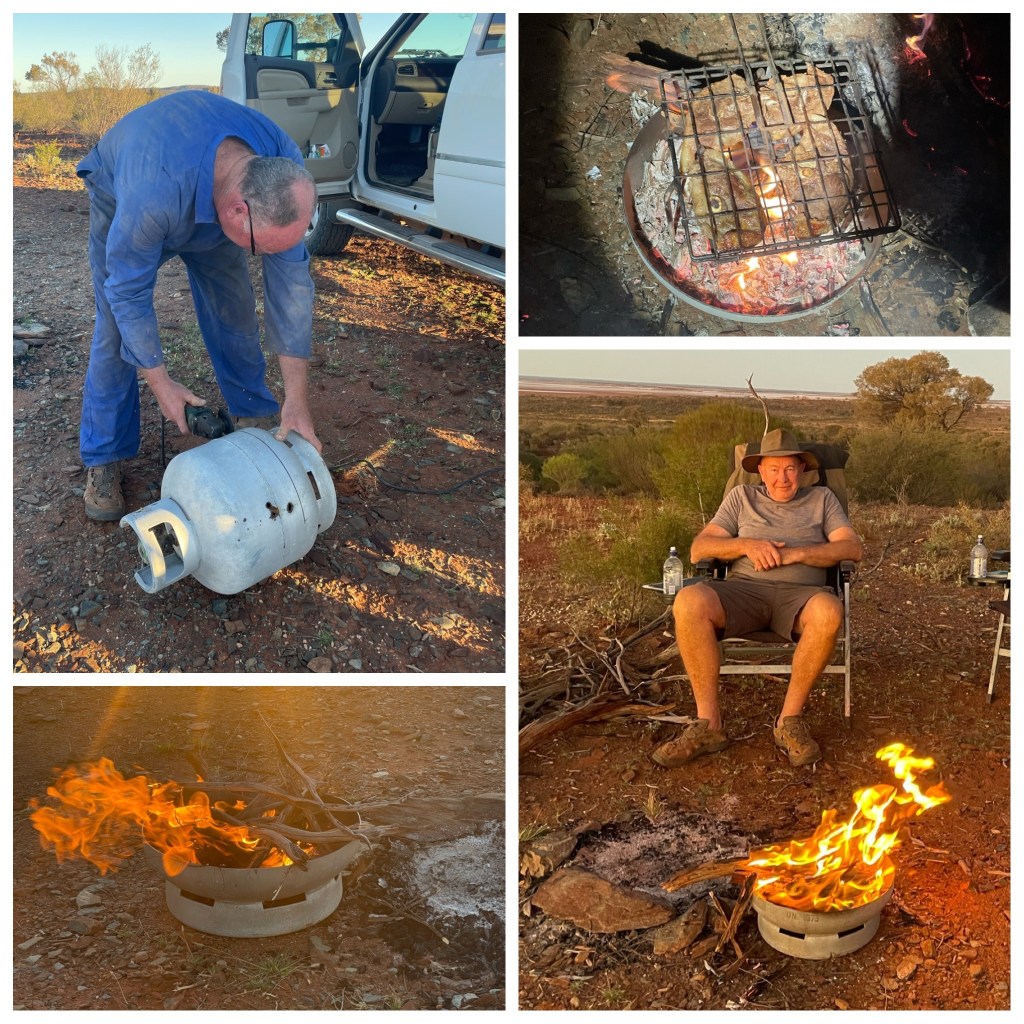
We spent two wonderful nights sitting out enjoying the amazing night sky, beautiful sunsets, the milky way so clear we could watch passing satellites, the International Spaces Station pass over, shooting stars and the most awesome sunrises from our “Rooftop Penthouse”. The first night we didn’t have a fire as we were in a National Park but by night two Philip couldn’t help himself. (P) I must have had a “Brain Fart” to forget my fire pot! At one stop at a disused mine, while exploring, he found an old empty gas bottle that had been shot at, so he picked it up and put into the back of the truck. I wondered what he was going to do with it!!! but when we stopped for the night out comes the gas bottle, cutting discs and grinder and he sets to work cutting the gas bottle off just below half way and cuts some slots in the base of it. Then we are off looking for some wood. Tonight we are going to enjoy a fire in the “new upcycled” fire pot. The lamb chops were delicious cooked over the hard dessert Mulga wood. I must say it was very nice sitting by the fire as night settled around us.

Rooftop Camping
Sunrise from Snake Hill

(P) We arrived back to Kalgoorlie and went for a wander around the streets of Kalgoorlie and it’s adjoining town Bolder, beautiful late 1800s architecture abounds. The place is full of old pubs and other decorative facades. From there it was another visit to the viewing area of the “Super Pit” the huge open cut gold mine right on the edge of town. The area was originally mined underground and then converted to “open cut mining”. With a good set of binoculars I was mesmerised by the huge machinery, trucks, the size of the terraced mine and the exposed tunnels from the old underground mines from previous times. Some underground mining still takes place with the ventilation shaft and entrance located on one of the mine terraces. From there it was back to the “Exchange” Pub for a great meal.

The “Super Pit”
Kalgoorlie Facades
The New Fire Pot
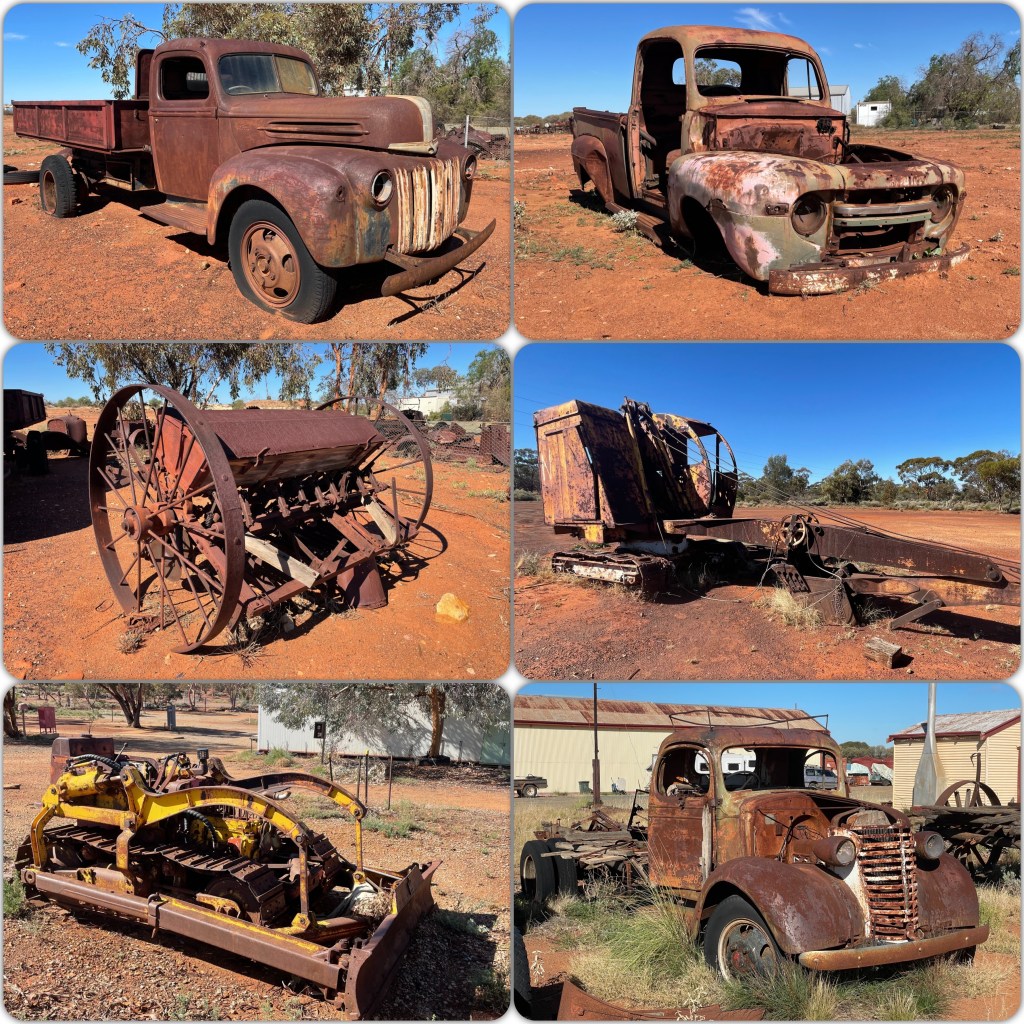
Relics of the Past
Our Tracks

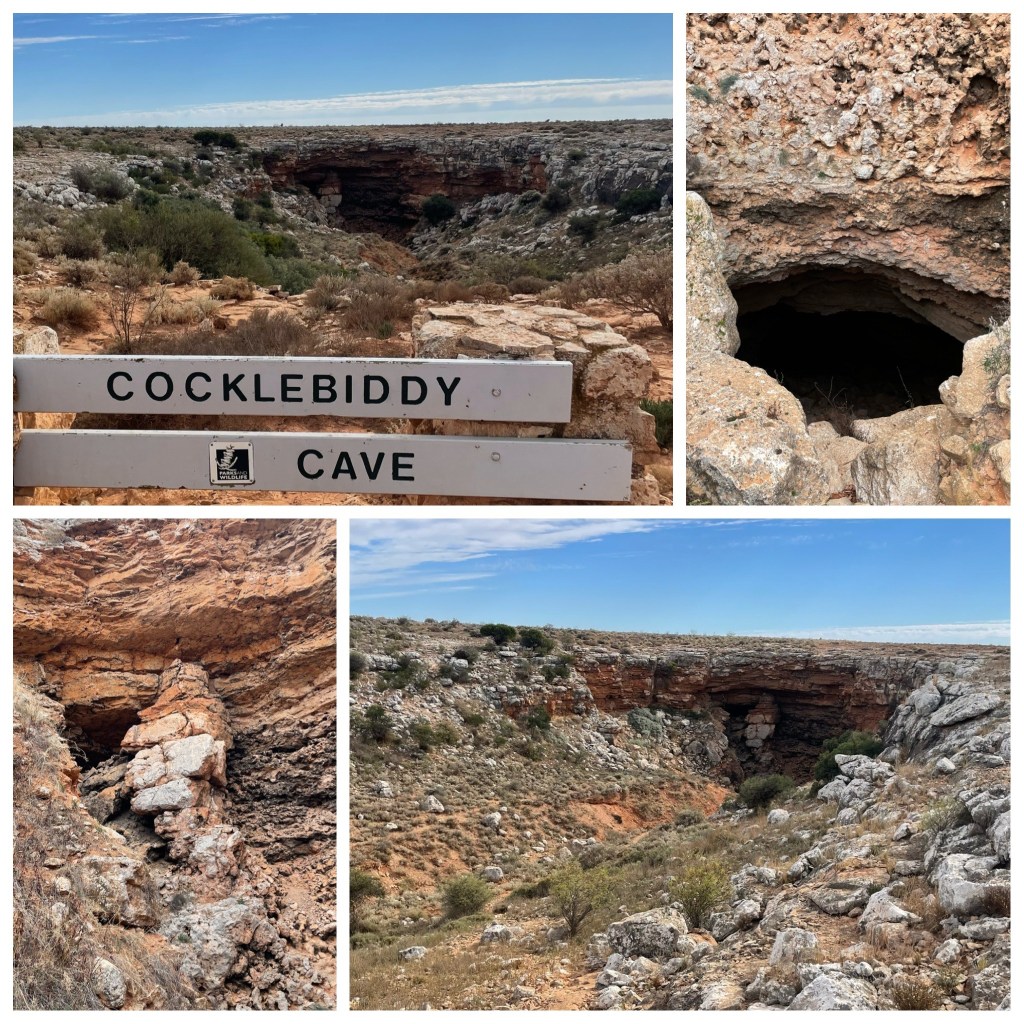
Cocklebiddy Cave

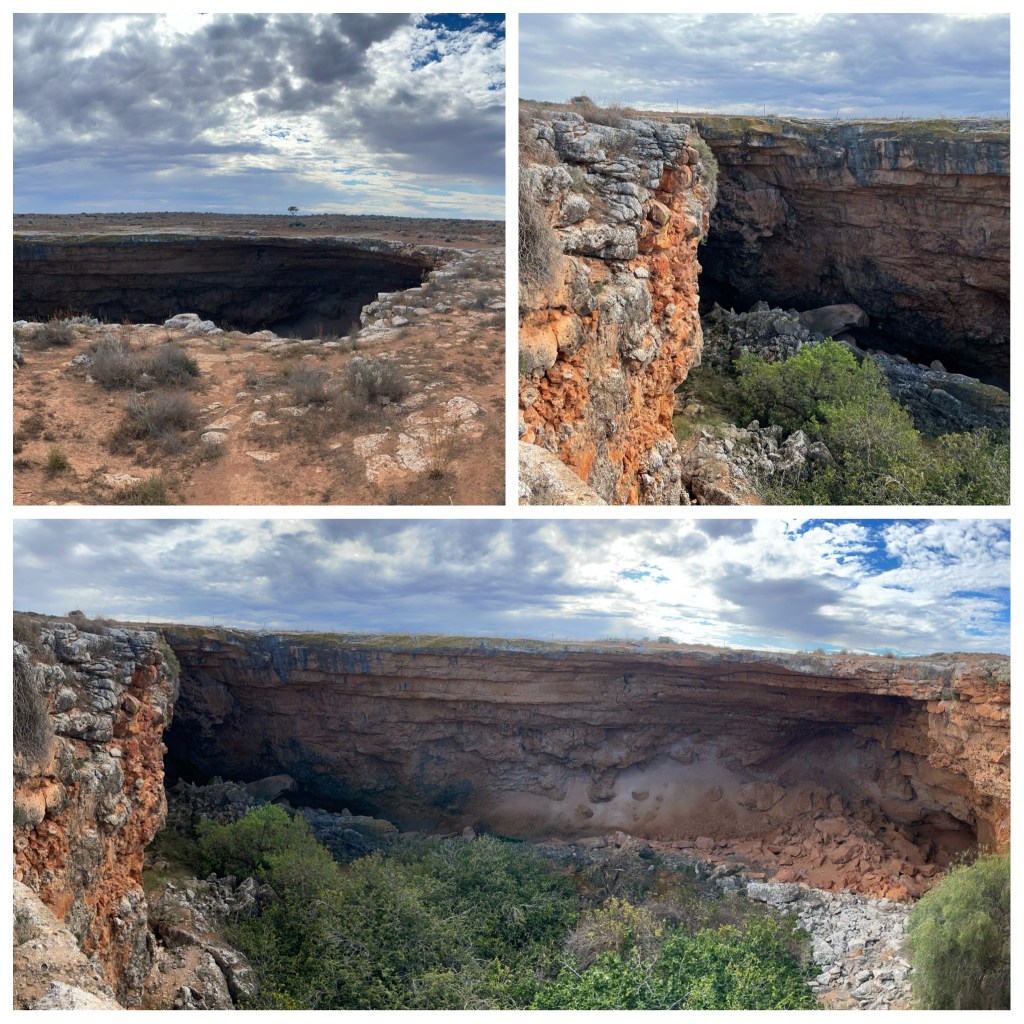
Cocklebiddy Cave is one of the hundreds of caves that dot the Nullarbor Limestone “Karst” Plain. This is the largest area of limestone in the world. Cocklebiddy is a sinkhole created when the cave roof collapsed to reveal massive underground caverns and more than 6 kilometres of underwater passage which have been dived by cave divers.

When we travelled this route 25+ years ago we were able to walk about 300 m down into the cave to the waters edge. Unfortunately today we couldn’t do that because of rockfalls and the instability of the rocks around the entrance. We could still walk down part way and look down into the cavern. It took us an hour to travel the 8 kilometres across salt bush plains into the cave site. There is no sign of the cave until you are almost on it. This is definitely not a regularly visited site with no signs on the Highway to even show its there (pleased we have live GPS off-road maps in front of us showing many unsigned places of interest).

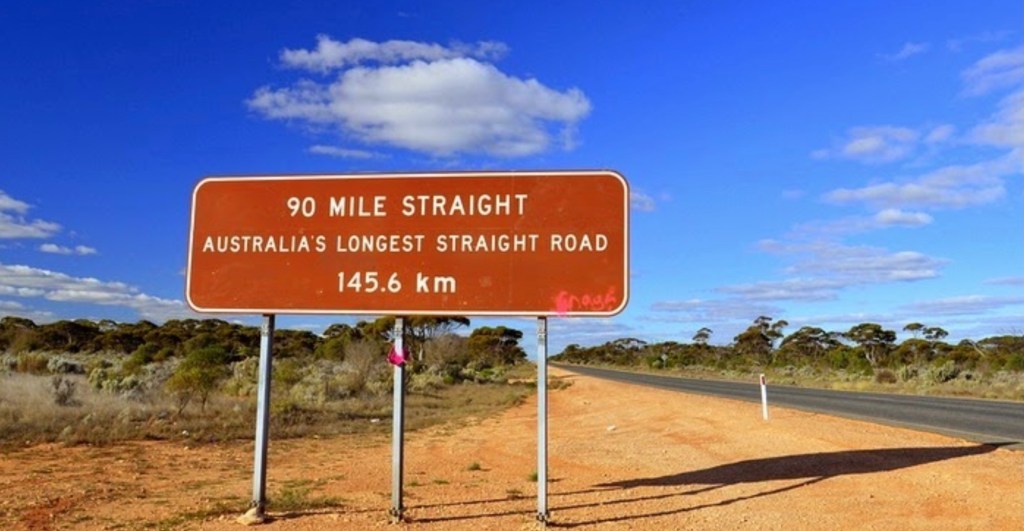
90 Mile Straight (145.6 kilometres) stretches between Caiguna and Balladonia. And now it was my (Judith’s) turn to drive. This should be easy. No corners, little traffic, good road, good music, Philip snoring in the passengers seat. What else could I want. This straight is regarded as the longest stretch of straight road in Australia, and one of the longest in the world.

We stopped for the day just east of Norseman with the intention of doing a short tourist drive around the Dundas Coach Road Heritage Trail in the morning before driving on to Kalgoorlie. It started off well, we stopped at the first point of interest and then followed the road for about 500 metres before coming to a Road Closed sign due to the rains they had a week ago. Oh well on the bucket list for next time.

Now we are settled into Kalgoorlie for a few days to explore this area. First thing Philip found was a Market/Swap meet on tomorrow morning 200 metres up the road. Guess we will be perusing the stalls there.

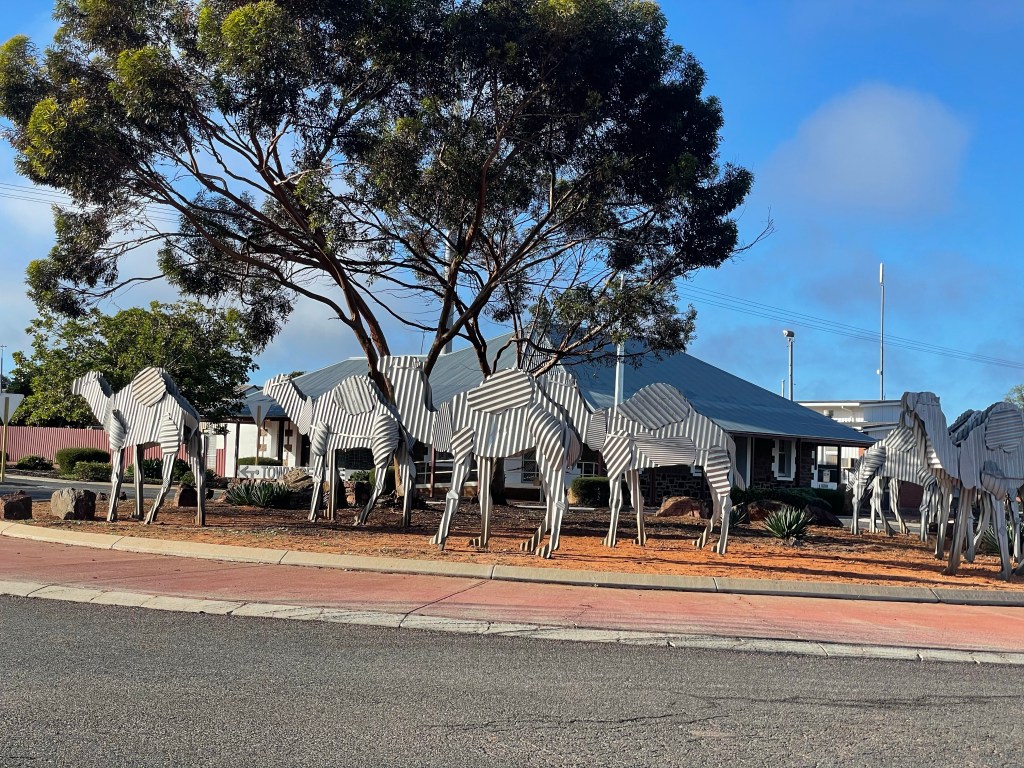
Camels in Main Street of Norseman
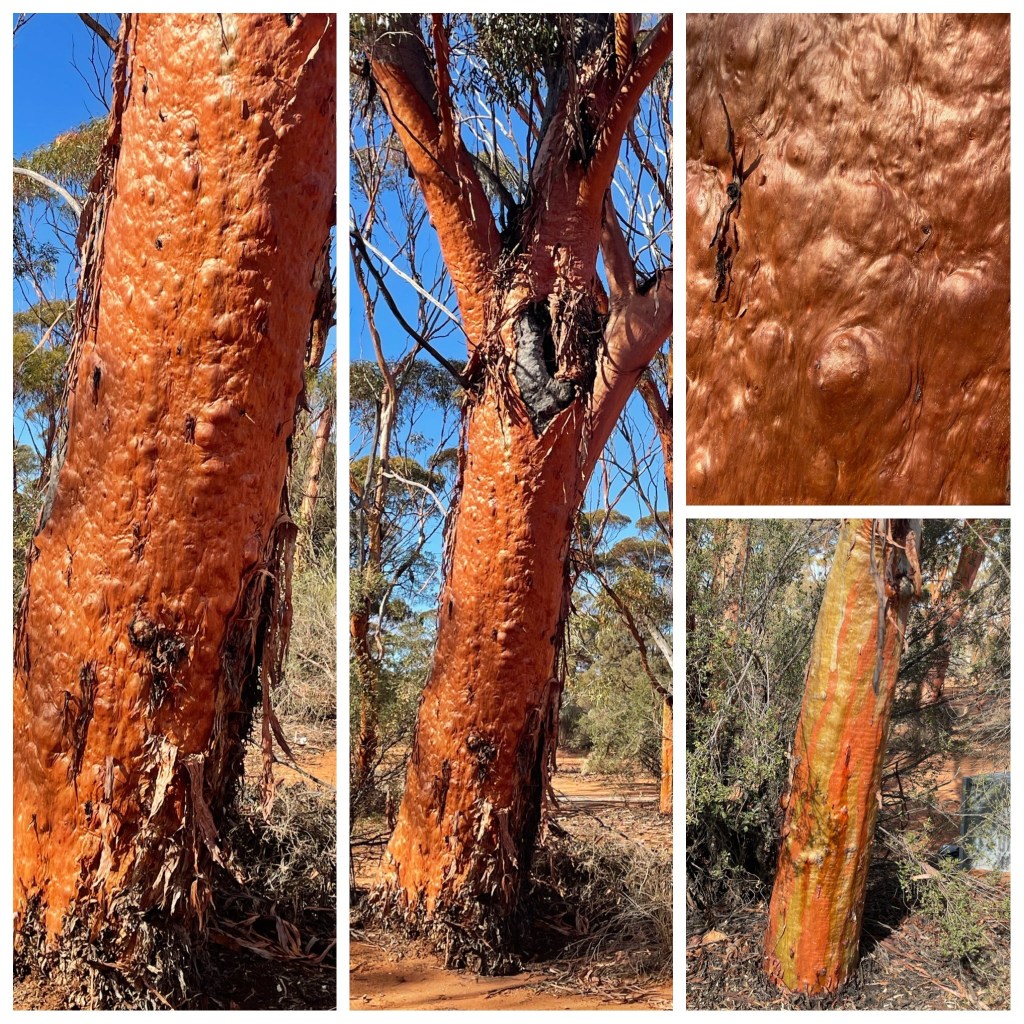
Salmon Gums along the Roadside

Turning Back Time (Continued)

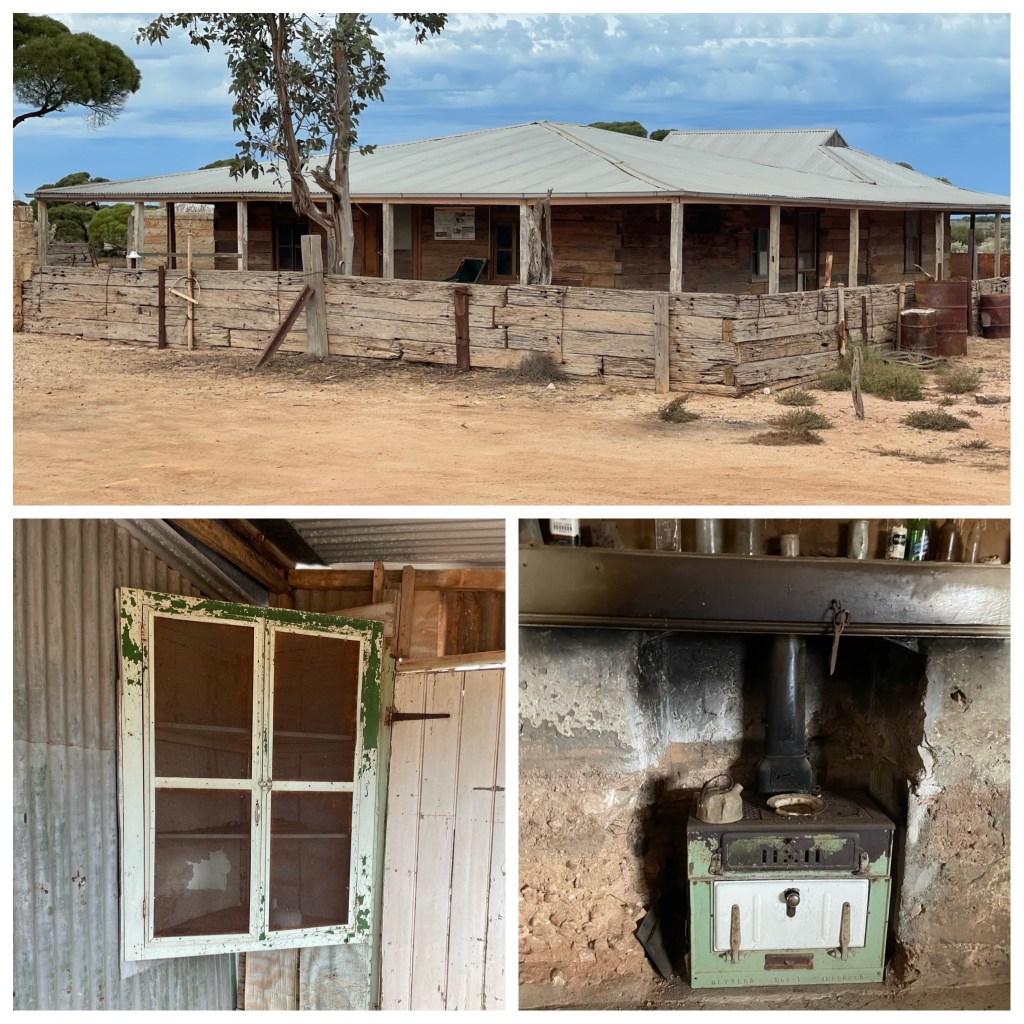
Koonalda homestead was leased by the Gurney family from 1938 to 1988. This station was feasible because water for their stock was pumped from Koonalda Cave, part of the Nullarbor limestone cave network, into above ground storage tanks. The homestead and out buildings and some fences were built from sleepers transported from the Trans Australia railway line at Cook some 175 kilometres away and were transported 20 at a time in an ancient small truck on rugged tracks. The timber windows and some doors are recycled from the old telegraph station at Eucla. The homestead is a rare example of World War 11 construction in the outback. Koonalda was South Australia’s most western pastoral property for 50 years. In 1989 it became part of the Nullarbor National Park.

The property is 1124 square miles and was started by Cyril and Audrey Gurney. They raised 6 children here. During her time here Audrey ran the household, nursed the travellers along the Highway, taught her children, was Station Cook, Baker and numerous other jobs.

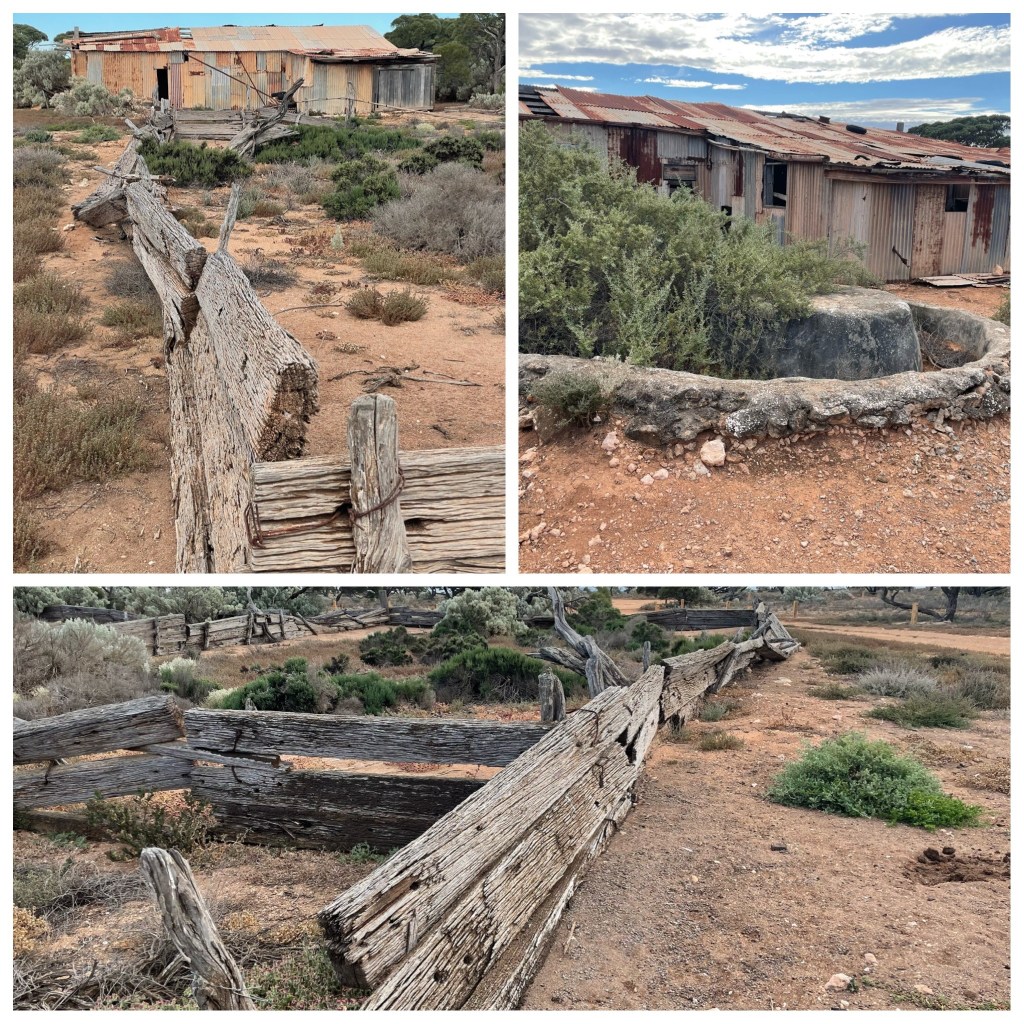
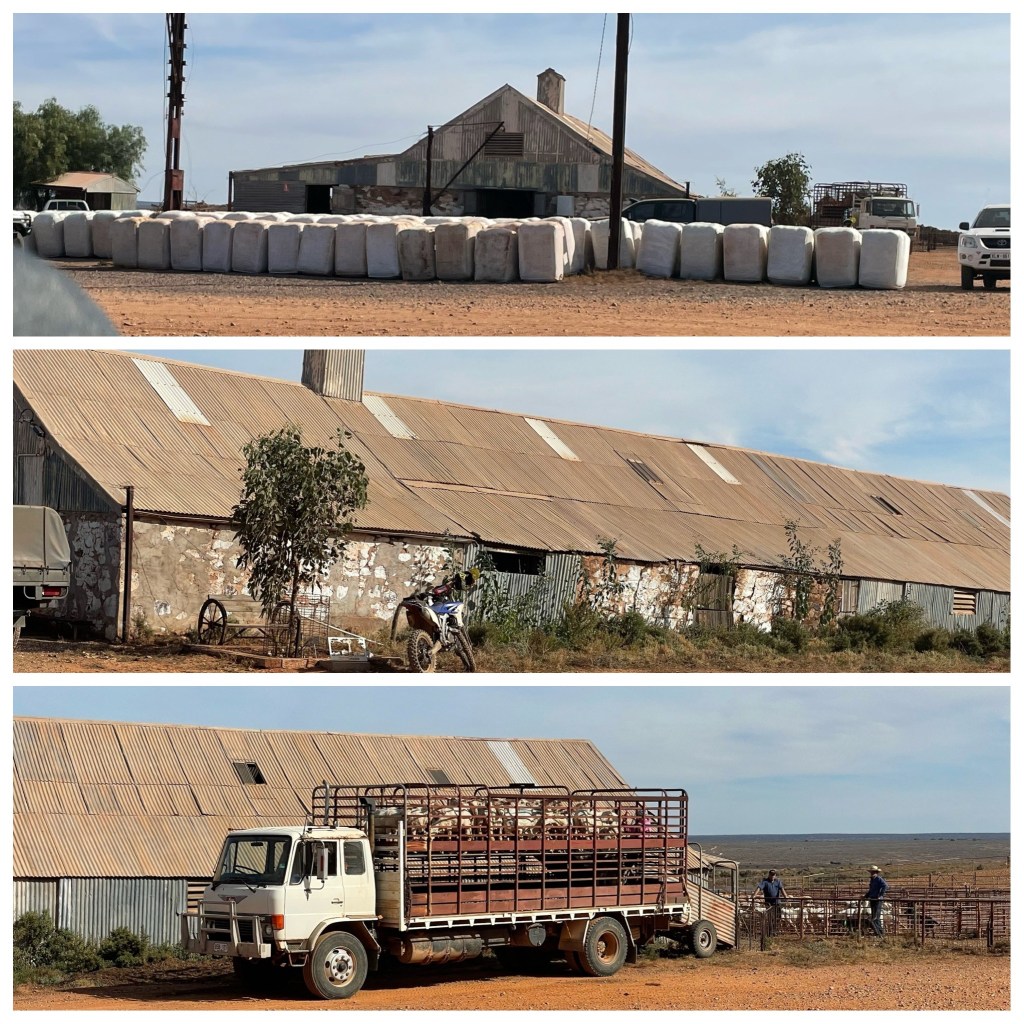
The old Woolshed, about 500 metres from the homestead, still stands mostly intact, even with sheep manure still under the boards (last cutout was around 1987! This was a four stand shed and was made from whatever timber and iron that could be found. The yards were again constructed of sleepers sourced from Cook. They certainly make good strong fences. There was a fascinating old sheep dip out the front of the shed.

Koonalda Woolshed

7 kilometres from the homestead is Koonalda Cave, where water was sourced for the area. At the bottom of the cave fruit trees were planted to benefit from the microclimate the cave creates.

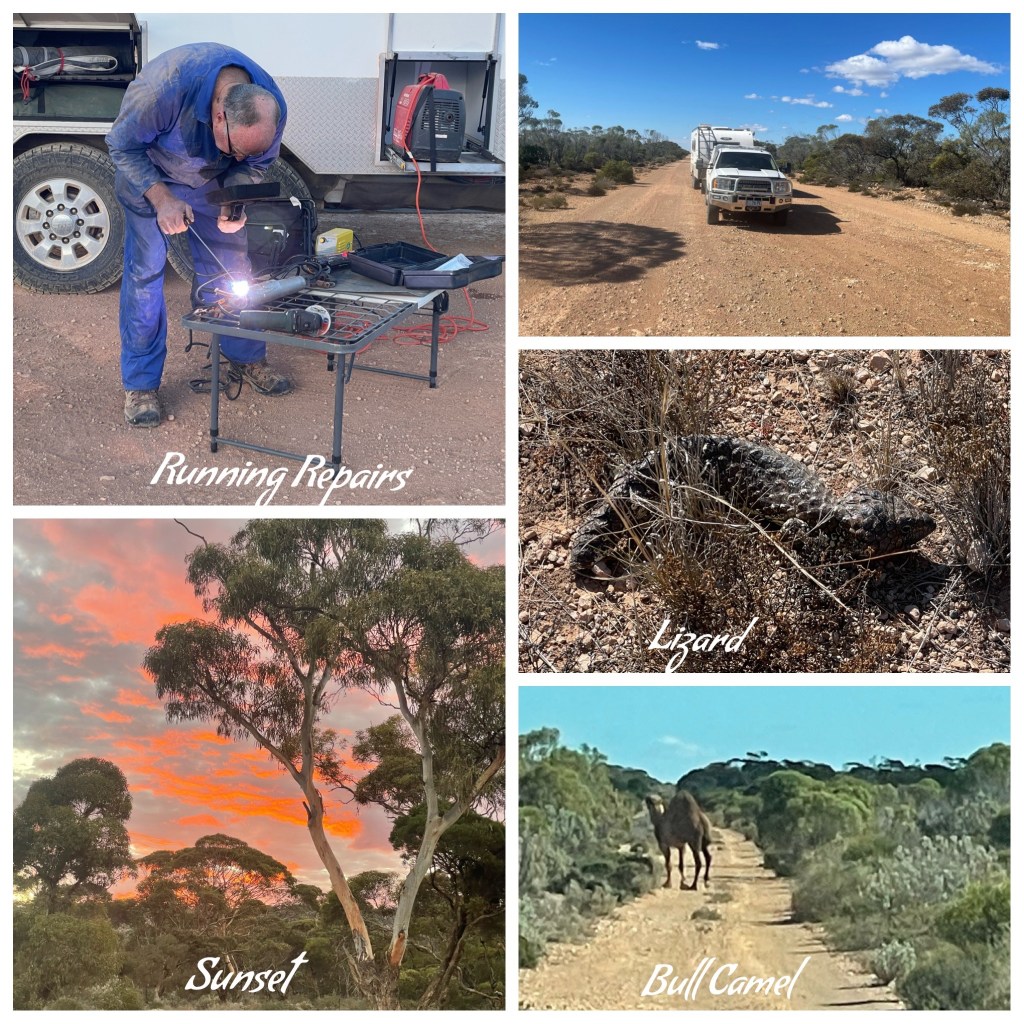
Before heading off this morning Philip had to do some running repairs. One of our new shock absorbers had the dust guard spot welds fail. What would one expect but that he would have a micro welder on board for just such an event. “See” he said “EBay”, 60 bux the welder just paid for itself”.

Sheep Yards
Koonalda Cave
Old Eyre Highway

Turning Back Time on the Nullarbor

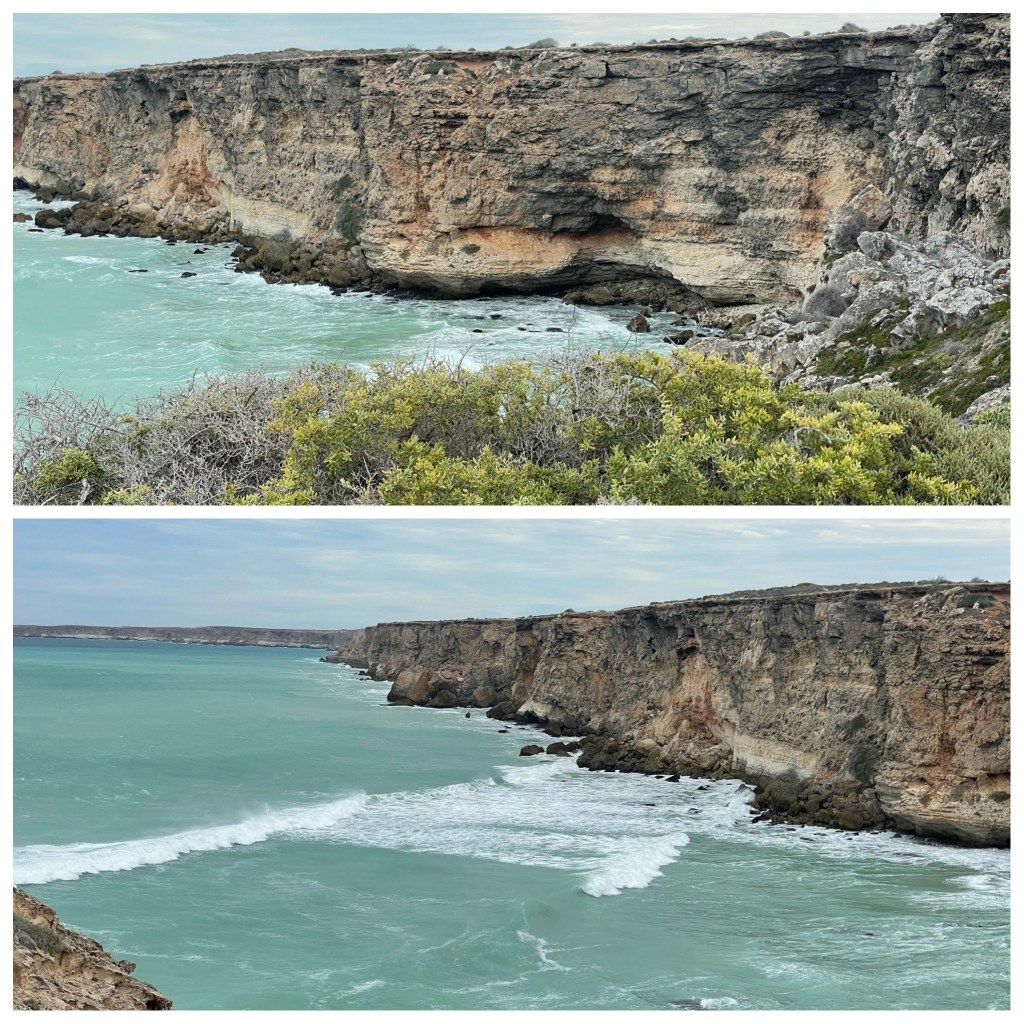
After a few days relaxing in Ceduna, eating oysters and King George Whiting, we were ready to hit the road again. Continuing our westward route we are on the road early, 7.45am, and head west towards Penong and beyond. We stopped for a break at the Head of the Bight and walked down to the cliffs. The last time we were here there was no visitors centre, board walks or lookouts, just the cliffs and rolling seas. Mind you that was about 27 years ago. How things change.

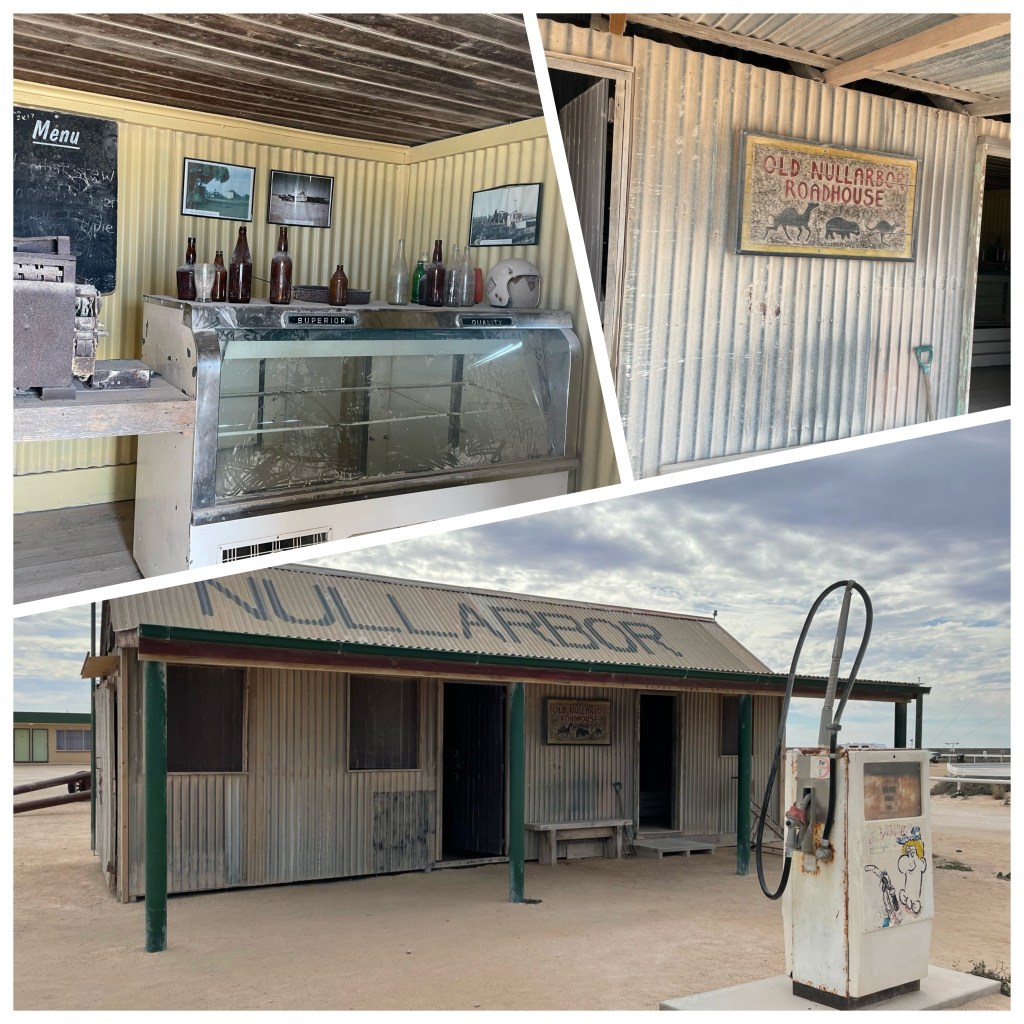
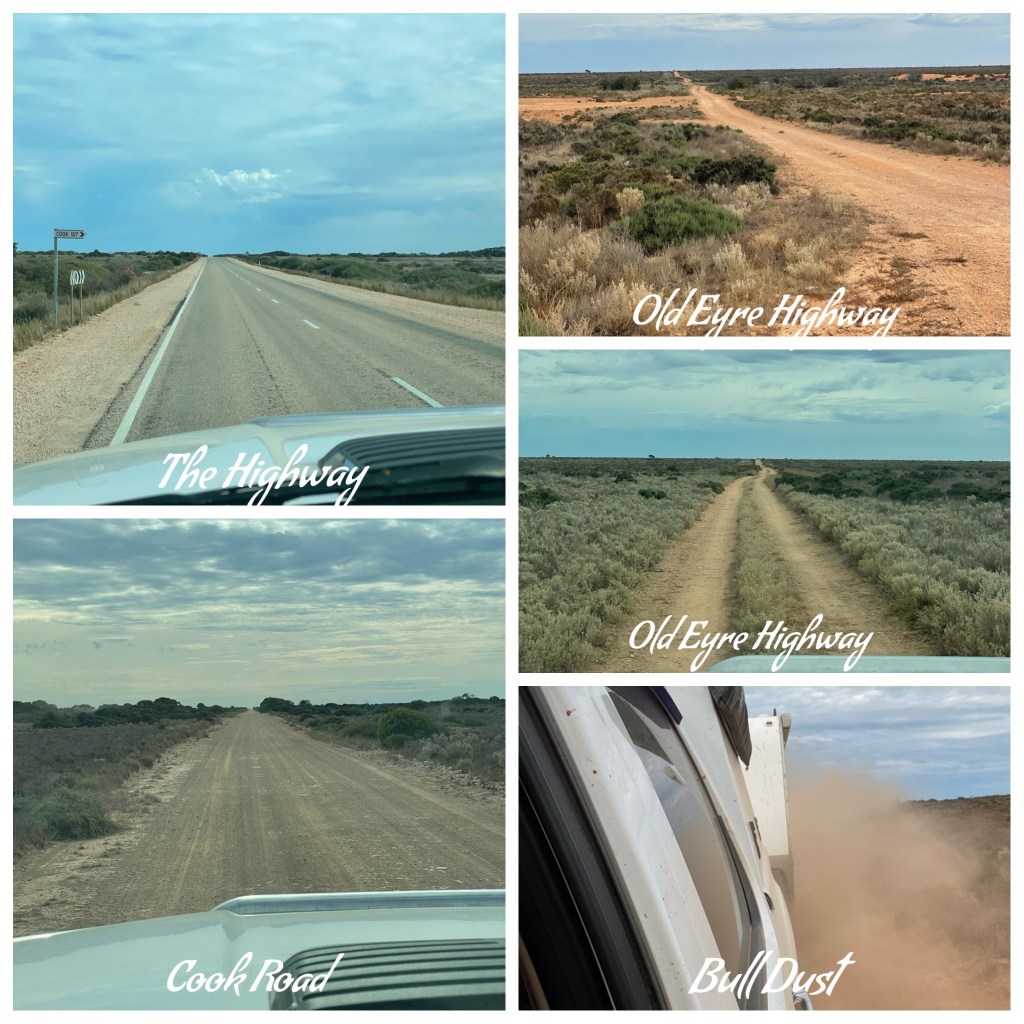
Next stop was Nullarbor Roadhouse to top up with fuel. $1.95 per litre, dearer than Mt Ive Station at $1.85 per litre. Checked out the old Nullarbor Roadhouse and displays before driving towards the Cook Road turnoff. Just up the Cook road we stopped for lunch and to let some air out of the tyres preparing for the next 150 + k of gravel roads. The roads today have been getting progressively narrower. Hmmmmm wonder how narrow they will get. Philip tells me it will be okay, he’s studied the maps.

Old Nullarbor Roadhouse

We are heading to the Old Eyre Highway. The original highway across the Nullarbor closed in 1976 when a new bitumen road was constructed 20-30klm south. Our first point of interest was the Wigunda Tank, where we turn west again onto the old Eyre Highway. This road hasn’t been graded since 1976. It’s still in pretty good condition with a limestone base and lots of bull dust in places. We pass several more tanks, before stopping to look at Yangoonabie Tank and sheep yards. This tank is still holding water and we can see how the water is filtered through the smaller tank before it flows into the large tank.

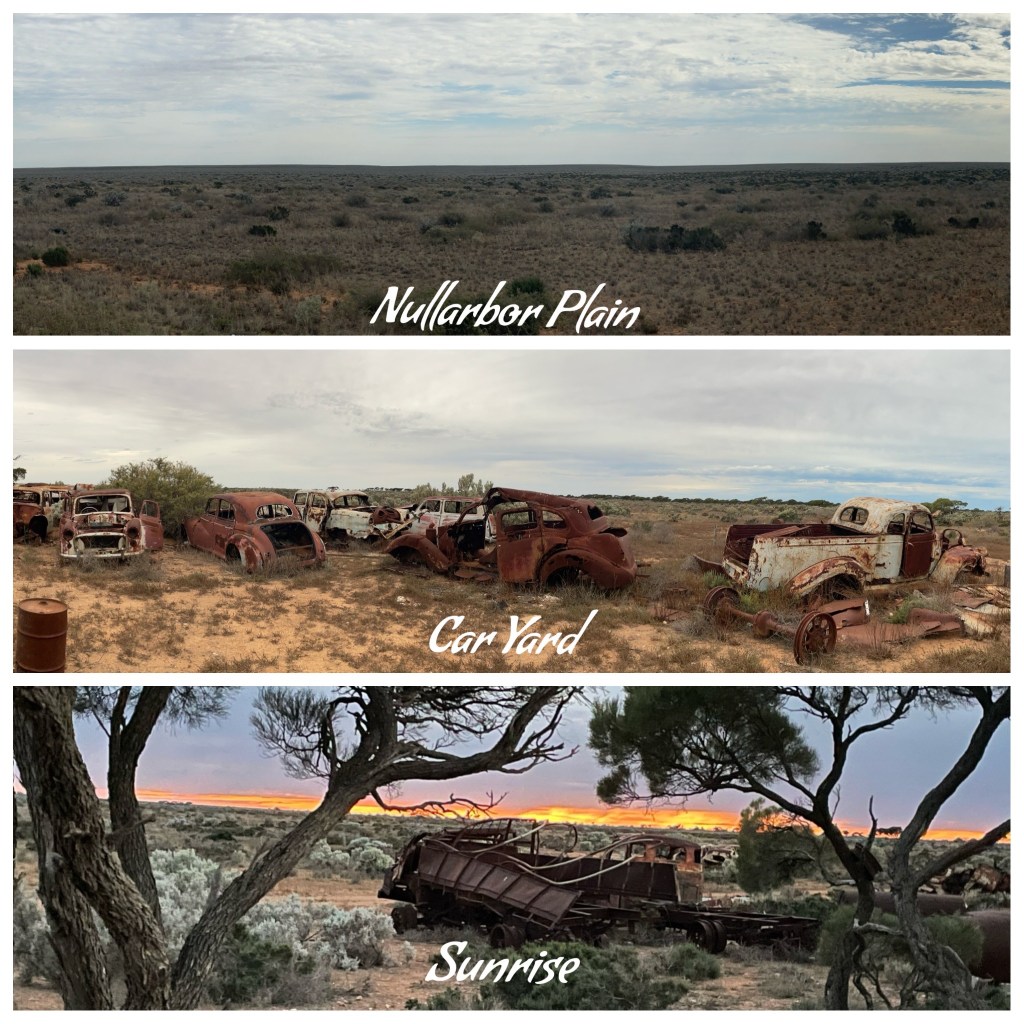
Back on the road and continuing along at 20-30 k an hour we head toward the old abandoned (1988) Koonalda Homestead, now deserted but open to visitors as a South Australia National Park. This is our camp spot for tonight and it looks like we will be the only ones here. Philip can’t wait to get out of the car and start exploring as there is a graveyard of old wrecked vehicles here. If only they could talk there would be some stories to tell. We also walked up to the blowhole, a small hole in the ground about 12” wide that the wind whistles up through. Obviously part of the huge cave system under the Nullarbor Plain.

And the roads get narrower
Koonalda Homestead
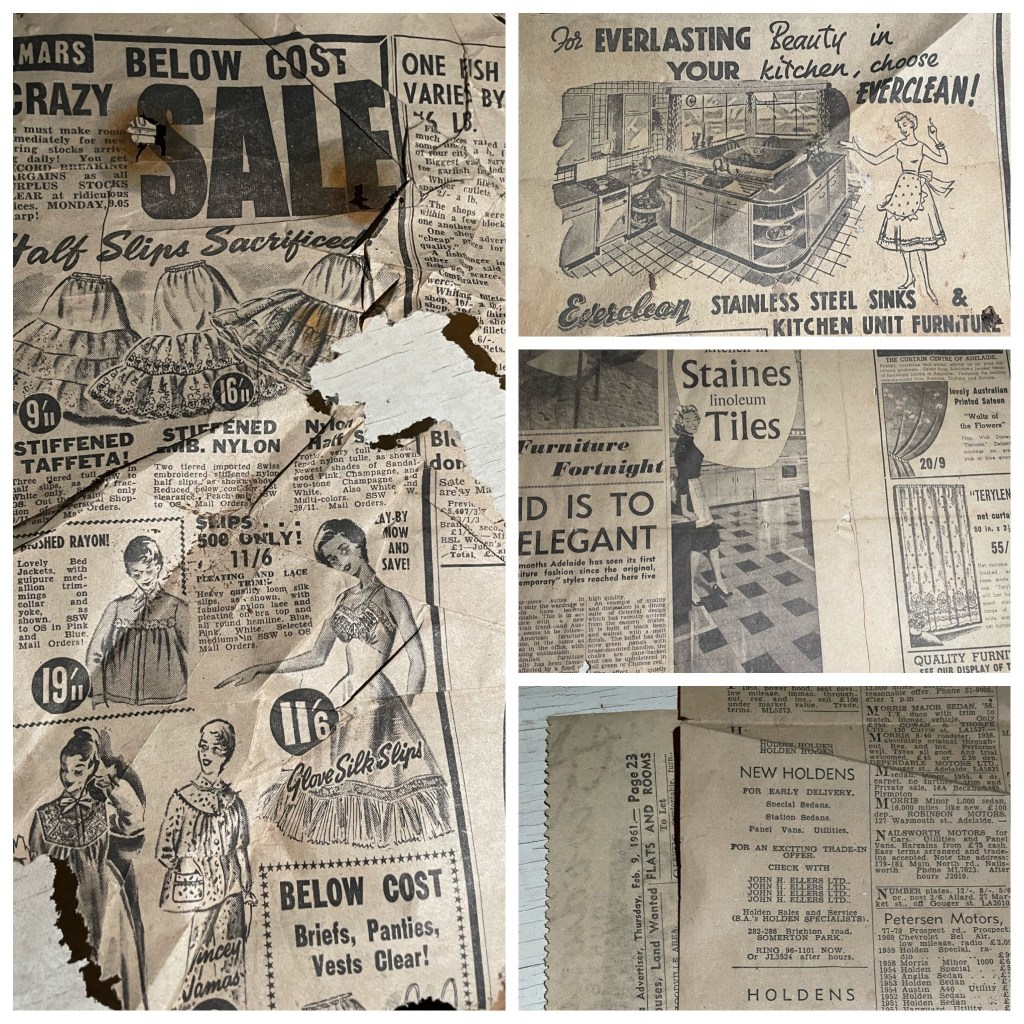
Newspaper Clippings
A small portion of the car wrecks

Mt Ive and Gawler Ranges NP

April 30th

Locheil to Mt Ive Station via Port Augusta and Iron Knob. We just followed the road today to reach Port Augusta. Just on the outskirts of the township is Sundrop Farms, a 20 hectare greenhouse that turns seawater and sunlight ( with a most interesting solar array) into energy and water. Then use sustainably sourced carbon dioxide and nutrients to maximise the growth of the crops. Because they don’t need soil they can grow their produce on degraded land in arid areas previously considered too barren for agriculture.

We refuelled in Port Augusta and drove on to Iron Knob where we stopped for a wander through their local museum, about the only place operational in the whole town. Quite an interesting little museum and a very “has been” town. It was once quite a thriving place and is considered the birthplace of the Australian Steel Industry. The iron ore was first mined by BHP in 1899 and was substantial enough to support a national steel industry. An average of 1 million tonnes per year was taken from the Iron Monarch mine and most of this was processed at the steelworks in nearby Whyalla. After driving around the town we stopped for lunch near an electric shovel which would have been huge in its heyday but is small in today’s world.

From Iron Knob we turned west towards Ceduna. We managed to travel 400m and Philip made an impromptu turn Right at the Mt Ive Sheep Station sign! This unintentionally became our first run of dirt and gravel roads. We were only a few kilometres in and we drove past Corunna Shearing shed where they were busy shearing. Got a big wave from the guys in the yard as they pushed sheep up the ramps from the outer yards. Then onto Mt Ive Station where we are camping for the next couple of nights.

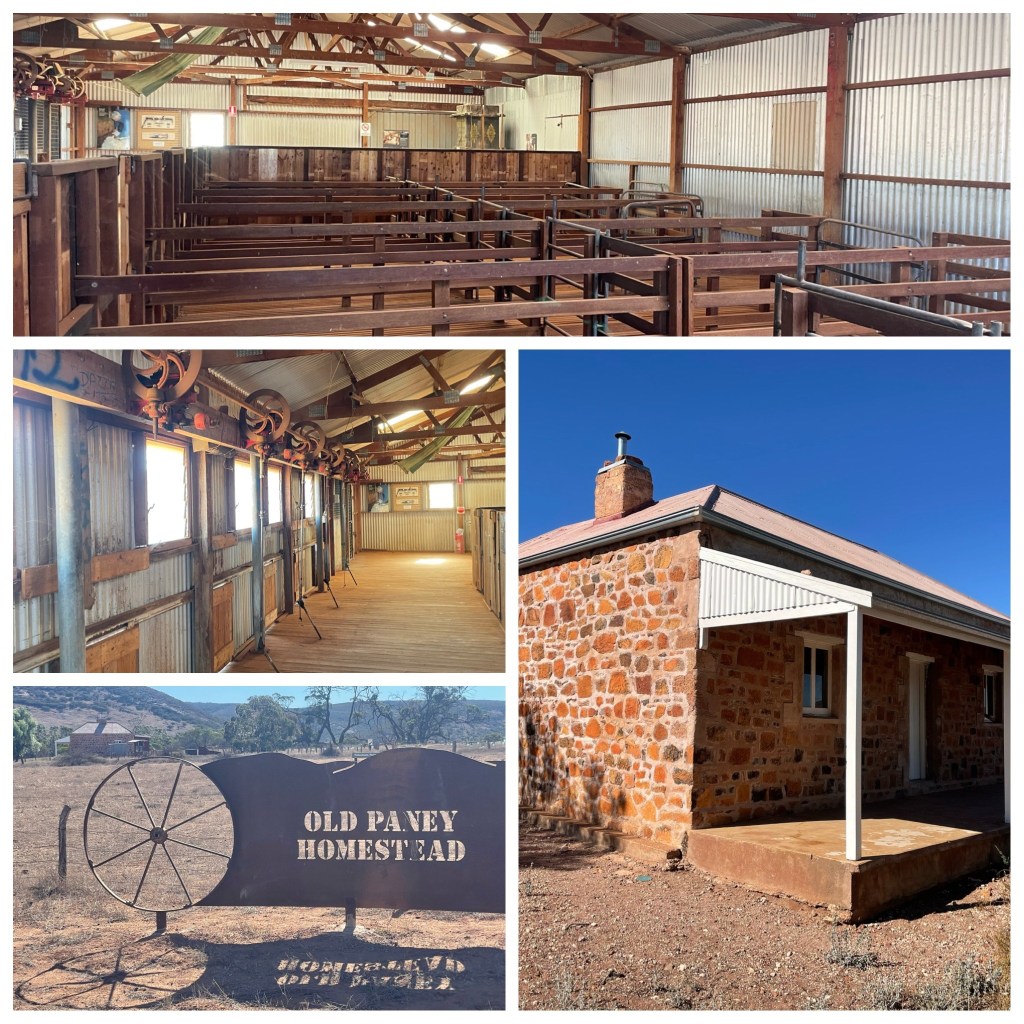
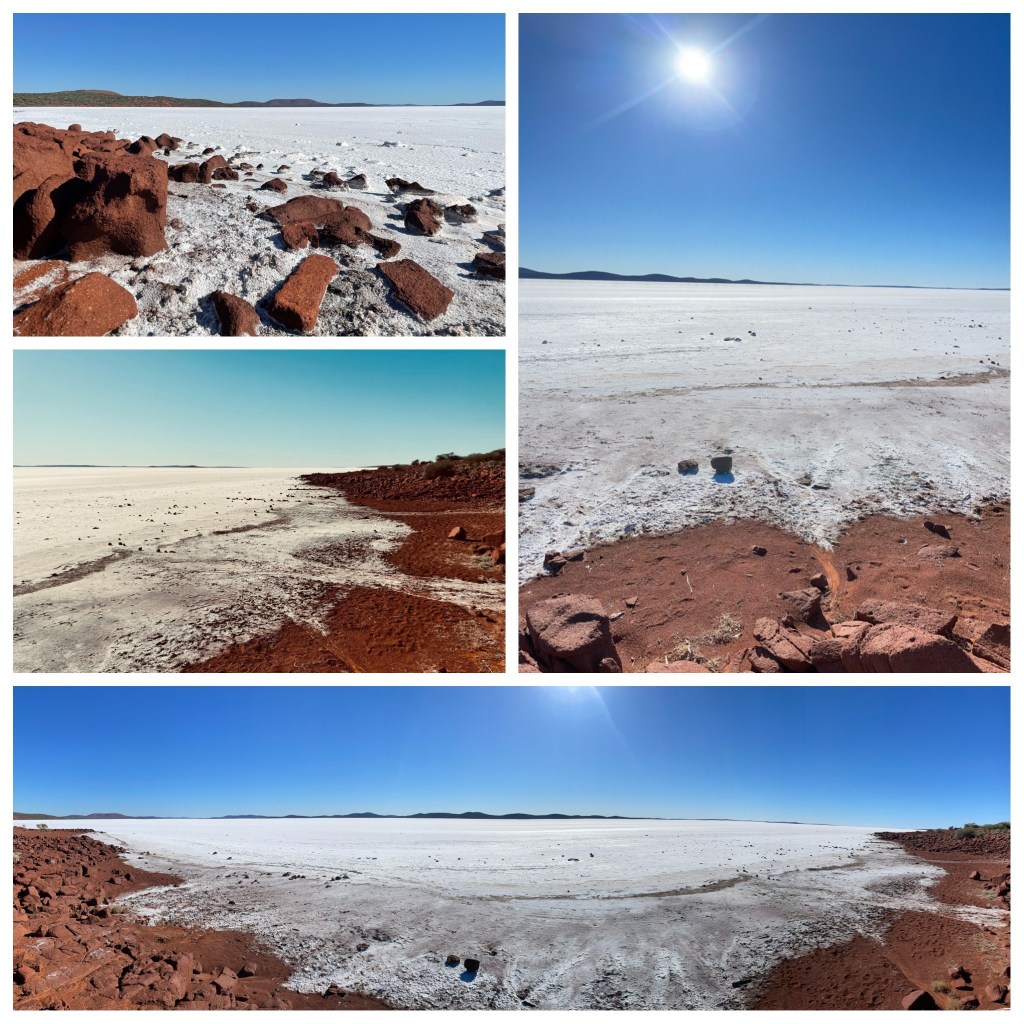
We woke this morning to a gorgeous sunrise. Then Philip cooked a lovely breakfast before we packed the car for a round trip through the Gawler Ranges National Park (250 k.) Old shearing sheds, Old Paney Homestead, Stone Dams, Organ Pipe rock formations and finally a trip out to Lake Gairdener, South Australia’s 2nd largest Salt Lake. We had to purchase a pass from Mt Ive to access Lake Gairdener. $30 well spent. It was a great day lots of different landscapes, road conditions and vistas.

May 1 Saturday (Election night in Tasmania)

We spent part of the evening listening to Tasmania Election Results. Another Liberal win.

May 2 Sunday.

Today’s destination is Ceduna, approximately 250k away. The first part of the trip is retracing part of yesterday’s loop to Yardea station before we continue on towards Hiltaba Nature Park, 770 square Kilometres, and then turn south towards Ceduna. Today’s trip started off with viewings of Kangaroo, wombats, (quite different looking to Tasmanian wombats. (Pointier heads, bigger ears and much darker fur.) emus which ran across the road in front of us and sheep. Again we had another varied trip. Scenery changing all the time. Creek bed crossings, corrugations, graded roads and dust in various colours, red gold and white.

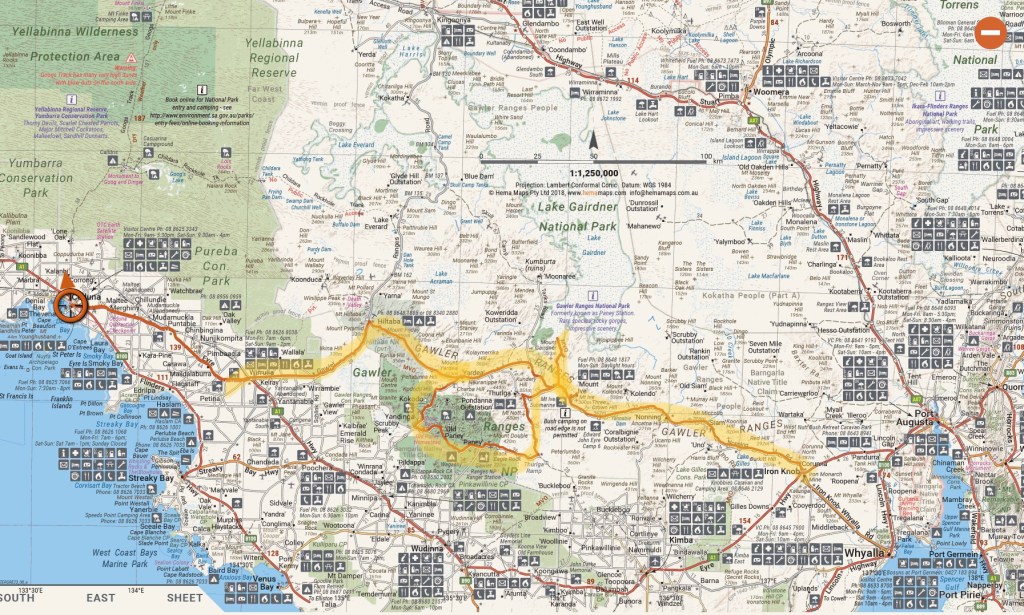
From leaving Iron Knob to arriving in Ceduna we did 560 k on dirt, rubble, sand roads. A great shakedown trip for the many gravel roads ahead of us.

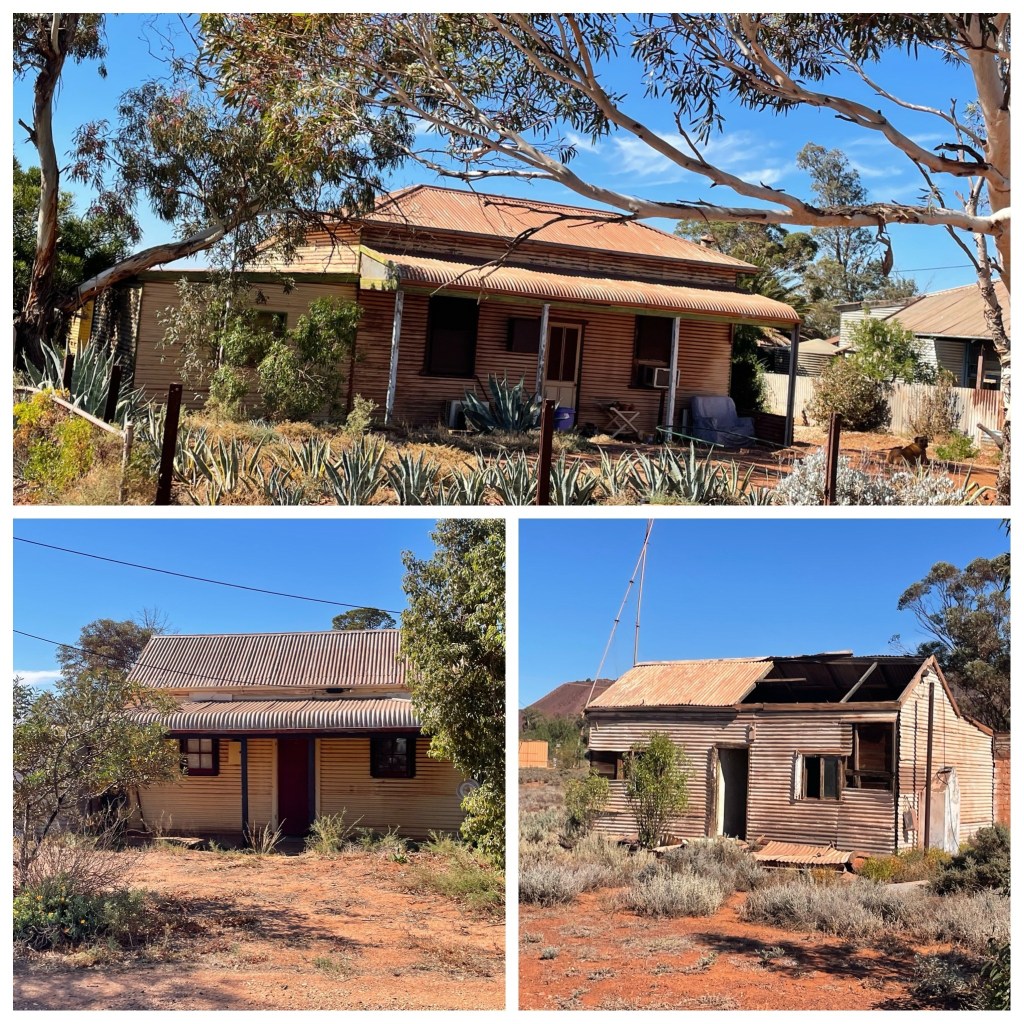
Iron Knob Real Estate
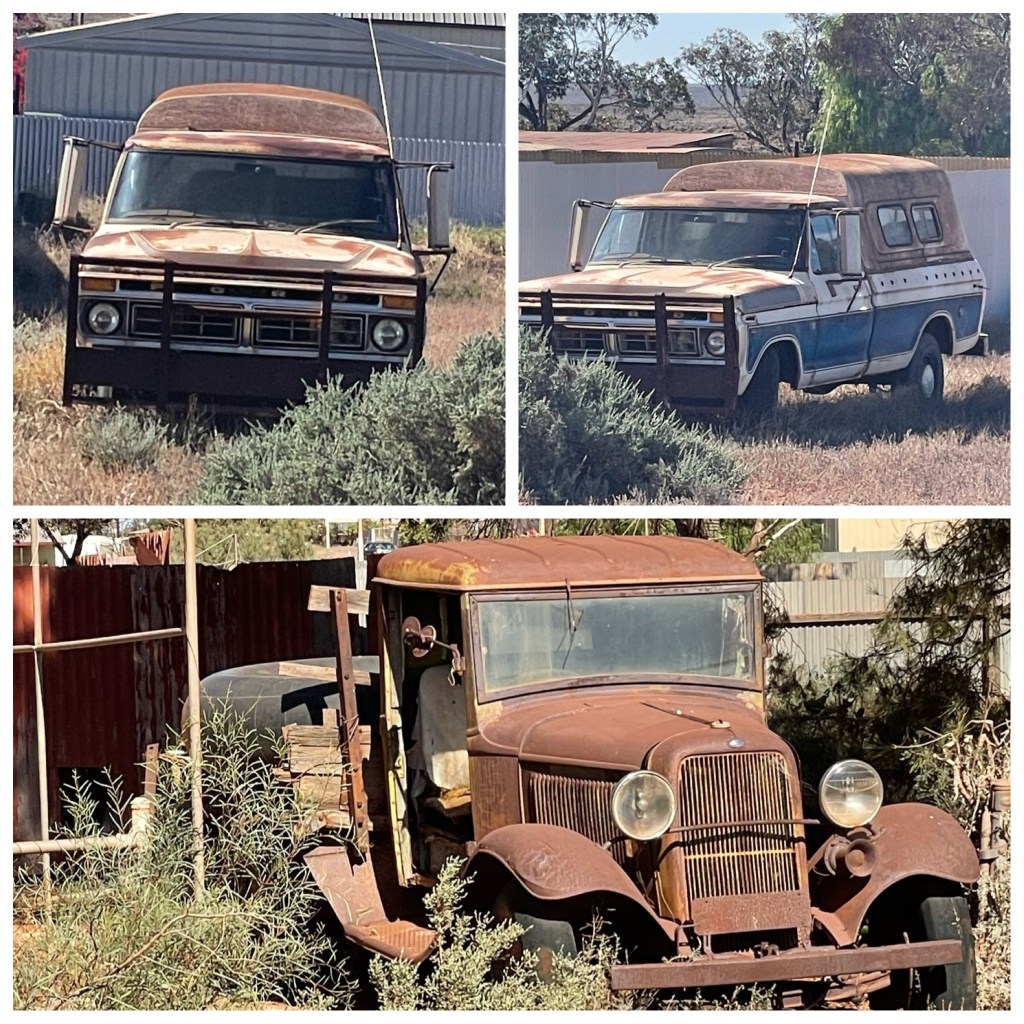
New Vehicle Anyone
Corunna Shearing Shed
Old Paney Station
Lake Gairdener
Iron Knob to Ceduna Route

Tassie to Melbourne, Kaniva and Lochiel

April 27, 2021

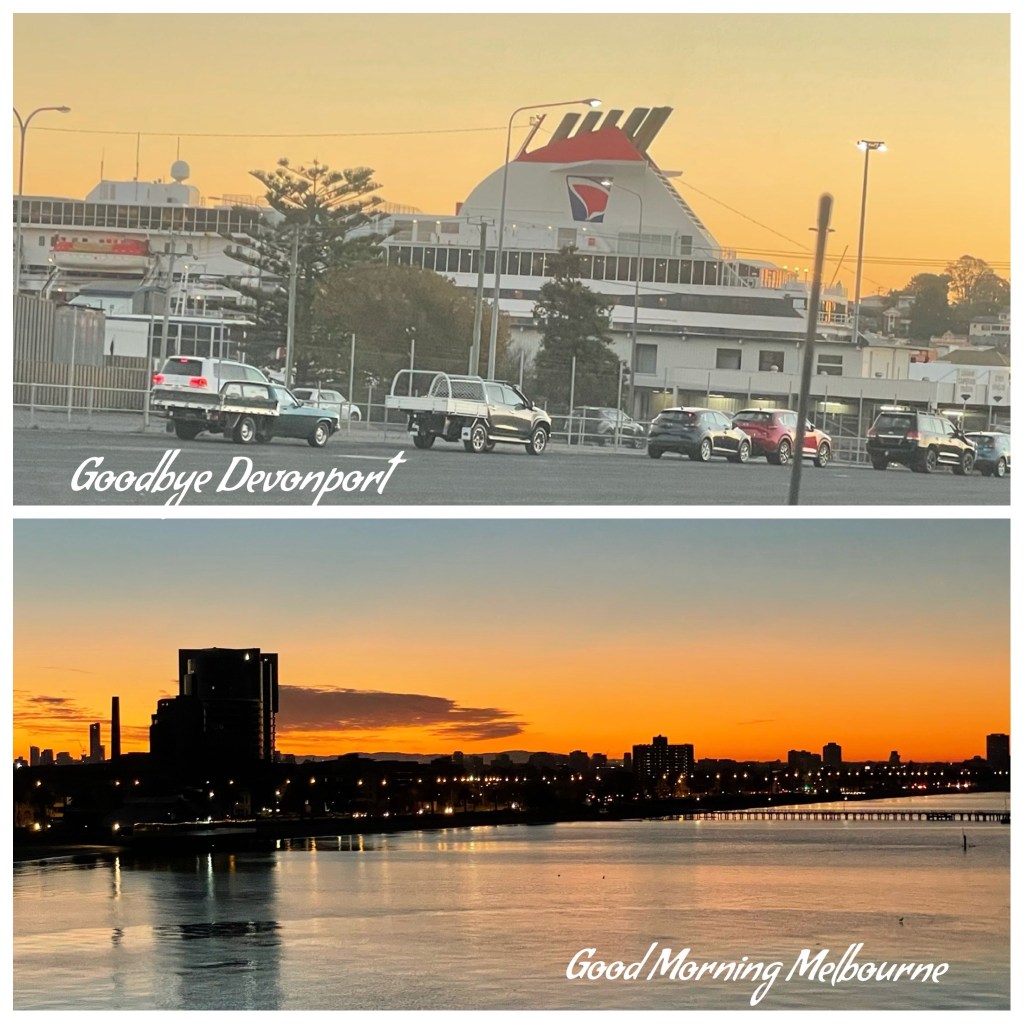
Well after a two year hiatus we are again hitting the road. Poor health and of course COVID 19 has kept us tied to Tasmania for the last two years, but tonight we head off on the Spirit of Tas and then we are westward bound. Once we hit South Australia Philip will finally decide if we continue west or head north to Alice Springs.

April 28, and we are 3rd vehicle off the Spirit and on the road by 6.45. We are heading towards Daylesford where we stop for some breakfast before driving out to Blampied to visit friends for a couple of hours. The morning soon disappeared catching up but we had to get on the road with a 3 1/2 hour drive ahead of us to reach Kaniva where we are stopping with more friends for the night.

We spent a wonderful late afternoon and evening with Kerryn and Alwyn. Philip went out with Alwyn to look at them seeding Canola. He then assisted in escorting the 18m ( when in operation mode) air seeder along the main highway to another property to continue seeding.

Kerryn and I checked out the garden and went for a short walk, watched the sun set and caught up on family and friends. Kerryn is a fellow quilter so of course we talked quilting for a while and I admired some of her work.

April 29 Thursday.

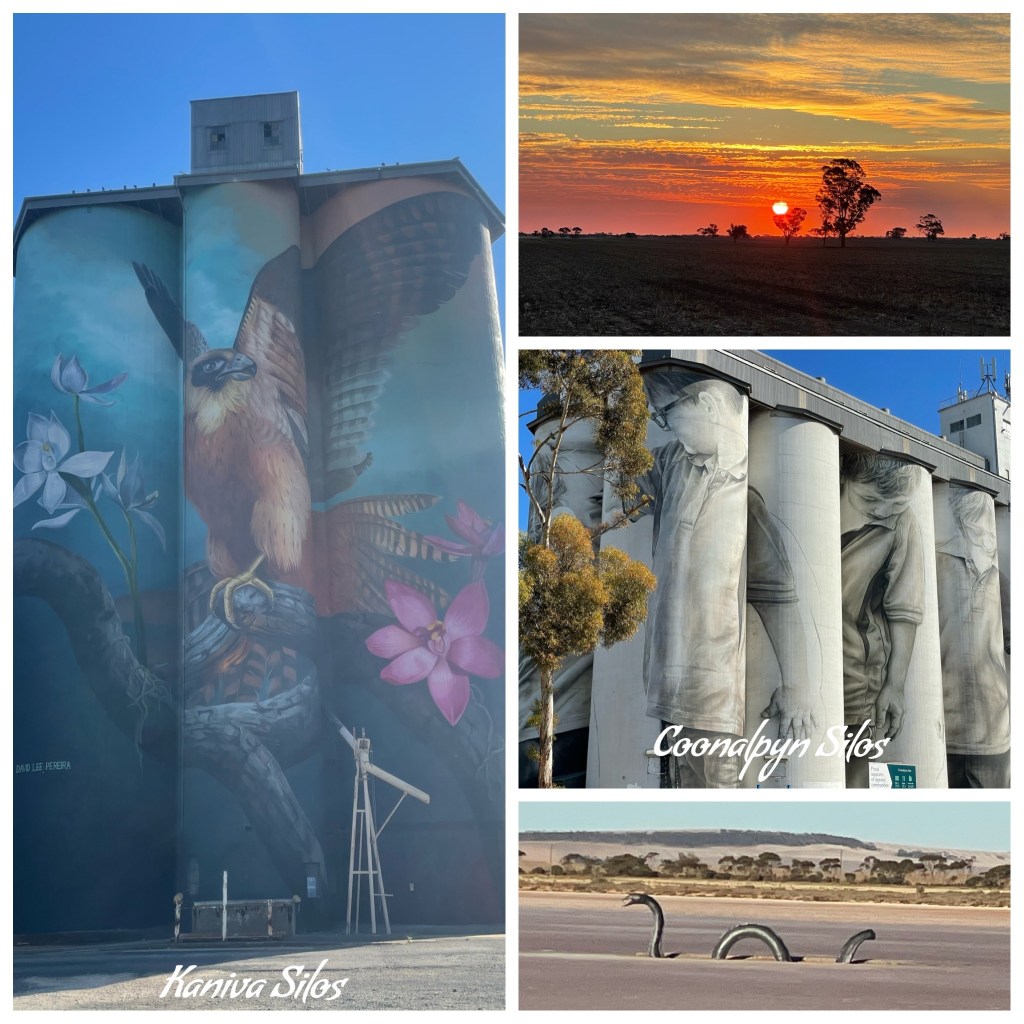
We shared breakfast with Kerryn and Alwyn before Alwyn had to take off to help with Seeding. Kerryn and I walked down the road to the bus stop to see her granddaughters before they headed off to school. Once back at the house we did a quick check of the van and left Kerryn just after 9am. Next stop was the painted Silo in Kaniva for a quick photo before turning onto the highway heading towards South Australia. Another stop to look at another set of Silos at Coonalpyn and then onto Murray Bridge.

We decide to take a route around Adelaide, so much of the next few hours was new roads to us, driving through Palmer, Mt Pleasant, Williamstown, Gawler, Balaklava and eventually stopping for the night at a tiny dot on the map called Lochiel. It’s been a lovely drive, even if Philip kept saying he had no idea where we were. Google maps had it all sorted. After arriving at Lochiel we walked down to the dry lake to see the “Loch Eel”. Quite the tourist attraction with numerous families stopping and walking down to see it. As the evening closes in the sky is turning pink and orange and the temperature starting to cool down from 26 degrees. We had to break out the shorts and t shirts today. Let’s hope it stays that way.

San Francisco and Home

A relaxing few days in San Francisco brings our trip to an end.

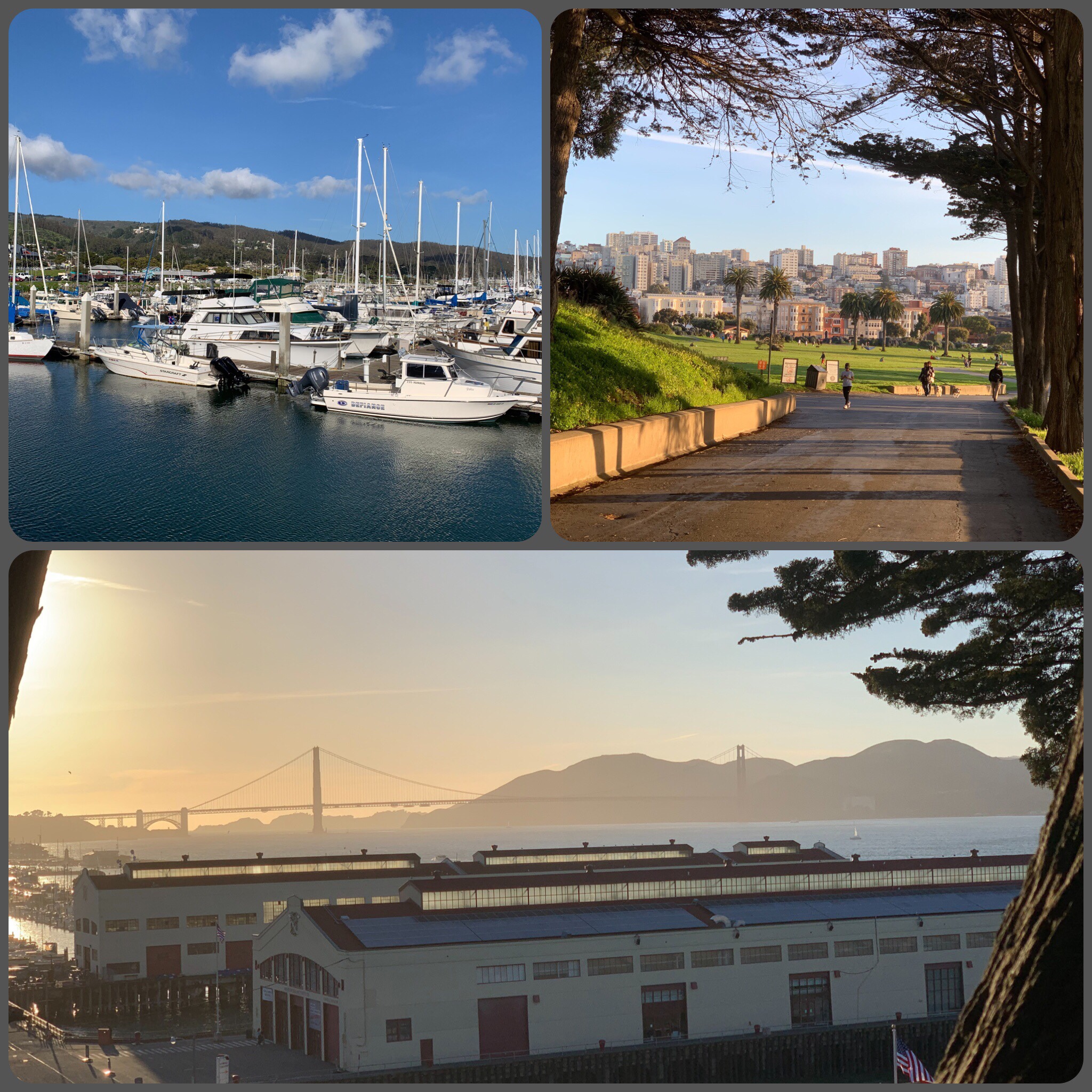
We stayed at Fisherman’s Wharf and after dropping our bags we were out for a walk to stretch our legs after our flight from Florida. A walk along the waterfront, people watching and checking out the area filled in the afternoon. Later an early dinner, (we were up at 5am and had a 3 hour time change) and an early night ended our day.

The Marriot Courtyard serves a nice breakfast but bad coffee so before collecting our car we head up to Starbucks for some decent coffee. Then we are off for a drive north, the weather is overcast and forecast to get worse as the day progresses. We drove along the waterfront heading to the Golden Gate Bridge, missing the first view point but stopping at the second one over the bridge. It was only a couple of years ago we were here so we just had a quick stop today. It’s still a pretty impressive bridge. Philip has found a couple of stores he wants to visit today, so they mark our destinations. After stopping to check them out and with the weather deteriorating we find a route that will take us inland and then back south over the Bay Bridge.

We find ourselves driving through an area that was burnt out in 2017, where many homes (1700) and properties were destroyed. Now a few have been rebuilt but many people are living in Rv’s/motorhomes parked on their properties. It is quite a picturesque area and would have been even more so before the fire. We then head back to the city via the Napa Valley. This is a major wine growing region and although the vines are bare at the moment it makes for some lovely views. Then it’s back over the Bay Bridge. At one stage we were in 14 lanes of traffic. Most lanes we have ever driven in. Then back to our accommodation. After a quick refresher in our room we walk down to the waterfront to find some dinner. Just a bowl of chowder for each of us. Then a wander along the Embarcadero before heading back.

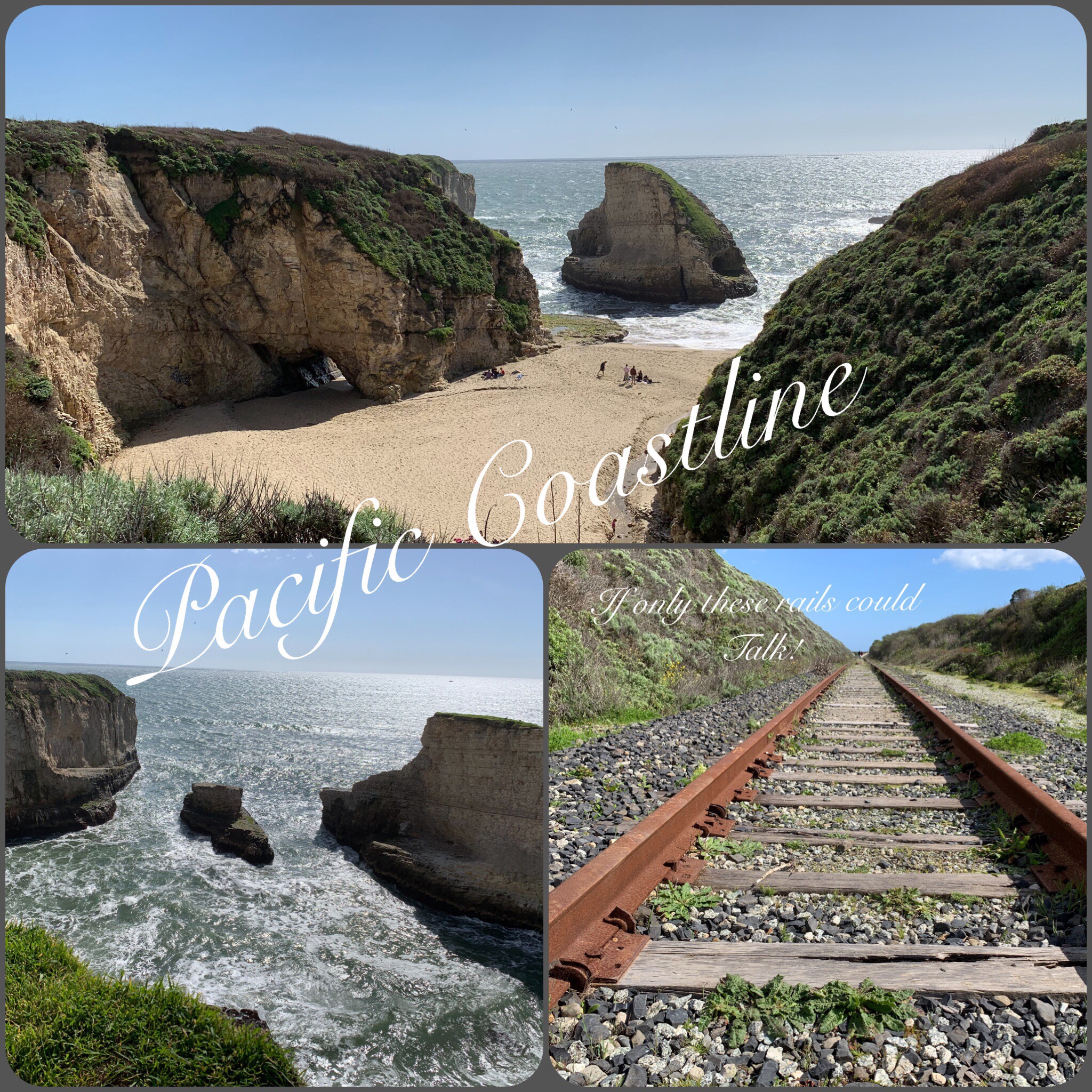
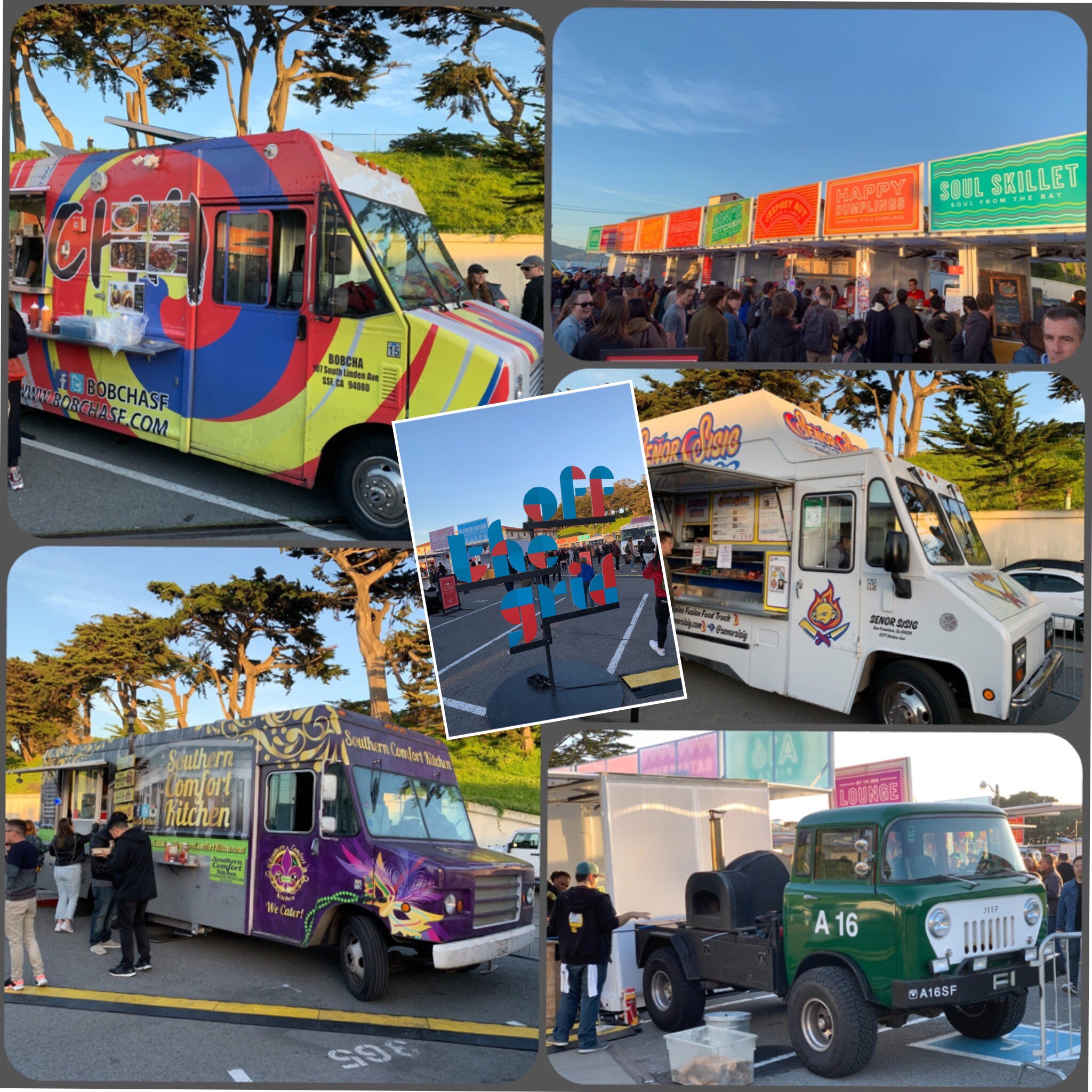
Next day we are off again driving south this time, heading down to Santa Cruz and then out to the Pacific Coast. Aaahh the Pacific Ocean, makes me feel as though I’m almost home. There are some great cliff views along the way as we travel up Highway 1. We stop at several for a walk along the wind blown cliffs as we head north back to the city. Once back we head out on foot again, enjoying the pleasant evening. We watch the cable car head up Leavenworth Street but decide not to wait in the long line to take a ride. We continue around the waterfront watching swimmers in the cool waters and kids playing on the “beach”. Continuing round we come to Fort Mason, sitting on the bluff overlooking the bay and discover a small food market with quite a few food stalls selling quite a variety of foods and drinks.

(P “It’s a Modern World we Live In”

In our usual way were wandering around towards evening with no particular destination in mind. As we walked around hills above the Bay, we spotted a crowd of people, tents and food vans. Of course we thought this was worth a look. It was labeled an “Off the Grid” and “Eco Friendly” Dinner Food Market. There were crowds of people and some very nice food stalls with lots of options. BUT they were advertising environmentally friendly and being “off Grid”! Sure it was off grid and didn’t connect to mains power but there were :-

– No Batteries

– No solar Panels to charge the Batteries that didn’t exist

– No wind generators in this windy foreshore environment

– No Solar lights

There was:-

– A diesel Generator to supply electricity (instead of plugging into the mains electricity close by)

– approximately 20 Food Vans, almost all of ageing character and fitted with V8 Petrol guzzling engines (to drive to the location)

– Most food vans had small petrol generators to supply their own “Eco” electricity (as main generator obviously wasn’t big enough)

– All food and drink was served on throw away plates, plastic cups etc of which most went in trash bin not the recycle bins.

– By the look of the vehicles in the parking lot not many of them ran on “fresh air” either!

I am not being hypocritical as I enjoy my food, V8 vehicles and am proud of my motto – “ If it doesn’t have an engine in it I shouldn’t be using it”. But how gullible are people if they think they are helping “Save the World” by participating in this type of event? The power of advertising strikes again! This and a few other locations host these events, all managed by one entrepreneurial company!)

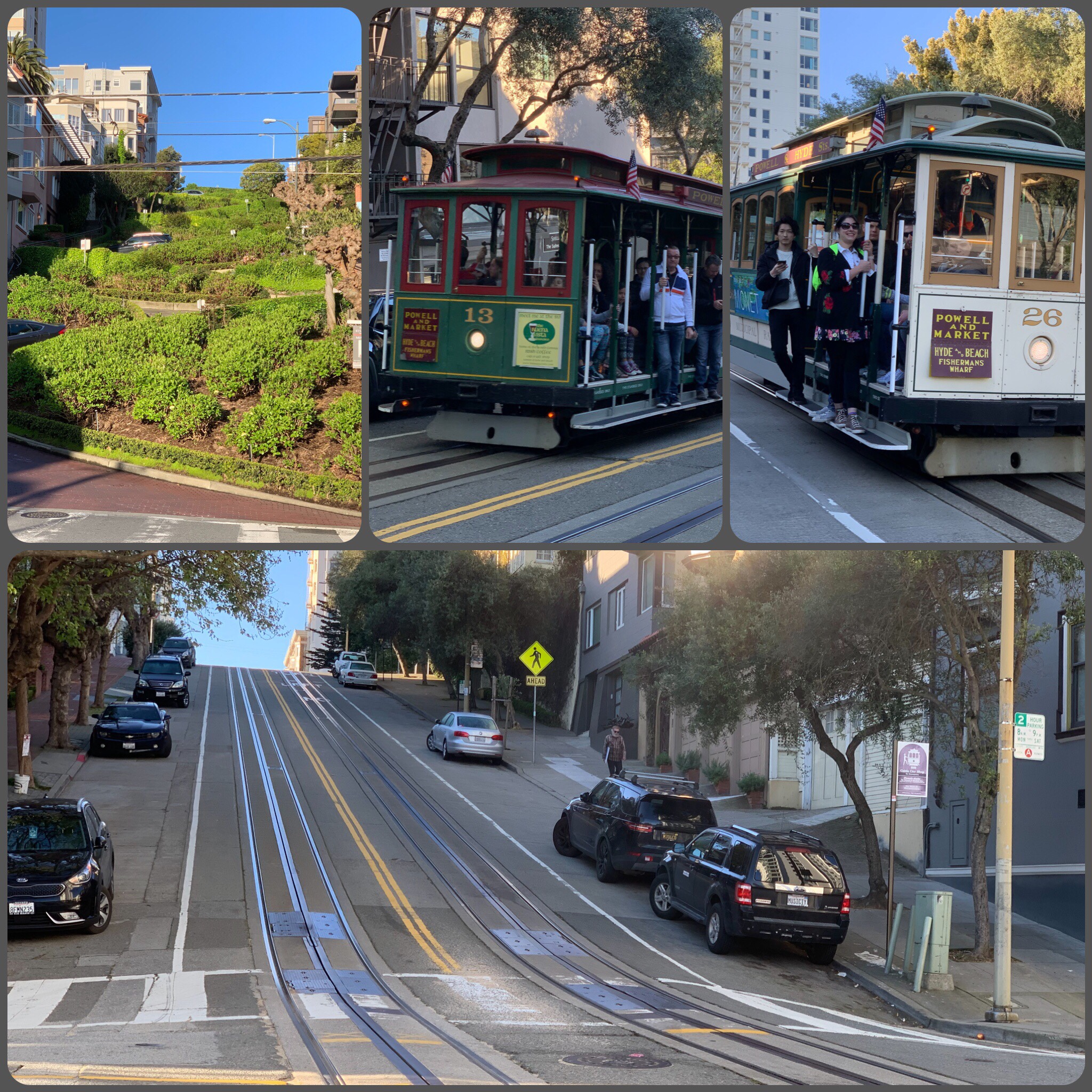
Our last day in San Fran and we are off for a walk before breakfast. Straight up Leavenworth street from our hotel, heading to Lombard Street. The famous steep Zig Zag Street in this neighbourhood. Arriving at the bottom of the zig zags we hit the steps and climb the almost 300 steps to the top for some great views out over the harbour and down the street. Once at the top it’s all downhill back to the hotel. We watch several of the cable cars ascending and descending this steep hill.

Back at the hotel we complete our packing and load everything into our car. Now to fill the day in until 6pm this evening when we need to be at the airport. Philip says “lets head east today and see what we can find”, said with a smirk on his face. Hmmmm, I smell a rat.
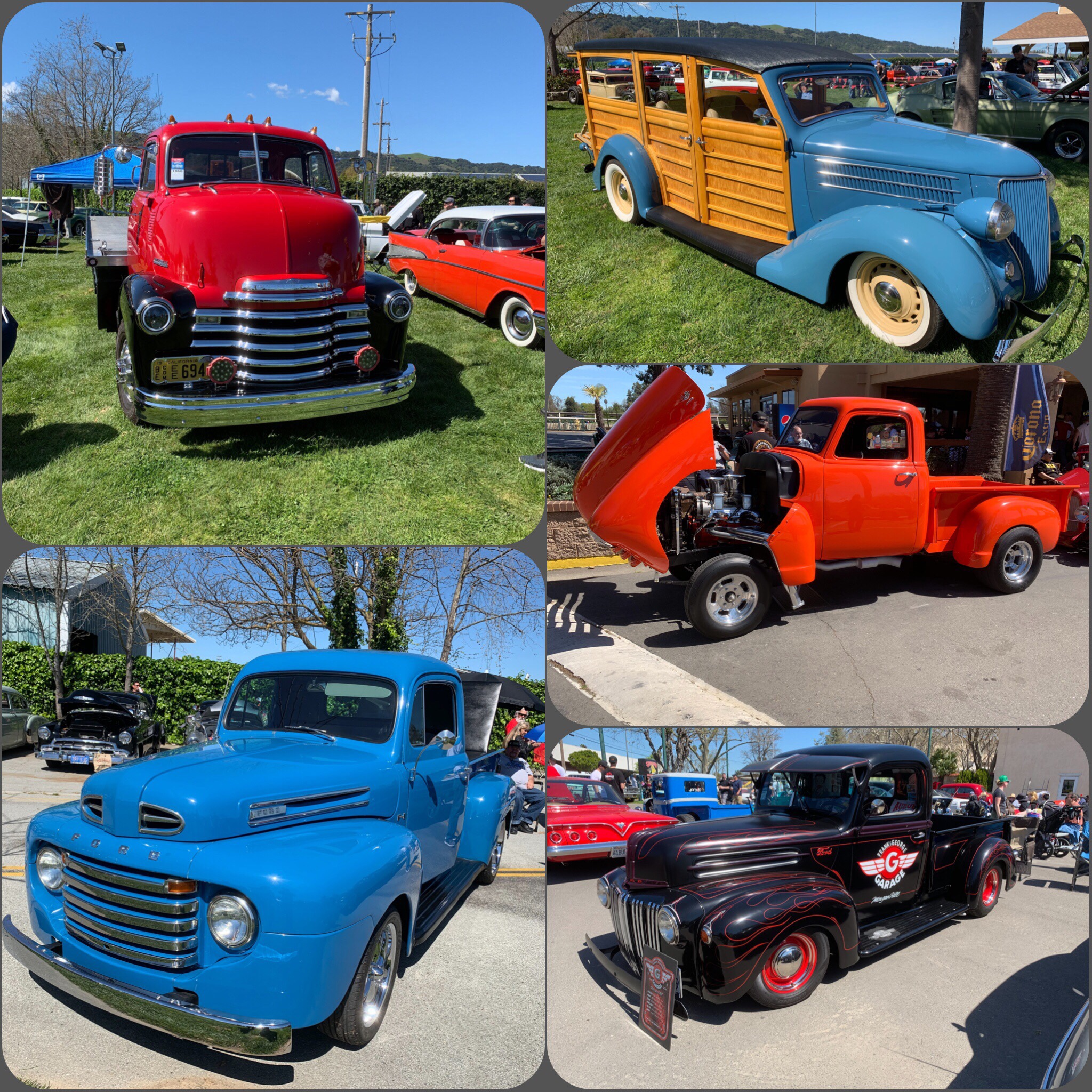
(P. It appears that Judith suffers from a “faulty” sense of smell (smelling a rat) as opposed to my excellent “Taste” in the choice of our last day of activities! I suggested we drive SE today toward the town of Pleasanton as its name sounded like an interesting place for lunch. Amazing as it seems we just happened to drive past a Classic and Custom Car show! In we went to a show of approx 3000 cars (not many old pickups which I enjoy). We wandered around, had my USA favourite carnival food – a brined and smoked turkey drumstick, managed to purchase a couple of parts for my old Ford, from my opinion an enjoyable morning. (Maybe a little Dr Google research did assist in our direction of travel today?

For the last couple of hours before our flight we found the Coyote Point Recreation Reserve where we wandered amongst a mini forest of Gum trees. (the aroma of the eucalyptus trees smelt so good being away from them for a few weeks) we walked the waters edge watching planes approach the airport, many family picnics and kite surfers in the bay. A 15 minute drive to the airport and we are homeward bound.

April 1st.

We have made it, we are back home. The sun is shining and the garden beckons. Tomatoes, raspberries, blackberries, sweet corn and more wait to be harvested. It’s great to have wonderful memories but it’s also great to be back home. We look forward to catching up with family and friends over the next few weeks and sharing our memories from our trip.

So for now it’s good bye from us as we close off this trip blog after an awesome adventure.

Cruise End

.

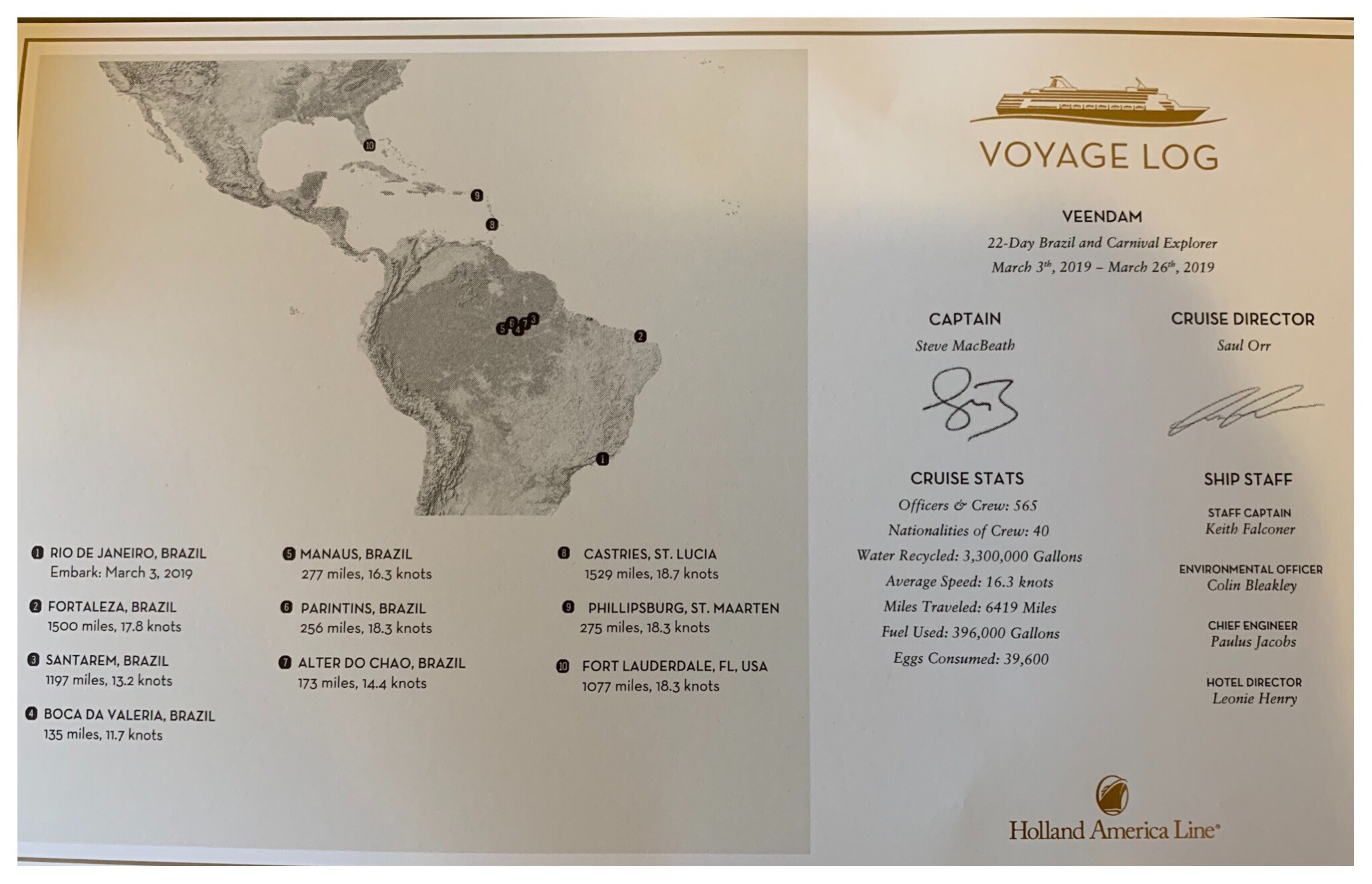
(P:- As we paddle this beautiful traditional cruise liner to our final destination we, like Micheal Palin (Of BBC fame) have completed a “Full Circle” albeit a round trip Fort Lauderdale, Caribbean, Brazil and its Amazing Amazon, more Caribbean then returning to Fort Lauderdale. Experiences have been many, memories made have far exceeded our expectations!

Mark Twain once quoted “Give every day the chance to become the most beautiful day of your life”.

We have added to our “most beautiful days”!

As part of this we :-

-Cruised over 13,000 miles (22,000 kilometres)

-Averaged 11.6 litres per 100k (20.2 mpg) per passenger or close on $1.9 million total fuel bill.

-Were charged a Marine Pilot fee for the Amazon alone of USD $600,000 for the Ship

-Visited 37 new destinations

-11 new countries

-Learnt some interesting history, geography etc.

-Met some great people, both onboard and ashore.

-Was amazed by the worlds largest River Basin and it’s Amazing Amazon

-Snorkelled below, walked on, flew above and floated along some amazing places.

-Absorbed as much of nature as we could, some amazing culture and delicious and interesting local foods.

-Samba Carnivale from Dusk to Dawn

-Mixed with Monkeys

-Smiled with Sloths

-Delighted by (Pink) Dolphins

-Walked over 400 kilometres

-Climbed over 8000 steps

– – – and the list of memories goes on and on!

We hope you have enjoyed sharing in our adventure, now a couple of days to wander east-west across the USA before travelling home to beautiful Tasmania and our wonderful family. There has been many “tough” health days but that happens at home too and we are certainly not going to sit at home waiting for them!

“Don’t wait the time will never be just right” Mark Twain also quoted.

One final blog to come when we leave San Fransisco.